Table of Contents >> Show >> Hide
- What Makes a Cabana “Modern”?
- The Modern Cabana Is Really an Outdoor Room
- Design Principles That Make It Work
- Materials That Feel Fresh, Durable, and Grown-Up
- Features That Define the Best Modern Cabanas
- How to Style One Without Turning It Into a Theme Park
- Small-Space Cabanas Can Still Feel Luxurious
- Mistakes to Avoid
- Why the Modern Cabana Resonates So Much Right Now
- The Experience of a Modern Cabana
- Conclusion
- SEO Tags
The modern cabana is what happens when backyard design stops treating outdoor space like an afterthought and starts treating it like the star of the show. It is part lounge, part hideaway, part hosting headquarters, and part “I’ll just sit here for five minutes” trap that somehow turns into an entire afternoon. In the old imagination, a cabana was a cute little structure near a pool where towels went to dry and people went to pretend they were on vacation. Today, it has evolved into something much more useful and much more stylish.
A modern cabana can be sleek and architectural, breezy and coastal, warm and rustic, or quietly luxurious in that “I definitely did not mean to make this look expensive, but here we are” sort of way. It can be a semi-open pavilion, a pergola with attitude, a compact pool house, or a shaded outdoor room that feels just polished enough to rival the living room inside. The real point is not size. It is function. The best modern cabanas create comfort, provide shade, encourage lingering, and make outdoor life feel easier, prettier, and more intentional.
If that sounds dramatic for what is technically a very attractive shelter, fair enough. But good outdoor design changes how a home is used. A well-designed cabana turns a yard into a destination. It gives swimmers a place to regroup, hosts a place to stage snacks and drinks, and everyone else a place to lounge without melting into the patio furniture. In short, the modern cabana is not just a structure. It is a lifestyle upgrade with better airflow.
What Makes a Cabana “Modern”?
Modern cabanas are less about decoration for decoration’s sake and more about thoughtful design. Clean lines matter. Materials matter. Flexibility matters even more. Instead of looking like a novelty bolted onto the backyard, a modern cabana feels integrated with the home, the landscape, and the daily rhythm of life outside.
That usually starts with architecture. A modern cabana tends to echo the house rather than ignore it. If the main home is crisp and contemporary, the cabana may repeat the same palette with matching stone, stucco, metal, or wood. If the house leans coastal or transitional, the cabana might soften the look with painted wood, airy curtains, or slatted screens. Either way, the goal is visual continuity. A cabana should not look like it wandered in from somebody else’s backyard.
Modern style also favors openness. Large openings, sliding panels, retractable walls, and breezy sightlines help the structure connect to the pool, garden, and sky. Even enclosed versions usually feel light rather than boxed in. That is the magic trick. The cabana creates shelter without killing the outdoor mood. Nobody wants a poolside retreat that feels like a waiting room.
The Modern Cabana Is Really an Outdoor Room
The biggest shift in cabana design is conceptual. Designers increasingly treat these spaces like outdoor rooms instead of simple utility sheds with a better publicist. That means the modern cabana is planned with the same seriousness as an interior: seating zones, lighting layers, durable finishes, texture, storage, and sometimes even a kitchen, shower, bar, or bathroom.
In practical terms, this changes everything. Once the cabana becomes a room, it starts solving problems. Where do guests change? The cabana helps. Where do the wet towels go? Also the cabana. Where does the family sit when they want shade but still want to be near the action? You already know the answer. Suddenly the structure is not an indulgence. It is the missing link between the house and the yard.
This is why many modern cabanas feel layered rather than sparse. They may include a lounging area with deep seating, a dining or snack counter, built-in storage for pool gear, hooks for towels, and enough tabletop space for lemonade, sunscreen, books, and the sunglasses everyone swears they just had a second ago. The best ones balance resort energy with actual usefulness. That combination is what makes them memorable.
Design Principles That Make It Work
1. Shade Comes First
No shade, no cabana. That sounds obvious, but it is the foundational decision. A modern cabana should create real relief from sun and heat, not just a decorative suggestion of shelter. Solid roofs, louvered tops, pergola structures with supplemental canopies, drapery panels, and strategically placed trees all contribute to comfort. The point is to make the space usable for more than twenty blazing minutes at noon.
2. Comfort Should Feel Indoor-Level
If the furniture looks beautiful but feels like punishment, the design has failed. Modern cabanas borrow the comfort standards of indoor living and translate them for weather-resistant life outside. That means plush cushions, performance fabrics, forgiving seating depths, side tables within easy reach, and rugs that ground the space visually. The mood should say, “Stay a while,” not “Perch carefully and try not to sweat.”
3. Privacy Matters
A cabana works best when it creates a sense of retreat. That does not require fortress walls. Privacy can come from landscaping, fencing, slatted screens, curtains, trellises, or smart orientation. Even a relatively open design can feel tucked away if it is positioned thoughtfully. The secret is psychological as much as physical. People relax faster when they feel slightly removed from the rest of the yard.
4. Every Feature Should Earn Its Keep
Modern design is famously allergic to clutter, and for good reason. In a cabana, space is often limited, so each feature should be both attractive and useful. Built-in benches with storage underneath? Excellent. Open shelving for rolled towels and baskets? Great. A tiny decorative chair no one can sit in? Nice try, but no. The modern cabana is not trying to win a pageant. It is trying to improve the way outdoor space functions.
Materials That Feel Fresh, Durable, and Grown-Up
The modern cabana lives outside, which means it must be tougher than it looks. Good materials do the quiet, heroic work of keeping the space beautiful through sun, moisture, foot traffic, chlorine, splashes, and the occasional enthusiastic cannonball. That is why modern cabana design tends to rely on a mix of natural texture and performance-minded finishes.
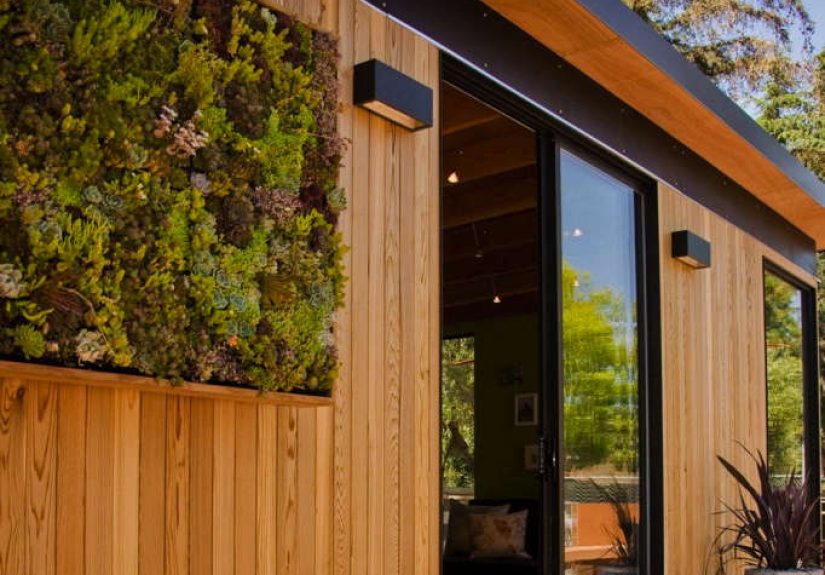
Wood remains a favorite because it adds warmth and keeps modern lines from feeling too severe. Cedar, teak, and thermally modified woods are especially popular for cladding, ceilings, screens, and furniture details. Stone and concrete bring weight and permanence. Stucco and painted masonry can help a cabana feel tied to the architecture of the main house. Powder-coated metal adds crispness, especially in more minimalist designs.
Then there are the tactile layers that make the space feel lived in rather than merely admired. Outdoor textiles, washable rugs, woven shades, weather-resistant drapery, and textured cushions soften the structure. These details matter more than people think. Without them, a cabana can feel stark. With them, it feels like an outdoor living room that just happens to be lucky enough to catch a breeze.
Features That Define the Best Modern Cabanas
Lounge Seating
This is the heart of the cabana. Sectionals, daybeds, chaise lounges, or a combination of club chairs and a long sofa can create the kind of casual luxury people actually use. The best arrangements encourage conversation while still allowing someone to quietly disappear into a book and ignore everyone else for a while. That is not antisocial. That is excellent design.
A Changing Zone
Even a small cabana benefits from a changing nook, screen, or adjacent powder room. This gives the structure real purpose and keeps dripping guests from trekking across the house like wet little crime scenes. If space allows, a shower or half bath transforms the cabana from convenient to downright heroic.
Storage That Stays Invisible
Pool floats are fun in the water and deeply chaotic everywhere else. Smart storage keeps the cabana from becoming a dumping ground. Use benches with hidden compartments, cabinets tucked under counters, vertical hooks for towels, and shelves with baskets for sunscreen, goggles, and outdoor games. Organized cabanas feel calmer, and calm is kind of the whole point.
Food and Drink Support
You do not need a full summer kitchen to make a cabana feel complete, but some level of hospitality goes a long way. A beverage fridge, sink, grill station, serving counter, or simple bar shelf makes outdoor entertaining much easier. A modern cabana often functions as a support station for the yard, helping people stay outside longer without marching in and out of the house every ten minutes for ice.
Lighting for Evening Use
A cabana should not turn into a dark silhouette the minute the sun goes down. Layered lighting keeps the atmosphere warm and usable after dusk. Think overhead pendants, sconces, wall-mounted fixtures, subtle landscape lighting, and table lamps designed for outdoor use. Good lighting adds safety, but more importantly, it adds mood. And mood is half the reason anyone loves a cabana in the first place.
How to Style One Without Turning It Into a Theme Park
The fastest way to ruin a modern cabana is to overdo the “tropical paradise” routine. A cabana does not need to look like it swallowed a souvenir shop. The strongest designs use restraint. That might mean a palette of sandy neutrals, deep greens, soft blues, charcoal, or terracotta. It might mean crisp white upholstery warmed up with striped pillows, woven lanterns, and natural wood. It might mean one bold accent color instead of seven competing for attention like toddlers at a birthday party.
Texture usually matters more than color. Think slatted wood, matte stone, linen-like performance fabrics, concrete planters, sisal-inspired rugs, ceramic stools, and breezy curtains. These layers give the space depth without making it busy. Greenery helps too, especially when it feels architectural. Palms, grasses, clipped shrubs, climbing vines, and container plantings can soften the structure and make the entire zone feel established.
Art can work in a modern cabana, but it should be chosen with care. Outdoor-safe pieces, sculptural objects, or even a dramatic wall treatment can elevate the space. Still, moderation wins. A cabana is supposed to be relaxing. If every surface is trying to make a statement, the only thing speaking clearly is the chaos.
Small-Space Cabanas Can Still Feel Luxurious
One of the smartest things about the modern cabana is that it scales beautifully. You do not need a sprawling estate or a celebrity zip code to create one. A compact backyard can support a semi-open structure with bench seating, storage, shade, and a small counter. A narrow side yard can become a tucked-away lounge. Even a pergola with curtains and a carefully edited furniture plan can deliver the cabana mood without requiring a major build.
The trick in smaller spaces is clarity. Decide what the cabana must do. Is it mainly for shade and lounging? Prioritize seating. Is it a pool support hub? Focus on storage, changing space, and durable flooring. Is it for entertaining? Make room for a counter, drinks, and lighting. Small cabanas succeed when they commit. When they try to do everything, they end up feeling like a very stylish compromise.
Mistakes to Avoid
The most common mistake is treating the cabana as a decorative accessory instead of a functional part of the yard. That often leads to awkward placement, undersized seating, poor shade coverage, or materials that cannot handle weather. Another mistake is forgetting the path between the house, cabana, and pool. If traffic flow is clumsy, the whole setup feels less relaxing.
There is also the temptation to chase trendiness too hard. A modern cabana should feel current, yes, but not disposable. Better to invest in timeless bones and let smaller details carry the trend. Swap pillows, pottery, or accent pieces as tastes shift. Keep the architecture classic enough that it still looks smart five summers from now.
Why the Modern Cabana Resonates So Much Right Now
The appeal of the modern cabana is not hard to understand. People want homes that work harder and feel better. They want outdoor spaces that are not just nice to look at but genuinely inviting to use. They want a place to gather, rest, change clothes, serve drinks, read in the shade, host friends, or simply disappear for an hour with a cold sparkling water and a suspiciously untouched to-do list.
That is what the modern cabana delivers. It is stylish without being stiff, useful without being boring, and indulgent without being ridiculous. At its best, it blurs the boundary between indoors and out in a way that feels effortless. It says the backyard is not an overflow zone. It is part of the home. Maybe even the best part.
The Experience of a Modern Cabana
What makes the modern cabana memorable is not just the architecture. It is the experience it creates from morning to night. Early in the day, a cabana can feel almost meditative. The light is softer, the air is cooler, and the structure becomes a front-row seat to the slow waking of the yard. Coffee tastes better there. Emails somehow seem less urgent there. A towel tossed over a chair suddenly looks intentional, like part of a very relaxed design plan instead of evidence that you are a normal human being with a schedule.
By afternoon, the cabana becomes social. Kids race in and out. Someone claims the shady corner. Someone else opens the drink fridge as if they have been assigned this sacred duty by the state. The cabana catches the overflow of family life without feeling messy. It gives people options. Some sit and talk. Some dry off. Some nibble fruit and chips and pretend those count as a meal. Everyone has a reason to gather there because it acts like a soft landing zone between activity and rest.
Even on days when nobody swims, the modern cabana still earns its keep. It can become an outdoor office with better views, a reading retreat, a nap station, or a place to host a casual dinner under warm lighting. With the right setup, it adapts to seasons too. In summer, it is breezy and open. In shoulder seasons, throws, heaters, and layered lighting help it stay useful. A truly successful cabana is not limited to one kind of weather or one kind of mood.
There is also something emotionally satisfying about having a dedicated place to pause. Homes are full of productive zones: kitchens for cooking, offices for working, garages for storing, laundry rooms for endless fabric-related drama. A cabana feels different. Its entire purpose is comfort, ease, and a little bit of delight. It invites people to slow down without asking permission. That has real value.
And then there is evening, which might be when the cabana is at its best. Lamps come on. The pool reflects the structure like a second room made of water. Conversations stretch out. Music sounds softer outside. The cabana shifts from practical support space to atmosphere machine, and suddenly the backyard feels vaguely resort-like in the best possible way. Not fake. Not theatrical. Just thoughtfully designed for pleasure and calm.
That is the real power of the modern cabana. It makes ordinary moments feel slightly elevated. Not every day becomes a luxury vacation, of course. The dog will still bark. Towels will still end up where they should not. Someone will still ask where the sunscreen is while standing directly in front of it. But the space changes the rhythm of home life. It gives the outdoors structure, comfort, and identity. In doing so, it turns a backyard into a place people genuinely want to be.
In the end, the modern cabana is more than a design trend. It is a quietly brilliant answer to how people want to live now: outdoors when possible, comfortably whenever possible, and beautifully without too much fuss. If that sounds like a dream, good news. It comes with shade.
Conclusion
The modern cabana succeeds because it blends architecture, comfort, function, and mood into one hardworking outdoor retreat. Whether it is a sleek poolside pavilion, a compact pergola lounge, or a fully equipped pool house, the idea remains the same: create a shaded, stylish, flexible space that makes outdoor living easier and more enjoyable. When designed well, a cabana does more than decorate a backyard. It becomes the place where summer happens, where evenings last longer, and where home feels just a little more like an escape.