Table of Contents >> Show >> Hide
- Why This Canning Lid Pumpkin Craft Is So Popular
- Supplies You’ll Need
- Step-by-Step: How to Make a Pumpkin out of Canning Lids
- Best Design Ideas for an Adorable Pumpkin Look
- Common Mistakes and How to Avoid Them
- How to Style Your Finished Pumpkin
- Can You Make This Craft Without Spray Paint?
- Is This a Good Craft for Beginners?
- Real-Life Crafting Experiences and Lessons Learned
- Final Thoughts
There are two kinds of fall people: the ones who buy a new pumpkin every year, and the ones who stare at a pile of canning lids and whisper, “You’re about to become seasonal décor.” This project is for the second group. Making a pumpkin out of canning lids is one of those gloriously clever crafts that feels rustic, charming, inexpensive, and just a little smug in the best possible way. You’re upcycling something simple, turning it into a centerpiece-worthy decoration, and getting major cozy-season points without needing a degree in advanced glitter engineering.
If you’ve never tried this DIY before, the good news is that it is beginner-friendly, quick to customize, and flexible enough to fit farmhouse, cottage, vintage, or playful fall décor. You can go classic orange, soft cream, muted sage, buffalo plaid, floral washi, or full “my pumpkin has a personality and probably opinions.” The basic method stays the same: gather the canning lid bands, secure them into a circle, add a stem, fluff the shape, and decorate until it makes you grin.
This guide walks you through the entire process, from choosing the right supplies to styling the finished pumpkin so it looks intentionally adorable instead of accidentally mechanical. We’ll also cover easy variations, common mistakes, and a few practical tips that make the project smoother.
Why This Canning Lid Pumpkin Craft Is So Popular
A pumpkin made from canning lids checks all the boxes for a great DIY fall craft. It is affordable, easy to personalize, simple to store, and surprisingly sturdy. Unlike a real pumpkin, it won’t soften, wrinkle, or collapse into a tragic porch pancake by the end of October. Unlike some holiday crafts, it does not require a shopping cart full of specialty supplies. And unlike certain “easy” projects on the internet, this one actually is easy.
The shape comes together naturally because the round metal bands create soft pumpkin ridges when they are tied into a circle. That means you do not have to sculpt anything, carve anything, or bargain with papier-mâché. The metal provides structure, while paint, ribbon, fabric tape, twine, leaves, moss, or burlap give it warmth and personality. It is basically the craft version of putting on a great sweater and calling it a look.
Supplies You’ll Need
Basic materials
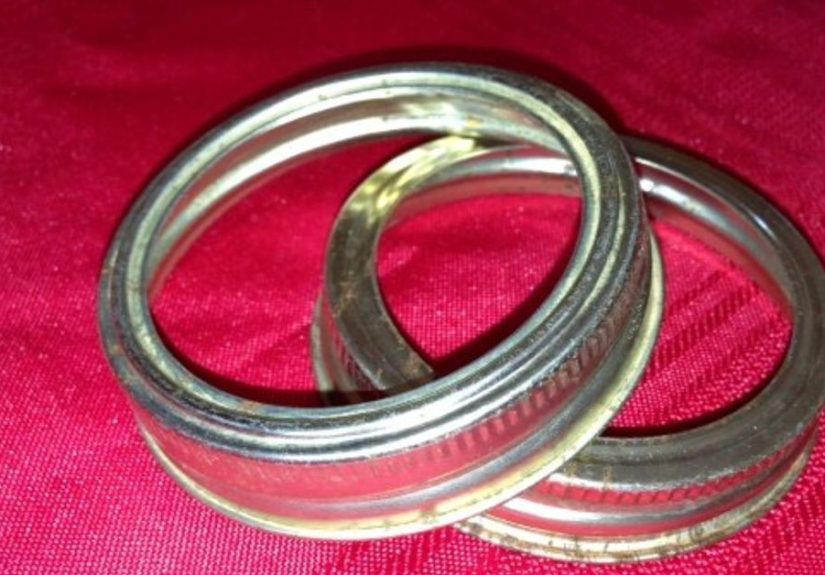
- 17 to 24 canning lid bands, depending on the size and fullness you want
- Floral wire, sturdy twine, jute, or fishing line
- Spray paint or craft paint in your chosen color
- A cinnamon stick, small branch, wine cork, wooden spool, or bundled twigs for the stem
- Hot glue gun and glue sticks
- Optional embellishments: faux leaves, raffia, burlap ribbon, moss, fabric tape, washi tape, lamb’s ear, twine bows, or floral picks
- Protective covering for your work area, such as cardboard, newspaper, or a drop cloth
Choosing your lids
You can use regular-mouth or wide-mouth canning lid bands. Wide-mouth bands generally create a fuller pumpkin, while regular-mouth bands make a slightly smaller, tighter shape. If you want to make a pumpkin trio, use different lid sizes or vary the number of rings for a more layered display. This is one of those crafts where “close enough” is usually perfect.
Choosing your color palette
Orange is the classic choice, but it is far from the only option. Cream, white, bronze, copper, sage green, dusty blue, blush, black, and mustard can all work beautifully for a decorative pumpkin. If your style leans farmhouse, try cream or muted orange with raffia. If you like playful or family-friendly décor, use patterned tape or cheerful paint. If your home aesthetic says “quiet luxury but make it autumn,” go with matte taupe, metallic copper, or weathered white.
Step-by-Step: How to Make a Pumpkin out of Canning Lids
Step 1: Clean and prep the lid bands
If you are using old canning bands, wipe them down first. Remove dust, sticky residue, or rust flakes so your paint or decorative tape will adhere better. If they are especially rough, a light sanding can help smooth the surface. You do not need perfection here, but you do want “ready for craft glory” rather than “fresh from the mystery basement bin.”
Step 2: Paint or decorate the bands
Lay the bands on a protected surface and paint them before assembling. Spray paint is usually the fastest method because it coats metal evenly and gets into the curved edges. Use light coats instead of one heavy coat to avoid drips. If you are crafting with kids or prefer less mess, you can also wrap the bands with fabric tape or washi tape instead of painting them.
Let the bands dry fully before moving on. Rushing this step leads to fingerprints, smudges, and the deeply humbling realization that your thumb is now pumpkin-colored.
Step 3: Thread the bands together
Cut a piece of floral wire or twine long enough to fit all your bands with extra room for tying. Thread the bands through the center openings, making sure they all face the same direction. This matters more than it looks like it should. When the lids face the same way, the final shape looks cleaner and the pumpkin sits more evenly.
Step 4: Pull into a circle and secure
Once all the bands are threaded, bring the ends of the wire or twine together and tighten them until the bands form a donut-like circle. Twist or knot the ends securely. The shape will look a bit awkward at first, but that is normal. Fan the bands out evenly around the circle until the pumpkin begins to take shape.
If the middle opening is too wide, tighten the tie a bit more. If the pumpkin looks squished, loosen it slightly and readjust the spacing. This is a forgiving craft, which is wonderful because fall decorating should not feel like negotiating with a tiny metal octopus.
Step 5: Add the stem
Glue your stem into the center opening. A cinnamon stick is a favorite because it is simple, sturdy, and smells faintly cozy. A twig from the yard gives a rustic look. A cork wrapped in moss adds texture. Bundled sticks tied with twine can make the pumpkin look more handmade and organic.
If the opening in the center is large, glue a small filler piece beneath the stem so it sits securely. You can use felt, cardboard, extra moss, or even a dab of crumpled burlap hidden underneath.
Step 6: Finish with leaves and trim
Now for the adorable part. Tuck in faux leaves, raffia, ribbon, or lamb’s ear around the stem. A little goes a long way. The best pumpkins usually have one or two accent details rather than an entire craft store glued on top. Think charming, not panic-decorated.
Best Design Ideas for an Adorable Pumpkin Look
Classic farmhouse pumpkin
Paint the bands matte orange or cream, add a cinnamon stick stem, and finish with raffia and a burlap leaf. This version looks great on mantels, entry tables, and tiered trays.
Rustic cottage pumpkin
Use fabric tape or a distressed paint finish. Add a real twig stem, soft greenery, and a touch of moss. This style pairs beautifully with wood slices, lanterns, and old books.
Kid-friendly pumpkin
Skip the hot glue during the decorating phase when possible and use washi tape for color and pattern. Choose cheerful florals, dots, or stripes. This version feels playful and is a good way to use up those random tape rolls that multiply in craft drawers.
Neutral modern pumpkin
Try black, white, taupe, sage, or muted metallic finishes. Keep the embellishments minimal. A velvet ribbon or a single eucalyptus sprig can make it feel polished and current.
Common Mistakes and How to Avoid Them
Using too few or too many bands
Too few bands can make the pumpkin look sparse. Too many can make it bulky and hard to shape. Start with a middle ground, then adjust based on the size of your lids. Small pumpkins can look great with fewer rings, while wider pumpkins often need more.
Not letting paint dry long enough
Metal paint can feel dry on the surface before it is truly ready to handle. Give it enough time so your finish stays smooth. If you are adding tape or glue too soon, you may lift the finish or leave marks.
Forgetting band direction
If the rings face different directions, the pumpkin can wobble or look uneven. Keep them aligned from the start and you will save yourself a lot of fussy rearranging later.
Overdecorating the top
The stem area should be cute, not chaotic. Choose one main texture, such as raffia, greenery, or burlap, then add one accent. When in doubt, stop before the pumpkin starts looking like it joined a parade float.
How to Style Your Finished Pumpkin
One canning lid pumpkin is sweet. Three together look intentional and designer-ish. Group different sizes and colors on a tray, shelf, or dining table. Set one on top of a stack of books. Place a few on a mantel with flameless candles. Use a wood slice underneath for a rustic feel. Mix them with mini gourds, faux leaves, pinecones, or lanterns for a fuller fall display.
They also make cute gifts. Add one to a hostess gift, teacher gift, or Thanksgiving table setting. A handmade pumpkin feels personal without being over-the-top. It says, “I made this with care,” instead of, “I panic-bought a scented thing at the checkout line.”
Can You Make This Craft Without Spray Paint?
Absolutely. If you do not want to spray paint, you can brush on acrylic or chalk-style paint, though it may take a couple of coats. You can also wrap the outside edges in ribbon, fabric tape, or washi tape. Tape-covered pumpkins can look especially cute for family crafting or low-mess projects. This option is great if you are crafting indoors, want less drying time, or simply do not feel like standing outside shaking a paint can while wondering if the wind is about to redecorate your shoes.
Is This a Good Craft for Beginners?
Yes, and that is part of its charm. The project gives quick results, does not require advanced skills, and leaves plenty of room for creativity. Even if your first pumpkin is a little lopsided, it usually still looks delightful because pumpkins in nature are not exactly geometry champions. Handmade projects benefit from a little imperfection. That is often what gives them warmth.
Real-Life Crafting Experiences and Lessons Learned
One of the most relatable experiences with this craft is discovering that canning lid pumpkins somehow look easier than they feel for the first five minutes. You line up the rings, thread them together, tighten the twine, and then stare at the result thinking, “That is not a pumpkin. That is a confused bracelet.” Then you fan out the bands, add the stem, tuck in a little raffia, and suddenly the whole thing transforms. It is a very satisfying before-and-after moment, and that instant payoff is probably one reason people keep coming back to this DIY every fall.
Another common experience is realizing how much personality can come from small design choices. One person uses bright orange paint and a cinnamon stick, and the pumpkin looks cheerful and classic. Another person chooses cream paint, a mossy stem, and soft green leaves, and the same basic project suddenly looks like it belongs in a boutique home décor shop. Someone else wraps the bands in floral washi tape and ends up with a pumpkin that feels whimsical and almost storybook-like. That flexibility makes the craft fun because you are not locked into one “correct” version.
Many crafters also learn an important seasonal truth: spray paint has its own opinions. On a calm, dry day, painting the bands is fast and oddly satisfying. On a humid or windy day, it can feel like you are trying to negotiate with the weather itself. The smartest approach is to prep your space first, use light coats, and let the paint cure without hovering over it like an anxious pumpkin manager. Once you accept that drying time is part of the craft, the process becomes a lot less frustrating.
There is also something especially nice about using old supplies that would otherwise sit around forgotten. Canning bands tucked in a drawer or basement box do not look like much on their own, but turning them into fall décor gives them a second life. That upcycled element makes the pumpkin feel a little more meaningful. It is not just cute; it is resourceful. And in a world full of disposable seasonal décor, that is a pretty lovable quality.
For families, this project can become a low-pressure autumn tradition. Adults can handle the painting and hot glue, while kids help choose ribbons, leaves, or colors. Because the craft is simple, there is room for conversation, laughing, and the occasional wildly ambitious decorating idea. Someone always wants to make a glitter pumpkin. Someone always wants to glue on googly eyes. Someone always says, “What if we made six more?” This is how seasonal crafting supplies mysteriously take over entire closets.
One of the best lessons people take from this project is that “adorable” does not require expensive materials. You do not need fancy tools, specialty hardware, or an influencer-level craft room. A few rings, some paint, a piece of twine, and a stem can go a long way. The final piece looks thoughtful because of the way the materials come together, not because each part is individually impressive. That is a great reminder for DIY in general: creativity usually matters more than cost.
And finally, there is the decorating moment. After the pumpkin is finished, you place it on a shelf, step back, and suddenly the whole space feels more autumnal. It is a small object, but it changes the mood of the room. That is the magic of seasonal crafting. It is not just about making a thing. It is about creating a little atmosphere, a little coziness, and a little joy out of ordinary materials. In that sense, the adorable canning lid pumpkin is not just a craft. It is a tiny celebration of fall with a stem on top.
Final Thoughts
If you want a fall craft that is inexpensive, charming, customizable, and genuinely fun to make, a pumpkin out of canning lids is hard to beat. It works for beginners, looks great in groups, and can easily be adapted to rustic, playful, farmhouse, or modern décor. Better yet, it turns a humble household item into something festive and display-worthy. That is the kind of craft success story we like to see.
So gather those lid bands, pick your prettiest paint, and make a pumpkin that looks like it wandered straight out of an autumn daydream. Or at least a very organized craft corner. Either way, adorable wins.