Table of Contents >> Show >> Hide
- Quick Snapshot (So You Can Keep Your Foot Still)
- What Are Sesamoids, and Why Do They Get So Dramatic?
- Sesamoiditis vs. Sesamoid Fracture (Important Difference)
- Common Causes of Sesamoiditis
- Symptoms: What Sesamoiditis Feels Like in Real Life
- How Sesamoiditis Is Diagnosed
- Sesamoiditis Treatment: What Actually Helps
- How Long Does Sesamoiditis Take to Heal?
- Prevention Tips (Because Nobody Wants a Sesamoid Sequel)
- When to See a Doctor
- Frequently Asked Questions
- Conclusion
- Real-World Experiences: What People Commonly Notice (and What Tends to Help)
Pain under your big toe can feel like your foot is staging a tiny protest. You’re just trying to walk, run, dance,
or chase your life goals (and/or your dog), and suddenly the ball of your foot hurts like you stepped on a LEGO
made of disappointment.
One common culprit is sesamoiditisinflammation and irritation around the small sesamoid bones
under the big toe joint. The good news: most cases improve with the right combo of rest, offloading, footwear
tweaks, and rehab. The tricky part: it often requires patience, because the sesamoids sit in a high-traffic area
of your foot (aka “the push-off zone”).
Quick Snapshot (So You Can Keep Your Foot Still)
- What it is: Overuse irritation of the sesamoid bones and surrounding tendon complex under the big toe joint.
- Where it hurts: Ball of the foot, directly under the big toe (first metatarsophalangeal joint).
- Common in: Runners, dancers, people who jump/sprint, or anyone in thin shoes on hard floors.
- First-line treatment: Reduce load, pad/orthotics, supportive shoes, ice, and a gradual return plan.
- When to get checked: Significant swelling/bruising, sudden “pop,” inability to bear weight, or pain that won’t improve.
Note: This article is educational and not a substitute for medical care. If you’re unsure what’s causing your foot pain, a clinician can help rule out a fracture or other conditions.
What Are Sesamoids, and Why Do They Get So Dramatic?
Sesamoids are small bones embedded within tendonskind of like nature’s little pulley system. The kneecap is the
most famous sesamoid bone, but in the foot you typically have two sesamoid bones under the big toe
joint. Their job is to help your big toe flex smoothly, absorb stress, and improve leverage when you push off.
Because they live under the first metatarsal head (a major weight-bearing point), they take a beating with each
stepespecially during activities that load the forefoot (running, dancing, jumping, lunges, hill work, and
“I swear I can pull off minimalist shoes” experiments).
Sesamoiditis vs. Sesamoid Fracture (Important Difference)
Sesamoiditis usually builds graduallymore of a slow “hey, something’s not right” ache that gets sharper with
push-off. A sesamoid fracture (or acute injury) more often follows a specific event: landing awkwardly,
hyperextending the big toe, or a sudden impact, with pain that shows up immediately.
Why this matters: the early care overlaps (rest and offloading), but fractures may need more strict immobilization
and a different return timeline. Also, people can have a naturally “split” sesamoid (a bipartite sesamoid),
which can look like a fracture on X-rayso clinical context matters a lot.
Common Causes of Sesamoiditis
Sesamoiditis is typically a repetitive stress injury. Translation: the tissue gets irritated because the
load keeps coming, and recovery time keeps not happening.
1) Overuse and training changes
The most classic pattern is a sudden increase in forefoot load: ramping up mileage, adding speed work, returning
to sport after time off, or practicing jumps/plies for longer than your feet signed up for.
2) Footwear that doesn’t protect the forefoot
Thin, flexible soles can increase pressure under the big toe joint, especially on hard surfaces. High heels can
shift weight forward. Shoes that feel “fine” at first can turn into tiny forefoot stress machines over weeks.
3) Foot structure and mechanics
High arches, a foot that naturally loads the first metatarsal more, limited big-toe mobility, or altered gait
patterns can increase sesamoid stress. Even small changeslike favoring one side due to a knee or hip issuecan
shift load to the sesamoids.
4) Playing sports that love push-off
Activities with repeated acceleration and toe-off (sprinting, basketball, soccer, tennis) or sustained forefoot
positions (ballet, dance) are common triggers.
Symptoms: What Sesamoiditis Feels Like in Real Life
- Focused pain under the big toe joint (ball of the foot), often tender to press.
- Pain with push-off: running, stairs, jumping, lunges, or standing on tiptoe.
- Stiffness or discomfort when bending/straightening the big toe.
- Possible swelling, sometimes mild, sometimes noticeable after activity.
- Shoe sensitivity: certain shoes make it worse, others feel magically tolerable.
A helpful clue: many people can walk “okay” if they avoid rolling over the big toeso they change their gait
without realizing it. That can irritate other areas (ankle, knee, hip) over time.
How Sesamoiditis Is Diagnosed
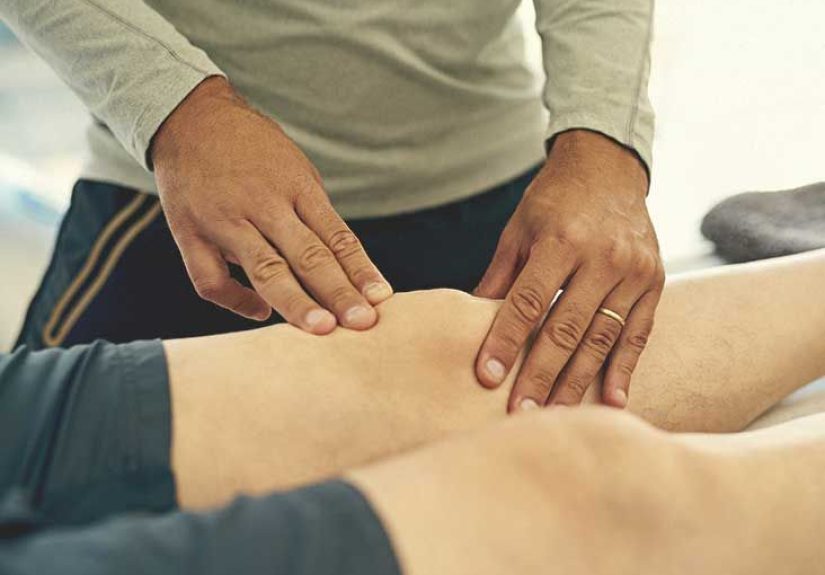
Diagnosis usually starts with a history and physical exam: where the pain is, what triggers it, and whether it
came on gradually or suddenly. A clinician will often press directly over the sesamoids, check big-toe motion,
and watch how you walk.
Imaging (when needed)
Many clinicians order X-rays to look for fracture, arthritis, alignment issues, or a bipartite sesamoid.
Sometimes they’ll compare the painful foot to the other side. If X-rays don’t explain persistent painor a stress
injury is suspectedadvanced imaging like MRI, CT, or a bone scan may be used to
clarify the situation.
Ruling out look-alikes
Pain under the big toe can also come from turf toe (ligament sprain), arthritis, plantar plate issues, or general
metatarsalgia. The location, onset, and exam findings help narrow it down.
Sesamoiditis Treatment: What Actually Helps
Think of treatment like turning down the volume on the sesamoids’ workload while you rebuild tolerance. The main
goal is offloadingreducing pressure under the big toe jointso inflamed tissue can calm down.
Step 1: Calm it down (the “stop poking the bear” phase)
- Activity modification: Reduce or pause the movement that triggers pain (often running/jumping). Swap to low-impact options if pain allows.
- Ice: Short sessions can help with pain (wrap ice; don’t put it directly on skin).
- Anti-inflammatory meds: OTC NSAIDs may help some people, but check with a clinician if you have stomach, kidney, bleeding, or medication concerns.
- Relative rest: Not “zero movement forever,” but enough unloading to stop the flare cycle.
Step 2: Offload the sesamoids (the “make walking less rude” phase)
This is often the turning point. Options include:
- Supportive shoes with a stiffer sole or rocker shape to reduce big-toe bend during walking.
- Padding (often called a “dancer’s pad” or sesamoid pad) positioned to shift pressure away from the tender spot.
- Orthotics or insoles that redistribute forefoot pressure and control motion patterns that overload the first metatarsal.
- Taping to limit painful big-toe dorsiflexion (bending upward) during push-off.
Practical example: If pain spikes every time you push off the big toe, a stiffer shoe + properly placed pad can
reduce that peak pressure enough for symptoms to start settling within days to weeks.
Step 3: Restore strength and mechanics (the “build back smarter” phase)
Once daily walking is comfortable (or trending that way), rehab focuses on:
- Calf and foot intrinsic strength (your arch-support muscles) to improve load sharing.
- Big toe mobility if stiffness is contributing to poor mechanics (done carefullyaggressive stretching can backfire early on).
- Hip/glute strength and gait retraining if your mechanics dump stress into the forefoot.
- Gradual return to impact: walk-run progressions, surface changes, and controlled volume increases.
When immobilization is used
If symptoms are severe or not improving, clinicians sometimes recommend a walking boot or a period of reduced
weight-bearing. This can be especially relevant when a fracture or stress injury is suspected.
Injections and advanced treatments
If conservative care isn’t enough, a clinician may discuss options like a corticosteroid injection (usually with
careful consideration of diagnosis and risk/benefit). These can reduce inflammation and pain in selected cases,
but they’re typically not the first movemore like the “we’ve tried the sensible stuff” move.
Surgery (rare, but sometimes necessary)
Surgery is generally reserved for persistent cases that don’t respond to appropriate conservative treatment or for
certain injuries (like non-healing fractures or complications). One procedure may involve removing part or all of a
sesamoid (sesamoidectomy). This can relieve pain, but it’s usually considered a last resort because it can affect
toe mechanics and has potential complications.
How Long Does Sesamoiditis Take to Heal?
Recovery depends on how irritated the tissue is, how well you can offload it, and whether you’re dealing with a
simple overuse flare or something closer to a stress injury. Many mild-to-moderate cases improve with consistent
offloading and footwear changes over a few weeks, but more stubborn cases can take longer.
The biggest reason people get stuck: they feel 30% better and immediately return to 110% activity. Your sesamoids
are not impressed by optimism alone.
A reasonable return-to-activity mindset
- Use pain as a guide: mild discomfort that doesn’t worsen later may be acceptable; sharp pain is a “nope.”
- Increase load gradually: add time or intensity in small steps, not leaps.
- Keep the offloading tools (shoes/pads/orthotics) in place during the comeback phase.
Prevention Tips (Because Nobody Wants a Sesamoid Sequel)
Train smarter
Sudden jumps in intensity are a common trigger. If you’re increasing running volume, adding hills, starting dance
rehearsals, or changing surfaces, build in adaptation time.
Respect the shoe-surface combo
Thin shoes on hard surfaces are a common forefoot stress cocktail. If your day involves lots of standing or
walking on hard floors, prioritize cushioning and support.
Don’t ignore early warning signs
That “tiny pebble under the big toe” sensation after workouts isn’t a personality traitit’s a clue. Addressing it
early often prevents a longer shutdown later.
When to See a Doctor
Get evaluated if you have:
- Sudden pain after an injury (especially with bruising or swelling)
- Inability to bear weight normally
- Pain that persists beyond 1–2 weeks despite rest and footwear changes
- Night pain, worsening symptoms, or concern for fracture/stress injury
A clinician (often a podiatrist, orthopedist, or sports medicine provider) can confirm the diagnosis, rule out
fracture, and help you build a return plan that doesn’t accidentally restart the fire.
Frequently Asked Questions
Is sesamoiditis the same as metatarsalgia?
Not exactly. Metatarsalgia is a broader term for pain in the ball of the foot. Sesamoiditis is a more specific
diagnosis focused under the big toe joint.
Can I keep running with sesamoiditis?
Sometimes, but it depends on severity. If running increases pain during the run or later that day/next morning,
continuing often prolongs recovery. Many athletes do better with a temporary low-impact swap and a structured
return-to-run plan.
Do I need a boot?
Not always. Mild cases may improve with shoe changes, padding, and load management. A boot is more likely when pain
is significant, function is limited, or a fracture/stress injury is suspected.
Will orthotics “fix” it?
Orthotics can be very helpful for offloading and correcting mechanics that overload the sesamoids. But think of
them as part of the plan, not the entire planstrength, mobility, and training strategy matter too.
Conclusion
Sesamoiditis can be a stubborn little painliterally small bones with big opinions. But most people improve with
the basics done well: reduce the aggravating load, offload the sesamoids with smart footwear and padding, rebuild
strength and mechanics, and return to activity gradually. If symptoms are severe or not improving, don’t tough it
out indefinitelygetting the right diagnosis can save you months of frustration (and limping).
Real-World Experiences: What People Commonly Notice (and What Tends to Help)
Sesamoiditis has a funny way of showing up right when someone decides to “get serious” about a new routine. It’s
like your foot overhears your motivation speech and responds, “Love the energy, but also… no.”
Experience #1: The Runner Who Added Hills (and Regretted It)
A common story: a runner increases mileage and adds hill repeats. At first it feels greatcardio is up, pace is
down, confidence is booming. Then a dull ache appears under the big toe after runs. It’s mild enough to ignore,
so they keep training. Over the next couple weeks, that ache becomes a sharper pain at push-off, especially
uphill or when sprinting across a crosswalk like it’s an Olympic final.
What tends to help here is not a heroic pain tolerance, but a boringly effective reset: cutting hill work and
speed temporarily, moving to flatter/softer surfaces, and wearing a stiffer, supportive shoe. Many runners report
that a simple pad or orthotic setup makes normal walking comfortable againoften the first big morale boost. The
“win” isn’t returning to full speed immediately; it’s breaking the cycle of re-irritation so healing can begin.
Experience #2: The Dancer Whose Toe Lives in “Pointed” Mode
Dancers and performers often describe sesamoid pain as very specific: it’s not the whole foot, it’s that exact
spot under the big toe jointespecially after rehearsals heavy on relevés, jumps, or long sessions in less
forgiving footwear. Because practice schedules can be non-negotiable, many dancers try to “work around it,”
shifting weight outward or avoiding full push-off. That strategy can keep them going short-term, but it can also
create new aches elsewhere.
What tends to help is a combination approach: offloading between sessions (pads, supportive shoes when not in
dance shoes), carefully modifying rehearsal intensity, and strengthening foot intrinsics and calf capacity so the
forefoot isn’t doing all the work. Many dancers also find that returning too fast to full jumping is the quickest
way to restart paineven if they felt fine during warmup. A graded plan (shorter sets, more rest between runs,
and a clear “stop rule” for sharp pain) usually beats sheer willpower.
Experience #3: The Service Worker on Hard Floors
Not everyone with sesamoiditis is an athlete. People who stand or walk for long hours on hard surfaceshealthcare,
retail, hospitalityoften notice forefoot pain that flares by the end of a shift. Sometimes it’s worse in flat,
flexible shoes that feel “comfortable” for the first hour but offer very little forefoot protection by hour six.
The most common turning point is footwear. A shoe with cushioning and a slightly stiffer sole can reduce the
constant bend-and-load cycle under the big toe. Insoles or orthotics that redistribute pressure can be a
game-changer, especially when paired with a pad that keeps direct pressure off the tender sesamoid area. People
often report that pain improves faster when they treat offloading like a daily necessity, not an occasional
“when I remember” thing.
Experience #4: The “It Felt Better, So I Did Everything” Trap
One of the most universal experiences with sesamoiditis is the rebound flare. Pain improves, so activity returns
quickly: a long walk, a run, a leg day with lunges, or a game of pickup basketball. The next morning, the sesamoid
pain is back like it never leftsometimes worse. This happens because symptoms can calm down before tissue
capacity is fully restored.
A better pattern is the “two-step test”: increase one variable at a time (duration or intensity or frequency),
then hold steady for a few days. If pain doesn’t escalate, you earn the next small increase. This approach may
feel slow, but it’s often the fastest route to a stable comebackbecause it avoids the back-and-forth cycle that
drags recovery out for months.
Experience #5: The Relief of Finally Knowing What It Is
People often describe a sense of relief when a clinician pinpoints sesamoiditis (or rules out a fracture). Why?
Because it turns a mysterious “random foot pain” into a solvable load-management problem. Once there’s a plan
offload, calm symptoms, rebuild, and return graduallyprogress becomes measurable: less pain with walking, fewer
flare-ups, and eventually normal push-off again.
If you take one takeaway from these experiences, let it be this: sesamoiditis responds best to consistency. The
unglamorous basicssupportive shoes, smart padding, and gradual loadingusually outperform dramatic one-time fixes.