Table of Contents >> Show >> Hide
- What Are Amylase and Lipase, and Why Do We Measure Them?
- What Conditions Might Prompt Amylase and Lipase Testing?
- Preparation: What to Do Before the Test
- Procedure: What Happens During Amylase and Lipase Testing?
- Results: How to Interpret Amylase and Lipase Levels
- Putting Results in Context: What Clinicians Actually Do With These Numbers
- Frequently Asked Questions
- Real-Life Experiences: What People Commonly Notice Before, During, and After Testing (About )
- Conclusion
If your stomach could talk, it would probably say, “Please stop Googling me at 2 a.m.” But when belly pain,
nausea, or unexplained digestive chaos shows up, your clinician may order two lab tests that sound like
characters from a sci-fi buddy movie: amylase and lipase.
These are enzymestiny biochemical helpersthat usually hang out doing their jobs quietly. When certain organs
(especially the pancreas) get irritated or injured, enzyme levels in your blood can change. Lab tests help
your care team connect symptoms to what’s happening inside, without needing a crystal ball.
This guide breaks down what amylase and lipase tests are, how to prepare, what the testing process feels like,
and how to think about results without spiraling into “I have every disease” territory. (Spoiler: lab values
are clues, not verdicts.)
What Are Amylase and Lipase, and Why Do We Measure Them?
Amylase: The Carb-Handling Helper
Amylase helps your body break down carbohydrates. Your pancreas makes amylase, and so do your
salivary glands (yesyour mouth is doing chemistry before your food even hits your stomach). A small amount of
amylase in blood or urine is normal. But higher-than-usual levels can show up when the pancreas is inflamed,
when ducts are blocked, or when salivary glands are irritated.
Lipase: The Fat-Digesting Specialist
Lipase helps your body digest fats. Most lipase comes from the pancreas, which is why lipase
levels are often used when clinicians are evaluating possible pancreatic issues. Lipase can also be affected
by other conditionsso it’s helpful, but not magical.
Why Are These Tests Often Ordered Together?
If your provider suspects a pancreatic problemespecially pancreatitis (inflammation of the
pancreas)they may order both tests. Amylase can rise with pancreas problems but also with several non-pancreas
conditions. Lipase is often considered more pancreas-focused, so the combination can paint a clearer picture.
What Conditions Might Prompt Amylase and Lipase Testing?
Your provider may order amylase and/or lipase tests when symptoms suggest pancreatic inflammation or related
digestive problems. Common reasons include:
- Sudden, severe upper abdominal pain (sometimes radiating to the back)
- Nausea or vomiting that won’t quit
- Fever or signs of inflammation
- Unexplained abdominal tenderness
- Suspected gallbladder or bile duct issues (since blockages can affect the pancreas)
- Monitoring known pancreatitis or evaluating chronic pancreatic disease
In real clinical life, enzyme tests are rarely used alone. Your clinician usually combines them with your
symptoms, physical exam, medical history (including alcohol use, medication list, gallstones, triglyceride
issues, and diabetes history), and often other testslike liver enzymes, blood counts, metabolic panels,
and sometimes imaging (ultrasound or CT).
Preparation: What to Do Before the Test
Do You Need to Fast?
Sometimes. Some facilities ask for fasting (often around 8 hours) before enzyme testing,
while others do not. If your test is being ordered urgently (for example, in the emergency department),
fasting may not be practicaland the test can still be meaningful.
The best move: follow the instructions from the lab or your clinician’s office. If you weren’t given any,
don’t paniccall and ask. (Yes, even if you hate phone calls. Think of it as exposure therapy with a medical benefit.)
Avoid Alcohol (At Least Temporarily)
Your provider may recommend avoiding alcohol before testing, because alcohol can affect the pancreas and may
influence interpretation. If you drink regularly, be honestyour care team isn’t handing out “bad person”
stickers; they’re trying to interpret biology accurately.
Bring the Most Important “Accessory”: Your Medication List
A variety of medications can influence enzyme levels. Your clinician may ask you to temporarily pause certain
medsbut do not stop anything on your own. Instead, tell your provider about:
- Prescription medications
- Over-the-counter meds (including pain relievers)
- Supplements and herbal products
- Hormonal medications (including some birth control pills)
- Diuretics (“water pills”) and certain cholesterol-lowering drugs
- Some pain medications, including opioids (when applicable)
Practical Prep Tips That Make the Day Easier
- Hydrate unless you were told not togood veins are happy veins.
- Wear a short-sleeve or loose-sleeve top.
- If you tend to feel woozy during blood draws, tell the phlebotomist ahead of time.
- If you’re doing a urine test, ask whether it’s a single sample or a timed collection.
Procedure: What Happens During Amylase and Lipase Testing?
Blood Test: The Standard Route
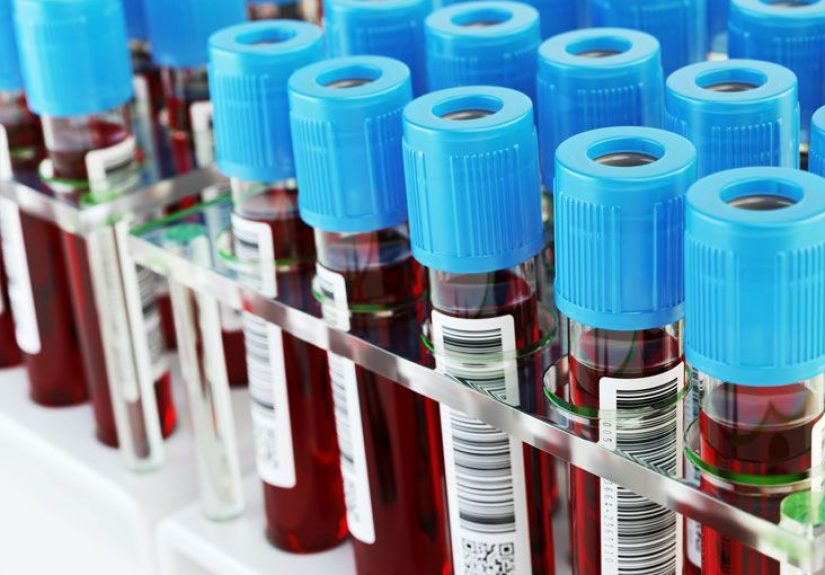
Most of the time, amylase and lipase are measured with a standard blood draw:
- A phlebotomist cleans the skin (usually inside the elbow or on the back of the hand).
- A small needle goes into a vein and blood is collected into tubes.
- The needle comes out, pressure is applied, and you’re given a bandage.
The whole thing is usually quick. The sensation ranges from “tiny pinch” to “why did my arm choose drama
today?” Most people do fine, and complications are uncommon.
Urine Amylase: Sometimes Part of the Puzzle
Amylase can also be measured in urine. Your provider may order it along with blood testing, or when they’re
looking for additional context. Urine testing might involve:
- Single urine sample (you provide a specimen in a container)
- Timed urine collection (less common; can involve collecting all urine over a set period)
Risks and Side Effects: Usually Minor
Blood draws are low-risk. Possible issues include:
- Mild bruising or soreness where the needle went in
- Lightheadedness (especially if you haven’t eaten)
- Rarely, infection or prolonged bleeding (more likely if you have a bleeding disorder or take blood thinners)
If you notice increasing redness, warmth, swelling, or significant pain at the site afterward, contact a
healthcare professional.
Results: How to Interpret Amylase and Lipase Levels
First Rule of Lab Club: “Normal” Depends on the Lab
Reference ranges vary by lab, method, and units. You might see amylase reported in U/L
(units per liter) and lipase also in U/L. Your report should include the lab’s reference
range right next to your result. Use that rangenot a random chart from 2014when interpreting.
Example ranges some labs use (these can differ widely):
- Amylase: often somewhere around a few dozen to under 100 U/L (some labs use higher upper limits)
- Lipase: often reported with an upper limit that may be around the low hundreds U/L
Your clinician cares about the pattern: how high or low the number is, whether symptoms match,
whether other labs are abnormal, and whether imaging supports a diagnosis.
High Amylase: What It Can Mean
Elevated amylase may point to pancreatic irritation, but it’s not pancreas-exclusive. Possible reasons include:
- Acute pancreatitis (often rises early)
- Chronic pancreatitis (can be elevated during flares, but may be normal in long-standing disease)
- Blocked pancreatic duct (for example, from gallstones)
- Salivary gland inflammation (infection or blockage)
- Kidney disease (reduced clearance can raise levels)
- Gastrointestinal conditions such as obstruction or ulcers in some cases
- Macroamylasemia (a benign situation where amylase sticks to proteins and stays in blood)
Notice the theme? High amylase is a signal, not a single diagnosis. Your provider will interpret it
with context, not vibes.
High Lipase: Often More Pancreas-Focused (But Still Not Only Pancreas)
Elevated lipase is commonly associated with pancreatic inflammation. Very high lipase can suggest
acute pancreatitis, especially when symptoms and other findings line up. But lipase can also
rise with other conditions, including:
- Gallbladder disease or bile duct blockage
- Peptic ulcer disease
- Intestinal obstruction or certain intestinal problems
- Chronic kidney disease
- Diabetes and other metabolic stressors in some cases
- Pancreatic duct obstruction or, less commonly, pancreatic tumors
Medications can also influence lipase levels, so your medication list matters here, too.
Low Amylase or Low Lipase: Less Common, Still Meaningful
People often focus on “high” results, but low enzyme levels can also be clinically relevant.
Low lipase may be seen when the pancreas can’t produce enough enzymesometimes due to long-term pancreatic
damage. Low amylase can also be associated with pancreatic scarring or other conditions.
Examples of situations your clinician may consider when levels are low include:
- Chronic pancreatitis with long-term pancreatic damage
- Cystic fibrosis (can affect pancreatic enzyme production)
- Advanced pancreatic scarring or loss of enzyme-producing tissue
- Other medical contexts where enzyme production or clearance is altered
Low results rarely “diagnose” something by themselves. They usually trigger follow-up questions and sometimes
additional testing, depending on symptoms.
Putting Results in Context: What Clinicians Actually Do With These Numbers
They Compare Results With Symptoms (Because Bodies Are Not Math Equations)
A mildly elevated enzyme level in someone who feels fine may be handled differently than the same number in
someone with severe abdominal pain and vomiting. Context is everything.
They Look for Supporting Evidence
If pancreatitis is suspected, clinicians may also evaluate:
- Other blood tests (complete blood count, metabolic panel, liver enzymes)
- Markers of inflammation or dehydration
- Imaging studies (ultrasound for gallstones, CT or MRI if needed)
They Avoid Over-Testing Once Diagnosis Is Clear
Once acute pancreatitis is diagnosed, repeated lipase testing usually doesn’t help track recovery in a useful
way. Clinicians typically follow your symptoms and clinical status instead of “chasing the number.”
Frequently Asked Questions
How Long Does It Take to Get Results?
Many labs return enzyme results quickly (sometimes the same day), but timing depends on the facility and
whether the test is run onsite or sent out. If timing matters for your situation, ask the lab or your provider
when you should expect results.
What If My Results Are “A Little High”?
Mild elevations can occur for many reasons, including medications, kidney function changes, or non-pancreatic
causes. Your clinician may repeat the test, review medications, check other labs, or consider imaging depending
on your symptoms.
Should I Worry If Only One Enzyme Is Abnormal?
Not automatically. Sometimes lipase is elevated while amylase is normal, or vice versa. That’s one reason the
clinical picture matters. Your provider will interpret the pattern, not just a single out-of-range flag.
What Questions Should I Ask My Provider?
- “What is the reference range for this lab, and how far outside it is my result?”
- “Do my symptoms match what this result usually suggests?”
- “Could any of my medications or supplements affect these numbers?”
- “Do I need repeat testing, imaging, or referral to a gastroenterologist?”
- “What warning signs mean I should seek urgent care?”
Real-Life Experiences: What People Commonly Notice Before, During, and After Testing (About )
For many people, the amylase and lipase tests start the same way: with a symptom that’s hard to ignore. Some
describe it as a “deep, gnawing” upper belly pain; others say it’s more like relentless nausea that makes even
the smell of food feel like an insult. The interesting part is that lots of patients don’t walk in saying,
“Hello, I suspect pancreatic enzyme elevation.” They show up saying, “Something is off and I can’t
get comfortable,” which is exactly why clinicians like these teststhey’re quick, objective data points when
symptoms are vague or intense.
The blood draw itself is often the least dramatic part of the day. People who are needle-shy frequently report
that telling the phlebotomist upfront helps a lot. It’s common to hear: “They talked me through it,” or,
“They had me look away and breathe slowly,” or even, “They let me lie down so I didn’t faint like I did that
one time in ninth grade.” A surprisingly practical tip from repeat lab-goers: hydration matters. When you’re
dehydratedespecially after vomitingveins can be harder to access, and the draw can take longer.
Waiting for results is where the brain likes to audition for a disaster movie. People often describe refreshing
the patient portal like it’s concert ticket day. When numbers come back high, a common emotional response is
immediate fearfollowed by relief once a clinician explains that enzyme levels don’t exist in a vacuum. Some
patients remember their provider saying things like, “This supports what we suspect,” or “This is one clue; we
still need imaging,” which helps reframe labs as part of a larger investigation rather than a standalone label.
If follow-up testing is needed, many people say the most helpful part is clarity: knowing what to do next.
That might mean an ultrasound to check for gallstones, reviewing medications that can affect enzyme levels, or
getting guidance on hydration, diet, and symptom monitoring. People with recurring episodes often become
excellent historians of their own health: they keep notes on triggers, timing, and what symptoms feel like
when they’re worsening. They also tend to ask sharper questions at appointmentsbecause once you’ve been
blindsided by a “simple belly ache” that turned into multiple tests, you start showing up with a list.
One final theme comes up again and again: reassurance is highest when communication is clear. Patients feel
better when they understand what the test can and can’t tell them, how far outside the reference range they
are, and what symptoms should prompt urgent care. In other words, the best “preparation” isn’t just fasting
or avoiding alcoholit’s walking in ready to share your full story and walking out with a plan.
Conclusion
Amylase and lipase tests are common, useful tools for evaluating pancreatic health and certain digestive
problems. Preparation is usually simplesometimes fasting, often avoiding alcohol for a period, and always
sharing your medication list. The procedure is typically a quick blood draw (and sometimes a urine test),
with minimal risks. Most importantly, results should be interpreted in context: your symptoms, medical history,
other labs, and sometimes imaging. If your report looks confusing, that’s normalyour provider’s job is to
translate the numbers into next steps that actually make sense for you.