Table of Contents >> Show >> Hide
- Why Old CDs Make Surprisingly Good Garden Helpers
- What You’ll Need for a CD Wind Spinner Critter Deterrent
- Step-by-Step: Turn Repurposed CDs into a Wind Spinner That Helps Keep Critters Away
- Do CD Wind Spinners Really Keep Critters Away?
- Boosting the Effectiveness: Layer CDs with Other Gentle Deterrents
- Safety and Environmental Tips
- Styling Ideas: Turn “Bird Scarer” Into Garden Art
- Common Troubleshooting Questions
- Real-Life Experiences with Repurposed CD Wind Spinners
- Conclusion
If you still have a dusty stack of CDs from your “burned mix” era, congratulations: your questionable 2000s playlists are about to become a stylish, eco-friendly garden upgrade. With a little fishing line and creativity, you can turn old discs into sparkling wind spinners that also help shoo away birds and other curious critters from your plants.
This upcycling project is simple, budget-friendly, and oddly satisfying. You get garden art, movement, light, and a bit of natural pest controlall while keeping plastic out of the landfill. Let’s walk through how to transform those relics of the pre-streaming age into something your garden (and the planet) will actually love.
Why Old CDs Make Surprisingly Good Garden Helpers
The magic of CDs in the garden comes down to two things: shine and motion.
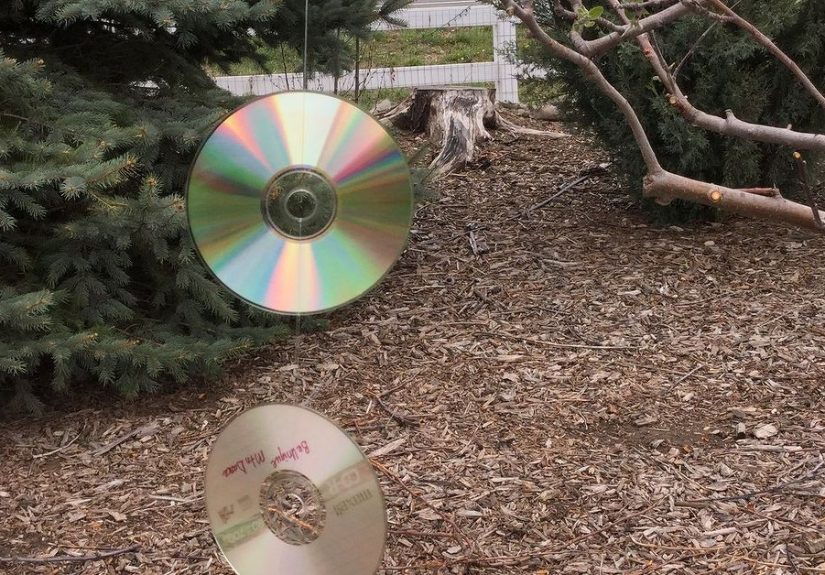
- Reflective surfaces: The mirrored side of a CD catches sunlight and throws off bright flashes of light in different directions as it moves.
- Constant movement: When you hang CDs where the wind can reach them, they spin and sway, creating unpredictable light patterns.
Many gardeners use reflective items like aluminum foil strips, mylar tape, and old CDs as a humane way to scare off birds, squirrels, and other critters that don’t love strange, flashing lights in “their” snack zone. The idea is to surprise and confuse themnot harm themso they decide your veggies, berries, or flower buds are more trouble than they’re worth.
Is it perfect? No. Reflective deterrents tend to work best when they’re new or moved around occasionally, and they’re most effective in sunny, breezy spots. But as a low-cost first line of defense that doubles as garden decor, repurposed CDs are hard to beat.
What You’ll Need for a CD Wind Spinner Critter Deterrent
You don’t need fancy tools or materials. Chances are you already own most of what you need.
- 4–8 old CDs or DVDs (the shinier, the better)
- Fishing line, strong thread, twine, or thin wire
- Small drill with a fine bit, heated nail, or hole punch for plastic
- Strong craft glue or hot glue gun (for decorating)
- Beads, sequins, buttons, faux gems, or glass pebbles (optional, but fun)
- Permanent markers, paint pens, or acrylic paint (if you want to add color)
- Swivel hook, key ring, or S-hook for hanging (optional but helps it spin)
- Scissors
- Gloves and safety glasses (if drilling)
For a true “critter-control” setup, plan to make several spinners and hang them at different heights around the area you want to protect.
Step-by-Step: Turn Repurposed CDs into a Wind Spinner That Helps Keep Critters Away
Step 1: Choose the Perfect Spot
Start by scouting where you actually need the deterrent. Common targets include:
- Berry bushes (strawberries, blueberries, raspberries)
- Fruit trees (apple, cherry, plum, peach)
- Vegetable beds where birds pull up seedlings or nibble on greens
- Herb gardens and planters on a balcony or patio
Look for a place that gets a good amount of sun and at least a light breeze. The more the CDs can spin and flash, the better they’ll work as a deterrent and the prettier they’ll look.
Step 2: Prep and Decorate Your CDs
This is where the “beautiful wind spinner” part comes in. You can hang plain CDs as-is, but decorating them turns them into actual art.
- Clean the discs: Wipe your CDs with a soft cloth to remove dust and fingerprints so glue and paint stick better.
- Add color (optional): Use paint pens, acrylic paint, or permanent markers to create patternsspirals, mandalas, stripes, or dots. Try repeating patterns that radiate from the center hole to emphasize the spinning effect.
- Glue on sparkle: Add sequins, gem stickers, beads, or small mirror tiles to one or both sides. Keep the mirrored CD surface partially exposed so it can still reflect light.
- Let everything dry: Allow glue and paint to cure fully so decorations don’t fly off in the first gust of wind.
For a coordinated look, pick a color palettecool blues and greens for a calming vibe, or bright rainbow for a playful, kid-friendly garden.
Step 3: Drill Holes and String the Spinner
Now it’s time to turn your decorated discs into a vertical wind sculpture.
- Drill hanging holes: Wearing eye protection, drill a small hole near the edge of each CD (about 1/4 inch from the rim). One hole is fine if you’re hanging them in a straight line; two opposite holes if you want a horizontal mobile-like shape.
- Cut lengths of line: Decide how long you want your spinner to be. For a 3–5 CD spinner, cut pieces of fishing line or cord about 12–18 inches each so there’s room between discs.
- Thread and tie: Thread the line through the bottom hole of the top CD, tie a secure knot, then thread the other end through the top hole of the next CD down. Repeat until all your discs are connected.
- Add beads between CDs (optional): Slip a few beads onto the line between each disc for extra color and weight. The weight can help the spinner hang straight and rotate smoothly.
At the top, make a loop of line or attach a key ring or swivel hook. Swivels are great if you get a lot of windthey help your spinner turn freely instead of twisting the line into a knot.
Step 4: Hang, Test, and Tweak
Hang your finished spinner where you planned: from a tree branch, pergola, shepherd’s hook, balcony rail, fence post, or even a clothesline near your garden beds.
- Check that it can swing freely without hitting walls, trunks, or other objects.
- Watch how it moves in the wind and how the light reflects off the surfaces.
- If it’s too still, move it to a breezier spot or make the line slightly longer.
Once you’re happy with the movement and sparkle, add a few more spinners around your garden so critters see (and avoid) a whole zone of spinning reflections.
Do CD Wind Spinners Really Keep Critters Away?
Short answer: they can helpbut they’re not a magic force field.
Reflective deterrents like CDs tend to work best on cautious animals like birds who don’t appreciate sudden, flashing lights in their flight path. The spinning reflections can also bother squirrels and other small critters that are easily startled. Gardeners and pest-control professionals often recommend shiny, moving objects as one layer in a broader strategy for protecting plants.
However, a few realities are worth keeping in mind:
- Critters get used to things: If your CDs stay in the exact same spot for months, smart animals may decide they’re harmless and go back to snacking.
- Weather matters: On very cloudy, still days, CDs won’t reflect or move much, so they’re less effective.
- Some pests don’t care about light: Animals like rodents that move mostly at night or that rely more on smell than sight may ignore the reflections entirely.
To keep CDs effective, try rotating their position every few weeks, changing the height, or adding new spinners with different designs. Think of them as part garden jewelry, part low-effort pest deterrentnot as your only line of defense.
Boosting the Effectiveness: Layer CDs with Other Gentle Deterrents
If you have especially determined critters, combine your CD wind spinners with a few other humane strategies:
- Physical barriers: Use bird netting over berries, cloches over young seedlings, or lightweight row covers over sensitive crops.
- Decoys: Plastic owls or hawks, reflective pinwheels, or motion-activated sprinklers can add surprise and movement.
- Scent-based deterrents: Some gardeners use strong-smelling plants, garlic sprays, or commercial repellents to make beds less inviting.
- Good garden hygiene: Remove fallen fruit and spilled seed that might be luring critters in the first place.
When you layer visual, physical, and sometimes scent-based tools together, your CDs become part of a much more convincing “no buffet here” message for wildlife.
Safety and Environmental Tips
Repurposing CDs is already an eco-friendly move, but a few precautions make the project safer for you, wildlife, and the environment.
- Drill safely: Always wear eye protection when drilling plastic. Go slowly so the disc doesn’t crack or shatter.
- Secure your knots: Loose fishing line can pose a hazard to birds and other wildlife. Double-knot, trim excess, and avoid leaving loops where animals could get tangled.
- Avoid sharp edges: Don’t cut CDs into small, jagged pieces unless you plan to seal them well in a mosaic or sand the edges smooth.
- Check for wear: Over time, the reflective layer on CDs can peel. If discs start shedding flakes, retire them and recycle what you can.
- Take them down if they break: Replace damaged spinners so broken line or shards don’t end up scattered in your yard or garden beds.
With a little care, CD wind spinners can stay beautiful and functional for many seasons.
Styling Ideas: Turn “Bird Scarer” Into Garden Art
Just because your spinners have a job doesn’t mean they can’t look gorgeous. Try these creative twists:
- Boho chic: Combine CDs with wooden beads, feathers, and tassels for a dreamy, festival-style look on a porch or pergola.
- Modern minimal: Leave CDs mostly plain, using only metallic marker lines or a single ring of beads for a sleek, contemporary feel.
- Rainbow garden: Assign each spinner a color themeone blue, one pink, one greenand hang them in clusters for a cheerful, almost stained-glass effect when the sun hits.
- Kid-designed spinners: Let kids draw faces, creatures, or geometric patterns on the discs. They’ll be more invested in protecting “their” garden when their art is part of it.
Because CDs are uniform in size, they naturally create a harmonious, layered look when you hang several together, even if each one has a totally different design.
Common Troubleshooting Questions
“The CDs aren’t moving much. What can I do?”
Try hanging the spinner a little lower or higher, or move it to a spot that catches the breeze betternear the corner of a building, along a path where air flows, or on an exposed branch. You can also lengthen the line slightly so the wind has more leverage to turn it.
“Birds still land near my plants.”
First, add more spinners and spread them around the entire area, not just over one small patch. Then layer in netting or a row cover directly over the plants birds love most. CDs reduce casual snacking; hungry, determined birds may still need a physical barrier to change their plans.
“My neighbors think I’m decorating for a rave.”
Honestly… not the worst reputation to have. But if you want things a bit subtler, use more paint and fewer bare reflective surfaces, or cluster CDs closer to plants instead of all along the fence line.
Real-Life Experiences with Repurposed CD Wind Spinners
Ask around in gardening groups, and you’ll hear all kinds of stories about repurposed CDs. Some people swear they saved entire berry crops; others think they mostly just added a little sparkle to an already busy backyard. The truth usually lives somewhere in the middle.
Picture this: It’s late spring, and you’ve babied your strawberry patch for weeks. You finally see blushing berries… and the next morning, you’re left with nothing but tiny green caps and suspicious bird footprints. Frustrated, you rummage through a drawer, find an old stack of free promo CDs, and decide they’ve played their last infomercial. An hour later, a few hastily-decorated discs are dancing in the breeze over your raised beds. The next week, you notice fewer peck marks. Are the CDs magical? Not exactly. But did they make your patch less inviting and buy your fruit a little more time? Probably.
Gardeners with fruit trees often tell similar stories. One season, a late frost kills half the blossoms, and whatever fruit survives becomes ultra-precious. A simple ring of CD spinners around the lower branches can help discourage casual grazersbirds, squirrels, or that one very bold neighborhood chipmunk. Is it 100% protection? No. But it’s a visible, low-cost reminder that this tree is watched and not an all-you-can-eat wildlife buffet.
On balconies and small patios, repurposed CDs pull double duty. People who grow herbs or tomatoes in containers hang a CD spinner from the railing and notice fewer visits from pigeons, while also enjoying a gentle, tinkling sculpture that catches the afternoon sun. The project is especially popular with renters: no drilling into walls or permanent fixtures, and you can take your spinners with you when you move.
Families often describe the project as the moment their kids “clicked” with the idea of upcycling. Instead of just tossing old discs in the trash, children see them transformed into something both beautiful and useful. They proudly point out, “Those used to be our old game CDsnow they’re saving the tomatoes.” It’s a small but memorable lesson in creativity and resourcefulness.
You’ll also hear from gardeners in hot, sunny climates who treat CD spinners as much as mood-lifters as critter deterrents. On long summer evenings, the spinning reflections dance across fences, patios, and even kitchen ceilings if the light is just right. Friends come over, spot the shimmering mobiles, and ask, “Where did you buy those?” Being able to say, “I made them from old CDs” never stops being satisfying.
Of course, there are the realists who say, “The birds figured them out after a while.” And that’s valuable feedback too. It’s a reminder to rotate the spinners, change their height, or combine them with netting, decoys, and good garden maintenance. Even when the critters grow braver, the spinners still earn their keep as kinetic art that marks paths, highlights seating corners, or frames a favorite view.
In the end, repurposed CD wind spinners are less about promising a critter-free life and more about stacking the odds in your favor while making your garden more joyful. You get a satisfying DIY project, a little extra protection for your plants, and a reason to finally let go of that “Summer Jams 2004” mix. That’s a win-win-win.
Conclusion
Repurposed CDs turn clutter into color, motion, and practical garden support. As wind spinners, they catch the light, add personality to your outdoor space, and help gently discourage birds and other critters from treating your plants like a free salad bar. They’re inexpensive, easy to make, kid-friendly, and endlessly customizable.
Will CDs single-handedly save every fruit and veggie in your yard? Probably not. But as part of a smart, layered approach to garden protection, they punch far above their weightand look good doing it. Give your old discs a second life, hang them where the wind can show them off, and enjoy the satisfying feeling of turning digital history into living, sparkling art.