Table of Contents >> Show >> Hide
- What Makes Wedding Gown Hydrangea Special?
- The Best Spot for Wedding Gown Hydrangea
- When and How to Plant Wedding Gown Hydrangea
- Watering, Feeding, and Everyday Care
- Pruning, Deadheading, and Winter Protection
- Design Ideas for Wedding Gown Hydrangea
- Troubleshooting: Common Problems and Easy Fixes
- Real-World Experiences Growing Wedding Gown Hydrangea
If you’ve ever wished your garden could wear a bridal gown, Wedding Gown hydrangea is the shrub that makes it happen. This compact, bigleaf hydrangea (Hydrangea macrophylla ‘Wedding Gown’) is covered in fluffy double white blooms that look like tiny rose-filled bouquets from late spring into fall. It’s elegant, surprisingly easy to care for, and small enough to squeeze into a lot of spaces where traditional hydrangeas would be too big.
In this guide, we’ll walk through everything you need to know about how to plant and grow Wedding Gown hydrangea: the right light, soil, watering routine, pruning strategy, and how to keep it happy through winter. We’ll also look at design ideas and real-life growing experiences so you can skip the mistakes and go straight to the “wow” moment.
Whether you’re a new gardener or a hydrangea superfan looking for your next obsession, Wedding Gown is a great choice for beds, borders, containers, and front yards that need a little “special occasion” energyevery single day.
What Makes Wedding Gown Hydrangea Special?
Wedding Gown is a compact, bushy bigleaf hydrangea that typically grows about 2–3 feet tall and 3–4 feet wide, making it much smaller than many classic mophead varieties. That modest size means you can tuck it into mixed borders, along a foundation, or even in large containers without worrying that it will swallow the walkway in a few years.
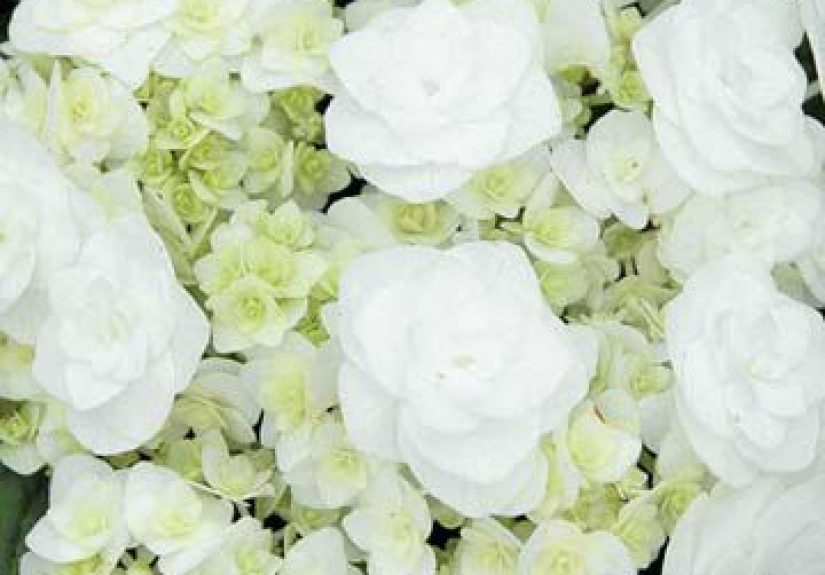
The flowers are the real show: large, domed heads with an outer ring of pure white, double florets and smaller double blooms filling in the center as the season progresses. Early in the season they open with a soft greenish tint, then shift to snowy white, sometimes aging to pale green or even a blush of red in fall. The effect looks like a lacecap hydrangea that decided to dress up as a mophead.
Unlike many bigleaf hydrangeas, which change color depending on soil pH, Wedding Gown stays white regardless of whether your soil is acidic or alkaline. That means less fussing with soil sulfur or garden lime and more time admiring the blooms.
Other key features:
- Hardiness: USDA Zones 5–9 (sometimes listed to Zone 10 in protected sites).
- Bloom time: Late spring through summer, often into early fall.
- Bloom habit: Flowers on both old wood and new growth (a “reblooming” type), so you get better flower coverage even after a rough winter.
- Wildlife: Attractive to bees and pollinators that visit the fertile flowers at the center of the clusters.
The Best Spot for Wedding Gown Hydrangea
Hydrangeas are famous for being a little picky about where they live, and Wedding Gown is no exception. Fortunately, once you give it the right spot, it’s pretty low drama.
Light Requirements
Wedding Gown hydrangea loves partial shade. Think “soft sunlight” rather than “parking lot at noon in August.” The ideal setup is:
- Morning sun, afternoon shade in most climates.
- In cooler northern zones, a bit more sun is okay, as long as it isn’t in brutal late-afternoon heat.
- In hotter southern zones, prioritize afternoon shadedappled light under open trees or the east or north side of a house is perfect.
Too much hot sun and you’ll get scorched leaves and droopy flowers by midafternoon. Too much shade and the plant will grow foliage but produce fewer blooms. If you can comfortably sit in that spot on a summer afternoon without sunglasses or a sunhat, your hydrangea will probably like it too.
Soil Conditions
Wedding Gown hydrangea prefers:
- Rich, well-draining soil that holds moisture but doesn’t stay soggy.
- Lots of organic matter from compost, shredded leaves, or well-rotted manure.
- Slightly acidic to neutral pH, though the flower color remains white at any pH.
Hydrangea roots hate waterlogged conditions. If water tends to sit in that area after rain, either raise the planting bed, amend heavily with compost, or choose a different spot. Heavy clay can be improved by mixing in organic matter and some fine bark to loosen the structure.
When and How to Plant Wedding Gown Hydrangea
The Best Time to Plant
The ideal times to plant Wedding Gown hydrangea are:
- Fall: After summer heat eases but at least six weeks before your ground freezes, so roots can establish.
- Early spring: Once the soil is workable and before the plant leafs out fully.
Try to avoid planting in the peak of summer, especially during heat waves. Hydrangeas can survive it, but you’ll be out there playing “emergency water brigade” more often than you’d like.
Step-by-Step: Planting in the Ground
- Prep the soil. Loosen an area about 2–3 times wider than the nursery pot and as deep as the root ball. Mix in 2–4 inches of compost or other organic matter through the top 8–12 inches of soil.
- Dig the planting hole. Make the hole about as deep as the pot and wider on all sides. Hydrangeas prefer to sit at the same depth they were in the containerdo not bury the crown deeper.
- Remove the plant from the pot. Gently squeeze the sides and slide the plant out. If roots are tightly circling, loosen them a bit with your fingers to encourage them to spread outward.
- Set the plant in place. The top of the root ball should be level with, or just slightly above, the surrounding soil.
- Backfill and firm. Refill the hole with your amended soil, pressing lightly to remove air pockets but without compacting it into brick-like hardness.
- Water deeply. Give the plant a slow, thorough drink to settle the soil around the roots.
- Mulch. Add a 2–3 inch layer of shredded bark, leaves, or pine needles around (but not against) the stems to conserve moisture and moderate soil temperature.
Planting Wedding Gown Hydrangea in Containers
Thanks to its compact size, Wedding Gown makes a fantastic container shrub on shady patios or porches.
- Choose a pot at least 16–20 inches wide with good drainage holes.
- Use a high-quality potting mix, not garden soil, which can compact and stay too wet.
- Set the root ball so the top is about an inch below the rim, then backfill with potting mix.
- Water thoroughly after planting and keep the soil evenly moist (containers dry out faster than in-ground plantings).
In colder climates (Zone 5), consider moving large containers into a sheltered spot for winteragainst a house foundation or into an unheated garageto protect the roots from extreme cold.
Watering, Feeding, and Everyday Care
Watering Wedding Gown Hydrangea
The quickest way to make a hydrangea grumpy is to forget to water it.
- Newly planted shrubs need consistent moisture their first season. Aim for about 1 inch of water per week from rain and irrigation combined, more during hot, dry spells.
- Established plants are more forgiving but still appreciate evenly moist, never bone-dry soil.
- In containers, check moisture frequentlyhydrangeas can wilt fast in summer if potting mix dries out.
If the plant wilts in the afternoon but perks up again in the evening, it’s probably a combination of heat and slightly dry soil. If it stays limp the next morning, it definitely needs more water.
Fertilizing Wedding Gown
Wedding Gown hydrangea isn’t a heavy feeder, but a little nutrition helps it pump out flowers.
- In spring, apply a balanced, slow-release fertilizer formulated for flowering shrubs, following label directions.
- An optional light feeding after the first big flush of blooms can support reblooming later in summer.
- Don’t overdo high-nitrogen lawn fertilizers nearbythey push leafy growth at the expense of flowers.
Pruning, Deadheading, and Winter Protection
How and When to Prune
Wedding Gown hydrangea blooms on both old wood (stems that grew last year) and new wood (this year’s growth). That means you want to prune gently so you don’t remove next season’s flower buds.
- Routine prune: Right after the main flush of flowering in mid- to late summer, remove spent flower heads by cutting stems back to a pair of strong buds.
- Shaping: At the same time, you can thin out a few of the oldest, woody stems down at the base to keep the plant full and vigorous.
- Early spring: Only remove dead, winter-killed, or damaged stems. Avoid hard pruning back the entire plant, or you’ll sacrifice many early blooms.
Deadheading
Deadheading isn’t strictly required, but Wedding Gown responds well when you snip off old blooms. Many gardeners notice better reblooming into late summer and fall when they regularly remove spent flower heads, especially on younger plants.
Winter Care
In colder climates, buds formed on old wood can be damaged by winter wind and freeze-thaw cycles. To help protect your plant:
- Apply a 3–4 inch mulch layer around the base in late fall.
- In exposed sites, loosely wrap the plant in burlap or use a simple windbreak made from stakes and fabric.
- Avoid pruning hard in fallleave the structure intact to protect buds.
Design Ideas for Wedding Gown Hydrangea
Because it’s small and tidy, Wedding Gown plays well with others. Some ideas:
- Front-of-border star: Line a shady path or the front edge of a mixed bed with a low hedge of Wedding Gown hydrangeas. Their 2–3 foot height keeps views open, and the white flowers glow at dusk.
- Foundation planting: Use them along the north or east side of your house, paired with evergreen boxwood, Japanese holly, or dwarf conifers for year-round structure.
- White garden: Combine Wedding Gown with white astilbes, hostas, and ferns in a part-shade “moon garden” that looks magical in evening light.
- Container trio: Put one hydrangea in a large pot and underplant with trailing ivy, white bacopa, or lobelia for a lush, layered look.
- Cut-flower source: The double white heads look fantastic in bridal-style arrangements, even if the only ceremony is your Tuesday night dinner on the patio.
Troubleshooting: Common Problems and Easy Fixes
Wilting Leaves
Likely causes: Heat stress, dry soil, or a combination of both. Check the soil 2–3 inches downif it’s dry, water deeply. If it’s consistently wilting even with moisture, the location may be too sunny or windy; additional afternoon shade or a windbreak can help.
Yellowing Leaves
Yellow leaves with green veins can point to nutrient deficiencies (often iron), especially in very alkaline soils. A soil test can confirm. Adding organic matter and using a hydrangea-appropriate fertilizer usually clears things up over time.
Few or No Blooms
- Improper pruning that removes flower buds.
- Too much deep shade.
- Winter damage on old wood buds in colder climates.
Solution: prune lightly, adjust light (more morning sun if possible), and provide winter protection in exposed Zone 5 sites.
Pests and Diseases
Wedding Gown hydrangea is generally considered relatively disease-resistant when grown in the right conditions. You may occasionally see:
- Aphids or spider mites on stressed plantsusually managed with a strong blast of water or insecticidal soap.
- Leaf spots or powdery mildew in humid climatesimprove air circulation and avoid overhead watering late in the day.
Keeping the plant healthy with good soil, appropriate light, and consistent moisture is your best defense.
Real-World Experiences Growing Wedding Gown Hydrangea
On paper, Wedding Gown hydrangea sounds like perfection. In real gardens, it still behaves like a plant with opinionsand that’s where experience really helps.
One thing many gardeners notice right away is how compact and dense the shrub stays. Unlike older mophead varieties that can turn into floppy giants, Wedding Gown usually maintains a rounded mound that looks “finished” even in its first couple of seasons. That makes it especially popular near entryways, where you want a polished look without constant pruning.
Gardeners who grow Wedding Gown in cooler northern climates often report that it handles part sun very wellas long as the soil doesn’t dry out. A common pattern is planting it where it gets full sun until midday and then falls into shade from a building or tree in the afternoon. The result: strong stems, lots of flower heads, and much less midday drooping.
In hotter southern gardens, the story shifts. People who plant Wedding Gown in blazing afternoon sun tend to discover the plant’s limits quickly: scorched leaf edges, crisped petals, and a shrub that constantly looks like it just ran a marathon. When it’s moved to a spot with morning sun and afternoon shadeor dappled light under a high tree canopythe difference is dramatic. Blooms last longer, foliage stays deep green, and the overall plant looks like it finally exhaled.
Another interesting real-world observation: the reblooming habit really shines when gardeners stay on top of deadheading and watering. Once the first big wave of blooms winds down, cutting off spent flower heads and providing a light feed often encourages a second flush that carries the show into late summer or early fall. In small yards where every bloom counts, that extended season is a big win.
People who grow Wedding Gown in containers tend to rave about the instant impact. A single shrub in a generous pot beside the front door can look like you hired a professional landscaperespecially when the plant is underplanted with something simple like trailing ivy or white impatiens. The trade-off is that container plants need more attention. In summer, many container-grown hydrangeas need watering once a day during heat waves, and a slow-release fertilizer in spring is almost non-negotiable for good blooming. But for renters or balcony gardeners, the payoff is worth the extra watering can workouts.
In colder zones, winter can be the stress test. Gardeners who provide a thick mulch layer and a little wind protectionespecially for plants in exposed spotssee noticeably better bud survival and earlier blooming than those who leave plants completely unprotected. That’s especially true in areas where temperatures swing wildly in late winter, causing freeze-thaw cycles that can damage stems and buds.
Finally, a lot of gardeners mention one more “experience-based” tip: give Wedding Gown time. Like many shrubs, it spends the first year mostly settling in, the second year looking promising, and the third year really hitting its stride. If your young plant doesn’t immediately explode with flowers, don’t panic. Good soil, consistent moisture, and patience usually transform it into the lush, bridal-bouquet shrub you were hoping for.
Put simply, Wedding Gown hydrangea isn’t a divabut it does appreciate thoughtful placement and steady care. Get those basics right, and you’ll have a compact, reliable, and incredibly elegant shrub that makes your garden feel like it’s constantly celebrating something.