Table of Contents >> Show >> Hide
- Meet the Empress Tree (a.k.a. Princess Tree): What It Is and Why People Fall for It
- Why the Empress Tree Is a Problem (and How It Becomes Invasive)
- How to Identify an Empress (Princess) Tree Without Guessing
- Should You Avoid Planting It? (Yes. And Here’s the Practical Reason)
- Okay, I Already Have One. What Now?
- How to Get Rid of an Empress Tree: The Methods That Actually Work
- Don’t Accidentally Re-Plant It: Disposal and Cleanup Tips
- Preventing the Comeback Tour: Follow-Up Is Not Optional
- Native Alternatives That Won’t Try to Take Over Your Zip Code
- Quick FAQ: Empress Tree Removal Questions People Actually Ask
- Conclusion: Keep the Flowers, Skip the Invasion
- Field Notes: Experiences from the Empress Tree Trenches (Aka, “How I Learned to Respect a Stump”)
First things first: yes, the title is a little wonky. “Get rid yours” sounds like a pirate yelling at a shrub.
But honestly? That’s kind of the vibe of the empress tree (also called the princess tree): dramatic entrance,
questionable manners, and it definitely overstays its welcome.
If you’ve got one in your yardor you’re thinking about planting one because you saw photos of those dreamy
purple bloomsthis guide will save you a lot of future sighing. We’ll cover what the empress tree is, why it’s
considered invasive in many parts of the United States, how to identify it, and the most effective ways to remove
it (without turning your weekend into a months-long boss battle).
Meet the Empress Tree (a.k.a. Princess Tree): What It Is and Why People Fall for It
The empress tree’s official name is Paulownia tomentosa. It’s originally from China and was
brought to the U.S. in the 1800s as an ornamental. It’s easy to see why it got popular: the flowers are big,
fragrant, and showy; the leaves are huge; and the growth rate is basically “time-lapse video.”
Why it’s tempting
- Fast growth: It can shoot up quickly, giving the illusion of instant shade.
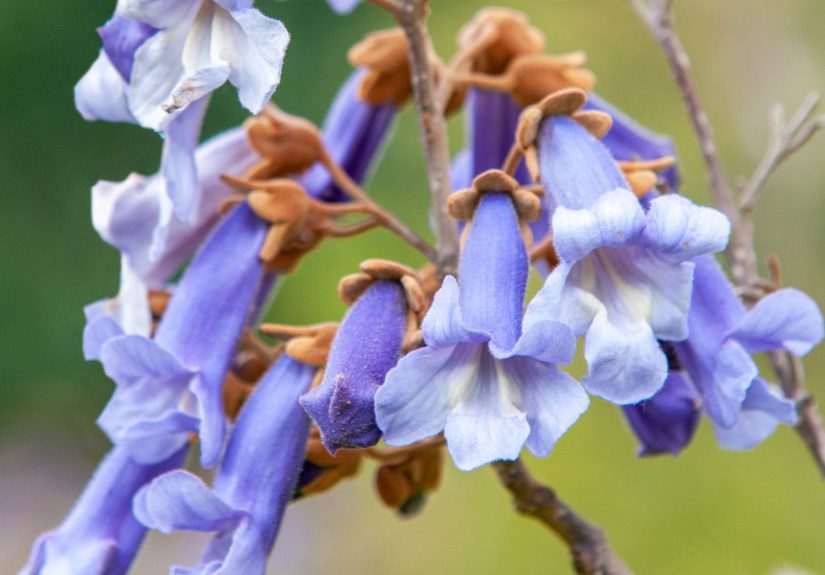
- Spring flowers: Violet-to-lavender trumpet blooms that look like something out of a fairy tale.
- Big-leaf drama: Leaves the size of dinner plates (or small satellite dishes, depending on your luck).
Here’s the catch: fast growth + prolific seeding + aggressive resprouting is the invasive species “triple threat.”
In other words: it’s the kind of plant that hears “please stay in your lane” and responds, “No thanks, I’m expanding my empire.”
Why the Empress Tree Is a Problem (and How It Becomes Invasive)
In many regionsespecially across portions of the East and parts of the Midwestempress tree has a habit of escaping
yards and colonizing disturbed areas like roadsides, streambanks, forest edges, construction sites, and burned or damaged woods.
It’s not usually marching into deep shade and thriving like a supervillain in a bunker. It’s more like a pioneer species with
a megaphone: give it sunlight and disturbed soil, and it starts handing out business cards.
The invasive “superpowers” that make it hard to control
1) It makes a ridiculous number of seeds. The seeds are tiny, winged, and built for wind dispersal.
That means you might remove one tree and still find seedlings popping up like unsolicited email subscriptions.
2) It loves disturbed ground. If your property has bare soil, a slope, a creek edge, a recently cleared area,
or anything that looks like “nature’s construction zone,” empress tree considers that a luxury condo development opportunity.
3) It resprouts like it’s being paid per comeback. Cut it down and it can respond with stump sprouts and root suckers
sometimes far from the original trunk. This is why a simple cut-and-walk-away approach often turns into “I thought I killed you?”
in six weeks.
How to Identify an Empress (Princess) Tree Without Guessing
Correct ID matters. You don’t want to remove a harmless native look-alike because you panic-googled “big leaves purple flowers tree”
at 11:48 p.m. Here’s what to look for through the seasons.
Spring: the flower show
- Blooms: Clusters of pale violet/lavender, trumpet-shaped flowers.
- Timing: Flowers often appear before the leaves fully emerge, which makes the display extra noticeable.
- Scent: Sweet fragrance that can trick you into thinking, “Surely this tree is innocent.”
Summer: the leaf parade
- Leaves: Very large, heart-shaped to broadly oval, often fuzzy (especially underneath).
- Arrangement: Leaves are typically opposite (paired) on the stem.
- Shade effect: Dense canopy can suppress what grows beneath it.
Fall and winter: the “capsule clue”
- Seed capsules: Brown, egg-shaped capsules that can persist into winter.
- What happens next: Capsules split and release loads of tiny winged seeds.
Still unsure? Your local county Extension office (or a reputable state invasive species program) can help confirm identification.
It’s worth checkingespecially if your state restricts sale or planting.
Should You Avoid Planting It? (Yes. And Here’s the Practical Reason)
Even if you’ve heard rumors like “it grows fast” or “it’s great for timber,” the real-world landscaping version often goes like this:
fast growth leads to brittle wood and messy maintenance, the tree self-seeds into places you don’t want it, and removal is harder than it looks.
Plus, several states list it as invasive and/or regulate it.
A smart rule of thumb: if a plant regularly shows up on invasive species lists, don’t be the person who “tests it out” in their backyard.
Nature has enough group projects already.
Okay, I Already Have One. What Now?
If you already have an empress tree, your best move depends on:
the tree’s size, its location (especially near natural areas), whether it’s producing seed capsules, and what you can realistically manage.
When removal is the responsible choice
- It’s near woods, stream corridors, or a natural area where seedlings can spread.
- You’re seeing seedlings on your property (or your neighbors are).
- It’s resprouting aggressively after pruning or storm damage.
- You live somewhere it’s restricted or listed as invasive.
When people hesitate
Most folks hesitate because the tree is tall, the flowers are pretty, and removal feels intimidating.
Fair. But think of this like cleaning out a garage: you can admire a thing and still admit it’s causing chaos.
How to Get Rid of an Empress Tree: The Methods That Actually Work
Let’s be real: you can’t “manifest” this tree out of existence. You need a plan, and the plan should match the size of the problem.
Below are control approaches used by land managers and Extension programs. Always follow product labels, local regulations, and safety guidelines
and when in doubt, call a professional arborist or invasive plant contractor.
Step 0: Safety and sanity checks
- Big tree? If it’s near power lines, structures, or could hit anything you care about, hire a pro.
- Wear protection: Gloves, eye protection, sturdy boots. You’re not auditioning for “Barefoot Chainsaw Adventures.”
- Timing matters: Aim to prevent seed production when possible, and plan follow-up monitoring for sprouts.
Scenario 1: Seedlings (the “easy mode,” if you act fast)
If you’ve got small seedlings, remove them as early as possible. Hand pulling is often effectiveespecially after rain when soil is loose.
The key is getting the whole root, because fragments can resprout. Put pulled plants in yard waste bags if your area accepts them,
or dispose of them according to local guidance (avoid tossing seed-bearing material into open compost piles).
Scenario 2: Saplings and small trees (mechanical + persistence)
For young trees, repeated cutting can exhaust the plant over time, but it often resprouts.
If you’re going chemical-free, be prepared for a multi-round situation:
- Cut low to the ground.
- Return regularly to cut new sprouts before they can rebuild energy reserves.
- Replant with competitive, desirable vegetation (native shrubs/trees) so bare soil isn’t an open invitation.
In landscapes where regrowth is relentless, many management programs recommend combining cutting with targeted herbicide application
(for example, cut-stump treatments) to kill the root system and reduce resprouting. If you choose this route, follow label directions and consider professional help.
Scenario 3: Mature trees (the “boss level”)
Mature empress trees are usually controlled with an integrated approach: cutting (or girdling) plus a treatment designed to stop resprouting.
Here are the most common methods professionals use.
Cut-stump treatment (popular for a reason)
The idea is simple: cut the tree near ground level and treat the fresh stump promptly so the plant can’t funnel stored energy into new shoots.
This method is especially helpful when you want to avoid spraying foliage near desirable plants.
- Best practice: Treat the stump as soon as possible after cutting.
- Focus area: Many protocols emphasize the outer ring of the stump (where living tissues actively move resources).
- Follow-up: Monitor for root suckers and stump sprouts in the months that follow.
Hack-and-squirt (also called injection or frilling)
This technique involves making spaced cuts into the bark/cambium and applying an appropriate herbicide into the cuts.
It’s often used when you don’t want to fell the tree immediately or when access is tricky. It still requires careful label compliance and safety precautions.
Basal bark treatment (for certain sizes and situations)
Basal bark applications target the lower trunk, typically using an herbicide mixed with a carrier designed for bark penetration.
It’s frequently used for smaller diameter stems. Again: label directions and local rules are the boss here.
What about stump grinding?
Grinding removes the stump, but it doesn’t guarantee the roots won’t send up suckersespecially if the tree already has an established root system
and a history of resprouting. Stump grinding can be part of a plan, but it’s not always a one-and-done solution. Expect to patrol for shoots afterward.
Don’t Accidentally Re-Plant It: Disposal and Cleanup Tips
Removing the tree is only half the job. The other half is making sure you don’t spread it while “cleaning up.”
Smarter cleanup habits
- Handle seed capsules carefully: If capsules are present, bag them so seeds don’t scatter.
- Don’t share “free firewood” casually: Moving plant material can spread seeds or sprouts (and can violate local rules in some places).
- Know your yard waste rules: Some municipalities have specific guidance for invasive plants.
- Replant intentionally: Fill the gap with native or non-invasive plants to reduce disturbed-soil opportunities.
Preventing the Comeback Tour: Follow-Up Is Not Optional
With empress tree, follow-up is where most people winor lose. The tree’s whole strategy is “survive disturbance.”
Cutting is disturbance. So after removal:
- Scout regularly: Look for sprouts around the stump area and root suckers farther out.
- Act fast: Small shoots are easier to control than established regrowth.
- Reduce bare soil: Mulch and plant desirable species to outcompete new seedlings.
- Watch edges: Driveways, fence lines, creek banks, and recently disturbed zones are prime seedling territory.
Native Alternatives That Won’t Try to Take Over Your Zip Code
If you loved the empress tree for its flowers or “instant impact,” you’ve got better options that won’t create an invasive headache.
These choices provide beauty, habitat value, and fewer regret-fueled Saturdays:
Great replacements for ornamental impact
- Eastern redbud (Cercis canadensis): Showy spring blooms, manageable size, pollinator-friendly.
- Flowering dogwood (Cornus florida): Iconic spring display and wildlife value.
- Serviceberry (Amelanchier spp.): Flowers, berries, and fall colortriple win.
- Pawpaw (Asimina triloba): Unique look, native, and yes, edible fruit (if you’re into that).
- Sweetbay magnolia (Magnolia virginiana): Fragrant flowers and an elegant vibe.
- Carolina silverbell (Halesia tetraptera): Spring flowers that feel special without being invasive.
Bonus: native trees and shrubs typically support local insects and birds far better than many invasives do, which means your yard can look good
and function like an ecosystem instead of a botanical soap opera.
Quick FAQ: Empress Tree Removal Questions People Actually Ask
“Can I just keep it and cut off the seed pods?”
You can reduce seed spread by removing capsules, but it’s not foolproof, and resprouting/regrowth issues remain. If it’s near natural areas,
removal is usually the more responsible call.
“Is it invasive everywhere in the U.S.?”
Invasiveness varies by region, but it’s widely recognized as a problematic invader in many eastern states and is regulated in some places.
Check your state’s invasive plant list or Extension resources for local status.
“What’s the fastest way to kill it?”
For established trees, integrated management (cutting plus a targeted method to prevent resprouting) is commonly recommended by agencies and land managers.
The “fastest” option is usually hiring a qualified professionalespecially for mature trees.
“Will wildlife miss it?”
Replacing it with natives typically benefits wildlife more over the long term. Think of it as upgrading from “pretty but problematic”
to “pretty and helpful.”
Conclusion: Keep the Flowers, Skip the Invasion
The empress tree is a classic case of “looks amazing on the brochure.” Those purple flowers and giant leaves can be genuinely gorgeous.
But once you zoom outseed spread, disturbed-area invasion, persistent resprouting, and potential legal restrictionsit’s usually not worth the hassle.
If you don’t have one: avoid planting it. If you do have one: make a removal plan that matches the tree’s size and your site conditions,
then commit to follow-up. And if you want that ornamental wow factor, choose a native alternative that won’t try to crown itself ruler of your neighborhood.
Field Notes: Experiences from the Empress Tree Trenches (Aka, “How I Learned to Respect a Stump”)
I’ve seen a lot of invasive plant situations, but the empress tree has a special talent: it convinces people they’re done… right before it returns.
The first time I watched someone “remove” one, it looked clean and simple. Tree came down, stump got cut low, everyone high-fived, somebody said,
“That wasn’t so bad!” Six weeks later, the stump looked like it had grown a green mustache. Another month after that, the mustache had cousins.
The most common storyline goes like this: a homeowner buys a house with a mature empress tree in the corner of the yard. In spring, it blooms and wins hearts.
By summer, they notice seedlings in the mulch bed. By fall, they find seedlings in the crack next to the driveway. By the next spring, a few are
mysteriously “living their best life” along the fence line where the mower can’t reach. The tree hasn’t technically moved… but it has definitely
expanded its influence like a charismatic cult leader.
One memorable case was a property next to a wooded slope. The owners didn’t plant the empress treenature delivered it for free, courtesy of wind-blown seeds.
After a small clearing project, the slope turned into a perfect disturbed-soil buffet. Within a season, empress seedlings showed up in clusters.
The owners tried mowing, but the slope made mowing awkward and inconsistent. The result? The seedlings that got clipped came back bushier. The seedlings
that didn’t get clipped became saplings. And the saplings started producing that “I’m going to be a problem” energy. The lesson wasn’t that mowing is useless;
it was that half-measures and invasives don’t mix. If you’re doing mechanical control, you have to be relentless and strategicespecially in hard-to-access areas.
Another lesson: timing changes everything. Cutting a tree after it’s already dropped (or is about to drop) seed capsules can turn removal day into
“release the confetti.” I’ve watched people drag branches with capsules across the yard, unknowingly sprinkling seeds like they’re seasoning a cast-iron skillet.
Cleanup matters. Bag the capsule-heavy material. Don’t toss it into an open brush pile where it can dry out, split, and distribute seeds on a windy afternoon.
Invasive plants are opportunists; they don’t need you to be a villainjust a little careless.
And finally: replanting is not just a nice finishing touchit’s part of control. The best success stories I’ve seen didn’t end with “tree removed.”
They ended with “tree removed, stump monitored, and the site replanted with something that holds ground and crowds out seedlings.”
People who replaced the empress tree with natives like redbud, serviceberry, or dogwood weren’t just making the yard prettier.
They were closing the door that invasives love to sneak through: bare, sunny, disturbed soil.
The empress tree is beatable. You just have to treat it like a persistent opponent instead of a one-time chore. Plan it, remove it properly,
watch for sprouts, and thenthis is the satisfying partfill the space with plants that make your yard feel alive in the best way.