Table of Contents >> Show >> Hide
- What Is Nostalgia Decor, Exactly?
- Why We’re Craving Comfort-First Interiors
- Key Elements of Nostalgia Decor
- Popular Nostalgia Decor Styles (and How They Differ)
- How to Bring Nostalgia Decor Into Your Home (Without Turning It into a Museum)
- Is Nostalgia Decor Sustainable?
- Who Is Nostalgia Decor For?
- Common Mistakes to Avoid with Nostalgia Decor
- Real-Life Experiences: How Nostalgia Decor Feels in Everyday Life
- Conclusion: A Trend That’s Meant to Last
If you’ve ever walked into a room and thought, “Wow, this feels like my grandma’s house… but somehow cooler,”
you’ve already met nostalgia decor. This viral design trend isn’t just about recreating the past; it’s about
borrowing the coziest pieces of it and wrapping your present-day home in them like a favorite old blanket.
From TikTok tours of “cool grandma” apartments to magazine spreads filled with chintz, brown wood, and vintage
glassware, nostalgia decor has officially moved from niche aesthetic to mainstream design movement. It’s showing
up in trend lists right alongside dopamine decor, granny chic, and grandmillennial styleand the common denominator
is simple: comfort first, aesthetics second.
What Is Nostalgia Decor, Exactly?
Nostalgia decor is an interior design approach that uses objects, colors, furniture, and styling cues from past
decades to create an emotionally comforting, highly personal home. Think of it as decorating with your memories.
Instead of chasing whatever’s currently trending on social media, you decorate with the things that make you
sigh out loud and say, “This feels like home.”
Recent design coverage describes nostalgic interiors as spaces layered with familiar patterns, vintage pieces,
worn-in wood, and sentimental objects that tell a story. Rather than minimal, gallery-like rooms, nostalgia decor
leans into lived-in charm: books, framed family photos, patterned upholstery, retro lamps, and collections that
look like they’ve been curated over years, not two-day shipping.
Importantly, nostalgia decor doesn’t have to be historically accurate. You don’t need a perfectly preserved
1970s living room. Instead, you cherry-pick: maybe it’s your parents’ mauve walls, your grandma’s floral sofa,
your own 2000s movie posters, and that quirky lamp you found at a thrift store that somehow “feels like childhood.”
Why We’re Craving Comfort-First Interiors
It’s not a coincidence that nostalgia decor is trending during a time of constant change, economic stress, and
digital overload. When the world outside feels unpredictable, people instinctively turn their homes into emotional
safe zones. Interior designers and trend forecasters note that the “comfort-first” mindset is the engine behind
everything from cozy brown color palettes to granny chic to the explosion of dopamine decorspaces intentionally
designed to boost mood and lower anxiety.
Nostalgic design taps into that same desire for comfort, but with an extra emotional layer. A chintz curtain or
faded quilt doesn’t just look soft; it reminds you of a person, a time, or a place. That memory can be more
soothing than any perfectly styled, beige minimalist living room. It’s why we’re seeing:
- Granny chic and grandmacore: Florals, lace, doilies, embroidered cushions, and dark wood that feel like a warm hug.
- Retro revivals: 60s and 70s furniture, curved silhouettes, and bold colors making a comeback.
- Dopamine decor: Joyful, personality-packed rooms that put feeling good above following rules.
Instead of styling your home to impress strangers, nostalgia decor invites you to style it to comfort yourself.
Key Elements of Nostalgia Decor
1. Sentimental Objects on Full Display
Nostalgia decor starts with things you already own: your grandparent’s china, a childhood teddy bear, that stack
of old magazines you won’t throw away, or the ceramic rooster you secretly love. Instead of hiding them in a box,
you give them a place of honoron a shelf, in a gallery wall, or styled on a sideboard.
The goal is not perfection; it’s storytelling. A slightly chipped vase filled with fresh flowers can say more about
your life than a brand-new, generic decor object ever will.
2. Vintage and Retro Furniture
Nostalgic interiors often feature vintage or vintage-inspired furniture: sturdy wooden dressers, curvy armchairs,
scalloped lampshades, and upholstered sofas in florals or stripes. Designers point out that these pieces add visual
depth and a sense of history to a room, especially when paired with more modern items.
You might see:
- Mid-century modern coffee tables next to floral, grandma-style sofas.
- Ornate wooden headboards softened with crisp new bedding.
- Retro dining chairs around a sleek, contemporary table.
3. Cozy Color Palettes
While nostalgia decor can absolutely be colorful, its palette usually leans warm and inviting rather than icy and
ultra-modern. Browns, creams, mauves, mossy greens, mustard, and terracotta all play nicely in this trend.
These shades are a gentle rebellion against the all-white, hyper-minimal interiors that dominated Instagram for
years. Instead of “crisp and clean,” the target is “soft and safe.”
4. Pattern Play: Florals, Checks, and Chintz
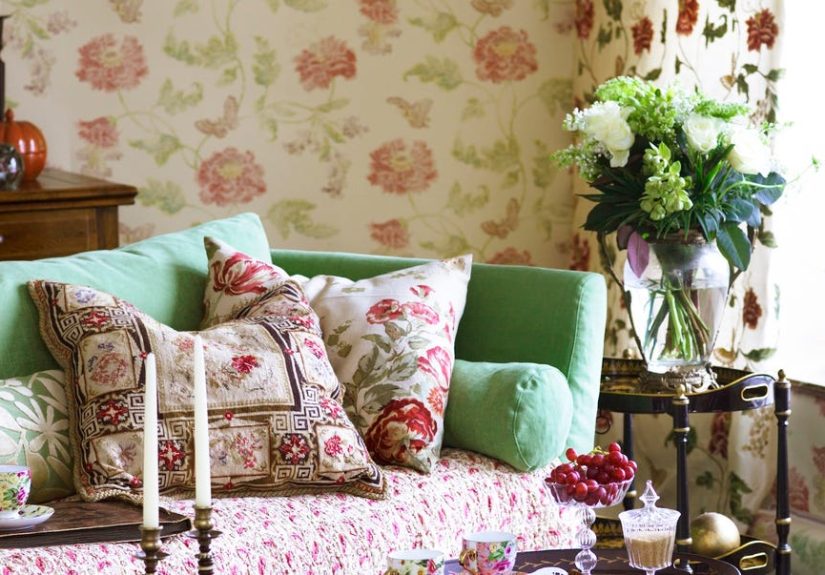
Nostalgia decor fully embraces patternespecially the ones that used to be considered “old-fashioned.” Think
chintz curtains, ditsy florals, toile wallpaper, plaid throws, or harlequin tiles. Designers often mix these patterns
in a loose, relaxed way: a floral sofa, striped pillows, and a checked rug can all happily coexist in a
nostalgia-driven living room.
The trick is to keep the color story cohesive so the space feels intentional, not chaotic.
5. Layering and “Curated Clutter”
If minimalism is all about empty surfaces, nostalgia decor is about layered ones. Stacks of books on the coffee
table, framed photos on the piano, candleholders on the mantle, a quilt folded over the arm of a sofathese layers
create a sense of life being actively lived in the space.
It’s not about mess; it’s about curated clutter. You edit just enough so the room feels collected, not chaotic.
Popular Nostalgia Decor Styles (and How They Differ)
Granny Chic / Grandmacore / Cool Grandma
This cluster of styles (sometimes called grandma chic or grandmacore) is all about leaning into the cozy charm
of traditional decor: ruffled curtains, embroidered linens, vintage floral china, dark woods, and decorative
“knickknacks” that once felt dated but now feel endearingly stylish.
The updated version, often dubbed the “cool grandma aesthetic,” balances those vintage pieces with clean-lined
lighting, modern art, or fresh paint colors so the house feels charming, not stuffy.
Retro 60s–70s and 80s–90s Throwbacks
For some people, nostalgia decor means leaning into the era that shaped their childhood or the movies they love:
- 60s–70s: Curved sofas, low-slung seating, warm wood paneling, shaggy rugs, and burnt orange or avocado green.
- 80s–90s: Mauve, teal, glass block, brass details, patterned sofas, and family-room energy straight out of classic sitcoms.
- Early 2000s rom-com: Eclectic living rooms, overstuffed bookshelves, warm lamps, and everything just a little bit cluttered in the best way.
Dopamine Decor with a Nostalgic Twist
Dopamine decor focuses on creating “feel-good” rooms through joyful color, playful objects, and personal touches.
When you combine dopamine decor with nostalgia, you get bold colors and whimsical items that also trigger specific
memories: framed posters from your teen years, band T-shirts hung as art, thrifted toys displayed on a shelf, or
funky lamps that look like they came from your childhood bedroom.
The result is unapologetically personaland that’s the whole point.
How to Bring Nostalgia Decor Into Your Home (Without Turning It into a Museum)
1. Start with One “Memory Anchor”
Choose a single item that feels deeply nostalgic: grandma’s quilt, a vintage mirror, a retro lamp, or even a set
of mismatched mugs. Style your room around that object:
- Pull colors from it for your pillows, rug, or artwork.
- Echo its era with one or two supporting pieces (a vintage side table, an old radio).
- Keep the rest of the room relatively simple so the anchor stands out.
2. Mix Old and New Intentionally
To keep your home from feeling like a set from a period film, pair vintage and nostalgic items with clean, modern
pieces. A classic example:
- Vintage wooden dresser + modern round mirror + contemporary lamp.
- Floral sofa + sleek coffee table + minimalist floor lamp.
- Grandma-style dining chairs + simple, modern table + updated pendant lighting.
This mix stops nostalgia decor from tipping into costume territory.
3. Layer Textiles for Instant Comfort
If you want fast, low-commitment nostalgia, textiles are your best friend. Think:
- Patchwork or crocheted blankets.
- Needlepoint or embroidered pillows.
- Lace table runners or doilies layered over more contemporary surfaces.
- Patterned curtains instead of plain white panels.
Textiles are easy to switch out seasonally or as your taste evolves, which keeps the look flexible.
4. Build a Nostalgic Gallery Wall
Combine family photos, vintage art, old postcards, kid drawings, and thrifted frames to create a wall that feels
like a visual timeline of your life. Mix black-and-white photos with color prints, and don’t worry about everything
matching perfectlythe charm is in the variety.
5. Edit Your “Clutter” Like a Stylist
Nostalgia decor might be layered, but it doesn’t mean every surface needs to be jam-packed. To avoid overwhelm:
- Display items in small, themed groups (three to five pieces) instead of scattering them randomly.
- Leave some breathing room on shelves and tables.
- Rotate nostalgic pieces seasonally so you can enjoy more of them without crowding your space.
Is Nostalgia Decor Sustainable?
One of the underrated perks of nostalgia decor is how naturally it aligns with more sustainable decorating habits.
Because the trend celebrates vintage and inherited pieces, it encourages:
- Reusing family furniture instead of buying everything new.
- Thrifting and antiquing for decor items with character.
- Repairing, refinishing, or reupholstering instead of replacing.
Instead of chasing disposable decor hauls, nostalgia decor nudges you to keep what you love and slowly add pieces
with real staying poweremotionally and physically.
Who Is Nostalgia Decor For?
Short answer: almost everyone. But it’s especially appealing if you:
- Love the idea of your home telling your story.
- Feel bored with minimalist everything and want more warmth.
- Are a renter who can’t renovate but can absolutely hang art, swap textiles, and style shelves.
- Have inherited items you don’t know how to usebut can’t bear to give away.
You don’t need a large home or a big budget. A single nostalgic cornera reading chair by a lamp that reminds you
of your grandpa, plus a small bookshelf and a framed photocan be enough to anchor an entire apartment emotionally.
Common Mistakes to Avoid with Nostalgia Decor
1. Going All-In on One Era
Unless you’re intentionally creating a time-capsule room, decorating strictly in one decade can feel heavy-handed.
Mixing elements from different periods tends to feel more natural and less theme-park.
2. Forgetting Function
Comfort is more than aestheticsit’s also about how the room works. That vintage armchair might look charming,
but if you can’t sit in it for more than five minutes, it’s not living up to the “comfort-based” part of the trend.
3. Ignoring Lighting
Warm, layered lighting is crucial for nostalgic spaces. Table lamps, floor lamps, and even old-school shaded
ceiling fixtures create a gentle glow that instantly softens the room and enhances all those vintage textures.
4. Keeping Everything “Just for Show”
Nostalgia decor should be used, not just admired. Eat off the vintage plates. Use the embroidered napkins.
Read the old books. The more you interact with your nostalgic items, the more meaningful they become.
Real-Life Experiences: How Nostalgia Decor Feels in Everyday Life
To understand why this comfort-based trend resonates so deeply, it helps to look at how people actually experience
nostalgia decor in their day-to-day lives. Behind every styled photo is a real person walking through their home,
touching those objects, and feeling something shift emotionally.
A Living Room That Feels Like a Hug
Imagine someone who grew up visiting their grandparents every Sunday. Their grandparents’ house smelled like coffee
and lemon polish, with lace curtains in the kitchen and a floral sofa in the living room. Years later, that person
finds themselves in a small apartment, scrolling through photos of minimalist white interiors that look nicebut
don’t feel like them.
One weekend, they visit a thrift store and stumble on a floral armchair that looks suspiciously like the one
from those childhood Sundays. On a whim, they bring it home, add a crocheted throw, print out a black-and-white
photo of their grandparents, and pop a lamp with a pleated shade next to it.
The chair isn’t expensive and the styling isn’t fancy, but suddenly that corner becomes their favorite place in
the entire home. They read there, drink their morning coffee there, and call family from that spot. That is
nostalgia decor in action: not just pretty, but deeply grounding.
The “Cool Grandma” Kitchen Makeover
Another example: a small, modern kitchen that feels cold and generic. The owner loves cooking and remembers the
warmth of their grandmother’s kitchenpatterned curtains, a crowded fridge, and a table always half-covered in
baking projects. They don’t have space for a full renovation, but they can tweak the mood:
- They replace plain white curtains with a cheerful floral pattern.
- They hang a vintage clock and a framed recipe card written in their grandma’s handwriting.
- They display a row of old mixing bowls and a set of retro glasses on an open shelf.
- The fridge becomes a collage of photos, magnets from past trips, and kids’ drawings.
Functionally, nothing major has changed. But emotionally, the kitchen now feels like a living, breathing part of
their personal history. They cook more. Friends comment on how “homey” it feels. It becomes the heart of the home,
not just a room with appliances.
Nostalgia Decor as a Stress Buffer
For many people, nostalgia decor also acts as a quiet form of self-care. After a long day, walking into a bedroom
with a quilt that reminds you of childhood sleepovers, a lamp softly lighting framed family photos, and a stack
of well-loved books can instantly bring your nervous system down a notch.
Even small gesturesa vintage mug for your nightly tea, a thrifted bedside table that mirrors your parents’ old
one, a scented candle that smells like the holidays you grew up withcan anchor you in something familiar when
everything else feels fast and uncertain.
That’s the real power of nostalgia decor: yes, it’s visually appealing and very on-trend. But more importantly,
it turns your home into a personal comfort zone, lined with quiet reminders that you’ve made it through every
previous chapter of your lifeand you’re allowed to celebrate them in your space.
Conclusion: A Trend That’s Meant to Last
Nostalgia decor might be going viral right now, but its foundation is timeless: surrounding yourself with things
that mean something, arranged in a way that makes you feel safe, cozy, and understood. Instead of chasing the next
big trend, you’re curating a home that’s uniquely yourspart memory, part present, and fully grounded in comfort.
Whether you lean granny chic, retro 70s, or early-2000s rom-com cozy, nostalgia decor gives you permission to
decorate with your heart, not just your Pinterest board. And in a world that often feels anything but comforting,
that might be the most valuable design trend of all.