Table of Contents >> Show >> Hide
- What Exactly Is Bärenjäger?
- What Does Bärenjäger Taste Like?
- What Is Bärenjäger Made From?
- Where Did Bärenjäger Come From?
- How Is Bärenjäger Different From Honey Whiskey?
- How Do You Drink Bärenjäger Honey Liqueur?
- Best Flavor Pairings for Bärenjäger
- Why Bartenders and Home Drinkers Keep Reaching for It
- Is Bärenjäger Very Sweet?
- Is Bärenjäger Worth Buying?
- Final Thoughts
- Experiences Related to Bärenjäger Honey Liqueur
If your first reaction to Bärenjäger is, “That bottle name looks like it could either be delicious or summon a medieval forest spirit,” you are not alone. Thankfully, it leans delicious. Bärenjäger is a German honey liqueur with a rich golden color, a sweet honey-forward flavor, and enough spice and warmth to keep it from tasting like a dessert topping that wandered into the liquor cabinet by accident.
For drinkers who love whiskey honey products, herbal liqueurs, dessert spirits, or cocktail ingredients that pull double duty, Bärenjäger sits in a particularly fun corner of the bar. It is sweet but not one-note, historical but still practical, and versatile enough to go from a winter hot toddy to a summer citrus cocktail without looking confused.
So what is Bärenjäger honey liqueur, exactly? Where did it come from, what does it taste like, and what do you actually do with it once the bottle is open? Let’s get into the sticky, spicy, pleasantly boozy details.
What Exactly Is Bärenjäger?
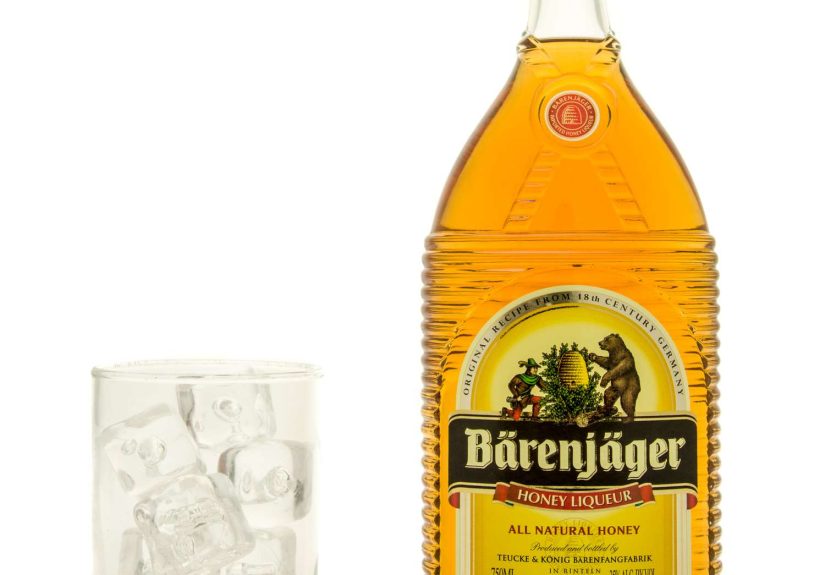
Bärenjäger is a German honey liqueur made with real honey and bottled at 35% ABV, which gives it more backbone than many people expect from a sweet liqueur. In plain English, it is not just honey syrup with a buzz. It is a full-strength flavored spirit with a round, smooth body and a distinct personality.
The name translates to “bear hunter”, which is dramatic enough to earn points before you even pour a glass. Historically, Bärenjäger is tied to the older German concept of bärenfang, or “bear trap,” a honey-based spirit linked to the old story that sweetened alcohol was used to lure bears. Whether that image makes you think of rugged hunters, folklore, or a cartoon bear making terrible life choices, it helps explain why the brand has such a memorable identity.
Today, Bärenjäger is best understood as a classic honey liqueur rather than a novelty bottle. It is often used by bartenders and home drinkers who want the floral depth of honey with a little spice, texture, and alcohol built in.
What Does Bärenjäger Taste Like?
Honey First, But Not Honey Only
The first thing you notice is the honey. That may sound obvious, but with flavored spirits, “obvious” and “authentic” are not always the same thing. Bärenjäger usually comes across as having a real, rounded honey flavor instead of a candy-like imitation. It is sweet, yes, but the sweetness tends to feel rich and silky rather than flat.
Beyond the honey, many tasters describe hints of warm spice, flowers, citrus peel, and a gentle herbal edge. That mix is what keeps the liqueur interesting. A plain sweet spirit gets boring quickly. Bärenjäger usually does not. It has enough complexity to make you stop mid-sip and think, “Wait, was that clove? Cinnamon? Wildflowers? Am I becoming the kind of person who says wildflowers while holding a glass?”
Texture and Finish
Bärenjäger tends to feel a little richer and fuller in the mouth than a dry spirit because of the honey content. The texture is smooth, slightly viscous, and comforting. The finish usually lingers with honey sweetness, warming alcohol, and a whisper of spice.
That said, it is still 35% ABV. So while it tastes soft, it is not shy. This is part of its charm. Bärenjäger is friendly, but it still knows it is liquor.
What Is Bärenjäger Made From?
The original Bärenjäger expression is generally described as being made from neutral grain spirit, real honey, and natural flavorings. The exact recipe is proprietary, which is very on-brand for liqueurs. If they told everyone everything, half the mystique would evaporate before happy hour.
One of the most notable details associated with the product is the amount of honey in the bottle. Brand and retailer descriptions commonly highlight that a 750-milliliter bottle contains a substantial amount of real honey, which helps explain both the viscosity and the depth of flavor.
That production approach matters. Because the base is a neutral spirit rather than whiskey, rum, or brandy, the honey remains the star. The supporting flavors do not have to fight through heavy oak, smoke, or grain notes. The result is a liqueur that tastes focused, polished, and easy to use in drinks that need sweetness without becoming syrupy chaos.
Where Did Bärenjäger Come From?
Bärenjäger traces its identity to Germany and to an 18th-century recipe tradition. The popular backstory is part history, part legend, and entirely memorable: hunters used a honeyed spirit as bait for bears, and the drink eventually became known as a “bear hunter” liqueur.
That old-world narrative still shapes the brand today. Unlike trendy flavored bottles that appear overnight wearing a flashy label and a vague promise of “bold flavor,” Bärenjäger carries a sense of heritage. It feels like a product with roots, rituals, and a reason for existing beyond looking good in an Instagram shelfie.
Modern descriptions of the liqueur also frame it as a bridge between traditional European honey spirits and contemporary cocktail culture. That is part of why it still has shelf appeal. Bärenjäger is historical enough for enthusiasts and practical enough for people who just want something tasty to pour into a mug of hot tea on a cold night.
How Is Bärenjäger Different From Honey Whiskey?
This is where plenty of shoppers get tripped up. Bärenjäger is not the same thing as honey whiskey. Honey whiskey products are usually whiskey-based, which means their flavor profile starts with bourbon, Tennessee whiskey, or another whiskey style and then layers honey on top.
Bärenjäger’s original expression, by contrast, is a honey liqueur built on neutral spirit. That makes it cleaner, brighter, and often more overtly honey-forward than whiskey-based alternatives. If you want the honey to be the headliner rather than the opening act, Bärenjäger usually delivers that more directly.
There is also a separate Bärenjäger Honey Bourbon expression on the market, but that is a different bottle and a different drinking experience. When people talk about classic Bärenjäger, they usually mean the original honey liqueur.
Also worth noting: despite the similar ending in the name, Bärenjäger is not Jägermeister with a bee problem. The two are different products with very different flavor profiles.
How Do You Drink Bärenjäger Honey Liqueur?
1. Neat or On the Rocks
If you enjoy sweeter after-dinner pours, Bärenjäger can work well neat, lightly chilled, or over ice. Ice helps open up the aroma and tame the thickness a little. Neat, it feels richer and more dessert-like. Over ice, it becomes a bit more relaxed and easier to sip slowly.
2. In Hot Drinks
This is one of Bärenjäger’s best use cases. It is a natural fit in a hot toddy, warm tea, hot water with lemon, or even coffee. Honey and heat already get along famously, so the liqueur does not have to force the chemistry. It just shows up and acts like it owns the place.
3. In Citrus Cocktails
Bärenjäger pairs especially well with lemon and orange. That is why it works in drinks inspired by the Bee’s Knees, whiskey sours, spiked lemonade, and similar citrus-forward cocktails. The honey smooths out acidity while the liqueur’s spice gives the drink more depth than plain honey syrup.
4. With Whiskey or Bourbon
Whiskey and honey are old friends, and Bärenjäger gets along with both bourbon and Irish whiskey particularly well. It can add sweetness to a sour, soften a spirit-forward drink, or play backup in a more experimental cocktail with bitters, ginger, or tea.
5. In Desserts and Cooking
Because it behaves a bit like a boozy honey substitute, Bärenjäger can also be used in small amounts in desserts, glazes, fruit toppings, and sauces. A drizzle over vanilla ice cream, poached fruit, pancakes, or a simple tart can work beautifully. The key is restraint. You want “elegant honey accent,” not “my dessert is now trying to start a conversation.”
Best Flavor Pairings for Bärenjäger
If you want to experiment, these pairings tend to make the most sense:
- Citrus: lemon, orange, grapefruit
- Tea and coffee: black tea, herbal tea, cold brew, hot coffee
- Whiskey: bourbon, rye, Irish whiskey
- Fruit: apples, peaches, berries, nectarines
- Warm spices: cinnamon, clove, star anise, ginger
- Dessert flavors: vanilla, baked pear, toasted nuts
That range is why Bärenjäger can feel useful instead of niche. It can go cozy, bright, fruity, or dessert-like depending on what you pair it with.
Why Bartenders and Home Drinkers Keep Reaching for It
Bärenjäger has survived changing cocktail trends because it solves a practical problem: it delivers sweetness, texture, and flavor in one pour. Instead of separately adding honey syrup, a spice element, and extra spirit, a bartender can use Bärenjäger to streamline the build while still keeping the drink layered.
For home drinkers, the appeal is even more obvious. It is approachable. It feels special. And it is easier to use than many liqueurs that require half a dozen obscure modifiers before they make sense. A bottle of Bärenjäger can go from a holiday warm drink to a brunch cocktail to an after-dinner sip without demanding a graduate degree in mixology.
Is Bärenjäger Very Sweet?
Yes, but that answer needs an asterisk. Bärenjäger is definitely a sweet liqueur. If you only drink bone-dry martinis or aggressively bitter amari, this may not be your everyday pour. But among sweet liqueurs, it tends to offer more balance than many people expect. The honey, spice, and alcohol warmth keep it from becoming a one-dimensional sugar bomb.
The best way to handle the sweetness is simple: serve it cold, pour it over ice, or pair it with acid, bitterness, or strong base spirits. Lemon juice, tea tannins, coffee bitterness, and whiskey spice all help it shine.
Is Bärenjäger Worth Buying?
If you enjoy honey, dessert-adjacent spirits, or cocktails that benefit from a round, aromatic sweetener, Bärenjäger is easy to recommend. It is especially worth considering if you want something more distinctive than a generic flavored whiskey.
You might like Bärenjäger if:
- you enjoy honey-forward drinks
- you like liqueurs with old-world character
- you make hot toddies, sours, or tea cocktails
- you want a bottle that works for both sipping and mixing
You may want to skip it if:
- you strongly dislike sweet spirits
- you only buy ultra-dry cocktail ingredients
- you are expecting a whiskey-first flavor profile from the original bottle
For the right drinker, though, Bärenjäger is a charming bottle. It has history, a memorable taste, and genuine utility behind the pretty golden glow.
Final Thoughts
So, what is Bärenjäger honey liqueur? It is a classic German honey liqueur with a real-honey backbone, warming spice, and enough strength to work as both a sipper and a cocktail ingredient. It stands out because it tastes like a product with purpose. It is not trying to be everything to everyone. It knows what it is: rich, aromatic, slightly old-fashioned, and a little dramatic in the best possible way.
If your liquor shelf could use something that bridges heritage and hospitality, Bärenjäger earns its spot. Pour it into a winter toddy, shake it with lemon, stir it into tea, or sip it over ice while pretending you are about to tell a legendary story near a campfire. Even if the closest thing to a forest nearby is a houseplant, the vibe still works.
Experiences Related to Bärenjäger Honey Liqueur
In real-world drinking experiences, Bärenjäger tends to surprise people in the same way: they expect something sticky and simple, then discover a liqueur that is sweeter than whiskey but more interesting than plain honey flavoring. The first sip often gets described as smooth, warming, and richer than expected, especially when served slightly chilled. Many people notice that it feels almost comforting, like a cross between a cordial and a cocktail ingredient that accidentally became charismatic.
At home, one of the most common experiences with Bärenjäger is that it starts as a “special occasion” purchase and quickly becomes a “why is this in three different drinks this week?” bottle. Someone buys it for a holiday toddy, then tries it with bourbon and lemon, then splashes it into tea, then wonders whether a spoonful over vanilla ice cream is genius or a cry for help. Usually, it is genius.
It also has a knack for converting people who think honey spirits are all one-note. In tasting situations, drinkers often comment on the floral and spice notes after the initial sweetness. That second wave matters. It makes Bärenjäger feel layered rather than sugary. The texture helps too. Because it has body, it can make cocktails feel fuller and more luxurious, especially in colder months when people naturally gravitate toward cozy flavors.
Socially, Bärenjäger works well because it is a conversation bottle. The name gets attention. The bear-hunter story gets people talking. The honey profile makes it approachable even for drinkers who are not deep into spirits. It is one of those bottles that can sit on a bar cart and earn questions before it earns pours. That is not a bad trick.
In cocktail use, the experience depends on how it is handled. When mixed with citrus, it tends to taste bright and balanced. When paired with tea or hot water, it becomes mellow and soothing. When added to whiskey drinks, it can round out sharp edges and add an almost campfire-friendly softness. But if poured too heavily into an already sweet recipe, it can absolutely take over the room like an overconfident wedding guest. The lesson is simple: Bärenjäger rewards balance.
Another common experience is seasonal rediscovery. Plenty of bottles shine in summer or winter, but Bärenjäger manages to make sense in both. In colder weather, it feels tailor-made for warm mugs, spice, and comfort drinks. In warmer months, it works surprisingly well with lemon, sparkling mixers, and lighter fruit cocktails. That year-round flexibility is part of why people tend to remember it fondly.
For many drinkers, the lasting impression of Bärenjäger is not just that it is sweet, but that it is usable. It is one of those rare liqueurs that can please casual drinkers, spark bartender creativity, and still feel distinctive enough to justify the shelf space. In other words, it is not just a novelty honey bottle with a dramatic German name. It is a genuinely enjoyable spirit with personality, and that is usually what turns a single tasting experience into a repeat purchase.