Table of Contents >> Show >> Hide
- First: Safety and Damage Control (Because Water + Electricity Is a Bad Sitcom)
- Leak Detective 101: When Does It Leak?
- The 60-Second Visual Check (Fixes a Surprising Number of Leaks)
- Common Leak Locations and How to Fix Them
- Oversudsing: The Leak That’s Actually Soap’s Fault
- Plumbing Problems That Look Like Washer Leaks
- When to Call a Pro (And Feel Zero Shame About It)
- Prevention: How to Avoid the Next Laundry Room “Water Feature”
- Conclusion: Your Leak Has a NameNow Give It an Eviction Notice
- Real-World Experiences: The Leak Stories Everyone Eventually Collects (About )
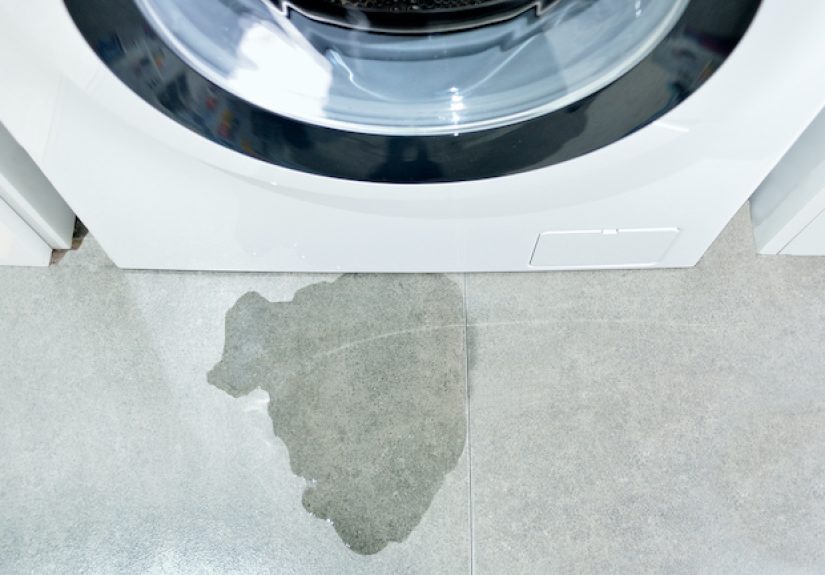
A washing machine leak is the kind of household drama that starts as “Huh, is that… moisture?” and ends as
“Why is my laundry room auditioning to be a kiddie pool?” The good news: most washer leaks come from a
short list of usual suspectshoses, seals, clogs, oversudsing, or a drain setup that’s basically begging to overflow.
The even better news: you can often diagnose the leak in under 10 minutes, with nothing but a flashlight, a towel,
and the courage to move your washer an inch without throwing your back into early retirement.
This guide walks you through a practical, step-by-step leak investigation (with a few laughs, because you deserve them),
explains what you can safely fix yourself, and flags the “call a pro” moments before your floorboards file a complaint.
First: Safety and Damage Control (Because Water + Electricity Is a Bad Sitcom)
- Pause the cycle and unplug the washer (or shut off power at the breaker if access is sketchy).
- Turn off the water supply at the hot/cold valves behind the washer.
- Soak up standing water with towels. If you have a wet/dry vac, this is its time to shine.
- Don’t keep “testing” the leak by running full loads. Do a short rinse/spin test laterafter you’ve checked the basics.
Leak Detective 101: When Does It Leak?
Your washer is basically a water-using robot with predictable habits. The timing of the leak is one of the best clues:
- Leaks during fill (first few minutes): usually inlet hoses, hose washers, or the water inlet valve.
- Leaks during wash/agitation: door seal (front-load), dispenser overflow, or internal hose issues.
- Leaks during drain/spin: drain hose, standpipe overflow, pump/filter clog, or pump housing leak.
- Water appears after the cycle: slow seep from inlet valve, hose connection, or residual door drip on front-loaders.
Quick tip: slide a sheet of cardboard under the front edge of the washer (if it’s safe to do so). Water trails show up clearly,
helping you see whether the leak is coming from the front, center, or back.
The 60-Second Visual Check (Fixes a Surprising Number of Leaks)
1) Check the fill hoses (hot and cold) at the wall and the washer
Look for drips at both ends. Many “mystery leaks” are just loose connections or a missing/damaged rubber washer inside the hose coupling.
Tighten by hand first, then a gentle quarter-turn with pliers if neededdon’t Hulk-tighten and crack something.
- If you see bulges, cracks, or corrosion: replace the hoses (ideally both, even if only one looks guilty).
- Make sure hoses aren’t twisted or kinked when you push the washer back.
2) Give the washer some breathing room
If your washer is jammed tight against the wall, hoses can rub and wear through over time. A little clearance helps prevent friction damage
and makes future checks easier. Think of it as a personal space boundary for appliances.
3) Inspect the drain hose and the standpipe (the “it’s not the washer” plot twist)
During drain/spin, watch the household drain (standpipe or laundry tub). If water backs up and spills over, the washer may be innocent
your home drain could be slow or partially clogged.
- Confirm the drain hose is securely inserted and clamped where appropriate.
- Look for splits, worn spots, or a loose connection at the pump outlet.
- If the standpipe overflows: clear the household drain or call a plumber. A washer can pump out a lot of water fast, and slow drains lose that race.
Common Leak Locations and How to Fix Them
Leak in the back of the washer
Back leaks typically point to hoses, hose washers, installation issues, or a drain setup problem. If the leak appears right after a new install,
double-check that everything that should be removed/connected actually was (washers often ship with protective plugs and packaging).
DIY fixes:
- Tighten hose connections and confirm rubber washers are in place.
- Replace damaged hoses (especially if you see bulging or cracking).
- Check drain height/setup. If your standpipe is too short or your hose isn’t seated correctly, water can splash or backflow.
Leak from the door (front-load washers)
If water is seeping from the front, the door boot seal (that big rubber gasket) is usually the prime suspect. Dirt, pet hair,
and detergent gunk can stop the seal from sealing. Also, tiny itemslike a stray bobby pinlove hiding in there like they pay rent.
DIY fixes:
- Wipe the door seal thoroughly, especially at the bottom fold where grime collects.
- Check for tears or a seal that’s pulled loose from its retaining ring.
- Make sure the door latches properly. A misaligned latch can lead to leaks mid-cycle.
Note: on many front-load washers, a small drip after you open the door can be normalwater can sit in the gasket lip.
It’s only a true leak if it drips while the door is closed and the machine is running.
Leak from the detergent dispenser area
Dispenser leaks are often caused by a drawer that isn’t fully seated, a cracked drawer, clogged channels, or oversudsing that turns your washer into a bubble machine.
DIY fixes:
- Remove and rinse the dispenser drawer to clear gunk and detergent buildup.
- Ensure the drawer closes completely (some models have bulk dispensers that must be fully shut).
- Use HE detergent if your washer calls for it, and measure correctlymore soap does not mean more clean.
Leak from underneath (the “why is it leaking if I can’t see it?” scenario)
Bottom leaks can come from internal hoses, the drain pump, tub-to-pump hose, tub seal, or bearings. Some are easy wins; others are “this repair will teach me new words” situations.
Step 1: Check the pump filter / coin trap (if your washer has one)
Many front-load washers have a service flap near the bottom front that hides a pump filter/coin trap.
Clogs here can cause backups and leaksespecially during draining.
- Place a shallow pan and towels under the flap (water will come outthis is not a drill).
- Open the filter slowly, drain the water, and remove debris (coins, lint, “orphan sock fragments,” etc.).
- Re-seat the filter tightly and run a short test cycle.
Step 2: Inspect the drain pump area
If the pump housing is cracked, a seal is failing, or the pump bearings are worn, the pump can leak. Pumps generally aren’t repairedthey’re replaced.
If you’re comfortable removing a panel and swapping parts, this is a doable DIY for many models.
Step 3: Inspect internal hoses (tub-to-pump and friends)
Internal hoses can loosen or crack over time. Look for wet streaks, mineral trails, or softened rubber near clamps.
If a hose is damaged, replace itdon’t try to “trim and stretch” a torn hose to fit. That’s a temporary victory followed by a surprise encore leak.
Step 4: Consider the tub seal and bearings (advanced level)
A failing tub seal can leak into the bearing area and cause bigger problems. This type of repair often requires major disassembly and is usually
best left to a technician unless you’re experienced and have the right tools (and a weekend you don’t need emotionally).
Oversudsing: The Leak That’s Actually Soap’s Fault
If you see foam escaping, water weeping from odd places, or the washer acting like it’s auditioning for a bubble bath commercial,
you may be using too much detergent or the wrong detergent (especially non-HE in an HE machine). Oversudsing can lead to clogs and overflow issues.
Fix it fast:
- Use less detergent than you think you need (check your manual’s guidance and your detergent label).
- If you have a water softener, you often need even less detergent.
- Run a rinse/spin cycle with no detergent to clear excess suds.
Plumbing Problems That Look Like Washer Leaks
Sometimes the washer is fine and the laundry room plumbing is the real culprit. Two big tells:
- Standpipe overflow during spin/drain: likely a partial clog or slow drain in the household plumbing.
- Leaks at the wall valves: water can drip from shutoff valves or fittings even when the washer is off.
If you see water backing up or spilling from the drain pipe, clearing the drain line (or calling a plumber) is the right move.
Also check nearby faucets, drainpipe joints, and water linessometimes the “washer leak” is just bad timing.
When to Call a Pro (And Feel Zero Shame About It)
- You suspect a tub seal/bearing issue (especially if the washer is noisy, grinding, or shaking abnormally).
- Water is leaking into the base with electrical components or you smell burning.
- The standpipe repeatedly overflows even after basic drain checksthis is a plumbing job.
- The washer is under warranty and DIY repairs may void coverage.
- You’ve tried the basics and the leak persists (especially if it’s getting worse).
Prevention: How to Avoid the Next Laundry Room “Water Feature”
- Replace hoses every 3–5 years (and sooner if you see cracks, corrosion, or bulging).
- Don’t shove the washer against the wall; keep hoses from kinking or rubbing.
- Clean the pump filter/coin trap periodically if your model has one.
- Measure detergent and use HE detergent when required.
- Level the washer; excessive vibration can loosen connections and stress seals.
- Consider a leak alarm or automatic shutoff if your laundry is upstairs or near hardwood floors.
Conclusion: Your Leak Has a NameNow Give It an Eviction Notice
Washer leaks are annoying, but they’re rarely mysterious. Start with the easy wins: hose connections, rubber washers, drain hose placement,
door gasket cleaning, dispenser checks, and detergent discipline. If the leak shows up during drain/spin, pay close attention to the standpipe and pump/filter.
And if the problem points to internal seals, bearings, or recurring plumbing backups, that’s your cue to call in a professional before the leak becomes
a renovation project.
Real-World Experiences: The Leak Stories Everyone Eventually Collects (About )
If you’ve lived with a washing machine long enough, you don’t just do laundryyou develop a relationship with it. Some relationships are healthy.
Others involve you crouching on tile at 11:47 p.m., whispering, “Please stop doing that,” while holding a flashlight like you’re in a low-budget detective movie.
Here are a few very common “washer leak experiences” homeowners and renters run intoand what they usually learn from them.
The “It Was One Tiny Rubber Washer” Moment
This is the classic. You notice a slow drip behind the machine. It’s not dramaticno flooding, no panicjust a steady little “plink… plink… plink…”
that turns into a damp baseboard over a couple days. You assume the hose is failing, start pricing parts, and mentally prepare for appliance surgery.
Then you disconnect the hose and realize the rubber washer inside the coupling is missing, cracked, or flattened like a pancake.
A fifty-cent part (or an extra washer you already have in the install bag) is all it takes to end the leak. The lesson:
before you blame the machine, check the simplest sealing points first.
The “Orphan Sock vs. Drain Pump” Saga
Another crowd favorite: the leak only appears during draining or spinning. You run a cycle, everything seems fine, and thensurprise puddle.
After some investigation, you find the pump filter packed with lint, coins, and what looks suspiciously like the missing half of a sock.
The washer wasn’t leaking because it wanted to; it was leaking because it couldn’t breathe.
Cleaning the coin trap feels grossly satisfying, like unclogging a sink drain, but it often fixes the problem immediately.
The lesson: if your washer has a filter, treat it like a tiny garbage canempty it occasionally before it overflows in the worst way.
The “Too Much Soap Doesn’t Mean Too Much Clean” Reality Check
Many peoplesmart, capable peoplehave poured in extra detergent thinking it’ll get gym clothes “extra fresh.”
What they get instead is oversudsing, foam creeping out of places foam should never be, and a leak that looks like the washer is melting.
The fix is usually boring: use less detergent, switch to HE when needed, and run a rinse/spin to clear the suds.
The lesson: modern washers are efficient. They do not need a bubble bath to function. Your washer is not impressed by your detergent “generosity.”
The “Not a Washer LeakA Standpipe Geyser” Plot Twist
This one hurts because you can do everything “right” and still end up with water on the floor. The washer drains fast,
but the standpipe drains slow. During the spin cycle, you watch the pipe fill like a tiny bathtub and overflow like it’s making a statement.
You tighten hoses, clean seals, and still get water. Then you clear the household drain (or call a plumber), and the “washer leak” vanishes.
The lesson: if water is backing up at the drain, the washer isn’t the villainyour plumbing is.
If any of these stories feel familiar, congrats: you’re officially part of the “I have seen things” club of washer ownership.
The upside is that once you’ve solved one leak, you’ll diagnose the next one twice as fastmostly because you’ll keep a towel,
a flashlight, and a healthy suspicion of “just one extra scoop of detergent” within arm’s reach.