Table of Contents >> Show >> Hide
- First, Confirm You’re Actually Talking About “Elements”
- What a Good Test Video Should Emphasize (Because It Matters)
- How a Water Heater Element Actually Fails (In Real Life)
- Symptoms That Make People Search “Test Water Heater Element” at 2 A.M.
- What “Testing the Element” Means in the Video
- How to Interpret the Results Without Becoming a Full-Time Electrician
- What Happens If the Element Tests Bad?
- Maintenance That Helps Your Elements Live a Longer, Happier Life
- FAQ: Fast Answers for Common “Water Heater Element Test” Questions
- Real-World Experiences: What People Learn the Hard Way (Extra )
- Conclusion: Warm Water, Clear Answers
Few things humble a household faster than an unexpected cold shower. One minute you’re living your best “hot-water-on-demand” life, the next you’re doing the
“polar bear plunge” in your own bathroom. If your home has an electric tank-style water heater, a failing water heater element is a
common culpritespecially when you still get some warm water, but it’s not enough to finish a shampoo-and-conditioner routine without regret.
This guide is designed to pair with a “how-to” style video on testing a water heater element. You’ll learn what the video is showing, what the results
actually mean, and how to tell whether you’re dealing with a heating element issue, a thermostat issue, power supply trouble, or a “this water heater is trying to retire”
situation.
Important safety note: Testing water heater elements involves electrical components and high-voltage power. This article is educationalit explains
what a trained technician is checking and how to interpret the findings. If you’re not experienced with electrical troubleshooting, the safest move is to hire a licensed
plumber or electrician.
First, Confirm You’re Actually Talking About “Elements”
Electric tank vs. gas tank
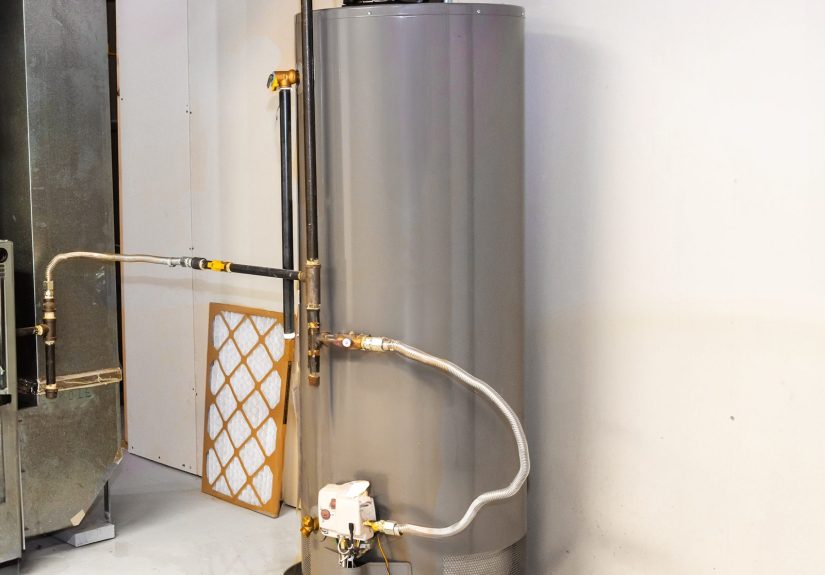
When people say “water heater element,” they’re usually talking about an electric tank water heater. Those units heat water using one or two metal
heating elements threaded into the tank. By contrast, most gas tank heaters heat water using a burner assembly, and troubleshooting looks very different.
(Translation: if your heater has a flue vent and a burner compartment, the “element test” video won’t match your setup.)
Single element vs. dual element
Many standard electric tank heaters use two elements: an upper and a lower. The upper element typically heats the top portion of the tank first (so you get
usable hot water sooner), then the lower element maintains the bulk of the tank’s hot water. That’s why symptoms can feel weirdly specificlike “the first shower is warm,
the second is icy,” or “it’s lukewarm forever.”
What a Good Test Video Should Emphasize (Because It Matters)
1) Safety is not a “small print” moment
A solid video will treat safety like the main character, not a cameo. You’ll typically see the presenter focus on:
- De-energizing the unit and confirming it’s not live before touching internal components
- Working dry (water + electricity is a famously terrible combo)
- Using the right tools in good condition (especially the meter and test leads)
- Knowing when to stop and call a pro
2) The point isn’t “touch two things and hope”
A true element test isn’t guesswork. It’s a simple concept: the element is basically a controlled electrical resistance heater. If it’s intact and isolated correctly, it
behaves predictably. If it’s broken (open circuit) or shorted (including to the tank/ground), it won’t heat properlyand may trip breakers or the high-limit safety.
3) The video should show context, not just the meter screen
The best tutorials explain why you’re testing, what symptoms point to which part, and how to avoid misdiagnosing a thermostat, wiring issue, or power supply
problem as “bad element.” In other words: it’s not just a testit’s electric water heater troubleshooting.
How a Water Heater Element Actually Fails (In Real Life)
Open circuit: the “burned-out toaster coil” vibe
Inside an element is a resistive heating wire. Over time, it can break. When that happens, electricity can’t flow through the element, so it can’t generate heat.
You may see “no hot water” (especially if the upper element fails) or “not enough hot water” (common when the lower fails).
Short or ground fault: when the element misbehaves
Sometimes the element doesn’t just stopit becomes unsafe. If it shorts internally or leaks current to the metal tank, it can trip a breaker or trigger protective devices.
This kind of failure often shows up as “the breaker keeps tripping” or “we reset it and it fails again.”
Sediment: the silent life-shortener
Minerals in water can settle at the bottom of the tank. Over time, sediment can reduce efficiency and create hot spots that stress the element. The heater works harder,
recovery time slows down, and components wear faster. If your heater makes popping or rumbling noises, that can be a clue there’s buildup.
Symptoms That Make People Search “Test Water Heater Element” at 2 A.M.
“No hot water” (electric tank)
For many dual-element heaters, a complete loss of hot water often points to an upper element issue, a power supply issue, or a safety/high-limit trip.
The upper thermostat also plays a key role, so a good diagnostic mindset avoids tunnel vision.
“Lukewarm water” or “runs out fast”
This pattern often makes people suspect the lower element. Why? You might get an initial supply of warm water, but the tank can’t keep up once that top
portion is depleted. If the lower element isn’t heating effectively, your hot water becomes a short-lived luxury item.
Breaker trips or repeated resets
Frequent trips can indicate an electrical fault (including a grounded element), but also loose connections, damaged wiring, or other issues that a qualified technician should
evaluate quickly. Repeatedly resetting without diagnosing is like putting tape over a warning lightbriefly satisfying, rarely wise.
What “Testing the Element” Means in the Video
Most videos demonstrate two core checks that help isolate whether a heating element is healthy:
(1) a resistance/continuity-style check and (2) a ground-fault check.
The exact meter mode varies by model, but the principles are consistent.
Check #1: Is the element electrically intact?
The element should present a finite resistance consistent with its wattage rating and design. If the element is “open,” it behaves like a broken circuit
electricity can’t flow through it. Videos often explain this as “the element is burned out.”
A trustworthy tutorial will also encourage checking the data plate (voltage/wattage) and using manufacturer guidance to interpret whether the reading is
reasonable. That’s a key detail: different elements have different expected resistance, and the goal is accuracynot internet folklore.
Check #2: Is the element leaking current to the tank (grounded)?
A grounded element can heat poorly, trip breakers, or create unsafe conditions. In many videos, the presenter demonstrates how technicians confirm the element is isolated
from the tank body as it should be. If the element has failed in a way that allows current to leak into the tank, it’s a strong sign the element should be replacedby a
qualified personrather than “babied along.”
Why videos often show wires being moved
You’ll sometimes see a technician isolate the element electrically to prevent other components from affecting the reading. That’s not dramait’s about avoiding false
results. If you’re watching closely, you’ll notice the presenter is trying to test the element itself, not the entire water heater circuit.
How to Interpret the Results Without Becoming a Full-Time Electrician
If the element appears “open”
If the test indicates the element is not electrically continuous (no meaningful resistance path), it’s typically considered failed. This matches common symptoms like no hot
water or inconsistent heatingespecially when power supply and thermostats check out.
If the element appears grounded
A ground fault is a “stop and take it seriously” result. It can explain breaker trips and can pose a safety hazard. This is one of the clearest moments where calling a
licensed professional is the smart play.
If the element seems okay, but the problem remains
Welcome to the real world, where the element isn’t always the villain. Many reputable troubleshooting resources emphasize checking:
- Power supply (breaker, wiring, correct voltage reaching the heater)
- Thermostats (upper/lower function and settings)
- High-limit safety reset (why it tripped matters)
- Sediment that reduces heating efficiency
A good video doesn’t just “pass/fail” the elementit encourages a methodical process so you don’t replace the wrong part and still end up with cold showers and a lighter
wallet.
What Happens If the Element Tests Bad?
Replace the element vs. replace the water heater
Replacing an element can be cost-effective when the tank is in good shape and not near end-of-life. But if the heater is older, has corrosion, leaks, or chronic problems,
replacing the entire unit may make more sense than playing “whack-a-mole” with parts.
Many consumer resources note that traditional tank heaters often land in the “replace” conversation somewhere around the late single digits to low teens in age, depending on
water quality, maintenance, and usage. If yours is aging and already showing multiple symptoms, a pro can help you decide whether repair is worth it.
Cost reality check (because budgets exist)
Costs vary by region and unit type, but it’s common for professional repair to be a few hundred dollars, while a full replacement can climb significantly depending on tank
size, labor, venting (gas), permits, and any plumbing upgrades. If you’re unsure, getting a quote can be cheaper than guessing wrong twice.
Maintenance That Helps Your Elements Live a Longer, Happier Life
Flush sediment (especially in hard-water areas)
Sediment management is one of the biggest longevity levers for tank heaters. Routine flushing can help reduce buildup that strains elements and reduces efficiency.
If your water is very mineral-heavy, talk to a plumber about a maintenance schedule that matches your water quality.
Check the anode rod (your tank’s bodyguard)
The anode rod sacrifices itself to corrosion so the tank doesn’t have to. When it’s depleted, corrosion accelerates, and the whole unit becomes a ticking “leak someday”
situation. Keeping the anode rod in decent shape can extend tank life and reduce ugly surprises.
Set temperature with safety in mind
Many safety organizations recommend keeping residential water heater settings around 120°F to reduce scald risk while still meeting most household needs.
If your home needs hotter storage temperatures, consider professional installation of mixing/tempering controls so water at the tap stays safer.
Insulate smartly
Insulating hot-water pipes and (where appropriate) the tank can reduce heat loss and improve efficiency. Efficiency gains won’t magically resurrect a failed element, but they
can reduce workload and help a healthy unit perform better.
FAQ: Fast Answers for Common “Water Heater Element Test” Questions
Can one bad element still give me some hot water?
Yes. On dual-element heaters, one element can fail while the other still heats part of the tank. That’s why you might get warm water briefly, or only at certain times.
Is “not enough hot water” always an element issue?
Not always. Thermostat settings, increased household demand, incoming water temperature (winter!), sediment, undersized tanks, and power supply issues can all contribute.
The element test is one diagnostic stepnot the whole story.
Why does my water heater make popping noises?
Often, that’s sediment and mineral buildup reacting to heat. It doesn’t guarantee an element failure, but it can signal reduced efficiency and increased stress on internal
parts.
When should I call a pro immediately?
- Any sign of burning smell, melting, or damaged wiring
- Repeated breaker trips
- Visible leaks around elements, valves, or the tank
- Uncertainty about electrical safety or proper diagnosis
Real-World Experiences: What People Learn the Hard Way (Extra )
If you’ve ever typed “electric water heater not heating” into a search bar while wrapped in a towel, you’re in good company. One of the most common homeowner experiences is
assuming the problem must be the water heater itselfwhen sometimes the issue is the symptom, not the cause. People often discover that a “bad element” diagnosis
was actually a tripped safety reset that happened for a reason: loose wiring, overheating from sediment, or a thermostat acting up. The lesson: getting hot water back is
great, but understanding why it failed can prevent a repeat performance.
Another frequent story goes like this: “We had lukewarm water for weeks, but it was fine… until guests arrived.” A partially working system can limp along just enough to
seem tolerableuntil demand spikes. When extra showers, laundry, and dishes hit the schedule, a weak lower element (or heavy sediment reducing efficiency) gets exposed fast.
Many people remember the exact moment they realized “fine” wasn’t fine: the third shower in a row, the dishwasher that finished with cold water, or the sink that took
forever to get warm. That’s also when “water heater element test video” becomes bedtime entertainment.
Some experiences are more about expectations than parts. Homeowners sometimes replace components chasing the perfect shower temperature, only to find the real issue was an
undersized tank for the household’s routine. A 40-gallon heater can feel generous until you add a teenager with long showers, a soaking tub, and a morning laundry habit.
In these cases, element testing can show the heater is working as designedit’s just outmatched. The takeaway is surprisingly empowering: sometimes the fix isn’t “repair,”
it’s “right-size the system,” add a mixing valve, improve recovery efficiency, or adjust usage patterns.
Then there’s the “hard water reality check.” In many regions, mineral-heavy water shortens the time between “my heater is quiet” and “why does it sound like popcorn in a
microwave?” People often don’t connect those noises to element stress until a technician explains how sediment can insulate the bottom of the tank, forcing components to
work harder. After that conversation, routine maintenance stops feeling like an optional chore and starts feeling like cheap insurance.
Finally, plenty of folks come away from an element test video with a new appreciation for safety. Even confident DIYers will tell you the most valuable part of the video
wasn’t the meter readingit was the repeated emphasis on verifying power is off, working carefully, and knowing when to call a licensed professional. In a world where
tutorials can make anything look easy, the best “experience” is the one where you end the day with hot water and all your eyebrows intact.
Conclusion: Warm Water, Clear Answers
A good “Video: How to Test Your Water Heater Element” doesn’t just point a meter at a partit teaches you what the element does, what failure looks like, and how to avoid
misdiagnosing the problem. The element is a common failure point in electric tank heaters, but it’s not the only one. When you understand the logic behind the testintact
resistance path, no ground fault, and results consistent with the heater’s specsyou get something better than a quick fix: you get confidence.
And if you decide the safest next step is calling a professional? Congratulationsyou just performed the most underrated home maintenance skill of all: knowing your limits.
(Hot water is great. Safe hot water is even better.)