Table of Contents >> Show >> Hide
- How This “Ranked by Fans” List Works
- The Rankings: The Best Black Sitcoms of the 70s
- 1) Sanford and Son (1972–1977)
- 2) The Jeffersons (1975–1985; peak ’70s domination)
- 3) Good Times (1974–1979)
- 4) What’s Happening!! (1976–1979)
- 5) Diff’rent Strokes (1978–1986; launched in the late ’70s)
- 6) Benson (1979–1986; the ’70s entry that grew into the ’80s)
- 7) That’s My Mama (1974–1975)
- 8) Roll Out! (1973–1974)
- 9) Grady (1975–1976)
- 10) Sanford Arms (1977)
- What These Shows Did Better Than We Sometimes Remember
- Final Thoughts: The “Best” Is a Moving TargetAnd That’s the Point
- Fan Experiences: What It Feels Like to Love 1970s Black Sitcoms (Then and Now)
- SEO Tags
The 1970s didn’t just give us big hair, bigger collars, and the radical invention of “TV dinner as a food group.”
It also delivered a wave of Black-led (and Black-centered) sitcoms that changed what American comedy could do.
These shows weren’t only about punchlinesthough the punchlines absolutely slapped. They were about visibility,
class, family, neighborhood life, and the everyday negotiations of being Black in America at a time when prime-time
television was finally letting more than one kind of Black story exist on screen.
If you’ve ever caught a rerun at someone’s grandma’s house, you already know the magic:
the theme songs that still live rent-free in everyone’s heads, the characters who felt like extended relatives,
and the episodes that could make you laugh and thensneak attackmake you think. Fans have been debating the “best”
for decades, and the arguments are basically a national pastime: “Is it the one with the junkyard?” “No, it’s the one
with the Chicago apartment!” “WrongMovin’ On Up forever!”
So let’s settle it the only responsible way: not with a courtroom, but with fan votes, audience ratings, and cultural
impact. Here are the best Black sitcoms of the 1970s, ranked the way fans tend to rank themloudly, lovingly, and with
zero intention of being calm about it.
How This “Ranked by Fans” List Works
“Ranked by fans” can mean a few things, because fandom isn’t a single scoreboardit’s a whole ecosystem.
For this list, the ranking reflects a blend of:
- Fan-vote lists (where people actively vote shows up or down over time)
- Audience ratings (especially long-running user ratings that signal sustained popularity)
- Staying power (syndication life, quotability, and cultural footprint)
- Legacy signals (industry recognition and “this show changed something” impact)
One more note: definitions get tricky. Some shows are clearly Black-centered (mostly Black casts, Black families, Black
communities). Others have Black leads or core Black characters while sharing the spotlight with a wider ensemble.
Fans often include both types in 1970s “best Black sitcoms” debatesso this ranking reflects how fans actually talk,
not just an academic definition.
The Rankings: The Best Black Sitcoms of the 70s
1) Sanford and Son (1972–1977)
If you’re looking for a masterclass in timing, chemistry, and the fine art of arguing like family, start here.
Set around a Los Angeles junkyard, Sanford and Son turned the bickering bond between Fred Sanford and his son
Lamont into comedy gold. The show’s humor is broad and unapologetic, but it also carries a street-level realism that
felt fresh for its timeworking-class life, hustles, pride, and survival, all filtered through one of TV’s most
unforgettable curmudgeons.
Fans love it because it’s endlessly rewatchable: the insults fly, the side characters pop, and the show’s rhythm feels
like stand-up comedy stitched into a sitcom. It’s also a key piece of TV historya hit that helped prove audiences would
show up in big numbers for a Black-led comedy anchored in a specific community.
2) The Jeffersons (1975–1985; peak ’70s domination)
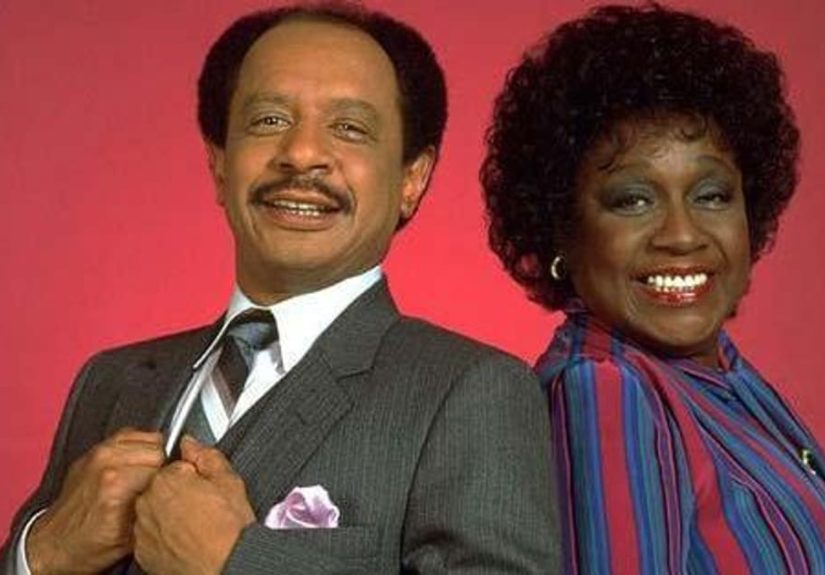
“Movin’ on up” wasn’t just a theme songit was a statement. The Jeffersons centered an upwardly mobile Black
family living in a luxury Manhattan apartment, and that alone was a TV-level plot twist in the 1970s.
George Jefferson is brash, funny, complicated, and (importantly) allowed to be successful without the show pretending
that success magically erases racism or social tension.
One reason fans rank it so high is that it’s a comedy that can throw a joke and still land a point: class mobility,
interracial dynamics, and social change show up constantly without turning the series into a lecture.
It also earned major industry recognition over its runanother sign it wasn’t just popular, it was respected.
3) Good Times (1974–1979)
Good Times is the one that can make you laugh, then turn around and hit you with a storyline about unemployment,
housing insecurity, racism, or school systems that fail kidswhile still keeping the Evans family’s love at the center.
That balance is exactly why fans argue about it so passionately: when it’s good, it’s really good.
Fans also remember the cultural lightning bolts: iconic characters, catchphrases, and episodes that people still cite as
“the reason I fell in love with TV comedy.” At the same time, the show sparked real debatesome cast members pushed for
more authentic portrayals and resisted story choices they felt leaned too hard into caricature. That tension is part of
the legacy: the show mattered enough that people fought over what it should say and how it should say it.
4) What’s Happening!! (1976–1979)
Before “teen friend-group sitcom” became a familiar TV engine, What’s Happening!! delivered a warm, funny,
youth-centered look at Black adolescencefriendship, crushes, school drama, and the kind of everyday chaos that feels
universal even when it’s rooted in a specific place and time.
Fans rank it high because it’s comfort TV with personality: the trio’s chemistry, the family dynamics, and the show’s
ability to turn small problems into big comedy. It’s also a reminder that 1970s Black sitcoms weren’t one-notethis
wasn’t only about “serious issues” or only about “silly jokes.” It could be about growing up, too.
5) Diff’rent Strokes (1978–1986; launched in the late ’70s)
This pick comes with an asteriskbecause fans argue about whether it’s a “Black sitcom” or a broader mainstream sitcom
centered on a blended family with Black children. But it consistently shows up in fan rankings of 1970s Black TV because
it put Black kids at the heart of a major prime-time comedy, and audiences connected hard.
The show’s popularity wasn’t just about jokes; it was about the relationships, the “found family” setup, and yes,
catchphrases so famous they basically became part of American small talk. It also tackled heavy topics at times,
which is part of why it sticks in people’s memoryfans remember the laughs, but they also remember the moments that
made them go quiet.
6) Benson (1979–1986; the ’70s entry that grew into the ’80s)
Benson arrived at the tail end of the decade, but fans include it because a sharp, charismatic Black lead
was driving the comedyoften as the smartest person in the room. The premise (a wisecracking household manager working
in a political environment) gave the show room to mix workplace humor with class commentary and political satire.
What fans respond to is the character’s voice: confident, clever, and quick without being cartoonish.
It’s an example of a late-’70s shift where Black characters weren’t only being written as “neighbors” or “side stories”
but could anchor an entire comedic world.
7) That’s My Mama (1974–1975)
Every decade has at least one underrated gem that fans of classic TV treat like a secret handshake. That’s My Mama
is that show for a lot of people. Built around family life and a barbershop setting (a classic community hub), it leans
into character comedyrelationships, matchmaking, neighborhood energyrather than big gimmicks.
It didn’t run long, but fans who discover it tend to become evangelists: “How did I miss this?” It’s also a reminder
that 1970s Black sitcom history isn’t only the biggest hits. The deeper cuts matter because they show the range of
stories networks were willing (or sometimes unwilling) to sustain.
8) Roll Out! (1973–1974)
A WWII-set sitcom isn’t the first thing most people picture when they think “best Black sitcoms of the 70s,” and that’s
exactly why Roll Out! stands out. It’s a short-lived series, but fans who track the era appreciate it as an
example of Black performers occupying different narrative spacesnot only contemporary urban settings, but period stories
with ensemble comedy.
It’s not as universally known as the top four, but it shows up in conversations because it’s a time capsule: a moment
where TV experimented, sometimes awkwardly, sometimes successfully, with what “Black sitcom” could even look like.
9) Grady (1975–1976)
Spinoffs are a sitcom traditionsometimes glorious, sometimes wobbly, always interesting. Grady spun a beloved
supporting character into his own series and changed the setting to create a fish-out-of-water dynamic.
Fans who love the wider Sanford and Son universe often have a soft spot for it, even if it didn’t run long.
Why does it matter in 1970s Black sitcom history? Because it shows that audiences wanted more than one Black character,
more than one Black household, more than one angle. Even the “less successful” shows prove the demand was there.
10) Sanford Arms (1977)
Another spinoff from the Sanford world, Sanford Arms is the kind of show fans bring up with a mix of
curiosity and affection: “It existed, it tried something, and it’s part of the family tree.”
It’s short-lived, but it earns a spot in fan-ranked discussions because it extends one of the decade’s biggest Black
sitcom ecosystems.
Consider this entry a reminder that fan rankings aren’t only about “the best writing” in an awards-season sense.
They’re also about attachmentscharacters people missed, worlds people wanted more time with, and the feeling of staying
in a universe that already felt familiar.
What These Shows Did Better Than We Sometimes Remember
They made Black life visible in multiple lanes
One of the most important 1970s shifts is range: working-class stories, teen stories, upward mobility stories, blended
family stories, workplace stories. The decade didn’t settle for a single “acceptable” version of Blackness in comedy.
That doesn’t mean every portrayal aged perfectlysome absolutely didn’tbut the expansion itself mattered.
They turned sitcoms into cultural conversation
The best Black sitcoms of the 70s weren’t afraid of social context. They made room for jokes about race and class
without pretending those topics were “too heavy” for comedy. And when the choices felt off, people arguedcast members,
viewers, criticsbecause the stakes were real: representation shapes what audiences believe is normal, possible, and
valued.
Final Thoughts: The “Best” Is a Moving TargetAnd That’s the Point
If you take nothing else from this ranking, take this: fans keep these shows alive. They rewatch, debate, quote,
recommend, and pass them down. The order might change depending on who’s voting, what’s streaming, or which theme song
someone heard last. But the core truth stays the same1970s Black sitcoms helped rewrite the rules of American comedy,
and modern TV still borrows from their playbook.
Fan Experiences: What It Feels Like to Love 1970s Black Sitcoms (Then and Now)
Talk to fans of 1970s Black sitcoms and you’ll notice something quickly: people don’t describe these shows like “content.”
They describe them like memories. Even if you didn’t watch first-run in the ’70s, the rerun experience
became its own shared traditionafter school, late-night channel surfing, weekend marathons, or that one local station
that seemed committed to playing the same episode every three weeks like it was a civic duty.
For a lot of households, these sitcoms were background music in the best way. Theme songs weren’t just intros; they were
announcements that the room was about to get fun. A few seconds of “Movin’ On Up” could pull people off the phone.
The Sanford and Son theme could make someone pause mid-snack. That’s not an accidentgreat sitcom music is
basically a time machine, and these shows had the kind that still works decades later.
The comedy itself also creates “inside jokes” that travel across generations. Families quote lines that kids don’t
fully understand until they’re older. People imitate characters at cookouts, in group chats, and in that very specific
way relatives tease each other when nobody’s trying to be meanthey’re just trying to be funny.
You can see it in how fans talk: Sanford and Son fans often reenact arguments like they’re doing Shakespeare.
Good Times fans can debate story arcs the way sports fans debate playoff calls. The Jeffersons fans
will defend (or roast) George Jefferson like he’s a cousin who talks too loud at Thanksgiving.
Another big part of the experience is emotional whiplashagain, in a good way. People remember laughing hard, then
getting surprised by seriousness. A “funny show” would suddenly touch on money stress, education, neighborhood safety,
or racism in a way that felt recognizable. Fans describe that as one of the reasons these shows lasted in the culture:
the comedy wasn’t floating in space. It lived in the same world as the viewers.
And today, the experience has expanded. Instead of only reruns, fans can discover these sitcoms through clips, memes,
reaction videos, podcasts, and “first-time watching” threads where people narrate their shock and joy in real time.
Younger viewers often show up expecting “old TV” and leave impressed by how modern the writing can feelespecially
the pace, the timing, and the willingness to build a joke off character rather than just a one-liner.
Ultimately, loving 1970s Black sitcoms is a little like having a favorite old neighborhood. You don’t pretend it was
perfect. You remember what it gave you: laughter, language, characters you still miss, and the feeling that someone
put real Black life on TV in a way that people could gather around. That’s why fans still rank them, re-rank them, and
argue about thembecause the shows aren’t just entertainment history. They’re part of how people remember family,
community, and growing up.