Table of Contents >> Show >> Hide
- What swelling really is (and why it happens)
- Common causes of swelling (with specific examples)
- 1) Gravity and “being a human statue” (dependent edema)
- 2) Injury and inflammation (sprains, strains, bumps, and “I swear that step moved”)
- 3) Vein problems (chronic venous insufficiency and varicose veins)
- 4) Lymph system problems (lymphedema)
- 5) Medications (the sneaky, overlooked cause)
- 6) Pregnancy-related swelling
- 7) Allergic swelling (angioedema)
- 8) Heart-related fluid buildup
- 9) Kidney problems (including nephrotic syndrome)
- 10) Liver disease and low albumin
- 11) Blood clots and infection (urgent causes of one-sided swelling)
- When swelling is an emergency (don’t “wait it out”)
- How clinicians figure out the cause
- Swelling treatment: what actually helps (and what depends on the cause)
- Home care for mild swelling (safe starting points)
- Injury swelling: RICE, with common-sense upgrades
- Venous insufficiency: compression and leg habits
- Lymphedema: specialized therapy works
- Medication-related swelling: don’t quitreview
- Heart, kidney, or liver-related swelling: treating fluid balance safely
- Blood clot (DVT) treatment
- Infection (like cellulitis) treatment
- Allergic swelling (angioedema): know the line between “annoying” and “dangerous”
- A simple “what should I do today?” checklist
- Conclusion: swelling is a symptomsolve the mystery, not just the puff
- Real-world experiences with swelling (what people commonly report)
Medical note: This article is for general education, not a diagnosis. Swelling can be harmlessor a “please don’t ignore me” signal. If you’re worried, get medical care.
Swelling is your body’s version of a pop-up notification: sometimes it’s a harmless “FYI,” sometimes it’s a full-screen alert you can’t click away.
The tricky part is that swelling can come from a lot of different causes, and the best treatment depends on the “why,” not just the “where.”
In this guide, we’ll break down the most common reasons people swell up, what you can safely do at home, what treatments doctors use, and the red flags that mean it’s time to stop Googling and get help.
What swelling really is (and why it happens)
Swelling is an increase in size in part of the body. Most of the time, it’s caused by one of two big mechanisms:
fluid buildup (often called edema) or inflammation (your immune system responding to irritation or injury).
Sometimes it’s a mix of bothbecause bodies love teamwork.
Edema vs. inflammation: quick differences
- Edema (fluid retention): Extra fluid collects in tissues. It’s common in legs, ankles, and feet, especially after long sitting/standing or in certain medical conditions.
- Inflammatory swelling: Often comes with pain, warmth, redness, or stiffnesslike after an injury, infection, or flare of arthritis.
Pitting vs. non-pitting swelling
A simple clue is whether swelling is pitting. Press a thumb gently into the swollen area for a few seconds, then release:
- Pitting edema: Leaves a dent that slowly fills back in. This often points to fluid-related causes.
- Non-pitting swelling: Doesn’t leave a dent. This can happen with lymphedema or some inflammatory conditions.
Another important clue: is it localized (one area, like one ankle) or generalized (multiple areas, like both legs plus belly or face)?
Localized swelling tends to come from local problems (injury, infection, vein or lymph issues, blood clots). Generalized swelling more often involves whole-body fluid balance (heart, kidneys, liver, hormones, or medications).
Common causes of swelling (with specific examples)
1) Gravity and “being a human statue” (dependent edema)
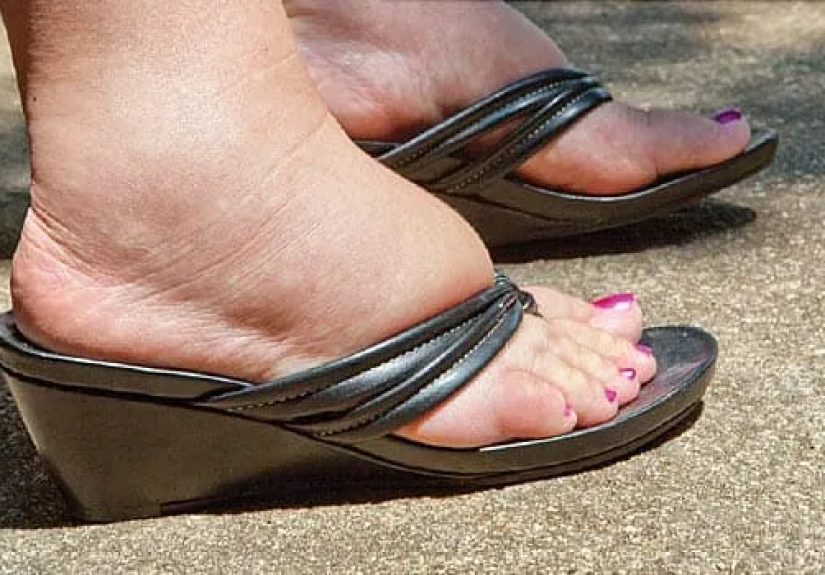
If your job or day involves long periods of standing or sitting, fluid can pool in your lower legs and anklesespecially in hot weather.
This type of swelling is usually mild, pitting, and better in the morning after you’ve been lying down.
Example: After a long day at a desk (or a long shopping trip), your socks leave deep marks and your shoes feel tighter.
The good news: this often improves with movement, elevation, and compression.
2) Injury and inflammation (sprains, strains, bumps, and “I swear that step moved”)
Injuries commonly cause localized swelling due to inflammation and fluid shifts around damaged tissue.
This swelling often comes with pain, bruising, or limited movement.
Example: You roll your ankle playing basketball. Within an hour it balloons, hurts to walk on, and looks like it’s auditioning to be a grapefruit.
3) Vein problems (chronic venous insufficiency and varicose veins)
Veins are supposed to move blood back up to the heart. If vein valves weaken, blood can pool in the legs. That increases pressure and pushes fluid into surrounding tissues.
Swelling is often worse later in the day and may come with heaviness, aching, skin discoloration, or visible varicose veins.
4) Lymph system problems (lymphedema)
Your lymphatic system helps drain fluid and supports immune function. If it’s damaged or blocked (sometimes after cancer treatment, surgery, radiation, infection, or due to inherited conditions),
fluid can build up and cause swellingoften in an arm or leg.
Lymphedema can feel “heavy,” may start subtly, and may not pit as much over time. Skin care becomes especially important because swelling can raise the risk of skin infections.
5) Medications (the sneaky, overlooked cause)
Some medications can cause swelling, often in the feet and ankles. Common offenders include certain blood pressure medicines (notably some calcium channel blockers),
NSAIDs (like ibuprofen/naproxen), steroids, hormones (like estrogen), and others.
Example: A person starts a new blood pressure medication and two weeks later their shoes don’t fit by dinner timeeven though nothing else changed.
This is exactly the kind of timeline that helps clinicians connect the dots.
6) Pregnancy-related swelling
Mild leg and foot swelling is common in pregnancy because blood volume changes and the growing uterus can affect blood return from the legs.
It often improves with elevation, movement, and compressionbut sudden or severe swelling (especially in the face/hands) can be a warning sign that needs prompt medical evaluation.
7) Allergic swelling (angioedema)
Angioedema is swelling under the skin, often around the eyes, lips, and face. It can happen with allergies, hives, certain medications, or rare inherited conditions.
Swelling involving the mouth or throat is an emergency because it can affect breathing.
8) Heart-related fluid buildup
When the heart isn’t pumping effectively, fluid can back up in the body. Swelling often shows up in the legs and ankles and may occur alongside shortness of breath,
trouble breathing when lying flat, or rapid weight gain from fluid retention.
9) Kidney problems (including nephrotic syndrome)
Kidneys help regulate fluid and salt balance. If they’re not working well, the body may retain fluid.
Some kidney conditions can also cause protein loss in urine, which changes fluid dynamics and leads to swellingoften around the eyes, legs, and abdomen.
10) Liver disease and low albumin
Liver disease can contribute to fluid buildup in the abdomen (ascites) and swelling in the legs, partly due to changes in blood flow and reduced albumin (a protein that helps keep fluid in blood vessels).
Management can involve salt restriction, specific medications, and treating the underlying liver condition.
11) Blood clots and infection (urgent causes of one-sided swelling)
A sudden swollen, painful, warm, or red legespecially on one sidecan be a sign of a deep vein thrombosis (DVT).
Infection of the skin and soft tissue (like cellulitis) can also cause warmth, redness, tenderness, and swelling.
Both need medical evaluation, and DVT can become life-threatening if a clot travels to the lungs.
When swelling is an emergency (don’t “wait it out”)
Swelling is worth urgent medical attention if you notice any of the following:
- Sudden one-sided leg or arm swelling, especially with pain, warmth, redness, or tenderness
- Shortness of breath, chest pain, fainting, or coughing up blood
- Swelling of the face, lips, tongue, or throat, especially with trouble breathing or swallowing
- Rapid weight gain over days, or swelling that’s quickly worsening
- Fever with a swollen, red, painful area (possible infection)
- New swelling in pregnancy that feels severe or unusual (especially face/hands), or any symptoms that worry you
If any of these apply, seek urgent care or emergency help.
How clinicians figure out the cause
A good evaluation starts with the basics: timeline (sudden vs gradual), location (one side or both), and context
(recent travel, new medications, injury, pregnancy, known heart/kidney/liver disease).
Questions you’ll likely be asked
- When did the swelling start? Is it getting worse?
- Is it painful, warm, red, or itchy?
- Does it improve overnight or with elevation?
- Any shortness of breath, chest symptoms, fever, or sudden weight gain?
- Any recent surgery, long travel, immobilization, or hormone therapy?
- Any new medications or dose changes?
Common tests (depending on symptoms)
- Blood and urine tests: kidney function, liver enzymes, albumin, electrolytes, urine protein
- Ultrasound: to look for DVT or evaluate veins
- Heart tests: ECG and echocardiogram if heart failure is a concern
- Imaging: X-ray or MRI for injury when needed
The goal is not just to “treat swelling,” but to treat the driver behind itbecause swelling is a symptom, not a personality trait.
Swelling treatment: what actually helps (and what depends on the cause)
Home care for mild swelling (safe starting points)
- Elevate the swollen area above heart level when possible.
- Move regularly: calf pumps, walking breaks, ankle circlesespecially after long sitting.
- Compression socks/stockings can help leg swelling, particularly from venous issues (but ask a clinician if you have circulation problems).
- Reduce sodium: salt can encourage fluid retention in many people.
- Protect your skin: moisturize, treat cracks, and watch for redness or warmth (important in chronic swelling).
- Track patterns: morning vs evening, foods, activity, medication timingyour future self (and your clinician) will thank you.
Injury swelling: RICE, with common-sense upgrades
For sprains/strains, clinicians often recommend a version of RICE:
Rest, Ice, Compression, and Elevation.
Ice is typically used in short sessions (not directly on skin), compression should be snug but not numb/tingly, and elevation helps reduce fluid pooling.
Venous insufficiency: compression and leg habits
Chronic venous insufficiency often improves with compression therapy, movement, leg elevation, and sometimes procedures if symptoms are significant.
Even small habitslike walking breaks, calf strengthening, and avoiding long static standingcan reduce end-of-day swelling.
Lymphedema: specialized therapy works
Lymphedema treatment often involves a structured plan, such as manual lymph drainage (a specialized gentle massage),
compression bandaging/garments, specific exercises, and careful skin care to reduce infection risk.
This is one area where DIY internet hacks are no match for trained therapy.
Medication-related swelling: don’t quitreview
If swelling started after a new medication or dose change, the solution may be adjusting the medication, switching to an alternative, or combining therapies in a clinician-guided way.
Do not stop prescribed medication on your ownespecially heart, blood pressure, or steroid medicineswithout medical guidance.
Heart, kidney, or liver-related swelling: treating fluid balance safely
When swelling is due to fluid overload from organ-related causes, treatment may include:
- Diuretics (“water pills”) prescribed and monitored by a clinician
- Sodium reduction and sometimes fluid adjustments
- Managing the underlying condition (heart failure therapy, kidney disease care, liver disease management)
These treatments are powerful. The “right dose” depends on labs, blood pressure, symptoms, and the underlying causeso this is not the place for self-experimenting.
Blood clot (DVT) treatment
DVT requires medical careoften with anticoagulant (“blood thinner”) therapy and close follow-up.
If swelling is sudden and one-sided, especially with pain/warmth/redness or risk factors (recent surgery, immobility, long travel), seek evaluation urgently.
Infection (like cellulitis) treatment
A red, warm, tender swollen area with fever or rapidly spreading redness needs prompt medical evaluation.
Treatment commonly involves antibiotics, plus supportive care like elevation and pain control.
Allergic swelling (angioedema): know the line between “annoying” and “dangerous”
Mild allergic swelling may respond to clinician-recommended antihistamines.
But swelling that affects breathingespecially swelling of the throatneeds emergency treatment.
Some rare forms of angioedema don’t respond to standard allergy medications, which is one reason medical evaluation matters.
A simple “what should I do today?” checklist
Step 1: Measure the vibe (and the ankles)
- Is it one-sided or both sides?
- Is it sudden or gradual?
- Is there pain, redness, warmth, fever, or breathing symptoms?
- Did you start a new medication recently?
- Did you travel, sit for hours, or get injured?
Step 2: If it’s mild and you feel well
- Elevate for 20–30 minutes.
- Take a short walk or do ankle pumps.
- Go easier on salty foods today (yes, even the “healthy” soup can be a salt bomb).
- Consider compression socks if leg swelling is recurring and you don’t have circulation concerns.
- Track whether it improves by tomorrow morning.
Step 3: If anything feels “off”
Don’t try to out-stubborn your symptoms. If swelling is new, worsening, painful, one-sided, or paired with other symptoms,
it’s worth checking in with a healthcare professional.
Conclusion: swelling is a symptomsolve the mystery, not just the puff
Swelling can be as harmless as gravity doing gravity things, or as serious as a blood clot, heart failure flare, or allergic emergency.
The best approach is to look for patterns: where it is, how fast it appeared, what makes it better or worse, and what other symptoms show up alongside it.
Mild swelling often improves with movement, elevation, compression, and lower sodium intakewhile more serious causes need targeted medical treatment.
When in doubt, treat swelling like a smoke alarm: you don’t need to panic, but you do need to check whether it’s burnt toast or an actual fire.
Real-world experiences with swelling (what people commonly report)
People’s experiences with swelling tend to fall into a few recognizable “storylines,” and seeing them can help you describe your symptoms clearly when you talk to a clinician.
One common experience is end-of-day ankle swelling that shows up after long hours at a desk, a cashier station, or a salon chair.
People often say their socks leave deeper-than-usual marks, their ankles look less defined by evening, and their shoes feel snug.
The most helpful changes are usually simple: walking breaks every hour, calf raises while brushing teeth, elevating legs after work,
and using compression socks on days with lots of standing.
Another classic scenario happens after travelespecially flights or long car rides.
People notice a “tight skin” feeling in the calves or feet and swelling that’s worse when they stand up after sitting for hours.
Many report that short walks, ankle pumps, and hydration help, and that swelling improves the next morning.
But some people describe a very different pattern: swelling that’s one-sided, painful, warm, or associated with tenderness.
That’s the moment many clinicians want you to stop experimenting with home remedies and get evaluated the same daybecause the experience can overlap with a blood clot.
Medication-related swelling has its own personality: people often say it’s “weirdly consistent.”
They’ll notice both feet/ankles swell most evenings and it starts a week or two after a new prescription or dose change.
The swelling may be surprisingly painless, but persistentlike a daily subscription they never signed up for.
In real life, the fix is rarely “drink less water” (your body still needs hydration).
It’s usually a medication review, sometimes a switch, or a clinician-guided adjustmentplus supportive steps like compression.
Injury swelling tends to be more dramatic and more emotionally insulting.
People describe a sprained ankle as a swelling “speedrun”: one misstep, then rapid puffiness, stiffness, and bruising that changes colors like a mood ring.
Most people find the early routine (rest, brief icing sessions, compression, elevation) makes the biggest difference in comfort.
A common lesson learned the hard way: icing directly on skin is a bad idea, and compression should never cause numbness or tingling.
Lymphedema experiences are often described as heaviness more than pain.
People report that a limb feels full, tight, or “weighted,” and they may notice swelling that doesn’t fully disappear overnight.
Many say that learning proper compression, skin care, and therapist-guided lymph techniques is a turning pointbecause random internet hacks don’t provide the same control.
They also often emphasize how much small habits matter: keeping the skin moisturized, preventing cuts, and treating any redness early.
Pregnancy-related swelling is frequently described as uncomfortable but expecteduntil it suddenly feels “not like the normal kind.”
People report gradual swelling in the feet and ankles later in pregnancy that improves with elevation and supportive shoes,
but they seek care quickly when swelling becomes abrupt, severe, or involves the face and hands.
The practical takeaway across all these experiences is the same:
patterns matter. If swelling is mild, symmetrical, and improves with elevation and movement, it often points to manageable causes.
If it’s sudden, one-sided, painful, or comes with breathing symptoms, fever, or facial/throat swelling, it’s time for urgent medical evaluation.