Table of Contents >> Show >> Hide
- Sunny Side Up vs. Over Easy: What’s the Real Difference?
- Essential Gear and Ingredients for Perfect Fried Eggs
- How to Make Perfect Sunny Side Up Eggs
- How to Make Perfect Over Easy Eggs
- Are Runny Eggs Safe to Eat?
- Which Is Better: Sunny Side Up or Over Easy?
- Serving Ideas to Show Off Your Fried Egg Skills
- Real-Life Egg-Frying Lessons: of Experience
- Conclusion
Few breakfast debates are as passionate as sunny side up eggs vs. over easy.
Both have gorgeous, runny yolks. Both are fried in a pan. Both are perfect next to toast,
crispy bacon, or a pile of hash browns. And yet, order the wrong one at a diner and you’ll
find out very quickly that the difference definitely matters.
If you’ve ever wondered why your “fried egg” doesn’t look like the ones in photosor why your
yolks keep breaking right when you try to flip themthis guide is for you. We’ll break down the
difference between sunny side up and over easy, walk through step-by-step methods for each,
share safety tips about runny yolks, and finish with real-life egg-frying lessons to help you
nail them every single time.
Sunny Side Up vs. Over Easy: What’s the Real Difference?
Let’s settle this right away. The big difference isn’t in the ingredients; it’s in the
technique:
-
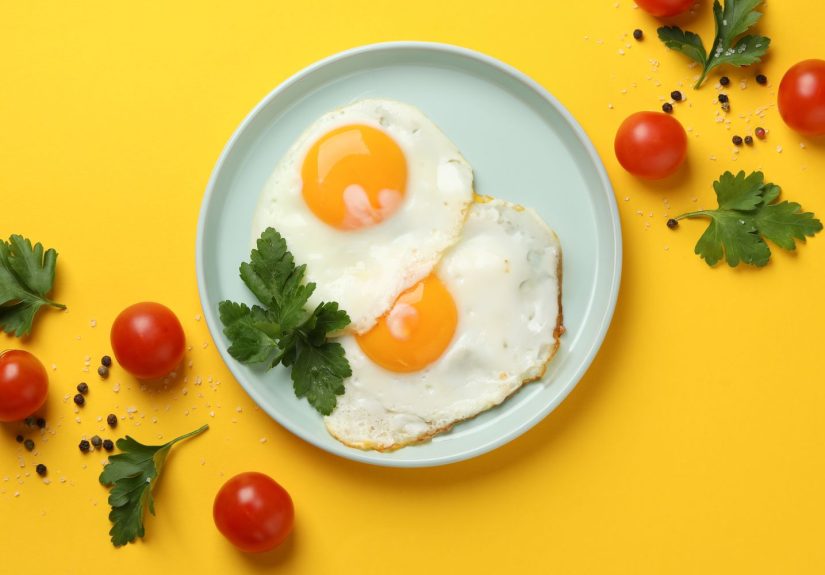
Sunny side up eggs are cooked on one side only and never flipped.
The whites are set, the yolk is fully visible on top, golden and shinylike a little sun,
hence the name. -
Over easy eggs are cooked on both sides. The egg starts like sunny side up,
but once the whites are mostly set, you gently flip the egg and cook it just long enough to
lightly set the thin layer of white over the yolk while keeping the center runny.
In other words: sunny side up = no flip; over easy = one flip. In both cases, the yolk should
still be soft and runny if you’ve done it right.
Essential Gear and Ingredients for Perfect Fried Eggs
Good fried eggs start with the right tools. You don’t need fancy gadgets, but a few details
make a big difference in how easily your eggs release from the pan (and whether your yolks
survive the journey).
Recommended equipment
-
Nonstick or well-seasoned cast-iron skillet: This is key. Stainless steel
can work, but it’s far less forgiving and more likely to rip your eggs apart. -
Thin, flexible spatula: A silicone or fish spatula that can slide under
delicate whites without tearing them. -
Lid that fits your pan: Especially helpful for sunny side up eggs. Covering
the pan traps steam and helps the top of the whites set without flipping. -
Small ramekins or bowls: Cracking each egg into a small bowl before it hits
the pan helps keep shells out and yolks intact.
Best fats and seasonings
-
Butter: Adds rich flavor and browns slightly at the edges for a nutty taste.
Great for diner-style eggs. -
Olive oil: Lighter and fruitier, nice if you’re serving eggs over toast,
greens, or grain bowls. - Bacon fat: If you want “weekend brunch” levels of flavor, this is your move.
-
Salt and pepper: Keep it simplekosher salt and freshly ground black pepper
are all you really need.
How to Make Perfect Sunny Side Up Eggs
Sunny side up eggs look simple, but the trick is gentle, controlled heat. Too hot and the
edges burn while the whites still jiggle. Too cool and the eggs spread and cook unevenly.
Step-by-step sunny side up method
-
Preheat the pan low and slow. Place your nonstick or cast-iron skillet over
low to medium-low heat for a couple of minutes. Add about 1/2 tablespoon of butter
or oil per egg and let it melt and lightly foam, not smoke. -
Crack the eggs into a bowl. Crack each egg into a small ramekin. This avoids
shell fragments and gives you better control when you pour the egg into the pan. -
Slide the eggs into the pan. Gently pour each egg into the skillet. You
shouldn’t hear a loud sizzle; that’s a sign the pan is too hot. If you do, lower the heat. -
Cover and steam the tops. Put a lid on the pan. The trapped steam helps cook
the top of the whites without flipping or overcooking the yolk. -
Cook until the whites are just set. This usually takes 2–4 minutes depending
on your stove and pan. You’re aiming for fully opaque whites with no clear, wiggly spots, and
a yolk that still jiggles when you gently shake the pan. -
Season and serve immediately. Sprinkle with salt and pepper right before
serving. Sunny side up eggs are best hot, while the yolk is still beautifully runny.
Pro tips for sunny side up success
-
Use fresh eggs. Fresher eggs have tighter whites that spread less and hold
a neat, round shape. -
Think “low heat, longer time.” Rushing with high heat almost guarantees
rubbery whites and overcooked yolks. -
Adjust for multiple eggs. If you cook in batches, reduce the heat for each
subsequent batch since the pan will keep getting hotter.
How to Make Perfect Over Easy Eggs
Over easy eggs start just like sunny side up, but the flip is where the magicand the danger
for your yolkshappens. The goal is set whites, a thin veil of cooked white over the yolk, and
a center that flows when you cut into it.
Step-by-step over easy method
-
Preheat and grease the pan. Heat a nonstick or cast-iron skillet over
medium-low heat. Add butter, oil, or bacon fat and let it melt or shimmer. -
Crack eggs into a bowl. As with sunny side up, use a ramekin for each egg to
keep the yolks intact and shells out. -
Cook the first side. Gently slide the eggs into the pan. Let them cook
undisturbed until the whites are mostly set and the edges look firm, usually 2–3 minutes. -
Prepare to flip. Tilt the pan slightly so the egg is closer to one side.
Slide a thin spatula fully under the egg, making sure you’ve got the yolk supported. -
Flip confidently but gently. In one smooth motion, turn the egg over. You
can flip it away from you to avoid splashes of hot fat. -
Finish the second side briefly. For classic over easy, cook just
10–20 seconds more. The whites should finish setting, and the yolk should still feel soft
when you lightly press with the spatula. -
Remove from heat right away. Transfer to a plate so carryover heat doesn’t
keep cooking the yolk.
Common over easy mistakes
-
Flipping too early: If the whites aren’t mostly set, they’ll tear when you
slide the spatula under the egg. -
Pan too dry: A little fat under the egg helps it glide, especially when
flipping. -
Overcooking the second side: Those extra 30–60 seconds can turn over easy
into over medium or over hard very quickly.
Are Runny Eggs Safe to Eat?
Runny yolks are delicious, but there’s a food safety angle to consider. Food safety agencies
in the United States generally recommend cooking eggs until both the white and the yolk are
firm to reduce the risk of foodborne illness from bacteria such as Salmonella. Sunny
side up and over easy eggs, by design, often leave the yolkand sometimes parts of the
whitessoft.
For most healthy people, the risk is relatively low when eggs are properly handled, stored in
the refrigerator, and cooked from fresh, high-quality sources. However, certain groups should
be more cautious, including:
- Pregnant people
- Young children
- Older adults
- Anyone with a weakened immune system or chronic illness
If you fall into one of these categories or are cooking for someone who does, consider:
- Using pasteurized eggs for runny preparations, or
-
Cooking eggs until both yolks and whites are fully firm (over hard or scrambled done all the
way through).
At home, many people choose to enjoy runny yolks while still practicing safe handling: keeping
eggs chilled, discarding cracked or dirty shells, and avoiding recipes that use raw eggs from
unknown sources.
Which Is Better: Sunny Side Up or Over Easy?
So which style “wins”? It depends on what you’re eating and how you like your texture:
-
Choose sunny side up when you want maximum runny yolk on display. It’s great
on avocado toast, rice bowls, or anything where you want a dramatic, golden yolk to break and
sauce the dish. -
Choose over easy when you want that same runny center but a slightly more
contained package. Over easy eggs are perfect in breakfast sandwiches, on top of burgers, or
anywhere you don’t want the yolk spilling everywhere the second you move the plate.
In terms of calories and nutrition, the two are essentially identical. You’re still eating a
fried egg; the difference lies in appearance, mouthfeel, and how the yolk interacts with the
rest of your food.
Serving Ideas to Show Off Your Fried Egg Skills
-
Classic breakfast plate: Sunny side up or over easy eggs with toast, bacon
or sausage, and hash browns or roasted potatoes. -
Avocado toast upgrade: Pile mashed avocado on whole-grain toast, add a sunny
side up egg, sprinkle with chili flakes and everything bagel seasoning. -
Rice or grain bowls: A fried egg with a runny yolk instantly turns leftover
rice, quinoa, or farro into a satisfying meal. -
Breakfast sandwiches: Over easy eggs hold together just enough for stacking
on English muffins or brioche buns with cheese, ham, or veggies. -
Salad topper: A sunny side up egg adds protein and richness to hearty salads
with greens, roasted vegetables, and crunchy toppings.
Real-Life Egg-Frying Lessons: of Experience
It’s one thing to read a set of instructions. It’s another to stand in front of a hot pan at
7 a.m. with an empty stomach and a strong craving for runny yolks. That’s where experience
starts to matter.
The first thing you learn after cooking a lot of sunny side up and over easy eggs is that your
stove has a personality. Some burners run hotter than “medium,” even though the dial insists
otherwise. If you keep burning the edges of your whites while the yolks are still chilly, it’s
not that you’re bad at eggsit’s that your stove is louder than the recipe. The fix: always
start lower than you think and only turn the heat up if the whites are barely cooking.
The second big lesson is that patience beats bravado. Everyone wants to flip their first over
easy egg like a TV chef, with a flick of the wrist and zero spatula. That’s usually how you
end up with scrambled eggs that used to be fried. Using a spatula isn’t cheating; it’s
respecting gravity. Once you’ve made a dozen or so perfect over easy eggs with a spatula,
you’ll understand the timing and might experiment with a pan flipif you feel like living
dangerously.
Sunny side up eggs teach you to trust gentle heat and visual cues. The first few times, it’s
tempting to poke the whites to see if they’re done or to crank the heat because “this is taking
forever.” But when you watch closely, you’ll notice the whites slowly shifting from clear to
opaque, the edges tightening, and the yolk sitting proudly in the center. The moment that thin
ring of white around the yolk goes from glassy to fully white, you’re usually right on time.
Another bit of hard-earned wisdom: your choice of fat changes the mood of the meal. Butter feels
cozy and nostalgic, like diner breakfasts and weekend mornings. Olive oil feels a little more
modern and light, especially paired with herbs, tomatoes, or toast. Bacon fat, on the other
hand, signals that you’ve fully committed to joy and are not currently thinking about your
cholesterol levels. None of them is wrong; they just send different signals about what kind of
breakfast (or dinner) you’re having.
You also realize how forgiving eggs can be once you stop aiming for absolute perfection. Yolk
broke during the flip? That’s not a failurethat’s a ready-made egg for a breakfast sandwich or
a rice bowl. Whites spread too far? Fold them in a bit with your spatula or embrace the rustic
look. A slightly overcooked yolk still tastes great with toast; it just won’t be quite as dramatic
in photos.
Finally, the most important experience-based tip: fried eggs are one of the easiest ways to turn
almost any leftover into a satisfying meal. Cold pizza, roasted vegetables, plain rice, salad
greens, a lonely piece of toastput a sunny side up or over easy egg on top and suddenly you’ve
got something comforting, warm, and surprisingly complete. Once you’ve felt how quickly a single
egg can transform a random plate of food into “dinner,” you’ll never look at runny yolks the same
way again.
Conclusion
When it comes to sunny side up eggs vs. over easy, there’s no wrong answerjust
the right egg for the moment. Sunny side up puts the yolk on display and lets it flow freely over
whatever it touches. Over easy tucks that yolk under a thin blanket of white, making it slightly
neater but just as luxurious inside. With the right pan, gentle heat, and a little practice, you
can master both styles and choose your favorite every time you crack an egg.