Table of Contents >> Show >> Hide
- The Short, Correct Answer
- Why Sunscreen Belongs Under Makeup
- How to Apply Sunscreen Before Makeup the Right Way
- Should Sunscreen Go Before or After Moisturizer?
- What Kind of Sunscreen Works Best Under Makeup?
- Is Primer Still Necessary?
- What About Reapplying Sunscreen Over Makeup?
- Common Mistakes That Make Sunscreen and Makeup Fight
- So, Should You Put Sunscreen on Before Makeup?
- Real-World Experiences With Sunscreen Before Makeup
- Conclusion
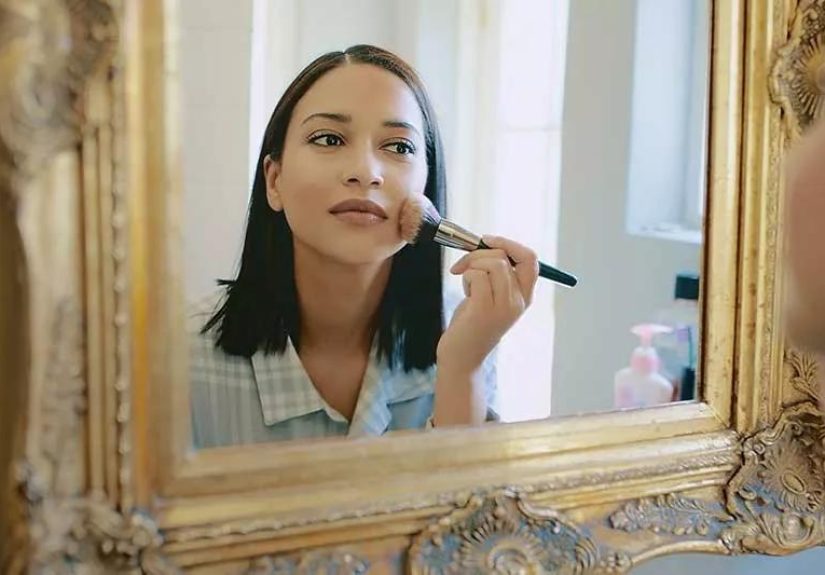
If your morning routine feels like a traffic jam of serum, moisturizer, primer, skin tint, concealer, and one eyebrow product you swear is “essential,” you are not alone. Somewhere in that lineup, sunscreen often gets treated like the awkward extra. But it should really be the headliner. So, should you put sunscreen on before makeup? In most cases, yes. Sunscreen should go on before makeup and usually as the last step in your skincare routine.
That is the short answer. The longer answer is more useful, because real life is messy. Some sunscreens pill under foundation. Some makeup already contains SPF. Some people have oily skin that turns into a slip-and-slide by 10 a.m. Others have dry skin that makes powder foundation look like it got lost in the desert. The good news is that you can absolutely wear sunscreen with makeup without looking shiny, chalky, or mildly betrayed by your mirror.
Think of sunscreen as your skin’s bodyguard. Makeup can be fabulous, polished, and glow-enhancing, but it is not built to stand in the doorway and block UV damage all day. If you want the best protection, sunscreen needs to get the prime real estate on your face before foundation ever makes its grand entrance.
The Short, Correct Answer
Yes, you should generally put sunscreen on before makeup. The smartest everyday order looks like this:
Cleanser → treatment products or serums → moisturizer → sunscreen → makeup
That sequence works for most people because sunscreen forms the protective layer you want sitting evenly over your skin. Makeup then goes on top. If you reverse the order and apply sunscreen after foundation, concealer, or powder, you are more likely to move your makeup around, apply too little sunscreen, or end up with patchy protection. None of those outcomes deserve a standing ovation.
There is a little nuance here. Some dermatologists say order can be flexible if you are still applying a full, even layer of sunscreen and using a product that plays nicely with the rest of your routine. But in practical, everyday terms, the best rule is simple: make sunscreen your final skincare step and your pre-makeup step.
Why Sunscreen Belongs Under Makeup
1. It creates a more reliable protective layer
Sunscreen works best when it is applied evenly over the skin. When it goes on before makeup, you have a much better chance of covering your full face, including the easy-to-forget zones around the nose, under the eyes, along the hairline, and near the jaw. If you try to add sunscreen after foundation, you will probably disturb your makeup and still miss spots. It becomes less “sun protection strategy” and more “abstract art.”
2. Makeup with SPF is usually not enough
This is one of the biggest beauty myths still floating around with suspicious confidence. A foundation, skin tint, BB cream, or powder that contains SPF can be a helpful bonus, but it should not be your only sun protection. Why? Because most people do not apply nearly enough makeup to reach the SPF printed on the label. The SPF number is tested using a much thicker application than the average person uses for foundation. In other words, if your base makeup looks natural, there is a good chance the sun protection is not doing as much heavy lifting as you hope.
And no, SPF values do not stack like pancakes. SPF 30 moisturizer plus SPF 30 foundation does not magically equal SPF 60. The protection you get is closer to the highest properly applied SPF product in the routine, not the sum of every bottle on your vanity.
3. UV damage is sneaky
You do not need to be on a beach in a giant floppy hat to need sunscreen. UV exposure adds up during commutes, errands, dog walks, lunch on a patio, or even sitting near sunny windows. UVA rays, in particular, are a major reason dermatologists push daily sunscreen use. They contribute to visible aging like fine lines, discoloration, and loss of elasticity. So yes, that sunny ten-minute coffee run counts more than your foundation would like you to believe.
How to Apply Sunscreen Before Makeup the Right Way
Use enough product
This is where many good intentions go to die. A tiny dab is not enough. For the face, a common dermatologist recommendation is about 1 teaspoon of sunscreen. That usually feels like more than people expect, which is exactly the point. If you are applying a whisper-thin veil because you are afraid of shine, you may not be getting the labeled protection.
Choose broad-spectrum SPF 30 or higher
For daily use, broad-spectrum SPF 30 is the baseline many skin experts recommend. “Broad-spectrum” matters because it means protection against both UVA and UVB rays. If you spend a lot of time outside, sweat heavily, or are heading to a sunny event, a water-resistant formula can make more sense.
Let the sunscreen settle
You do not need to stare dramatically out the window for half an hour, but giving sunscreen a short moment to settle before makeup can help. A couple of minutes is often enough for many facial formulas to form a more even layer and reduce pilling. If you are going outdoors, applying sunscreen before you leave the house instead of in the car is a much better habit.
Apply makeup gently
Once sunscreen is on, avoid aggressively rubbing, buffing, or dragging your makeup brush around like you are polishing furniture. Patting, pressing, or gently blending is often a better move, especially if your sunscreen tends to pill. This helps keep the protective layer more intact.
Should Sunscreen Go Before or After Moisturizer?
Usually, sunscreen goes after moisturizer and before makeup. That is the most practical rule for most skin types and most modern routines.
However, there is some product-specific nuance. Certain experts note that some formulas, especially different chemical and mineral types, can behave a bit differently when layered. In real-world use, though, the easiest, most user-friendly guidance is this: apply your lighter skincare products first, then moisturizer if you use one, then sunscreen, then makeup.
If your sunscreen is moisturizing enough on its own, you may not need a separate moisturizer in the morning. That can actually make makeup wear better, especially for oily or combination skin. Fewer layers can mean less pilling, less sliding, and fewer opportunities for your face to feel like a frosted cupcake by noon.
What Kind of Sunscreen Works Best Under Makeup?
For oily or acne-prone skin
Look for lightweight, non-comedogenic, oil-free, or matte-finish sunscreens. Gel-cream, fluid, or milk textures often sit better under foundation than thick beach-style lotions. Mineral sunscreens can also work well for acne-prone skin, especially if they are formulated specifically for the face.
For dry skin
A hydrating sunscreen with humectants or a dewy finish may help foundation sit more smoothly. Dry skin tends to show texture more easily, so a sunscreen that doubles as a comfortable base can save you from the dreaded flaky-cheek situation.
For sensitive skin
Mineral sunscreens with zinc oxide and titanium dioxide are often recommended for sensitive or reactive skin. They are also a good option for people who say certain sunscreens sting, burn, or make their eyes water halfway through the day.
For hyperpigmentation or melasma-prone skin
Tinted sunscreen can be especially helpful. Formulas that contain iron oxides may offer extra protection against visible light, which matters for people dealing with dark spots, melasma, or post-acne marks. As a bonus, tinted sunscreen can blend more naturally under makeup or even replace lighter makeup on low-effort days.
Is Primer Still Necessary?
Sometimes yes, sometimes not. A good facial sunscreen can act like a primer all by itself, especially if it has a smooth, blurring, or silicone-like finish. If you already love a separate primer, you can usually apply it after sunscreen and before makeup. Just keep the layer light. If your routine starts looking like a lasagna, your foundation may revolt.
In many cases, the fix for patchy makeup is not adding more products. It is choosing a sunscreen that was designed for the face and plays nicely with makeup. A heavy, greasy sunscreen under a gripping primer under a long-wear matte foundation is basically a reality show waiting to happen.
What About Reapplying Sunscreen Over Makeup?
This is where things get interesting, because the sun does not care that your concealer finally looks perfect. If you are outdoors for long periods, sunscreen should be reapplied about every two hours. That does not mean you have to wash your face at lunch and start over from scratch.
Here are the most realistic reapplication options when you are wearing makeup:
1. SPF sticks
These can be convenient for touch-ups, especially on the forehead, cheeks, and nose. Dab or glide gently, then press in carefully if needed. They are easy to toss in a bag and less chaotic than carrying a full lotion bottle around like it is a tiny fire extinguisher.
2. Powder sunscreen
Brush-on powder SPF can be useful for touch-ups over makeup, especially for oily skin. But it should not replace your morning base layer of sunscreen. Think of it as backup, not the star player.
3. Setting sprays with SPF
These can be helpful for refreshing protection without smearing your makeup, but coverage can be uneven if you use too little. They work best when you apply them thoroughly and do not pretend two sleepy spritzes count as a full reapplication.
4. Tinted mineral sunscreen
For some people, especially those who wear light makeup, a tinted sunscreen can be reapplied like complexion product. This can be one of the most elegant options because it refreshes both coverage and protection at the same time.
Common Mistakes That Make Sunscreen and Makeup Fight
Using too little sunscreen
This is the biggest one. If you only use a pea-sized amount because you are worried about texture, the labeled SPF is mostly wishful thinking.
Rushing the layers
If skincare, sunscreen, primer, and foundation all get slapped on in thirty seconds, pilling becomes much more likely. Give each layer a brief moment to settle.
Using formulas that are not compatible
Some combinations just do not get along. A very rich sunscreen under a super-matte foundation can separate. A heavily silicone primer on top of a dewy sunscreen can ball up. If your makeup keeps misbehaving, one of the products may need replacing.
Assuming indoor days do not count
If you sit near windows, drive, walk outside at lunch, or spend time in strong daylight, daily sunscreen still matters. UV exposure is not only a vacation problem.
Relying on SPF makeup alone
Again, makeup with SPF is a nice bonus, not a strong enough solo act.
So, Should You Put Sunscreen on Before Makeup?
Absolutely. In most routines, sunscreen should go on before makeup and after your skincare products. That order gives you the best chance at even protection, smoother layering, and a routine that actually works in the real world.
If you want the simplest rule to remember, here it is: sunscreen is skincare’s final step and makeup’s opening act. Put it on generously, choose a formula that suits your skin type, and reapply when you are outside for extended periods. Your future skin will be grateful, even if your present self is still negotiating with your concealer.
Real-World Experiences With Sunscreen Before Makeup
The most helpful thing about this topic is not the theory. It is what actually happens when people try to combine sunscreen and makeup in normal life. In the real world, the experience varies a lot depending on skin type, product texture, climate, and how much time you have before running out the door while holding coffee and your dignity.
A very common experience is the “my makeup is pilling and I blame the sunscreen” phase. This happens a lot with people who use a thick moisturizer, then a heavy sunscreen, then a primer, then a full-coverage foundation. By layer number four, the face is basically hosting a product traffic jam. When those same people switch to a lighter moisturizer or a sunscreen designed specifically for the face, the problem often improves fast. The sunscreen was not the villain. The layering was.
People with oily skin often report a different issue: they apply sunscreen correctly, but by midday their foundation starts slipping around the T-zone like it has given up on structure. In that situation, a lighter matte sunscreen or a non-comedogenic mineral formula usually feels better than a rich, glowy one. Powder SPF touch-ups also tend to feel more comfortable for oily skin than trying to smear on lotion over makeup in the middle of the day.
Dry skin brings its own drama. Many people with dry or mature skin say foundation looks smoother when sunscreen is hydrating enough to double as a morning moisturizer. Instead of piling on extra cream, they simplify the routine and get better results. Less flaking, less patchiness, less “why does my cheek suddenly look like pastry.” That is a real win.
Another common experience comes from people with melasma or post-acne marks. They often find that tinted sunscreens sit beautifully under makeup and can even reduce how much foundation they feel they need. That matters because a tinted sunscreen with iron oxides can offer cosmetic benefits and added visible-light protection at the same time. For many people, that turns sunscreen from a chore into a product they genuinely want to wear.
There is also the office-worker experience: someone applies makeup beautifully at 7:30 a.m., spends the day near bright windows, then realizes at 2 p.m. that reapplying sunscreen over foundation feels impossible. The practical fix is usually not perfection. It is choosing a touch-up format you will actually use, like a stick, powder, or tinted SPF. The best sunscreen routine is the one that survives real life, not the one that only works in a skincare fantasy where no one ever sweats, commutes, or forgets their compact.
And finally, many people simply say this: once they found a sunscreen that felt good under makeup, daily use became dramatically easier. That is the real turning point. Not more steps. Not more stress. Just the right formula, in the right order, used consistently.
Conclusion
If you have ever wondered whether sunscreen belongs before or after makeup, you now have the answer and the strategy. Put sunscreen on before makeup, keep it as the final step of skincare, use enough to get real protection, and choose a formula your skin actually enjoys wearing. When sunscreen feels comfortable, makeup looks better, your routine becomes easier, and daily sun protection stops feeling like a battle. Which is nice, because your face already has enough going on.