Table of Contents >> Show >> Hide
- What Season 23 is (and why it feels so relatable)
- The Season 23 highlight reel: big themes, real projects
- 1) Aging in place and smarter accessibility
- 2) Water management: gutters, basements, foundations, and everything that leaks
- 3) Comfort and indoor air: humidity, airflow, and “why is this room always weird?”
- 4) Electrification and energy awareness (with fewer buzzwords)
- 5) Outdoor living and landscape reality checks
- Eight “watch-this-first” episodes from Season 23
- What Season 23 teaches you (even if you never pick up a drill)
- DIY vs. call-a-pro: a Season 23-style reality check
- How to watch Season 23
- Why Season 23 feels like a snapshot of American home life right now
- Experiences from watching Season 23 (the extra-real, extra-relatable part)
If you’ve ever looked at a wobbly handrail, a moody basement, or a “mystery” stain on the ceiling and thought,
“That’s probably fine,” Season 23 of Ask This Old House is here to gently (and hilariously) disagree.
This is the season where the crew keeps doing what they do best: show up, tell the truth, and fix the kind of everyday
home problems that mysteriously multiply the moment you host guests.
Season 23 delivers a full menu of practical projectsaccessibility upgrades, water-management saves, smart-home tweaks,
electrical reality checks, and a lot of “please don’t do that” safety momentswhile still feeling like you’re hanging out
with pros who genuinely want your house to outlive your next group text thread.
What Season 23 is (and why it feels so relatable)
Ask This Old House has a simple promise: real homeowners ask real questions, and the crew makes real house calls.
Season 23 leans hard into problems that are common across American homesespecially the not-so-glamorous stuff:
water getting where it shouldn’t, air not moving where it should, and electrical systems that politely suggest you stop
plugging things in “just to see what happens.”
The season also keeps the show’s signature rhythm: one or two house calls per episode, plus quick tool breakdowns,
craft and trade spotlights, and occasional shop-style builds that make you want to reorganize your garage… or move to a
place with a garage.
The Season 23 highlight reel: big themes, real projects
Rather than feeling like a random grab-bag, Season 23’s episodes cluster into a few satisfying categorieseach one
basically a “most-requested hits” album of homeowner headaches.
1) Aging in place and smarter accessibility
The season opens with a topic many families are thinking about: making a bathroom safer and more comfortable for
aging in place. The tone is practicalnot dramaticbecause the best accessibility upgrades are often the ones that
look normal, work quietly, and prevent problems before they become “an incident.”
2) Water management: gutters, basements, foundations, and everything that leaks
If Season 23 had a villain, it would be water. You get gutter runoff solutions, sump pump installs to address basement
flooding, repairs involving exterior masonry and foundations, and lessons in how small drainage issues become big
interior bills when they’re ignored long enough.
3) Comfort and indoor air: humidity, airflow, and “why is this room always weird?”
Home comfort shows up as a serious throughlinewhole-house humidification for winter dryness, diagnosing hot-and-cold spots
through airflow checks, and “mini split upkeep” style maintenance that’s basically adulthood in a sentence.
4) Electrification and energy awareness (with fewer buzzwords)
Season 23 touches modern power decisions without turning into an infomercial: a Level 2 EV charger installation,
a conversation about all-electric homes, a smart energy monitoring approach to high electric bills, and smart lighting
product demos that focus on how people actually use lightsespecially when they forget to turn them off.
5) Outdoor living and landscape reality checks
From choosing Florida-friendly trees to building retaining walls and even tackling an outdoor shower project, the season
treats yards like they matterbecause they do. Outdoor spaces are where curb appeal, drainage, privacy, and low-key joy
all collide.
Eight “watch-this-first” episodes from Season 23
You can watch Season 23 in any order, but if you want a quick tour of what makes it stand out, start here:
-
Bath Accessibility, Wooden Gutter A practical look at bathroom upgrades that support aging in place,
plus a wooden gutter problem that proves “charming” and “maintenance-free” are not synonyms. -
Cracked Drywall, Radiator Baseboard Cover Classic interior repairs that look small until you try them
without the right steps (and then they become a personality test). -
Uneven Paver Patio, EV Charger Outdoor hardscape that needs a lasting fix, and a modern charging upgrade
that has real electrical implications. - Wallpaper Installation, Sump Pump One project is for your eyes, the other is for your future self’s sanity.
-
Humidifier System, End Table Comfort meets craft: whole-house humidity strategy and a build segment
that makes woodworking look deceptively calm. - Electric Bill Investigation A reality-based approach to figuring out where your power is actually going.
- Outdoor Shower A full-feature outdoor project that blends design, drainage, plumbing, and weatherproofing.
-
Thank You, Roger Cook A heartfelt tribute episode that highlights the show’s long legacy and why viewers
connect so strongly to the people behind the expertise.
What Season 23 teaches you (even if you never pick up a drill)
Lesson 1: “Aging in place” is just smart designperiod
Season 23’s accessibility work lands because it doesn’t feel niche. Better lighting, safer footing, and easier bathroom use
help everyonekids, guests, injured ankles, tired parents, and anyone who’s ever tried to step out of a slippery tub like a
newborn giraffe. The big takeaway: you don’t wait for a crisis to make the house safer. You make small upgrades early so
your home stays usable longer.
Practical examples include planning for stable support points in the bathroom, improving nighttime visibility, and choosing
upgrades that blend into the room rather than making it feel medical.
Lesson 2: Water problems aren’t “minor.” They’re just early.
Season 23 repeatedly shows the same truth from different angles: water damage is often a timeline problem, not a mystery.
A failing chimney crown, a runoff issue, an unhappy foundation detail, or a basement that floods “only sometimes” can all
turn into bigger repairs because moisture rarely stays politely contained.
The helpful mindset shift is to treat water management like routine health care: regular checkups, early fixes, and a plan for
the worst day (storms, power outages, freeze-thaw cycles). It’s not glamorous, but neither is tearing out damp drywall.
Lesson 3: Comfort is a system, not a gadget
Whether it’s winter dryness solved with whole-house humidification or diagnosing airflow that creates hot/cold zones,
Season 23 reinforces that comfort lives in systems: insulation, ventilation, HVAC setup, and humidity control working together.
A useful rule of thumb: chase measurements before you chase purchases. A basic humidity reading, a look at airflow balance,
and a clear understanding of what’s happening in the home often saves you from buying the wrong “solution” twice.
Lesson 4: Electrification is hereso do it correctly
With EV charging and all-electric conversations in the season, the most important message is boring in the best way:
follow code, use permits when required, and size the electrical work properly. If a project needs a dedicated circuit,
professional installation, or panel capacity checks, treat that as part of the projectbecause it is.
Season 23 also makes energy feel approachable. Instead of guessing why bills are high, it models investigating loads and
understanding what’s actually consuming power. That’s empoweringand it’s usually cheaper than arguing with your thermostat.
Lesson 5: The best upgrades solve two problems at once
Many Season 23 projects land because they’re “double wins”: a radiator cover that looks better and functions better, a
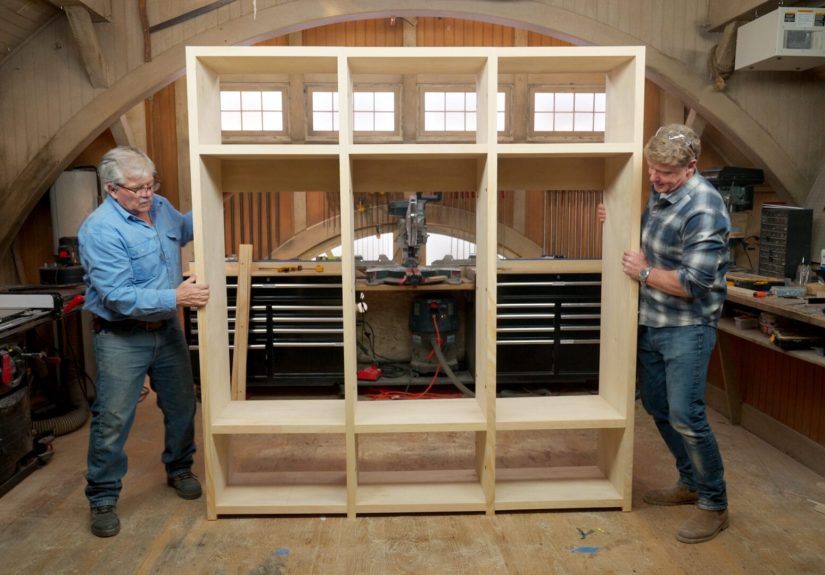
recessed medicine cabinet that improves storage without eating space, mudroom cubbies that reduce clutter while making daily
routines smoother, and landscape changes that boost curb appeal while managing drainage and plant health.
DIY vs. call-a-pro: a Season 23-style reality check
The show is very pro-DIY… and also very pro-not-getting-hurt. Use this simple filter (in the spirit of the series):
- DIY-friendly: painting trim, basic drywall patching (small areas), installing hardware, simple carpentry builds, cosmetic updates.
- Proceed carefully: ladder work, drainage tweaks, power tool projects, wallpaper (it’s less “easy” than it looks), minor plumbing repairs.
-
Call a pro: gas line work, major electrical upgrades (including many EV charger installs),
structural foundation issues, and anything where failure equals flooding, fire risk, or a surprise hole in the roof.
How to watch Season 23
Season 23 episodes are available through the show’s official episode hub and streaming options that vary by platform and timing.
In general, viewers can find episodes via the This Old House ecosystem (including the show’s site and app),
and through streaming providers that carry the series. If you’re a “watch it on the biggest screen possible” person,
The Roku Channel is also a common destination for This Old House and Ask This Old House content.
And yesif you prefer the classic approach, local broadcast listings still matter. The show has always had strong public TV roots,
so checking schedules can be part of the routine.
Why Season 23 feels like a snapshot of American home life right now
Watch enough of Season 23 and you start noticing the bigger story it tells: American homeowners are upgrading for longevity
(aging in place), resilience (water management), comfort (humidity and airflow), and modern needs (smart lighting, EV charging,
energy monitoring). It’s less about “trends” and more about homes adapting to how people actually live.
The season also keeps the show’s long-running secret sauce: it respects the viewer. It doesn’t pretend every project is easy,
it doesn’t shame you for having an old house doing old-house things, and it consistently shows that doing it rightplanning,
prep, and proper materialsbeats rushing every time.
Experiences from watching Season 23 (the extra-real, extra-relatable part)
Watching Season 23 has a funny side effect: you start seeing your own house differently. Not in a panic-y waymore like you’ve
been handed a new pair of “homeowner glasses.” Suddenly, you notice how water moves around your property after a rain, where
the downspouts dump runoff, and whether that “tiny puddle” near the foundation is actually a tiny warning label.
One of the most common viewer experiences is the confidence bump. Not “I can rewire the whole house now”
confidencemore like “I can ask smarter questions.” After the accessibility and bathroom-focused segments, you might find
yourself thinking about lighting at night, traction underfoot, and whether the bathroom layout works for the long haul.
If you have parents, grandparents, or anyone in your family planning to stay in their home, those scenes can quietly change
what you prioritize. You may even start spotting the difference between upgrades that look nice and upgrades that actually
reduce risk.
Another very real experience is tool envy. Season 23 includes practical tool talk that makes you want to
upgrade everything you ownuntil you remember you also need groceries. But the show tends to ground the moment:
it’s not “buy the fanciest thing,” it’s “use the right thing correctly.” That mindset is oddly calming in a world where every
shopping page screams that your life will be better if you own a laser level with Bluetooth.
The water-related episodes create a different feeling: preventive urgency. Sump pumps, gutter runoff,
foundation repairsnone of it is glamorous. Yet these are the projects that protect the rest of your home.
Many viewers describe the same emotional arc: first you watch casually, then you remember your basement flooded once,
then you open your notes app. Even if you don’t do the work yourself, you start building a plan: test the sump pump,
clean the gutters, extend the downspouts, check grading, schedule the masonry quote, and stop pretending the damp corner
will “dry out on its own.”
Then there’s the comfort contenthumidity and airflowwhich tends to feel personal fast. If your skin gets dry in winter,
if you wake up with a scratchy throat, or if one room is always too hot while another feels like a walk-in fridge,
Season 23 feels like it’s speaking directly to your daily life. Viewers often end up doing small experiments afterward:
measuring humidity, checking filters, adjusting registers, or finally learning what the thermostat settings actually mean
beyond “warmer” and “colder.”
The electrification and EV charger moments bring a different kind of satisfaction: modernizing without chaos.
Plenty of people want EV charging at home, smart lighting, or a better understanding of energy usebut they don’t want a
confusing project that turns into a half-finished wall patch. Season 23 models the idea that modern upgrades should still be
done with old-school discipline: dedicated circuits, capacity checks, safe installation, and a plan before the first screw
goes in. It’s the kind of advice that makes you feel like a responsible adult… even if you still have a junk drawer full of
mystery keys.
Finally, the season’s tribute episode creates a shared experience that’s less about projects and more about people.
Longtime viewers often talk about how the show feels like a trusted neighborfamiliar faces, calm problem-solving,
and expertise delivered without ego. Season 23 reminds you that the real “product” isn’t a perfect mudroom or an outdoor shower.
It’s the feeling that your home is fixable, maintainable, and worth caring forone smart, well-done project at a time.