Table of Contents >> Show >> Hide
- What Is Rustic Oak Parquet Tile?
- Why Homeowners Love Rustic Oak Parquet
- Rustic Oak Parquet Tile vs. Other Flooring Options
- Where Rustic Oak Parquet Tile Shines in the Home
- Popular Patterns for Rustic Oak Parquet Tile
- Installation Basics (Without Going Full Contractor Mode)
- Care and Maintenance Tips
- Design and Styling Ideas
- Real-Life Experiences with Rustic Oak Parquet Tile
- Conclusion
Rustic oak parquet tile is what happens when classic European manor-house charm meets
real-life, snack-crumb-filled modern living. It’s warm, a little imperfect in the best
way, and full of character – like that friend who always tells the best stories but
doesn’t mind if you wear sweatpants to dinner.
Whether you choose true oak parquet blocks or wood-look porcelain or vinyl tiles in a
rustic oak pattern, this flooring style instantly makes a room feel layered, welcoming,
and intentional. In this guide, we’ll break down what rustic oak parquet tile actually
is, where it works best, how it stacks up against other flooring options, and how to
keep it looking like you totally have your life together.
What Is Rustic Oak Parquet Tile?
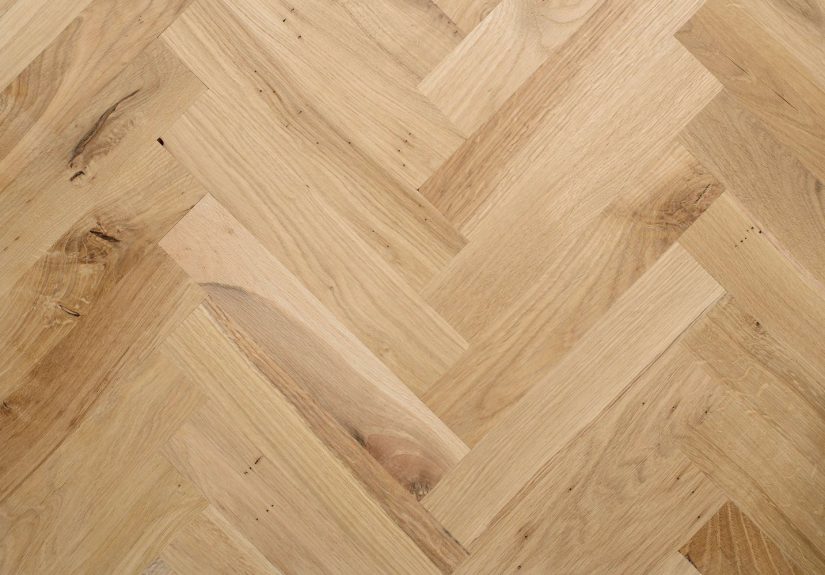
Parquet refers to flooring made from small pieces or “blocks” arranged in decorative
patterns – think herringbone, chevron, basketweave, or more intricate geometric
layouts. Rustic oak parquet tile takes that concept and gives it a relaxed, lived-in
twist: instead of perfectly uniform planks, you’ll see knots, mineral streaks, varied
grain, and color shifts that highlight the natural personality of oak.
Depending on the product, “tile” can mean:
- Solid or engineered oak parquet blocks that are glued to a
prepared subfloor and then finished with oil or lacquer. - Wood-look porcelain or ceramic parquet tiles that mimic rustic oak
in printed and textured surfaces but offer the moisture and stain resistance of tile. - Luxury vinyl or rigid core tiles with rustic oak visuals laid in a
parquet pattern, great for busy households and budget-conscious remodels.
No matter the construction, the goal is the same: a floor that looks like it has
history, even if it was installed last Tuesday.
Why Homeowners Love Rustic Oak Parquet
1. Timeless pattern with added character
Oak parquet has been used in grand European interiors for centuries, and it hasn’t
gone out of style yet. The patterned layout instantly elevates a space, while the
rustic grade of oak – knots, swirling grain, and color variation – keeps it from
feeling too formal or fussy. Instead of a perfectly smooth, uniform surface, you get
a floor with visual movement and depth that hides crumbs, paw prints, and daily wear
very gracefully.
2. Warmth, durability, and long-term value
Oak is a hardwood for a reason – it’s naturally dense, relatively resistant to
everyday wear, and can last for decades when maintained properly. Rustic grades don’t
mean “low quality”; they simply highlight more of the natural features of the wood,
which many homeowners now prefer over ultra-clean, almost plastic-looking boards.
In real wood form, rustic oak parquet can often be sanded and refinished over time,
giving you the option to refresh color and sheen rather than replacing the floor
altogether. Even wood-look porcelain or vinyl versions add perceived value, thanks to
their high-end appearance and low-maintenance appeal.
3. Flexible style – from modern loft to farmhouse cottage
“Rustic” doesn’t have to mean cabin-in-the-woods (unless you want it to). Rustic oak
parquet tile works in:
- Modern spaces where clean-lined furniture and minimal decor benefit
from the texture and pattern underfoot. - Farmhouse and cottage interiors where beams, shiplap, and vintage
pieces pair beautifully with warm, knotty oak. - Classic and traditional homes where parquet echoes period details
like millwork, fireplaces, and paneled doors.
Because the oak tone is usually warm and mid-range, you can layer it with creamy
whites, greige walls, inky blues, or charcoal accents without the room feeling cold.
Rustic Oak Parquet Tile vs. Other Flooring Options
Choosing flooring is basically choosing your daily relationship with dirt, dogs,
spilled coffee, and furniture rearranging. Here’s how rustic oak parquet compares to
other popular options.
Rustic oak parquet vs. standard wood planks
- Look: Parquet patterns (herringbone, chevron, etc.) are more
decorative than long planks. They add visual rhythm and make even small spaces feel
designed, not just “finished.” - Complexity: Parquet is more complex to install, so labor costs are
typically higher. The trade-off is a floor that looks custom and high-end. - Perceived value: Because parquet is associated with luxury and
historic homes, buyers often see it as an upgrade compared to standard planks.
Rustic oak parquet vs. wood-look porcelain tile
- Moisture resistance: Porcelain tiles are highly water- and
stain-resistant, making them ideal for kitchens, mudrooms, entries, and bathrooms
where real wood might struggle. - Maintenance: Tile requires simple sweeping and damp mopping with
mild cleaner; no refinishing or resealing of the “wood” surface is needed. - Comfort: Real wood feels warmer and softer underfoot. Tile can be
harder and cooler, though pairing it with area rugs or radiant heating solves a lot
of that.
Rustic oak parquet vs. luxury vinyl or rigid core
- Budget: Quality vinyl or rigid core parquet tiles are usually more
affordable than real wood parquet and can often be installed as a DIY project. - Durability: These products are highly scratch- and dent-resistant
and often waterproof, which is great for homes with kids, pets, or rentals. - Authenticity: Real oak will always win in terms of depth of grain,
natural color variation, and feel. Vinyl visuals are improving every year, but your
hands and feet can often tell the difference.
Where Rustic Oak Parquet Tile Shines in the Home
Rustic oak parquet tile isn’t just for formal dining rooms. Its combination of pattern
and durability makes it surprisingly versatile.
Kitchens and open-concept living areas
In open layouts, parquet helps visually separate zones without needing walls or rugs
everywhere. A rustic oak herringbone across the whole kitchen–dining–living area pulls
the space together and makes even a basic white kitchen look thoughtfully designed.
For moisture-prone kitchens, many homeowners choose wood-look porcelain parquet tiles
so they get the oak look without worrying about splashes near the sink or stove.
Entryways and hallways
These are high-traffic areas that benefit from both durability and drama. The pattern
of parquet draws you into the home, while the rustic character hides dust and minor
scuffs that would stand out on a very smooth, dark floor.
Bedrooms and home offices
In quieter rooms, rustic oak parquet adds a subtle luxury. Pair it with a soft wool
rug layered over the pattern so you get both comfort and visual interest. In home
offices, it creates a polished backdrop for everything from vintage desks to sleek,
minimal setups.
Popular Patterns for Rustic Oak Parquet Tile
The pattern you choose has a big impact on how your floor feels.
- Herringbone: Short boards laid in a broken zigzag. It’s classic,
stable, and works in almost any style of home. - Chevron: Boards are cut at an angle, forming perfect V-shapes. This
looks a bit more formal and directional, great for long hallways or modern spaces. - Basketweave or square patterns: These create a grid-like look that
feels traditional and works especially well in dining rooms and entry halls.
With rustic oak, these patterns gain extra depth: the knots and color changes move
across the pattern like a subtle patchwork quilt.
Installation Basics (Without Going Full Contractor Mode)
Rustic oak parquet tile installation is detail-heavy, so many homeowners hire
professional installers, especially for real wood. But understanding the basics helps
you ask smarter questions and avoid shortcuts that come back to haunt you later.
- Subfloor preparation: The surface must be flat, dry, and clean.
For wood parquet, moisture testing is important; for tile, you’ll need a solid,
stable substrate like cement board or properly prepped concrete. - Layout and pattern planning: Installers usually start from a
central focal line – such as the main sightline from the entry – and work outwards
so the pattern feels balanced. - Adhesives and setting materials: Wood parquet blocks are typically
glued down with flexible wood flooring adhesive, while tiles use thin-set mortar or
a system recommended by the manufacturer. - Expansion and movement: Real wood needs expansion gaps at room
edges; tile needs movement joints in large areas. Skipping these can lead to
buckling, tenting, or cracked grout.
If you’re handy and considering DIY with vinyl or click-together engineered parquet,
practice the pattern in a small area first. The layout is like solving a puzzle –
satisfying once you get it right, slightly maddening until then.
Care and Maintenance Tips
Rustic oak parquet tile may look like it belongs in an old château, but the day-to-day
care is surprisingly manageable if you follow a few simple rules.
For real oak parquet
- Daily/weekly: Sweep or vacuum with a hardwood-safe attachment to
remove grit that can scratch the finish. - Cleaning: Use a lightly damp microfiber mop and a wood-floor
cleaner recommended by your floor manufacturer. Avoid soaking the floor – standing
water is the enemy of wood. - Product no-gos: Skip abrasive pads, harsh degreasers, and generic
heavy-duty cleaners that can strip the finish or leave cloudy residue. - Long-term care: Depending on traffic and finish type, you may
occasionally recoat or refinish to restore sheen and address deeper scratches.
For wood-look porcelain or ceramic parquet tile
- Routine cleaning: Sweep and mop with warm water and a neutral, tile
safe cleaner. Unlike natural wood, porcelain doesn’t need special oils or
polishes. - Grout care: Pay attention to grout lines – they can collect dirt
even when the “wood” surface looks spotless. Periodically scrubbing with a soft
brush and mild cleaner keeps them fresh. - Avoid harsh chemicals: Strong acids, bleach-heavy products, or
super-abrasive tools can damage grout or dull certain tile finishes.
For vinyl or rigid core parquet tiles
- Sweep and vacuum often: Dust and grit can still cause micro-scratches.
- Use the right cleaner: Stick with pH-neutral cleaners made for
vinyl or resilient flooring; avoid waxes unless recommended. - Protect high-traffic zones: Entry mats and felt pads under furniture
will vastly extend the life of the finish.
Design and Styling Ideas
Once your rustic oak parquet floor is down, the fun part begins: styling the space
around it.
- Play with contrast: Pair warm rustic oak with cool-toned walls like
soft gray, misty blue, or deep charcoal for a balanced look. - Layer rugs: A simple flat-weave rug allows the parquet pattern to
peek through while softening acoustics and adding comfort. - Mix metals and textures: Rustic oak loves black iron, brushed brass,
linen, and boucle upholstery. The more tactile variety, the richer the room feels. - Mind door and stair transitions: Coordinating stair treads or
thresholds in oak or a complementary material keeps the look cohesive rather than
choppy.
Real-Life Experiences with Rustic Oak Parquet Tile
Beyond specs and product names, what does living with rustic oak parquet tile actually
feel like? Here are some real-world scenarios and takeaways that consistently show up
when homeowners talk about their floors.
The family kitchen that had to work hard
Picture a busy kitchen where kids drop cereal, the dog drags in leaves, and there’s a
constant stream of friends and relatives. One couple chose engineered rustic oak
herringbone in a matte finish for their open kitchen–dining space. Their big surprise
wasn’t how pretty it looked (they expected that) but how forgiving it was. The knots
and variation made small crumbs and scuffs nearly invisible between cleanings, and the
patterned layout hid traffic paths that would be obvious on a very plain floor.
Their main lesson learned: choose a finish with low sheen. A satin or matte sheen
reflects less light, so everyday dust and footprints don’t scream for attention. They
also swear by felt pads under every chair and a large rug under the dining table so
the chairs glide instead of scratch.
The urban loft that needed warmth
In a city loft with concrete ceilings, big windows, and lots of steel, the owners
wanted warmth without sacrificing practicality. They installed rustic oak wood-look
porcelain parquet tiles across the main living area and into the kitchen. The tiles
brought in the visual comfort of oak, but the couple didn’t have to worry about high
humidity, plant watering mishaps, or the occasional spilled cocktail.
Their only regret? Not planning radiant floor heating from the start. Tile can feel
cool underfoot in winter, and once furniture and built-ins are installed, adding
heating later becomes tricky. If you’re leaning toward porcelain parquet in a cool
climate, it’s worth considering underfloor heating during the planning phase.
A small hallway that suddenly felt intentional
Another homeowner used rustic oak parquet tile just in a narrow hallway that connects
bedrooms. Previously, the space felt like a purely functional corridor. After
installing herringbone parquet, the hallway became a design moment – a place to hang
art, add a narrow console, and enjoy the floor as a feature, not an afterthought.
Their takeaway: if your budget doesn’t allow for parquet everywhere, using rustic oak
parquet tile in a concentrated area – such as an entry, hallway, or dining room – can
still deliver a major style upgrade without the cost of a full-home installation.
Common themes from homeowners
- “It looks like it’s always been here.” Rustic oak parquet tends to
blend seamlessly into older homes and gives newer builds a sense of age and
authenticity. - “I spend way too much time looking at the floor.” The pattern and
grain invite the eye to wander, which is lovely for anyone who appreciates materials. - “I wish I’d protected it sooner.” A recurring lesson: add mats at
entries, felt pads under furniture, and clear rules about dragging heavy items as
soon as the floor is installed.
If you like the idea of a floor that doesn’t pretend to be perfect but still looks
carefully considered, rustic oak parquet tile is hard to beat. It’s a workhorse with
soul.
Conclusion
Rustic oak parquet tile combines the beauty of natural oak, the sophistication of
patterned flooring, and the practicality of modern finishes and formats. Whether you
choose real oak blocks, porcelain tiles, or resilient alternatives, this style adds
warmth, texture, and value to almost any room. Think about where you need durability,
how much maintenance you’re realistically willing to take on, and how the pattern will
interact with your furniture and sightlines.
Get those decisions right, and every time you walk across your floor – coffee in hand,
dog trotting beside you, kids abandoning socks in the hallway – you’ll feel like your
home’s character literally starts from the ground up.