Table of Contents >> Show >> Hide
- Why Roasted Vegetables and Chickpeas Are Worth the Hype
- The Roasting Science That Makes or Breaks Your Pan
- Ingredient Blueprint: What to Roast Together
- Foolproof Method: The Core Recipe Formula
- Five Flavor Directions So You Never Get Bored
- How to Turn One Pan Into Multiple Meals
- Common Mistakes (and Easy Fixes)
- Storage, Reheating, and Food Safety
- Smart Meal-Prep Plan for Busy Weeks
- Experience Section (Extended): What Real Kitchens Teach You About Roasted Vegetables and Chickpeas
- Conclusion
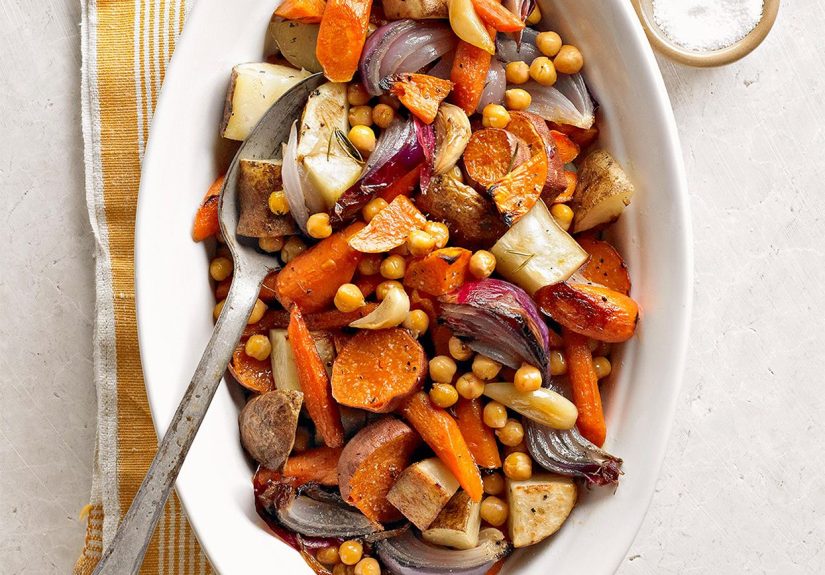
Some dinners are dramatic. Others are practical. Roasted vegetables and chickpeas are both:
sweet, savory, crispy, tender, colorful, protein-packed, and somehow still easy enough for a Tuesday when
your brain is running on 3% battery.
This is the kind of meal that looks like you tried hard, even when you mostly let the oven do the heavy
lifting. It fits busy weeknights, meal prep Sundays, “I forgot to defrost dinner” emergencies, and that
specific life stage where your produce drawer contains one onion, two carrots, and optimism.
In this guide, you’ll learn a foolproof method for getting caramelized vegetables and crispy chickpeas
(without turning them into tiny pebbles), how to season them so they never taste repetitive, and how to turn
one sheet pan into multiple meals. You’ll also get practical storage, reheating, and safety tips so leftovers
taste good and stay safe.
Why Roasted Vegetables and Chickpeas Are Worth the Hype
Let’s start with the obvious: flavor. Roasting transforms vegetables through browning and caramelization.
Translation: bland broccoli becomes toasty and nutty; onions turn sweet and jammy; carrots taste like candy’s
healthier cousin. Chickpeas, meanwhile, go from “quiet pantry item” to “crunchy, savory, salad-stealing star.”
But flavor is only half the story. Chickpeas also bring serious nutrition to the plate. A cup of cooked
chickpeas provides substantial plant protein and fiber, which makes this dish more filling than a vegetable
side alone. Pair that with a variety of vegetables and olive oil, and you get a meal that is satisfying,
balanced, and easy to customize.
There’s also a budget advantage. A can of chickpeas and a few seasonal vegetables usually cost much less than
takeout, and this dish scales beautifully for families or meal prep. If you’ve ever spent $17 on a grain bowl
and thought, “I could make this at home,” you were absolutely right.
Another bonus: chickpeas can count as either a protein food or a vegetable in meal planning, which gives you
flexibility when building plates around your nutrition goals.
The Roasting Science That Makes or Breaks Your Pan
1) High heat is your friend
Roasting works best at high oven temperatures (typically around 425°F to 450°F). Lower heat can cook
vegetables through, but often without that deep browning and crisp edge you’re craving.
2) Dry ingredients roast; wet ingredients steam
Moisture is the enemy of crispness. Pat vegetables dry after washing, and dry canned chickpeas thoroughly.
If chickpeas are still wet, they steam and soften instead of browning. Think of your sheet pan as a tiny
dry-heat ecosystem: every drop of excess water matters.
3) Give everything personal space
Overcrowding is the #1 reason roasted vegetables come out pale and limp. When pieces are piled together, steam
gets trapped. Spread everything in a single layer. If needed, use two pans. Yes, that’s one more pan to wash.
No, you will not regret it.
4) Cut for even cooking
Uniform size = uniform doneness. If your sweet potato chunks are giant and your zucchini is tiny, one burns
while the other stays firm. Cut dense vegetables smaller and softer vegetables larger when mixing varieties on
one tray.
5) Don’t cover the pan
Covering traps steam. Roasting needs dry circulating heat, not a sauna.
Ingredient Blueprint: What to Roast Together
A winning sheet pan usually combines different textures and sweetness levels. Here’s a practical mix-and-match
approach:
Best vegetables for roasted vegetable and chickpea bowls
- Dense/sweet: carrots, sweet potatoes, butternut squash, beets
- Savory/aromatic: red onion, yellow onion, shallots, fennel
- Quick-cooking: bell peppers, zucchini, broccoli, cauliflower, asparagus
Basic timing strategy
- Start dense vegetables first (10–15 minutes head start).
- Add quicker vegetables and chickpeas afterward.
- Roast until edges brown and centers are tender, usually 20–40 minutes total depending on cut size.
Chickpea options
- Canned chickpeas: fastest option; rinse, drain, and dry very well.
- Cooked-from-dry chickpeas: great texture and flavor; make a big batch for the week.
If you’re using canned chickpeas, rinsing can also reduce sodium. If you like better control over seasoning,
this small step helps.
Foolproof Method: The Core Recipe Formula
This method creates a versatile base you can season in dozens of ways.
Ingredients (serves 4)
- 2 cans chickpeas (15 oz each), rinsed, drained, and thoroughly dried
- 6–8 cups mixed vegetables, cut into bite-size pieces
- 3–4 tablespoons olive oil
- 1 to 1 1/2 teaspoons kosher salt (adjust to taste)
- 1/2 teaspoon black pepper
- 1–2 teaspoons spice blend of choice (see flavor formulas below)
- Optional finish: lemon juice, herbs, tahini drizzle, yogurt sauce, or grated Parmesan
Step-by-step
- Preheat oven to 425°F (or 450°F if your oven runs cool).
- Prep and dry vegetables and chickpeas very well.
- Season in separate bowls: coat vegetables with oil, salt, pepper; do the same for chickpeas.
- Spread in single layers on one or two sheet pans. No crowding.
- Roast 20–35 minutes total, tossing once halfway through.
- Check texture: vegetables should be tender with browned edges; chickpeas lightly crisp.
- Finish bright: add lemon, herbs, or a sauce after roasting to balance deep savory notes.
Texture tip that changes everything
Want chickpeas crisp outside but creamy in the middle? Roast them until golden and crackly, then let them cool
on the pan for a few minutes. Carryover heat firms the exterior without over-drying the center.
Five Flavor Directions So You Never Get Bored
1) Mediterranean Sheet Pan
Use oregano, garlic powder, smoked paprika, and black pepper. Finish with lemon zest, chopped parsley, and a
spoon of Greek yogurt or hummus thinned with water and lemon.
2) Smoky Chili-Lime
Toss with chili powder, cumin, smoked paprika, and a pinch of cayenne. Finish with lime juice and cilantro.
Add avocado if you want creamy contrast.
3) Warm Curry Roast
Use curry powder, turmeric, cumin, and a little coriander. Finish with a quick yogurt sauce plus mint. This
version is excellent with roasted cauliflower and carrots.
4) Garlic-Parmesan Comfort
Season with garlic powder, black pepper, and Italian herbs. Roast, then toss with grated Parmesan while hot.
Add red pepper flakes if your week needs excitement.
5) Maple-Mustard Savory-Sweet
Whisk Dijon, a small drizzle of maple syrup, olive oil, and apple cider vinegar. Coat vegetables before
roasting; season chickpeas simply with salt and pepper so flavors stay balanced.
How to Turn One Pan Into Multiple Meals
Build-a-bowl formula
- Base: quinoa, brown rice, farro, or leafy greens
- Main: roasted vegetables + chickpeas
- Sauce: tahini-lemon, herbed yogurt, or vinaigrette
- Crunch: pumpkin seeds, toasted nuts, or extra crispy chickpeas
Other easy uses
- Stuff into warm pita with greens and tahini sauce.
- Fold into scrambled eggs for a hearty breakfast.
- Toss with pasta and a splash of pasta water + olive oil.
- Top toast with ricotta, then pile on hot roasted vegetables and chickpeas.
- Use as taco filling with slaw and lime crema.
This versatility is why roasted vegetables and chickpeas are ideal for meal prep: cook once, remix all week,
avoid flavor fatigue.
Common Mistakes (and Easy Fixes)
“My vegetables are soggy.”
Likely causes: crowded pan, too much moisture, or low heat.
Fix: dry better, spread out, roast hotter.
“My chickpeas are chewy, not crispy.”
Usually moisture again. Pat dry aggressively before oiling.
Fix: roast longer and avoid saucing until after roasting.
“Everything cooks unevenly.”
Mixed vegetable sizes or incompatible timing.
Fix: cut evenly and stagger quick-cooking vegetables.
“It tastes flat.”
Roasted food loves acid and herbs.
Fix: finish with lemon, vinegar, fresh herbs, or a bright sauce.
“I used lots of salt and it still tastes dull.”
Salt helps, but it can’t replace contrast.
Fix: add acidity, a touch of sweetness, and texture (crunch/cream).
Storage, Reheating, and Food Safety
Roasted vegetables and chickpeas are meal-prep friendly, but quality and safety matter:
- Cool leftovers promptly and refrigerate in shallow containers.
- Use refrigerated leftovers within 3 to 4 days.
- Don’t leave cooked food out for more than 2 hours (1 hour if it’s very hot outside).
- For best texture, reheat on a sheet pan or in an air fryer rather than microwaving everything together.
If you plan to eat leftovers cold (for salads or wraps), keep sauces separate until serving. This preserves
texture and reduces “mystery mush syndrome,” which nobody requested.
Smart Meal-Prep Plan for Busy Weeks
Sunday setup (about 60 minutes total)
- Roast two trays of mixed vegetables + chickpeas.
- Cook one grain (quinoa, rice, or farro).
- Make one sauce (tahini-lemon or yogurt-herb).
- Prep one crunchy topping (seeds or nuts).
Now you have ready-to-build lunches and dinners in under five minutes. It’s the culinary equivalent of laying
out tomorrow’s clothessmall effort, huge payoff.
Experience Section (Extended): What Real Kitchens Teach You About Roasted Vegetables and Chickpeas
If there’s one pattern that shows up again and again in home-cook feedback, it’s this: people start making
roasted vegetables and chickpeas because they want a healthy vegetarian dinner, and they keep making it because
it quietly solves five problems at oncetime, budget, satiety, variety, and leftover fatigue.
Week 1 usually begins with overconfidence. Someone grabs every vegetable in the fridge, chops everything at
random sizes, dumps it onto one pan, and wonders why half the tray is steaming while the edges threaten to
carbonize. Then comes the first breakthrough: use two pans. Suddenly, the same ingredients taste completely
different. Peppers blister, onions sweeten, cauliflower browns, and chickpeas actually crisp. Confidence
restored.
Week 2 is where flavor learning kicks in. Most people discover that spice blends behave differently at high
heat. Garlic powder and paprika bloom beautifully, while delicate dried herbs can burn if overused too early.
They start holding back bright ingredientslemon, vinegar, fresh herbsuntil after roasting. That one shift
turns “pretty good” into “can I have seconds?” It’s also when people realize sauces are not cheating; they’re
architecture. A spoonful of tahini-yogurt under hot vegetables creates contrast in temperature, texture, and
richness. Dinner starts feeling restaurant-level with pantry-level effort.
By Week 3, the method becomes muscle memory. Roasting no longer feels like a recipe; it feels like a framework.
Dense vegetables go in first. Chickpeas and quick vegetables follow. Stir halfway. Finish bright. The dish
starts adapting to seasons naturallysquash and carrots in cooler months, zucchini and peppers when it’s warm.
People who once said, “I’m bad at vegetables,” begin improvising confidently with whatever is on hand.
The most underrated experience is how this dish changes weekday momentum. One big batch on Sunday often
translates into calmer evenings: a bowl Monday, pita pockets Tuesday, grain salad Wednesday, quick tacos
Thursday. Even when schedules explode, there’s a fallback meal that doesn’t feel like a compromise. And because
chickpeas add real staying power, people report fewer late-night snack raids and less “I ate but I’m somehow
still hungry” frustration.
There are practical lessons too. First, parchment is convenient, but some cooks notice better browning directly
on a lightly oiled sheet pan. Second, salt timing matters: too much too early can draw water out of watery
vegetables; seasoning in stages often works better. Third, leftovers improve when stored in components.
Keeping sauce separate and reheating in dry heat preserves texture and gives day-two meals a fresh feel.
Finally, there’s the psychological win: this dish is forgiving. Burn one tray slightly? Fold it into a grain
bowl with yogurt and herbsstill great. Chickpeas less crisp than planned? Toss them into a warm salad with a
sharp vinaigretteproblem solved. Roasted vegetables and chickpeas reward consistency more than perfection, and
that’s exactly why they become a household staple instead of a one-time recipe experiment.
Conclusion
Roasted vegetables and chickpeas work because they combine strong flavor, flexible nutrition,
and real-world convenience. With high heat, good spacing, and dry ingredients, you’ll get caramelized vegetables
and crisp chickpeas every time. From there, sauces and spice blends keep the dish fresh across seasons and
schedules.
If you want a healthy sheet-pan dinner that’s affordable, meal-prep friendly, and endlessly customizable,
this is the method to master. Start simple, roast often, and let your oven do the glamorous part.