Table of Contents >> Show >> Hide
- Know Before You Grow: Expectations and Basics
- Step 1: Pick and Prep the Perfect Avocado Pit
- Step 2: Choose Your Sprouting Method
- Step 3: Potting Up Your Avocado Seedling
- Step 4: Everyday Avocado Tree Care Indoors
- Troubleshooting: Common Avocado Pit Problems
- Will Your Pit-Grown Avocado Ever Bear Fruit?
- Real-Life Lessons: of Avocado Growing Experience
- Conclusion
If you eat avocados like it’s your part-time job, you’ve probably stared at that big leftover pit and thought, “There has to be something fun I can do with this.” Good news: there is. Turning an avocado pit into a cute little tree is one of the easiest (and cheapest) DIY plant projects you can tackle at home. No greenhouse, no fancy equipmentjust a pit, a jar, some soil, and a pinch of patience.
In this guide, you’ll learn several quick and easy ways to grow an avocado tree from a pit, whether you’re a water-glass person, a paper-towel experimenter, or a “just stick it in soil and see what happens” gardener. We’ll cover step-by-step methods, indoor care tips, troubleshooting common problems, and what to realistically expect if you dream of homegrown guacamole someday.
Know Before You Grow: Expectations and Basics
First, a tiny reality checkfollowed by encouragement. Growing an avocado tree from a pit is almost always about the experience and the houseplant, not guaranteed fruit. Most seed-grown avocado trees take 5–10 years to even think about fruiting, and indoor trees may never produce at all. But that’s okay: you still get a striking, glossy-leafed tree that grows with you over the years.
Here are a few basics to keep in mind before you start:
- Climate: Avocados prefer warm, frost-free conditions (roughly USDA zones 9–11). In cooler climates, treat your avocado as an indoor or patio plant that vacations outdoors in summer and comes back inside before temps drop below about 50°F.
- Light: Bright, indirect light is your new best friend. A south- or west-facing window is ideal for indoor avocado trees.
- Soil: Avocados like well-draining soil with a slightly acidic to neutral pH (around 6.0–6.5). Heavy clay or muddy soil is a fast track to root rot.
- Water: They love moisture but hate “wet feet.” Whether you’re sprouting in water or growing in a pot, drainage is everything.
With expectations set, let’s turn that pit into a baby avocado tree.
Step 1: Pick and Prep the Perfect Avocado Pit
Choose a Good Avocado
You don’t need a special variety to get started. A ripe supermarket Hass avocado is totally fine. Look for one that’s soft enough to eat but not mushy or shriveled. If the fruit is decent, the pit usually is, too.
Clean and Peel the Pit
- Cut the avocado, remove the pit gently, and rinse off all flesh under lukewarm water.
- Pat the pit dry with a towel.
- Optional but helpful: carefully peel off the thin brown skin. Many growers find that removing this outer coat speeds up germination slightly and lets you see cracks and roots forming more easily.
- Identify the ends: the pointy end is the top (where the stem will sprout), and the flatter, broader end is the bottom (where roots will grow).
Once your pit is clean and you know which side is up, you’re ready to choose a sprouting method.
Step 2: Choose Your Sprouting Method
There are three popular, easy methods to grow an avocado tree from a pit:
- The classic toothpick-in-water method (Instagram famous).
- The low-mess paper-towel “greenhouse” method.
- The practical direct-in-soil method.
All three work. Soil tends to be the most efficient long-term for a serious tree, but the water-glass method wins the “wow” factor and makes it easier to watch roots grow.
Method 1: Toothpick-and-Water (The Classic)
This is the method everyone recognizesand it’s still fun, even if you’ve done it 20 times.
- Insert 3–4 toothpicks into the avocado pit around its middle (the widest part), angling them slightly downward. These will act like tiny stilts.
- Balance the pit over a glass or jar of water so the bottom (flat end) sits in the water and the top stays dry.
- Use room-temperature water and keep the glass in a warm spot with bright, indirect lightthink sunny kitchen windowsill, not scorching hot, south-facing desert ledge.
- Change the water every few days to keep it clear and oxygenated. This helps prevent mold and rot while encouraging healthy roots.
With good conditions, the pit will usually split and start sending out roots in about 2–8 weeks. First comes the white root, then a vertical sprout that slowly pushes upward and forms leaves. If nothing happens after eight weeks, it’s probably a dudno shame in starting over with another pit.
Method 2: Paper Towel & Plastic Bag (Mini Greenhouse)
If the toothpick method feels fussy, try the paper towel method. It’s neat, compact, and doesn’t require a permanent glass on the counter.
- Moisten a paper towel so it’s damp but not dripping.
- Wrap the cleaned pit in the towel, making sure the whole seed is covered.
- Place the wrapped pit in a resealable plastic bag or small container. Leave a bit of air inside; don’t vacuum seal it.
- Store it in a warm, dark spot like the top of the fridge or a cupboard near the stove.
- Check weekly. Re-moisten the towel if it’s drying out and watch for cracks, roots, and a sprout.
Once the main root is a few inches long and you see a sprout starting, it’s time to pot your seedling into soil.
Method 3: Directly in Soil (For the Practical Gardener)
If your goal is a sturdier plant with less transplant shock, you can skip the water phase entirely and plant the pit right in the pot.
- Choose a small pot (about 6–8 inches wide) with drainage holes.
- Fill it with a well-draining potting mixa blend for citrus or cactus with some compost works well. Avoid heavy garden soil that compacts and holds too much water.
- Press the pit into the soil with the flat bottom down and the top third to half of the pit above the soil line.
- Water gently until the soil is evenly moist but not soggy.
- Place the pot in a warm, bright spot and keep the soil lightly moist. Don’t let it dry out completely, especially before roots are established.
This method looks less dramatic than a pit hovering over water, but it’s closer to how the tree will actually live long-term and often results in a stronger root system.
Step 3: Potting Up Your Avocado Seedling
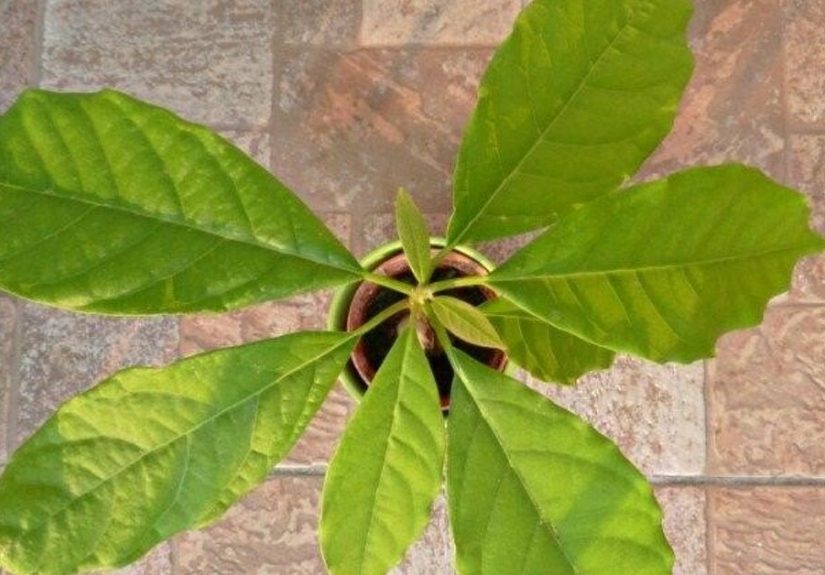
Whether you sprouted your pit in water or in a bag, eventually you’ll see a healthy root (or several) and a sprout 4–6 inches tall. That’s your cue to move the plant to a pot.
- Choose the pot: Start with a pot 8–10 inches wide with drainage holes. Unglazed clay pots work well because they breathe and help prevent overwatering.
- Prepare the soil: Use a well-draining potting mix. You can add a bit of coarse sand or perlite to improve drainage and reduce the risk of root rot.
- Plant the seedling: If sprouted in water, gently place the roots into a hole in the soil, supporting them carefully so they don’t snap. Bury the roots and the lower half of the pit, leaving the top half exposed above the soil surface.
- Water thoroughly: Water until excess moisture drains out of the bottom. Then let the top inch of soil dry out before watering again.
- Pick the right location: Set the pot somewhere with bright, indirect light and stable temperatures between 60°F–85°F.
After potting, your avocado seedling may sulk for a week or twothis is normal transplant shock. Keep the soil lightly moist and resist the urge to drown it with love (and water).
Step 4: Everyday Avocado Tree Care Indoors
Light Requirements
Avocados are sun-lovers. Indoors, aim for at least 6 hours of bright, indirect light daily. A sunny window is ideal, but if your home is darker, consider adding a simple full-spectrum grow light positioned 8–12 inches above the plant.
Watering Without Drowning Your Tree
Too much water is the fastest way to kill an avocado. Consistently soggy soil invites root rot, which shows up as limp, yellowing leaves and stunted growth.
- Check the soil with your finger: if the top inch feels dry, it’s time to water.
- Water deeply until it drains from the bottom, then dump any extra water from saucers.
- In winter, when growth slows, cut back watering frequency.
Humidity, Temperature, and Airflow
Avocados like things warm and slightly humidsimilar to how your skin feels stepping out of a nice shower. If your home is dry, especially in winter, use a pebble tray with water, group plants together, or run a small humidifier nearby.
Keep your tree away from cold drafts, heat vents, and blasting AC. Sudden temperature swings can cause leaf drop or brown tips.
Feeding and Pruning
Once your avocado has been in soil for a few months, you can start feeding it with a balanced, diluted liquid houseplant fertilizer about once a month during spring and summer. Skip fertilizing in winter when growth naturally slows.
As the tree grows, pinch or trim the top when it reaches about 12 inches tall. This encourages side branches and a bushier, fuller shape instead of one tall, skinny stem. You can continue lightly pruning to shape the tree and keep it compact, especially if you’re growing it indoors.
Troubleshooting: Common Avocado Pit Problems
Problem: The Pit Is Growing Mold or Turning Mushy
If you’re using the water or paper towel method and notice fuzzy mold or a funky smell, your pit may be too wet or not getting enough air.
- Change water frequently and rinse the pit if it’s in a glass.
- With the paper towel method, wring out excess water and use a fresh towel.
- If the pit is extremely soft and falling apart, it’s time to start over.
Problem: Leaves Are Browning at the Tips
Brown leaf tips usually mean one of two things: underwatering or a buildup of salts from fertilizer or tap water.
- Check your watering routine: totally dry soil plus crispy leaves = thirsty plant.
- Once in a while, flush the soil with extra water to rinse out excess salts.
- If your tap water is very hard, using filtered or rainwater can help prevent leaf burn.
Problem: The Plant Looks Tall, Weak, and “Leggy”
That stretched-out, wobbly look means your avocado is begging for more light.
- Move it closer to a bright window or add a grow light.
- Pinch back the top to encourage bushier side growth.
- Rotate the pot every week so it doesn’t lean too hard toward one direction.
Problem: Leaves Yellowing and Plant Wilting
Yellow leaves and wilted stems often signal root problems, especially root rot from too much water and poor drainage.
- Let the soil dry more between waterings.
- Make sure your pot has drainage holes and the soil isn’t compacted.
- In severe cases, gently remove the plant, trim away black, mushy roots, repot in fresh soil, and reduce watering.
Will Your Pit-Grown Avocado Ever Bear Fruit?
Here’s the honest answer: maybebut don’t count on it. Seed-grown avocado trees are genetic wildcards. They may not produce fruit identical to the original avocado, and they can take many years to matureoften 5–10 years or more.
If you live in a warm climate and eventually move your tree outdoors, it has a better chance of flowering and fruiting. In cooler climates, treat the plant as a beautiful, leafy houseguest. If you’re serious about harvesting avocados, buying a grafted tree bred for fruit production is a more reliable route.
But even if your pit-grown tree never fruits, the process is still rewarding: you’ll learn hands-on plant care skills, decorate your home with a lush indoor tree, and get bragging rights for turning kitchen scraps into something living.
Real-Life Lessons: of Avocado Growing Experience
Growing an avocado tree from a pit is one of those projects that teaches you as much about yourself as it does about plants. It looks simplepop the pit in water, wait, bam: tree. But once you’ve actually done it a few times, you start collecting little tricks, habits, and “oops, won’t do that again” stories.
One of the first lessons people learn is that patience is not optional. For the first few weeks, the pit just sits there, looking smug and doing nothing. Friends come over, see the glass of water with a floating seed, and ask, “So… is that it?” Then, right when you’re about to give up, a tiny crack appears, followed by a threadlike root that somehow makes you feel wildly proud. That root is the moment you realize plants are on their own timeline, not yours.
Another big takeaway is how dramatically environment matters. Place your avocado pit in a cold, dim corner and it will sulk for months. Move the same pit to a warm, bright kitchen window and suddenly it wakes up. Many avocado growers notice that pits sprout faster in late spring and summer, when indoor temperatures are warmer and the light is stronger, even if you’re doing everything else the same. Once you see that, you start paying more attention to light levels, drafts, and room temperature for all your houseplants.
Watering is where a lot of people stumble. At first, you’re tempted to treat your avocado like a thirsty pet: more water must mean more love. But that’s how you meet your villain, root rot. After watching a promising plant slowly collapse in soggy soil, you learn to check moisture before watering and to respect drainage holes like they’re sacred. Many people end up switching from decorative pots with no holes to more functional nursery pots tucked inside pretty covers. It’s not as Pinterest-perfect, but your avocado will thank you with actual survival.
Pruning is another “aha” moment. The first time your avocado hits a foot tall, it may look like a proud green flagpole. It feels almost wrong to cut it back. But when you snip off the top couple of inches and see new side branches appear, you realize pruning is less “plant violence” and more “architectural coaching.” Over time, you get bolder about shaping the tree, encouraging a fuller canopy instead of a single tall stem that flops against the nearest window.
Perhaps the biggest experience-based lesson is about letting go of perfection. Some pits never sprout. Some seedlings grow crooked. Some lose leaves during a cold snap or a move. That’s all part of the process. Once you’ve grown a few avocado trees from pits, you stop expecting each one to be a flawless Pinterest star and start enjoying them as little living experiments. You may even find yourself handing sprouted pits to friends like party favors: “Here, take this home and see what happens.”
In the end, growing an avocado tree from a pit is a mix of science, patience, and a sense of humor. You’ll make a few mistakes, but you’ll also gain a leafy companion that started life as what most people toss in the trash. And that small bit of everyday magic is what makes this project so satisfying.
Conclusion
Turning an avocado pit into a thriving little tree is simple, budget-friendly, and surprisingly addictive. With a clean pit, your choice of sprouting method, a sunny spot, and mindful watering, you can grow a beautiful indoor avocado tree that adds life and personality to your home. Whether it ever produces fruit or just plays the role of leafy roommate, you’ll know you grew it from scratchand that’s a win all on its own.