Table of Contents >> Show >> Hide
- What Is a Porch?
- What Is a Patio?
- Porch vs. Patio at a Glance
- Key Differences Between a Porch and a Patio
- Which One Is Better for Your Home?
- When a Porch Makes More Sense
- When a Patio Makes More Sense
- Common Mistakes Homeowners Make
- Real-World Experiences: What Living With a Porch or Patio Actually Feels Like
- Conclusion
Some home features spark deep emotional attachment. A clawfoot tub. A giant kitchen island. A pantry that does not double as an avalanche. And then there is the outdoor living debate that quietly confuses homeowners, buyers, and weekend DIY dreamers everywhere: porch vs. patio.
The two terms get tossed around like they mean the same thing, but they absolutely do not. A porch and a patio can both give you a place to sip coffee, host friends, dodge indoor chaos, and pretend you are a very serene person who definitely does not have unfinished projects in the garage. But structurally, visually, and functionally, they are different outdoor spaces with different strengths.
If you are planning an upgrade, comparing resale appeal, or just trying to sound confident when talking to a contractor, it helps to know exactly what separates a covered porch from a backyard patio. The short version is this: a porch is usually attached to the house and covered, while a patio is usually a ground-level hardscaped area that may be attached or separate from the house.
That sounds simple enough, but the real difference goes beyond a roof. Layout, materials, maintenance, privacy, weather protection, design flexibility, and even how the space feels day to day all matter. Let’s break down the key differences between a porch and a patio so you can decide which one makes the most sense for your home, your budget, and your lifestyle.
What Is a Porch?
A porch is an outdoor structure that is attached directly to a house. It is commonly located at the front entry, though back and side porches are also popular. In many homes, the porch is covered by a roof and supported by columns or posts. Some porches are open, while others are screened in or partially enclosed.
A porch often feels like an extension of the home’s architecture rather than a separate zone. It usually connects to an entrance, which makes it part greeting station, part relaxation nook, and part package-drop headquarters. Depending on the design, a porch can be small and simple or large enough to function as an extra outdoor room.
Classic porch features may include railings, steps, ceiling fans, painted wood flooring, lighting, and seating such as rocking chairs or a porch swing. In terms of vibe, a porch says, “Come sit for a while.” It is cozy, close to the house, and often ideal for casual conversations, reading, or watching the neighborhood roll by.
What Is a Patio?
A patio is a ground-level outdoor surface, usually made from hardscape materials such as concrete, brick, pavers, tile, or natural stone. It is often located in the backyard or side yard and may sit directly next to the home or farther away in the landscape.
Unlike a porch, a patio is usually open to the sky unless you add shade features like a pergola, umbrella, awning, or covered structure. It is less about architecture and more about placement and use. A patio can be a dining area, grilling zone, fire pit hangout, outdoor kitchen base, or a full-blown backyard retreat with planters, lighting, and built-in seating.
If a porch is the handshake of the house, a patio is the backyard party planner. It is generally more flexible in shape and location, which makes it a favorite for homeowners who want to create dedicated spaces for entertaining, lounging, or outdoor dining.
Porch vs. Patio at a Glance
- Porch: Attached to the house, usually covered, often near an entrance, more architectural in nature.
- Patio: Ground-level surface, usually paved, often open-air, more flexible in size, shape, and placement.
- Porch feel: Welcoming, sheltered, front-of-house charm.
- Patio feel: Open, customizable, backyard entertaining hub.
Key Differences Between a Porch and a Patio
1. Location and Attachment
The biggest difference in the porch vs. patio debate is how each space connects to the home. A porch is part of the house. It is structurally attached and often integrated into the home’s footprint, roofline, and exterior style. A patio may sit right outside the back door, but it does not have to be physically tied into the home’s structure in the same way.
This matters because attached architectural features usually involve more planning, structural support, and design coordination. A patio, by contrast, offers more freedom. You can tuck it beside a garden, place it near a pool, or create a separate conversation area away from the house.
2. Roof and Weather Protection
Most porches are covered. That roof is a major advantage in rainy climates, hot summer afternoons, and places where you want more shade and shelter. It also affects how the space is used. A covered porch can support ceiling lights, fans, and more delicate furnishings because it has some protection from sun and moisture.
Patios are usually uncovered unless you add a shade element. That openness can be a benefit if you love sunshine, stargazing, or a wide-open backyard feel. But it also means furniture and finishes may need to work harder against weather exposure. In other words, your patio cushions may enjoy the outdoors a little less than you do.
3. Materials and Construction
A porch often uses materials associated with house construction, such as wood, composite boards, railings, trim, columns, and painted flooring. Because it may include steps, a roof, and structural framing, a porch is usually more complex to build.
A patio is typically made from durable patio materials like poured concrete, pavers, brick, gravel, or natural stone. Construction is more about grading, base preparation, drainage, and surface installation. That makes patios highly customizable in shape and pattern, from sleek modern slabs to rustic flagstone layouts.
4. Style and Curb Appeal
Porches tend to boost curb appeal in a very obvious way because they are often visible from the street. A well-designed front porch can make a home feel warmer, friendlier, and more complete. It adds personality and can visually frame the entrance.
Patios usually shine in the backyard. Their value is often tied to lifestyle and usability rather than front-facing charm. A great patio can transform a plain yard into an outdoor living room, dining zone, or entertainment space. It may not be the first thing people notice from the curb, but it can become the feature everyone remembers after a summer barbecue.
5. Privacy and Social Use
Porches, especially front porches, are more public-facing. That can be wonderful if you enjoy chatting with neighbors or creating a welcoming entrance. It can be less wonderful if your ideal evening involves silence, privacy, and zero small talk about lawn care.
Patios are usually more private because they are often located in backyards or side yards. That makes them better for larger gatherings, dining with family, or building out features like fire pits, outdoor kitchens, and lounge areas.
6. Functionality
Porches are often best for transitional, everyday use. Think morning coffee, after-work decompression, reading, decorating for the seasons, or providing shelter at the entry. They are intimate and convenient.
Patios usually support a wider range of outdoor activities. Because they are more open and adaptable, they are often better for grilling, dining, hosting guests, or arranging multiple furniture zones. If your goal is outdoor entertaining, a patio often gives you more room to play with.
7. Cost and Complexity
In general, porches tend to cost more than patios because they are structural additions that often include roofing, framing, stairs, electrical work, and permits. Patios are often more budget-friendly, especially if the design is straightforward and the site is already level.
That said, a high-end patio with premium stone, built-in seating, drainage upgrades, lighting, and an outdoor kitchen can absolutely become a serious investment. So the better rule is this: a basic patio is often simpler and less expensive, while a porch usually starts with more construction complexity from day one.
8. Maintenance Needs
Maintenance depends on materials, but porches and patios age differently. Wood porches may need repainting, sealing, cleaning, and regular inspection for moisture damage. Screened porches add another layer of upkeep because screens, doors, and trim all need attention over time.
Patios often require less maintenance, especially when built from concrete or pavers. Even so, they are not maintenance-free. Weeds can creep between pavers, surfaces can stain, and poor drainage can lead to shifting or cracking. The patio may be low drama, but it is not zero drama.
Which One Is Better for Your Home?
The best choice depends on how you actually live, not just what looks pretty in a saved photo folder. A porch may be the better fit if you want a sheltered entry space, stronger front-facing charm, or an outdoor area that feels connected to the house. It is especially appealing in neighborhoods where front porches suit the local architecture and social style.
A patio may be the smarter pick if you want design flexibility, backyard privacy, or room for dining, grilling, and entertaining. It also tends to work well for homeowners who want to create a lifestyle space without taking on a major structural addition.
In some cases, the answer is not porch or patio. It is porch and patio. A front porch can handle welcome-home charm while a backyard patio takes care of parties, dinner outdoors, and late-night marshmallow diplomacy around a fire feature.
When a Porch Makes More Sense
- You want a covered outdoor area near the front or back entry.
- You care a lot about traditional character and street-facing appeal.
- You want protection from sun and rain without adding a separate shade structure.
- You like smaller, cozier seating areas for daily use.
- Your home’s architecture naturally supports a porch addition.
When a Patio Makes More Sense
- You want a more private outdoor living space.
- You need room for dining, grilling, or entertaining larger groups.
- You want more freedom with layout, materials, and backyard placement.
- You prefer a project that may be simpler than a structural porch addition.
- You want features such as a fire pit, garden border, pergola, or outdoor kitchen.
Common Mistakes Homeowners Make
Ignoring Climate
A gorgeous patio in full sun can turn into a skillet by midafternoon if you skip shade planning. Likewise, a porch without good airflow can feel stuffy in hot weather. Always think about sun, wind, rain, and how your region behaves in real life, not just on listing photos taken in perfect weather.
Choosing Looks Over Use
People sometimes design for aesthetics first and daily life second. That is how you end up with a stunning patio that fits six chairs and exactly zero human elbows. Measure your furniture, plan circulation, and think through how the space will actually be used.
Overlooking Maintenance
Some materials look fantastic on day one and become a weekend chore on day 300. Before choosing finishes, ask how often they need sealing, washing, repainting, or repair. Low-maintenance materials can be worth every penny if you value free Saturdays.
Forgetting About Flow
The best outdoor spaces feel connected to the home. A porch should make the entry feel intentional. A patio should link naturally to doors, the kitchen, or the yard. If the layout feels awkward, even a beautiful space can be underused.
Real-World Experiences: What Living With a Porch or Patio Actually Feels Like
On paper, the difference between a porch and a patio sounds technical. In daily life, it feels personal. Homeowners often discover that the “better” choice depends less on definitions and more on routines, habits, and the kind of moments they want their home to create.
People who love porches often describe them as the soft landing spot of the house. It is where they drink coffee before the rest of the family wakes up, wave to neighbors without fully committing to a social event, and enjoy a little fresh air without walking all the way into the yard. A covered porch can also be surprisingly practical. You can step outside during a light rain, bring in groceries without getting soaked, or sit outside in summer heat with a fan overhead and still feel comfortable.
There is also something emotionally appealing about a porch. It creates a threshold between public and private life. You are outside, but not fully out in the yard. You are home, but not stuck inside. For many homeowners, that in-between feeling becomes the whole point. It is a place for a rocking chair, a seasonal wreath, and ten quiet minutes before the day starts asking for things.
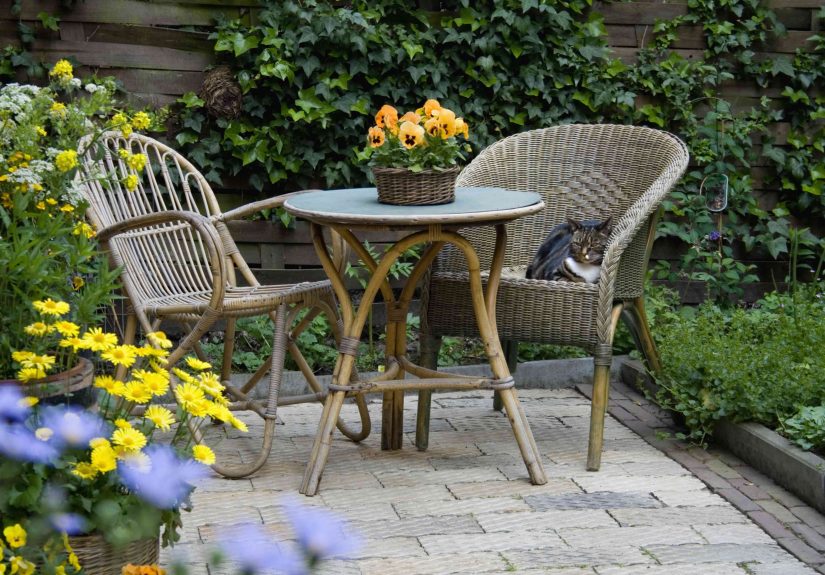
Patio owners tend to talk about flexibility. A patio can become whatever the household needs next. One family uses it as a grilling and dining zone. Another arranges deep seating around a fire pit. Someone else adds container plants, string lights, and a tiny bistro table and suddenly has a backyard escape that feels far fancier than its square footage suggests.
Many homeowners also find that patios are better for gatherings. You can spread out, move furniture around, and create separate zones for eating, talking, and relaxing. Kids can run through the yard while adults stay anchored near the patio, which makes the space feel like a social command center. Unlike a narrow front porch, a patio often gives you room to host without balancing a plate on your knee like a nervous flamingo.
Of course, real experience includes real trade-offs. Porch owners sometimes realize that a front-facing space invites more visibility than they expected. Patio owners sometimes discover that full sun, wind, or poor drainage can affect comfort more than anticipated. The happiest outcomes usually happen when homeowners design for behavior, not just beauty. If you read outside, prioritize comfort and shade. If you host dinners, plan for lighting and traffic flow. If you want a quiet retreat, think about privacy and noise.
In the end, both spaces can improve everyday life. A porch tends to support slow moments and curb appeal. A patio tends to support activity and backyard living. Neither one is automatically better. The best one is the one you will actually use when real life shows up with muddy shoes, summer heat, a plate of burgers, a cup of coffee, and maybe one very determined mosquito.
Conclusion
When comparing porch vs. patio, the difference comes down to structure, purpose, and lifestyle. A porch is usually attached, covered, and closely tied to the architecture of the home. A patio is usually ground-level, open-air, and more flexible in placement and design. Both can increase comfort, improve everyday living, and make your home more inviting.
If you want charm, shelter, and a welcoming transition space, a porch may be the right move. If you want privacy, entertaining room, and freedom to shape your outdoor layout, a patio may win the day. And if your budget and layout allow both, congratulations: you have officially entered elite outdoor living territory.