Table of Contents >> Show >> Hide
- Understanding the goal of Parkinson’s treatment
- Medication for Parkinson’s disease
- Therapy for Parkinson’s: the underrated powerhouse
- Surgical and advanced treatment options
- Alternative remedies and complementary approaches
- How treatment plans are built in real life
- Practical treatment experiences: what living with Parkinson’s care often feels like
- Conclusion
Parkinson’s treatment is not a one-size-fits-all miracle potion. It is more like a carefully packed toolbox: one part medication, one part therapy, one part lifestyle strategy, and one part patience that deserves a trophy. While there is still no cure for Parkinson’s disease, modern treatment can do a great deal to reduce symptoms, protect independence, and improve quality of life.
The tricky part is that Parkinson’s does not show up the same way in every person. One person may battle tremor. Another may struggle more with stiffness, slowness, swallowing, sleep, constipation, anxiety, or that frustrating feeling that their body forgot how to cooperate with their brain. That is why the best Parkinson’s treatment plan is usually personalized, adjusted over time, and built around both motor and non-motor symptoms.
In practical terms, treatment usually includes medication to help control movement symptoms, physical and speech-based therapies to preserve daily function, exercise to support balance and mobility, and carefully selected complementary remedies that may add support without pretending to be magic beans. Here is what that treatment landscape actually looks like.
Understanding the goal of Parkinson’s treatment
The main goal of Parkinson’s treatment is not to “fix” the disease overnight. The real goal is to help people function better, stay safer, and hold onto independence for as long as possible. Doctors often focus on reducing slowness, stiffness, tremor, walking problems, and medication “off” periods, while also treating issues like depression, sleep trouble, constipation, drooling, and swallowing changes.
That means treatment evolves. Early on, a person may need a medication adjustment and a strong exercise habit. Later, they may need more advanced medication timing, therapy for speech or falls, or even device-based treatment such as deep brain stimulation. In other words, Parkinson’s care is a long game, not a one-visit event.
Medication for Parkinson’s disease
Levodopa and carbidopa: the main event
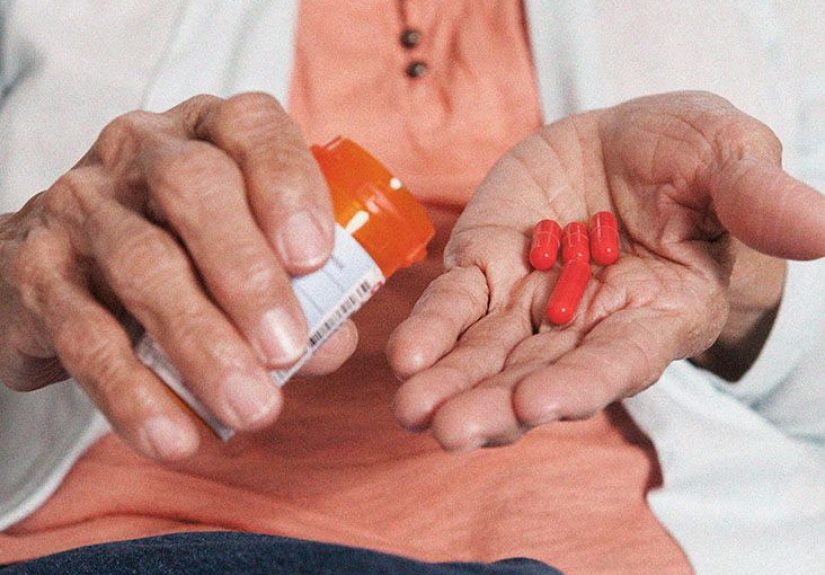
If Parkinson’s medications had a headline act, levodopa would be center stage under a spotlight. It remains the most effective medicine for improving the classic motor symptoms of Parkinson’s disease, especially slowness and stiffness. Because levodopa is converted into dopamine in the brain, it helps compensate for the dopamine loss that drives many Parkinson’s symptoms.
It is usually paired with carbidopa, which helps more levodopa reach the brain and reduces side effects such as nausea. This combination is often the first-line treatment because it works well and has the strongest track record for motor symptom relief. For many people, it can noticeably improve movement, walking, facial expression, and overall daily function.
That said, levodopa is not a perfect superhero. Over time, some people develop wearing-off periods, when the medication stops working before the next dose is due, or dyskinesias, which are involuntary movements that can happen after years of treatment. This does not mean the medicine has “failed.” It usually means the treatment plan needs smarter timing, dose adjustments, or add-on therapies.
Dopamine agonists
Dopamine agonists mimic dopamine rather than turning into it. These medications may be used in some people, especially earlier in treatment or alongside levodopa. They can help with motor symptoms, but they are generally less potent than levodopa and may carry side effects such as sleepiness, swelling, hallucinations, or impulse-control problems.
That last one matters more than people expect. A medication may help tremor but also trigger gambling, compulsive shopping, binge eating, or other out-of-character behaviors in some patients. This is one of those moments when “tell your doctor about side effects” is not just generic brochure language. It is essential.
MAO-B inhibitors and COMT inhibitors
MAO-B inhibitors help the brain hold onto dopamine longer. They may be used early in Parkinson’s or added later to stretch the effect of levodopa. COMT inhibitors work in a similar support-role fashion by helping levodopa last longer in the body. These drugs are not usually the star of the show, but they can be very useful supporting actors when medication benefit starts fading between doses.
Amantadine and other options
Amantadine may help some people with dyskinesia and certain Parkinson’s symptoms. Anticholinergic drugs are sometimes used for tremor, though they are generally used more cautiously because they can affect memory, thinking, and other functions, especially in older adults.
Doctors may also prescribe medications that are not Parkinson’s drugs in the classic sense but still matter enormously, such as treatments for constipation, depression, anxiety, hallucinations, bladder issues, or sleep problems. Parkinson’s is not just a movement disorder, and treatment should not act like it is.
Advanced medication delivery
For people with more advanced Parkinson’s, standard pills may become less predictable. In those cases, continuous or device-assisted medication delivery may be considered. These options aim to reduce major fluctuations and smooth out symptom control when swallowing, timing, or absorption becomes harder to manage with tablets alone.
The big lesson here is simple: Parkinson’s medication is rarely about finding one perfect pill forever. It is about fine-tuning the right combination at the right time for the right person.
Therapy for Parkinson’s: the underrated powerhouse
Medication gets a lot of attention because pills are visible, measurable, and easy to discuss. Therapy, on the other hand, does not come in a bottle, so it sometimes gets treated like an optional side quest. It is not. Rehabilitation therapies are a core part of Parkinson’s treatment and often make the difference between “getting by” and “living well.”
Physical therapy
Physical therapy helps people work on gait, posture, balance, turning, flexibility, and fall prevention. It also teaches strategies for freezing episodes, where the feet seem glued to the floor at exactly the worst possible moment. A physical therapist with Parkinson’s experience can help patients practice larger movements, safer walking patterns, and more confident mobility.
Programs such as LSVT BIG are designed specifically to help people with Parkinson’s move with greater amplitude. That matters because Parkinson’s often makes movements smaller than the person realizes. What feels “normal” may look tiny, slow, and stiff from the outside. Training bigger movements can improve function in everyday life, from walking to getting out of a chair.
Occupational therapy
Occupational therapy focuses on daily life: dressing, bathing, cooking, writing, buttoning shirts, getting in and out of bed, and using tools that make life easier. This is where treatment becomes wonderfully practical. It is less about theory and more about asking, “How do we make breakfast, shower safely, and stop losing a wrestling match with socks?”
An occupational therapist may recommend home modifications, adaptive utensils, strategies for energy conservation, and safer routines that reduce frustration while preserving independence.
Speech and swallowing therapy
Parkinson’s often affects voice volume, speech clarity, facial expression, and swallowing. Many people speak more softly over time without noticing it, while family members slowly become human hearing aids. Speech-language therapy helps address this. Specialized programs such as LSVT LOUD focus on making speech stronger, clearer, and easier to understand.
Speech-language pathologists can also evaluate swallowing problems, which are more important than many people realize. Difficulty swallowing can affect nutrition, hydration, and the risk of aspiration. Early evaluation can prevent much bigger problems later.
Exercise as treatment, not decoration
Exercise deserves its own spotlight. Many Parkinson’s experts describe it as one of the most powerful treatments available, not because it replaces medication, but because it helps preserve mobility, balance, strength, mood, and function. Walking, cycling, resistance training, stretching, dancing, boxing-style Parkinson’s classes, and balance work can all be part of a useful plan.
The best exercise is not the trendiest one with the coolest logo. It is the one a person can do safely and consistently. In Parkinson’s care, consistency beats dramatic fitness inspiration every time.
Surgical and advanced treatment options
Deep brain stimulation
When medications no longer provide smooth symptom control, deep brain stimulation, or DBS, may become an option for selected patients. DBS involves implanting electrodes in specific areas of the brain to help manage symptoms such as tremor, motor fluctuations, and dyskinesia.
DBS is not a cure, and it is not for everyone. It also does not erase Parkinson’s or turn back the clock to age 25. What it can do, in the right patient, is significantly improve symptom control and quality of life. Doctors typically consider it for people whose symptoms still respond to levodopa but who have major medication-related ups and downs or difficult-to-manage tremor.
A thorough evaluation is important because the success of DBS depends heavily on careful patient selection, realistic expectations, and ongoing follow-up.
Alternative remedies and complementary approaches
This is the section where the internet usually loses its mind. Let’s not do that.
Complementary approaches can have a place in Parkinson’s care, but they should support standard treatment, not replace it. If someone claims a tea, supplement, mushroom powder, or mysterious ancient berry can “reverse Parkinson’s naturally,” it is usually time to back away slowly and protect your wallet.
Tai chi, yoga, and balance-based movement
Tai chi and yoga are often used to support balance, flexibility, posture, and body awareness. Evidence suggests they may help some people with Parkinson’s, especially for stability and controlled movement. They are generally safe when adapted to the person’s abilities and supervised appropriately.
Dance and music-based movement
Dance-based programs may improve movement, rhythm, motivation, and social engagement. The hidden superpower here is that people are often more willing to stick with an activity that feels enjoyable rather than clinical. A person may skip “balance drills” but happily show up for dance class. The body does not care what the flyer called it; beneficial movement is still beneficial movement.
Massage and acupuncture
Massage may help with relaxation, muscle tension, and general comfort, though it is not a disease-modifying treatment. Acupuncture has been studied as well, but the evidence is mixed, and stronger conclusions are still limited by study quality. Some people say it helps them feel better. That can matter. It just should not be sold as a proven replacement for medication or therapy.
Supplements and herbal products
Supplements are where “natural” too often gets confused with “harmless.” Some products have limited evidence, inconsistent dosing, or potential drug interactions. That includes products marketed aggressively to people with chronic neurologic disease. Any supplement should be discussed with a clinician, especially when someone is already taking multiple medications.
In short, complementary care can be useful when it is thoughtful, evidence-aware, and medically supervised. It becomes risky when it turns into wishful thinking with a price tag.
How treatment plans are built in real life
The best Parkinson’s treatment plan is usually team-based. A neurologist or movement disorders specialist may guide medication choices. Physical, occupational, and speech therapists help maintain function. Mental health professionals may help with depression, anxiety, and adjustment. Care partners often become central to medication schedules, fall prevention, meals, appointments, and everyday support.
A good care plan also changes with the disease. What works in the first year may not be enough in year five. Timing starts to matter more. Side effects matter more. Swallowing, cognition, sleep, and safety matter more. That is not failure. That is the normal reason Parkinson’s care requires reassessment.
The strongest plans are realistic, flexible, and proactive. They treat symptoms before they create crises. They value exercise before deconditioning sets in. They address swallowing before weight loss becomes severe. They start speech therapy before communication becomes exhausting. They take “small” symptoms seriously because small symptoms have a sneaky habit of becoming large ones.
Practical treatment experiences: what living with Parkinson’s care often feels like
Real-life Parkinson’s treatment is usually less dramatic than a television medical miracle and more like learning a new rhythm. Many people describe the first medication adjustment as both hopeful and strangely emotional. After weeks or months of moving in slow motion, suddenly getting easier movement from levodopa can feel like someone turned the lights back on. A person may walk more naturally, get out of a chair faster, or notice their handwriting looks less like it was produced during an earthquake. The improvement can be encouraging, but it also reminds people that Parkinson’s is real and ongoing.
Another common experience is learning that medication timing matters almost as much as the medication itself. People often discover that taking doses late, missing meals, rushing through a day, or ignoring fatigue can make symptoms more obvious. Some become very organized, using phone alarms, pill cases, printed schedules, and backup plans. It is not glamorous, but it works. Parkinson’s care often rewards routine the way gardening rewards water.
Therapy experiences can be surprisingly powerful. Physical therapy is rarely just about stretches. Patients often say it teaches them how to trust movement again. Someone who has started shuffling may practice taking larger steps and realize they are still capable of moving with confidence. Someone who freezes in doorways may learn cueing strategies that make busy spaces less intimidating. Progress is not always flashy, but small wins add up fast: turning in bed more easily, standing from the toilet without help, walking into a store without panicking about balance.
Speech therapy also tends to surprise people. Many do not realize how soft their voice has become until family members point it out for the hundredth time. A structured voice program can feel awkward at first. Speaking louder on purpose may seem unnatural, almost theatrical. Then a spouse says, “I can hear you from the kitchen again,” and suddenly the awkwardness feels worth it.
People who explore complementary remedies often have mixed but meaningful experiences. Tai chi, yoga, dance, and massage are rarely described as miracle treatments, but many people value them because they improve confidence, mood, flexibility, and the sense that their body is still trainable rather than broken. Acupuncture and supplements get more varied reviews. Some people report relief; others report little besides a lighter wallet. The most satisfied patients tend to be the ones who use complementary care as an addition to, not a substitute for, evidence-based medical treatment.
Care partners have their own treatment experience too, and it deserves attention. They often become accidental experts in medication timing, walking speed, swallowing habits, bathroom safety, and the art of not saying “slow down” every ten minutes. The best treatment plans support them as well, because Parkinson’s is easier to manage when the whole household understands what is happening and what can help.
Perhaps the most honest shared experience is this: Parkinson’s treatment is rarely about perfection. It is about finding enough stability to keep doing the things that matter. Going to dinner. Taking a walk. Holding a conversation. Getting dressed without turning it into a wrestling event. That may not sound glamorous, but for many people, it is exactly what good treatment is supposed to protect.
Conclusion
Parkinson’s treatment works best when it is approached as a full strategy, not a single prescription. Medication remains essential, with levodopa at the center for many patients. Therapy is not optional fluff; it is practical, targeted, and often life-changing. Exercise belongs in the treatment plan as seriously as medicine does. Complementary remedies can be useful when they are evidence-aware, safe, and realistic about what they can and cannot do.
The bottom line is simple: there may not yet be a cure for Parkinson’s disease, but there are many ways to treat it well. The best outcomes usually come from a personalized plan, regular follow-up, and a willingness to adapt as symptoms change. In Parkinson’s care, smart combinations beat miracle promises every time.