Table of Contents >> Show >> Hide
Oysters, those delicious bivalves prized for their briny flavor and smooth texture, are a culinary treasure enjoyed worldwide. Whether you’re a seasoned oyster lover or trying them for the first time, knowing how to select and store oysters is key to ensuring you get the best experience possible. In this article, we’ll dive into expert tips on how to choose the perfect oysters and how to store them properly to maintain their freshness. Let’s shell out the knowledge!
How to Select Fresh Oysters
When selecting oysters, there are several factors to consider, from the type of oyster to its freshness. Here’s a detailed breakdown:
1. Know Your Oysters: Types and Tastes
Oysters are categorized by species, with the most common types being Crassostrea virginica (Eastern oysters), Crassostrea gigas (Pacific oysters), and Ostrea edulis (European flat oysters). Each type has its own distinct flavor and texture:
- Eastern oysters have a more briny, salty taste with a creamy texture.
- Pacific oysters are larger and tend to have a milder, sweeter flavor.
- European flat oysters have a delicate, slightly earthy flavor and a flatter shape.
To enhance your oyster experience, consider your personal taste preferences when choosing between different species and harvesting regions. Oysters harvested in colder waters often have a stronger, saltier flavor, while those from warmer waters tend to be milder.
2. Inspect the Shell
When selecting oysters, always check the shells. Fresh oysters should be tightly closed or should close when gently tapped. A slightly open shell indicates the oyster is still alive, and if it doesn’t close when tapped, it’s likely dead and should be avoided. The shell should also be free from cracks or any significant damage.
3. Look for the ‘Smell Test’
A fresh oyster should have a clean, ocean-like smell, reminiscent of the sea. It should not smell overly fishy or off-putting, as this is a sign that the oyster is no longer fresh and could potentially be unsafe to eat.
4. Consider the Harvest Date
Oysters are best consumed as soon as possible after they’re harvested. When purchasing from a seafood market or restaurant, always ask for the harvest date. Ideally, you should aim to consume oysters within 24 to 48 hours of harvest for optimal freshness.
Proper Oyster Storage
Oysters are delicate creatures that require proper storage to keep them fresh and safe to eat. Here are some essential tips for storing oysters:
1. Keep Oysters in the Right Environment
Store oysters in a cool, moist environment. The fridge is ideal, but the oysters should never be stored in fresh water. Place them in a shallow pan or a bowl with a damp cloth or paper towel covering them. Make sure the oysters are sitting flat with the cupped side facing down. This helps preserve the natural juices inside the shells.
2. Don’t Store Oysters in Ice
Although many people assume that putting oysters on ice is the best way to store them, this can actually cause the oysters to become too cold and die prematurely. Instead, use ice only if you plan to serve them shortly after buying them and make sure the ice doesn’t come into direct contact with the oysters.
3. Use the 1-2 Day Rule
If you’re not planning on eating your oysters immediately, try to consume them within 48 hours of purchase. While oysters can be stored for up to 5 days in some cases, the quality will diminish over time. Always check the shells for any signs of being open before eating.
4. Freezing Oysters
If you need to store oysters for a longer period, freezing is an option. However, freezing can change the texture of the oyster, so it’s best for use in cooked dishes rather than raw preparations. To freeze oysters, remove them from the shells, place them in an airtight container, and store them in the freezer. When thawed, they are best used in soups, stews, or cooked dishes.
How to Open an Oyster
Once you’ve selected and stored your oysters properly, it’s time to open them! Here’s how to do it safely:
- Get an oyster knife: A specialized oyster knife is essential for opening oysters safely. It’s designed with a short, thick blade that allows you to work around the shell without damaging the oyster.
- Hold the oyster properly: Place the oyster on a towel with the flat side facing up. Hold the oyster firmly with a gloved hand or towel to protect your hand from the sharp shell.
- Find the hinge: The hinge is the point where the two halves of the oyster shell meet. Insert the knife into the hinge and twist gently until the shell pops open.
- Cut the muscle: Once the oyster is open, slide the knife along the top shell to cut the muscle that holds the oyster in place. Be careful not to spill the oyster’s natural juices, which add to its flavor.
How to Enjoy Oysters
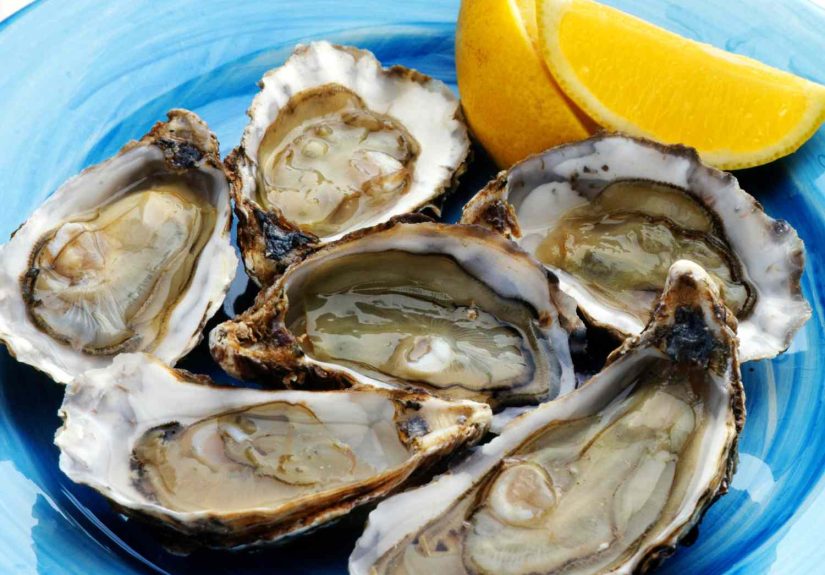
Oysters are incredibly versatile and can be enjoyed in many ways. Whether you prefer them raw on the half shell with a squeeze of lemon or roasted with garlic and butter, oysters are a treat for the palate. You can even try them grilled, fried, or in soups and stews. Pair them with a crisp white wine or a cold beer for a perfect pairing.
Raw Oysters
When eating raw oysters, always ensure they’re fresh. Serve them on a platter with lemon wedges, cocktail sauce, or mignonette sauce (a mix of vinegar, shallots, and pepper). The briny flavor of the oyster pairs wonderfully with the tang of the sauce.
Cooked Oysters
For cooked oysters, try broiling them with a dollop of garlic butter and breadcrumbs for a delightful appetizer. You can also make a hearty oyster stew, adding the briny flavor of the oysters to a creamy broth with herbs and spices.
Conclusion
Oyster selection and storage are crucial to ensuring that you enjoy the best possible experience when indulging in these delectable delicacies. By following the tips provided in this guide, from choosing fresh oysters to storing them properly, you can enhance your oyster enjoyment and savor the full range of flavors these marine gems offer.
Personal Experiences with Oyster Selection and Storage
As someone who enjoys oysters regularly, I can share a few experiences that have helped refine my selection and storage practices over the years. The first lesson I learned was the importance of checking the shells. Early on, I had an unfortunate experience with a batch of oysters that were open when I purchased them, and after cracking them open, they had an unpleasant taste. I’ve since made it a point to tap each oyster and ensure it’s tightly sealed before buying it.
Another valuable tip I’ve picked up is the significance of storage conditions. Once, I forgot to place my oysters in a cool, damp environment and stored them on a counter instead. By the time I remembered, they were no longer safe to eat. Since then, I’ve made sure to store oysters in the fridge on a shallow pan, covered with a damp cloth. It’s simple but has made a huge difference in their freshness.
Finally, my oyster-tasting experience truly elevated when I learned how to properly shuck them. For a while, I struggled with opening oysters, often feeling anxious about breaking the shells. But with practice and the right technique, I now open oysters easily, preserving both the shell’s integrity and the oyster’s natural juices. Shucking oysters has since become part of the fun of preparing them at home!