Table of Contents >> Show >> Hide
- What Is Moroccan Dchicha Soup?
- Key Ingredients in Dchicha Cracked Wheat Soup
- Moroccan Dchicha Soup – Cracked Wheat Soup Recipe
- Tips for Perfect Moroccan Cracked Wheat Soup
- Variations on Moroccan Dchicha Soup
- Serving Suggestions
- Nutrition and Health Benefits
- Make-Ahead, Storage, and Freezing Tips
- Common Questions About Dchicha Soup
- Conclusion
- Cooking Notes and Experiences with Moroccan Dchicha Soup
- SEO Snapshot
If you’re looking for a cozy Moroccan soup that feels like a warm hug in a bowl but doesn’t take a million ingredients, say hello to
dchicha soup. This rustic cracked wheat soup is simple, hearty, and incredibly comfortingperfect for cold evenings,
Ramadan nights, or anytime you want something filling that still feels light and wholesome. Think of it as Morocco’s answer to chicken noodle soup,
but with more spice and personality.
In this guide, you’ll learn exactly what Moroccan dchicha soup is, how to make it step by step, easy variations (including vegetarian and dairy-style),
plus practical tips for texture, seasoning, and storage. By the end, you’ll be able to make this dish like someone who grew up eating it.
What Is Moroccan Dchicha Soup?
Dchicha (also written tchicha or dchicha dyal zraa’) refers to cracked wheat or cracked barley used in traditional Moroccan cooking.
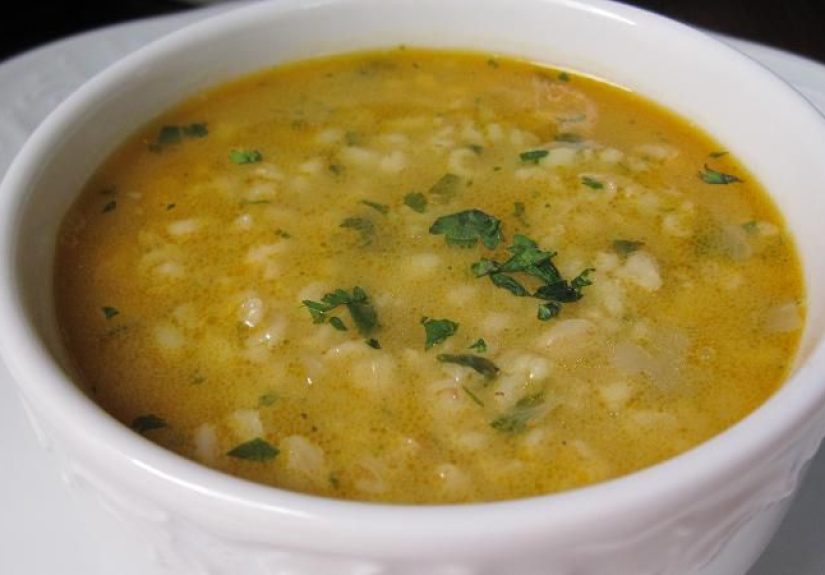
When simmered slowly with onions, spices, olive oil, and herbs, it turns into a thick, comforting soup that’s somewhere between a broth and a light porridge.
Unlike more famous Moroccan soups like harira, which are loaded with lentils, chickpeas, tomatoes, and sometimes meat,
dchicha soup is all about the grain. The cracked wheat (or barley) gives the soup body, chew, and a gentle nutty flavor while
spices like ginger, black pepper, paprika, and saffron bring warmth and depth.
Dchicha vs. Harira and Other Moroccan Soups
If you’ve had harira before, you already know Moroccan soups don’t play around. Harira is rich, tomato-based, and usually packed with legumes and sometimes beef or lamb.
Dchicha soup is:
- More minimalist – fewer ingredients, focused on the grain.
- Smoother and creamier in texture – especially if you let the grain break down a bit.
- Flexible – easy to make vegetarian, vegan, or with a small amount of meat for flavor.
In many Moroccan homes, dchicha soup is served as a light dinner, a pre-bedtime warm-up, or as part of Iftar during Ramadan alongside dates, bread, and mint tea.
Key Ingredients in Dchicha Cracked Wheat Soup
While every family has its own version, most classic Moroccan dchicha soup recipes include a similar core lineup:
- Cracked wheat (dchicha) – The star of the show. Make sure you’re using cracked wheat, not precooked bulgur. The grain should be raw and need simmering.
- Onion – Finely chopped or grated, it forms the aromatic base of the soup.
- Olive oil – Traditional Moroccan recipes lean on good olive oil for richness and flavor.
- Spices – Typically ground ginger, black pepper, sweet paprika, and saffron. Some recipes also add turmeric for color.
- Salt – Essential to bring the flavors to life.
- Fresh herbs – Usually cilantro, sometimes with parsley, stirred in near the end.
- Water or broth – Plain water is traditional, but light chicken or vegetable broth deepens flavor.
- Optional: meat and smen – A small amount of beef or lamb plus a touch of smen (aged preserved butter) can make the soup extra fragrant.
Some versions lean very simplejust onion, cracked wheat, spices, and herbswhile others bring in tomatoes or a bit of meat for a heartier bowl.
Moroccan Dchicha Soup – Cracked Wheat Soup Recipe
Ingredients (Serves 4–6)
- 3/4 cup (about 175 g) cracked wheat (dchicha), rinsed
- 1 medium onion, finely chopped or grated
- 3 tablespoons olive oil
- 1 teaspoon ground ginger
- 1/2 teaspoon black pepper
- 1/2 teaspoon sweet paprika
- 1/8 teaspoon saffron threads, crumbled (optional but traditional)
- 1 tablespoon salt, or to taste (less if using salty stock)
- 2 quarts (about 2 liters) water or light vegetable/chicken broth
- 1/4 cup fresh cilantro, chopped
- Optional: 2–3 tablespoons fresh parsley, chopped
- Optional: 2–3 ounces (about 60–90 g) beef or lamb, finely diced, for extra flavor
- Optional: 1/2 to 1 teaspoon smen or butter, added at the end for richness
Step-by-Step Instructions
-
Rinse and (optionally) soak the cracked wheat.
Place the cracked wheat in a fine-mesh sieve and rinse under cold water until the water runs mostly clear.
If you have time, soak it in cool water for 20–30 minutes to slightly shorten cooking time and help it cook more evenly. Drain before using. -
Build the aromatic base.
In a large, heavy-bottomed pot, warm the olive oil over medium heat. Add the chopped onion and a pinch of salt.
Cook for 5–7 minutes, stirring often, until the onion becomes soft and translucent but not browned. -
Add meat (if using) and spices.
If you’re including meat, stir in the diced beef or lamb and sauté for 3–4 minutes until it loses its raw color.
Add the ginger, black pepper, paprika, and saffron. Stir for about 30 seconds to lightly toast the spicesthey should smell fragrant, not burnt. -
Add the cracked wheat and liquid.
Stir in the cracked wheat so it’s coated with the oil, onions, and spices. Pour in the water or broth and add the remaining salt (start with a little less if you’re using stock).
Bring the pot to a gentle boil. -
Simmer until the grain is tender.
Once it reaches a boil, reduce the heat to low, cover partially, and let the soup simmer for about 35–45 minutes, stirring occasionally.
The cracked wheat should be soft with a pleasant chew. If the soup thickens too much as it cooks, add hot water in small amounts until you reach your preferred consistency. -
Finish with herbs and richness.
When the cracked wheat is tender, stir in the chopped cilantro and parsley, if using. Taste and adjust for salt and pepper.
If you’d like a more luxurious finish, stir in smen or butter just before serving. -
Serve hot.
Ladle the dchicha soup into bowls and serve piping hot. It should be thick enough to feel substantial but still spoonable, not a solid porridge.
Note: As the soup sits, the cracked wheat continues to swell and thicken. When reheating leftovers, it’s normal to add a bit more water or broth and adjust the seasoning again.
Tips for Perfect Moroccan Cracked Wheat Soup
1. Choose the Right Grain
The most common mistake is accidentally using bulgur in place of raw cracked wheat. Bulgur is parboiled (partially cooked) and dried.
It can turn mushy quickly in soup and doesn’t need as much simmering time. If all you can find is bulgur, use a coarser grind, add it later in the cooking process,
and shorten the simmering time to avoid overcooking it.
If you happen to find cracked barley labeled as dchicha or “barley grits,” you can use it the same way, but expect a slightly longer cooking time and a chewier texture.
2. Balance the Spices
Classic dchicha soup is gently spicy and aromatic rather than fiery hot. If you’re new to Moroccan flavors:
- Keep the ginger and pepper as written for a warm, zesty broth.
- Use sweet paprika instead of hot paprikathis adds color and mild flavor.
- Go light with saffron. A pinch is enough; too much can become overpowering.
Remember, you can always add more spice later, but you can’t take it out once it’s in the pot.
3. Master the Texture
Dchicha soup naturally thickens as the cracked wheat releases starch and absorbs liquid. Aim for a consistency similar to a loose risotto or a very thick chicken soup.
If you prefer a lighter soup, simply:
- Add an extra 1–2 cups of hot water or broth toward the end.
- Stir well and taste for salt again.
For a creamier feel, you can blend a small ladleful of the soup (without the meat) and stir it back into the pot.
Variations on Moroccan Dchicha Soup
Vegan or Vegetarian Dchicha Soup
It’s very easy to keep this cracked wheat soup plant-based:
- Use vegetable broth or water instead of meat stock.
- Skip the meat and smen; rely on olive oil and herbs for richness.
- Boost flavor with a bay leaf or a pinch of turmeric for color.
The result is still hearty and filling thanks to the whole grain and olive oil.
Tomato-Enhanced Dchicha
For a slightly more robust soup, you can add:
- 1–2 ripe tomatoes, grated (discard most of the skin), or
- 1/2 cup canned crushed tomatoes.
Add the tomatoes after the onions have softened and cook them down for a few minutes before adding the cracked wheat and liquid.
This variation leans a little closer to harira in color and aroma but still keeps dchicha as the main star.
Breakfast-Style Dchicha with Milk
In Morocco, grain soups and porridges often cross the line into breakfast territory. For a lighter, morning-friendly version:
- Cook the cracked wheat in water with a pinch of salt and a little olive oil.
- When tender, stir in warm milk (or a mix of milk and water) for a creamy finish.
- Season lightly with cumin or keep it very simple if you prefer a neutral flavor.
This style is especially comforting on cool mornings and can be served as a savory alternative to oatmeal.
Serving Suggestions
Moroccan dchicha soup is versatile and can be dressed up or down depending on the occasion. Try serving it with:
- Crusty bread or Moroccan khobz for dunking.
- Lemon wedges on the side so diners can add a squeeze of brightness.
- Olives and dates for a classic Moroccan-style spread.
- A simple green salad with olive oil and lemon to balance the warmth of the soup.
For Ramadan, dchicha can be served alongside harira, chebakia (sesame-honey pastries), and mint tea as part of a traditional Iftar table.
Nutrition and Health Benefits
This cracked wheat soup is more than just cozyit’s naturally nourishing:
- Whole grain power – Cracked wheat provides complex carbohydrates, fiber, and minerals like magnesium and iron.
- Light but filling – The starch from the grain gives lasting energy without feeling heavy or greasy.
- Healthy fats – Olive oil contributes heart-healthy monounsaturated fats.
- Herbs and spices – Ginger, pepper, saffron, and cilantro offer antioxidant and anti-inflammatory compounds.
If you keep the soup meat-free and use vegetable broth, it’s also naturally vegetarian and can be made vegan with no changes to texture.
Make-Ahead, Storage, and Freezing Tips
Dchicha soup keeps well, but you need to manage the grain’s tendency to thicken:
- Refrigeration: Let the soup cool to room temperature, then store in an airtight container in the fridge for up to 3–4 days.
- Reheating: Warm gently on the stove over low heat, adding water or broth as needed. Stir frequently so the grain doesn’t stick to the bottom.
- Freezing: You can freeze it for up to 2–3 months, but expect the grain to soften more. Thin with extra liquid when reheating.
If you know you’ll be freezing part of the batch, you can cook the soup slightly less so the cracked wheat retains more texture after thawing.
Common Questions About Dchicha Soup
Can I use bulgur instead of cracked wheat?
Yes, but with adjustments. Bulgur is precooked, so add it later in the simmering process and reduce the cooking time.
Start checking for doneness around 15–20 minutes. Expect a softer texture than traditional raw cracked wheat.
Can I make dchicha soup gluten-free?
Traditional dchicha soup is made from wheat or barley, both of which contain gluten. If you need a gluten-free version,
try substituting a gluten-free grain with similar cooking behavior, like millet or gluten-free steel-cut oats. The flavor will be different,
but the comfort factor will still be there.
Is this soup spicy?
Dchicha soup is usually warmly seasoned rather than hot. The ginger and pepper give it a gentle kick,
but it’s not meant to burn your tongue. If you love heat, you can add a pinch of cayenne or serve harissa on the side.
Can I make it in a pressure cooker or Instant Pot?
Yes. Sauté the onions, meat, and spices on the Sauté function, then add the cracked wheat and liquid.
Cook on high pressure for about 10–12 minutes and allow a natural release. Check consistency and add more liquid if needed.
Conclusion
Moroccan dchicha soup might not be the most famous dish on Moroccan menus, but once you try it,
it’s the kind of recipe that quietly becomes a staple in your kitchen. With a short ingredient list, easy technique,
and a comforting, gently spiced flavor, it’s ideal for busy weeknights, chilly evenings, or slow weekends when you want something soothing and wholesome.
Whether you keep it simple with onion, cracked wheat, and spices or dress it up with meat, tomatoes, or milk,
dchicha soup is endlessly adaptable. Serve it with bread, lemon, and a little time to slow downand you’ll see why it’s such
a beloved part of everyday Moroccan cooking.
Cooking Notes and Experiences with Moroccan Dchicha Soup
One of the most charming things about Moroccan dchicha soup is how much it changes from kitchen to kitchen.
Talk to a few Moroccan home cooks and you’ll hear wildly different opinions on how thick it should be, when to add the herbs,
and whether it “needs” meat or not.
Some families prefer dchicha almost like a porridge. The soup is simmered a little longer, and the cracked wheat is allowed to break down more,
creating a velvety, spoon-coating texture. In these homes, a bowl of dchicha is almost like comfort medicineserved when someone is tired, cold,
or just in need of something gentle and restorative.
Others insist that the grain should retain a bit of chew. They’ll watch the pot closely and pull it off the heat as soon as the wheat is tender
but still distinct. This version feels more like a rustic grain soup and works especially well if you’ve added a few cubes of meat or a handful of tomatoes.
If you’re making dchicha soup for the first time, you might notice a few “learning moments”:
-
The soup gets thicker… and thicker…
Don’t panic if the pot looks perfect at dinner and turns into cement by the next morning.
That just means the cracked wheat did its job. Add water or broth, stir over low heat,
and it will loosen right back up. -
The bottom can catch if you walk away too long.
Because it thickens, dchicha can stick to the bottom of the pot if the heat is too high or you forget to stir.
Use a heavy pot, keep the heat low, and give it a stir every so oftenespecially in the last 15–20 minutes of cooking. -
The flavor blooms over time.
The first spoonful right off the stove might taste mild. Give it 5–10 minutes to rest, and suddenly the ginger, pepper,
and saffron seem more defined. Leftovers often taste even better the next day (with a bit of water added).
Many home cooks also develop little rituals around this soup. Some always serve it in wide, shallow bowls so it cools to the perfect temperature faster.
Others have a favorite garnishjust a sprinkle of extra cilantro, a squeeze of lemon, or a drizzle of good olive oil on top.
A few like to serve tiny side dishes of olives, pickles, or fresh radishes to nibble between bites of the warm grain.
If you’re cooking for kids or anyone unfamiliar with Moroccan flavors, dchicha soup is a great “gateway” dish.
It’s gentle, familiar in texture, and not overwhelming with spice. You can start with a milder seasoning blend,
then slowly increase the ginger and pepper as everyone gets more comfortable with the flavor profile.
Over time, you’ll probably find your own house style. Maybe you prefer it vegetarian with vegetable broth and lots of herbs.
Maybe you always add a handful of meat and a tiny bit of smen for that deep, nostalgic flavor.
Or maybe this becomes your go-to “clean out the fridge” soupwhere stray pieces of carrot, celery, or tomato find a home in the pot.
However you personalize it, Moroccan dchicha soup has a way of slipping into your regular rotation.
It’s humble, forgiving, and quietly speciala reminder that some of the best recipes are the ones that don’t try too hard,
they just show up warm, fragrant, and ready to be shared.