Table of Contents >> Show >> Hide
- What Are Pubic Lice (and Are They an STI?)
- Symptoms: How to Tell If You’ve Got Crabs
- How Pubic Lice Spread (and What Usually Doesn’t)
- Diagnosis: The Fastest Way to Confirm It
- Treatment Overview: The 3-Part Plan That Actually Works
- Step-by-Step: How to Treat Pubic Lice at Home
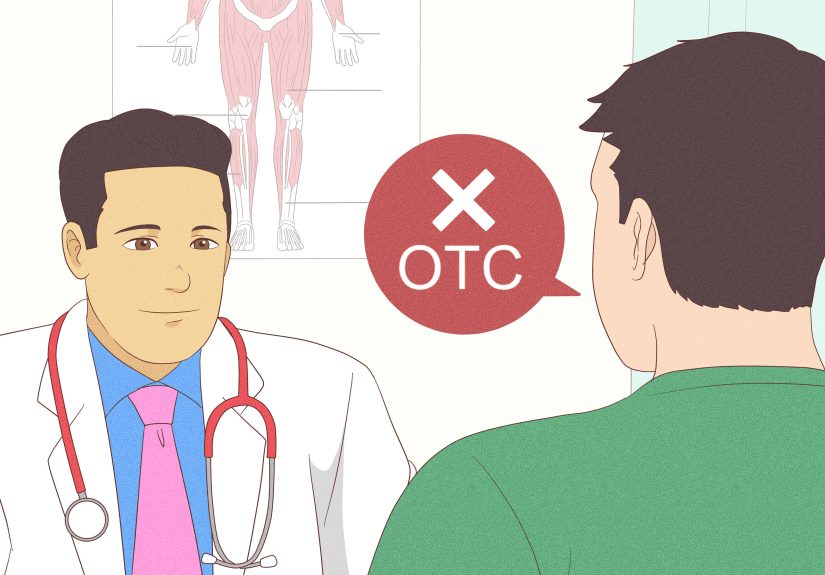
- Prescription Treatments: When OTC Isn’t Enough
- Special Case: Pubic Lice in Eyelashes or Eyebrows
- Prevention: How to Avoid a Repeat Performance
- Common Questions (Because Everyone Has Them)
- Conclusion: Your Crab-Free Game Plan
- Bonus: Experiences People Commonly Have (and What They Wish They’d Known)
Pubic lice (a.k.a. “crabs”) are tiny, crab-shaped parasites that live in coarse body hair and feed on blood. They’re not picky, but they do have standards:
warm skin, hair to cling to, and the occasional opportunity to ruin your week.
The good news: pubic lice are treatable, usually with over-the-counter products. The slightly annoying news: treating them correctly means doing a few
unglamorous steps (yes, laundry becomes your new hobby for a day). This guide walks you through symptoms, proven treatments, partner management,
and preventionwithout panic, shame, or DIY chaos.
Educational only, not medical advice. If symptoms persist, you’re pregnant/breastfeeding, or lice involve eyelashes/eyebrows, get medical care.
What Are Pubic Lice (and Are They an STI?)
Pubic lice are a specific type of louse that typically attaches to hair in the pubic region, but they can also show up in other coarse hairlike armpits,
chest hair, beard/mustache, and occasionally eyebrows/eyelashes. They spread most often through close physical contact, commonly during sex, which is why
they’re often grouped with sexually transmitted infections (STIs). But unlike infections caused by bacteria or viruses, lice are parasitesmore “unwanted
houseguest” than “germ.”
Practically speaking, if you have pubic lice, it’s smart to consider STI testing. Not because lice themselves are dangerous, but because the same kinds of
contact that spread crabs can also spread other STIs. Think of pubic lice as a very itchy reminder to do a quick sexual health check-in.
Symptoms: How to Tell If You’ve Got Crabs
Pubic lice don’t always announce themselves right away, but common symptoms include:
- Itching in the pubic area (often worse at night)
- Visible lice or nits (eggs) attached to hair shafts (nits can look like tiny gray-white or yellowish ovals)
- Skin irritation, redness, or small bite marks
- Dark specks in underwear (lice droppings)
What do pubic lice look like?
Adults are small (around the size of a pencil tip), squat, and “crab-like.” You may need bright light and possibly a magnifying lens to spot them.
Nits are usually easier to see than the moving lice because they’re glued to hair and don’t go anywhere.
When symptoms might be something else
Itching can also come from shaving irritation, eczema, allergic reactions, yeast infections, bacterial infections, or scabies. If you’re not sure you’re seeing
lice or nitsor you treat and the problem doesn’t improvegetting an exam can save you time (and prevent you from rage-washing your sheets for no reason).
How Pubic Lice Spread (and What Usually Doesn’t)
Pubic lice spread through close contactmost often hair-to-hair contact during intimate activity. Less commonly, they can spread by sharing infested items
like towels, bedding, or clothing, especially if the items were used very recently.
What usually doesn’t spread pubic lice: pets (they’re human-only parasites), and casual contact across a room. The “toilet seat” story is technically possible
in very rare edge cases, but it’s not the main way these parasites find new real estate.
Diagnosis: The Fastest Way to Confirm It
Diagnosis is usually straightforward: finding a live louse or viable nits on hair in the affected area. Because they’re tiny, a clinician might use a magnifying
device to identify them more easily. If lice are suspected in eyelashes or eyebrows, don’t self-experiment with standard lice productseyes are not the place
to freestyle.
Important note: if pubic lice are found on a child’s eyelashes/eyebrows or scalp, that warrants professional evaluation, because it can indicate sexual exposure
or abuse (though nonsexual transmission is also possible). This situation deserves careful, expert handling.
Treatment Overview: The 3-Part Plan That Actually Works
Effective pubic lice treatment usually has three parts:
- Use a proven lice-killing medication correctly (timing matters).
- Remove nits (optional but helpful, and sometimes necessary).
- Decontaminate clothing and bedding used recently to prevent reinfestation.
One more must-do: treat partners. If you don’t, you may cure yourself and then immediately get re-infestedlike mopping the floor while the
sink is still overflowing.
Step-by-Step: How to Treat Pubic Lice at Home
Step 1: Choose an over-the-counter treatment
First-line treatment is usually an OTC lice-killing product containing either:
- Permethrin 1% (often labeled as a “lotion” or “cream rinse”)
- Pyrethrins + piperonyl butoxide (often in mousse or shampoo form)
These are widely available and generally effective when used exactly as directed. The key phrase is “exactly as directed”lice are tiny, but they thrive on
human shortcuts.
Step 2: Apply correctly (don’t rush this)
- Wash the infested area and towel dry.
- Apply the medication thoroughly to pubic hair and any infested nearby areas (follow the product’s label).
- Leave it on for the recommended time (commonly about 10 minutes for standard first-line products), then rinse as instructed.
- Put on clean underwear and clean clothes afterward.
Do not use these medications near the eyes. Eyelash/eyebrow involvement requires different management (see below).
Step 3: Remove nits (recommended)
After treatment, many nits remain attached to hair shafts even if they’re no longer viable. Removing them helps reduce the chance of confusion (“Are those new?”),
lowers reinfestation risk, and can speed up peace of mind.
- Use a fine-toothed nit comb, or carefully remove nits with fingernails.
- Work under bright light. If you can recruit a trusted helper, this goes faster.
- Optional: some people use diluted vinegar to help loosen nits before combing. Evidence is mixed, so treat it as a convenience tricknot a cure.
Step 4: Do the laundry “boss fight”
Pubic lice need human blood to survive and usually die within 1–2 days off the body, but eggs can hatch laterso the goal is to break the cycle.
Focus on items used in the 2–3 days before treatment:
- Machine-wash and machine-dry clothing, towels, and bedding using hot water (at least 130°F / 54°C) and a hot dryer cycle.
- Dry-clean items that can’t be washed, or seal them in an airtight plastic bag for two weeks.
Skip fumigant sprays/foggers. They aren’t needed for pubic lice control and can be harmful if inhaled or absorbed.
Step 5: Treat partners and pause intimacy (yes, really)
Anyone you’ve had sexual/intimate contact with in the last month should be informed and treated at the same time. Avoid sexual contact until:
- you and partners have completed treatment,
- clothes/bedding have been decontaminated, and
- you’ve checked to make sure there’s no ongoing infestation.
Step 6: Repeat treatment if needed
If you find live lice after treatment, a repeat application is commonly recommended about 9–10 days later (or per product instructions).
If you’ve treated twice correctly and still see live lice, talk to a clinicianresistance can happen, and you may need a different medication.
Prescription Treatments: When OTC Isn’t Enough
If over-the-counter treatment fails (especially after two correctly timed treatments), clinicians may use prescription options. Common alternatives include:
- Malathion 0.5% lotion (often left on longercommonly 8–12 hoursthen washed off)
- Oral ivermectin (a weight-based dose that is typically repeated in 7–14 days; it has limited activity against eggs, so the repeat dose matters)
Some medications are not recommended in certain groups (for example, some guidance advises avoiding oral ivermectin during pregnancy/breastfeeding),
and some older treatments are avoided due to toxicity. If you’re pregnant, breastfeeding, or treating a child, it’s best to get medical guidance rather than guessing.
Special Case: Pubic Lice in Eyelashes or Eyebrows
This is not a “grab the same shampoo and hope” situation. Standard lice medications should not be applied near eyes. If only a few lice/nits are present,
careful manual removal with a nit comb or fingernails may be enough. If more treatment is needed, a clinician may recommend an eye-safe approach such as
prescription ophthalmic-grade petrolatum ointment applied to eyelid margins for a set course (often around 10 days).
If you suspect eyelashes/eyebrows are involvedespecially in a childseek medical care promptly.
Prevention: How to Avoid a Repeat Performance
Pubic lice don’t care about your aesthetics, your confidence, or the fact you just washed your sheets. Prevention is mostly about avoiding exposure and catching
issues early:
- Avoid close contact with someone known to have pubic lice until they’ve been treated and cleared.
- Don’t share towels, bedding, underwear, or clothing with someone who might be infested.
- Communicate with partnersespecially if symptoms show up. Quick honesty beats weeks of reinfestation.
- Remember condoms don’t fully prevent pubic lice because lice spread through hair/skin contact, not body fluids.
- Consider STI screening after diagnosis, based on your risk and sexual health history.
Grooming (shaving/waxing) can reduce the amount of hair lice can cling to, but it’s not a reliable treatment and shouldn’t replace proper medication and cleaning.
Common Questions (Because Everyone Has Them)
Do pubic lice go away on their own?
Not usually. They survive by feeding on blood and can keep reproducing. Waiting it out mostly just gives them time to settle in and send invitations.
Can I treat pubic lice with shaving, hot baths, or “natural” remedies?
Hair removal alone doesn’t reliably eliminate lice or eggs. Hot baths may soothe itching but won’t reliably kill lice. Proven lice medications are the main
way to actually clear an infestation.
How soon will the itching stop?
Many people feel improvement quickly after effective treatment, but itching can linger for a few days as the skin calms down. If itching persists beyond a week,
worsens, or you still see live lice, re-check your treatment timing, partner treatment, and laundry stepsand seek medical advice if needed.
Can pubic lice make me sick?
Pubic lice generally don’t spread disease, but intense scratching can break the skin and lead to a bacterial infection. If you notice spreading redness,
warmth, pus, or fever, get medical care.
Conclusion: Your Crab-Free Game Plan
Treating pubic lice is mostly about being thorough, not heroic. Use a proven lice-killing product (permethrin 1% or pyrethrins + piperonyl butoxide),
remove nits, wash/dry items used recently on high heat, and make sure partners are treated at the same time. If lice persist after correctly done treatment,
see a clinicianprescription options exist, and resistance is real.
Most importantly: don’t let embarrassment delay treatment. Pubic lice are common, treatable, and not a character flaw. They’re just tiny freeloaders with
incredible audacity.
Bonus: Experiences People Commonly Have (and What They Wish They’d Known)
People often describe the first moment of suspicion as a mix of “Wait… is that dandruff?” and “Please let this be razor burn.” The itching tends to feel
different than a typical skin irritationmore persistent, sometimes worse at night, and often paired with the unsettling sensation that something is moving.
A common experience is spending an evening under bright bathroom lighting doing a detective-level inspection. If you’ve ever used your phone flashlight like
it’s a medical device, you’re in familiar territory.
Another almost universal experience is embarrassment. Many people assume pubic lice automatically means someone was “reckless,” which isn’t fair
or accurate. Crabs can happen in monogamous relationships, in new relationships, and even (rarely) from shared items. What people often say afterward is that
the shame was more painful than the lice. Once they talked to a partner or a clinician, the situation became purely practical: treat, clean, repeat if needed.
A very common “lesson learned” is that treating only one person doesn’t work. People who skip partner treatment often end up in a frustrating cycle:
treat, feel better, get reinfested, treat again, wonder if the medication “failed,” then realize it was a reinfestation. Couples who handle it as a teamsame-day
treatment, same-day laundry, and a short pause on intimacytend to be done with it quickly.
Laundry stories deserve their own category. Many people report doing “everything” except the one detail that matteredlike forgetting the towels used right
before treatment, or re-wearing a pair of lounge shorts that never got washed. The experience usually ends with a simple rule: if it touched your body recently,
it goes into the hot wash/hot dry queue. People also mention that bagging non-washable items feels dramatic, but it’s strangely comfortinglike quarantining
the problem and moving on with life.
There’s also a recurring theme of trying the wrong “shortcut” first: shaving, long hot showers, essential oils, or random internet hacks. The experience many
people share is that these approaches either don’t work or make the skin more irritatedso now you’re itchy and inflamed. The switch that finally helps
is using a proven medication correctly and then doing the unglamorous but effective follow-through: nit removal and decontamination of clothing and bedding.
Finally, people often say the biggest relief came from realizing pubic lice are manageable. Once treatment starts, the situation usually becomes a
short checklist, not a life crisis. The “after” experience is often a calm reset: clean clothes, fresh sheets, and a plan for STI screening if it makes sense.
If you’re in the middle of it right now, the most common hindsight advice is: be methodical, be kind to yourself, and don’t negotiate with parasites.