Table of Contents >> Show >> Hide
- Before You Begin: Why 5 Gallons Is Both Awesome and Slightly Spicy
- Step 1: Pick Your “Main Character” First (Stocking Plan)
- Step 2: Choose the Right Spot (Level, Stable, Not in the Sun)
- Step 3: Gather Your Equipment (Nano Essentials)
- Step 4: Rinse Substrate and Decor (No SoapEver)
- Step 5: Add Substrate, Hardscape, and Plants (Build the “Neighborhood”)
- Step 6: Fill the Tank and Condition the Water
- Step 7: Install and Start the Equipment (Filter First, Heater Safely)
- Step 8: Cycle the Tank (Yes, Even If You’re Excited)
- Step 9: Test, Adjust, and Do a “Pre-Fish” Water Change
- Step 10: Add Your Inhabitants (Slowly) and Acclimate Properly
- Maintenance for a 5-Gallon Tank (Tiny Tank, Big Payoff)
- Common Beginner Mistakes (So You Can Skip the Drama)
- of Real-World “This Is What It Actually Feels Like” Moments
- Conclusion
- SEO Tags
A five-gallon fish tank is the studio apartment of the aquarium world: small, cute, and totally livable…
as long as you don’t try to move in a marching band. Done right, a 5-gallon setup can be a calm, bright little
ecosystemperfect for a betta, shrimp, or a snail-and-plants “desk jungle.” Done wrong, it becomes a science
experiment that smells like regret.
This guide walks you through a beginner-friendly, real-world setup in 10 steps, with practical examples,
water-chemistry reality checks, and a few laughs (because if you can’t laugh at your first algae bloom,
the algae wins).
Before You Begin: Why 5 Gallons Is Both Awesome and Slightly Spicy
Five gallons is affordable, space-saving, and easier to decorate like a tiny aquascape diorama. But small tanks
are less forgiving. With less water volume, temperature and water-quality changes happen fastersometimes fast
enough to ruin your day between lunch and dinner.
What a 5-Gallon Tank Is Best For
- One betta fish (with a heater + gentle filtration).
- Shrimp tank (neocaridina/cherry shrimp) with plants and hiding spots.
- Snails (like nerites) + plants for a low-drama setup.
- A planted “nano” display where the plants are the main characters.
What a 5-Gallon Tank Is Not Great For
- Goldfish (they’re messy, grow large, and need much more space).
- Most schooling fish (they need swimming room and stable conditions).
- Overstocking (because “just one more fish” is how tiny tanks become chaos gremlins).
Step 1: Pick Your “Main Character” First (Stocking Plan)
Choose what you want to keep before you buy equipment, because livestock determines heat, filtration, and layout.
A betta likes warm water and low-to-moderate flow. Shrimp love stable water and lots of surfaces to graze.
Easy stocking examples
- Betta setup: 1 betta + live plants + smooth decor + gentle filter flow.
- Shrimp setup: 10–20 cherry shrimp (start smaller) + moss/plants + sponge filter.
- Snail setup: 1–2 nerite snails + plants (great for beginners who want minimal feeding).
If you’re choosing a betta, a 5-gallon tank is commonly recommended as a minimum starting pointbigger is even
easier to keep stable, but five is a solid “nano” size when maintained well.
Step 2: Choose the Right Spot (Level, Stable, Not in the Sun)
Water is heavy. A 5-gallon tank holds about 40+ pounds of water, plus gravel, rocks, and the tank itself.
Put it on a sturdy, level surface that won’t wobble. Avoid direct sunlight (hello, algae) and avoid spots near
vents or heaters (hello, temperature swings).
Quick placement checklist
- Near an outlet (no sketchy extension-cord spaghetti).
- Not in a window (sunlight fuels algae and heats water unevenly).
- Room to access the filter and do water changes without doing yoga.
- Flat and leveluse a small level if you have one.
Step 3: Gather Your Equipment (Nano Essentials)
You don’t need fancy gear, but you do need the right basics. In a small tank, consistency matters more than
gadgets.
Must-haves
- Tank + lid: reduces evaporation and helps keep jumpers inside.
- Filter: sponge filter or small HOB (hang-on-back) with gentle flow.
- Heater + thermometer: especially for tropical fish like bettas.
- Light: if you want live plants (most nano kits include one).
- Water conditioner: to neutralize chlorine/chloramine in tap water.
- Test kit: ammonia, nitrite, nitrate (your “truth serum” during cycling).
- Gravel vacuum/siphon + bucket: for water changes.
Nice-to-haves
- Timer for the light (plants love routines; algae loves chaos).
- Filter sponge or pre-filter intake sponge (protects shrimp and improves filtration).
- Live plants (they help use nutrients and provide cover).
Step 4: Rinse Substrate and Decor (No SoapEver)
New gravel is dusty. New rocks can be gritty. Rinse substrate with tap water until the water runs mostly clear.
Rinse decor and hardscape too. Skip soap and cleanersresidue can harm aquatic life.
Substrate choices that work well in 5 gallons
- Gravel: easy to clean, good for most beginner plants.
- Sand: looks great, but needs gentler vacuuming to avoid sucking it up.
- Plant-specific aquasoil: great for planted tanks (can initially cloud water or leach nutrients).
Step 5: Add Substrate, Hardscape, and Plants (Build the “Neighborhood”)
Put substrate in first, then place rocks/wood, then plants. For a 5-gallon tank, think “tiny landscape,” not
“cluttered gift shop.” Leave open swimming space, and include hiding spotsespecially for shrimp and timid fish.
Easy live plants for nano tanks
- Anubias and java fern: hardy, low light, attach to rock/wood (don’t bury the rhizome).
- Java moss: shrimp love it like it’s a snack bar and a jungle gym.
- Floating plants: great nutrient users, but may need thinning so they don’t block all light.
If you’re setting up a betta tank, choose smooth decor and plants that won’t snag fins. Your betta should look
like royalty, not like it lost a fight with a plastic pirate ship.
Step 6: Fill the Tank and Condition the Water
Add room-temperature water slowly so you don’t create a gravel tornado. A simple trick: pour onto a clean plate
or bowl placed on the substrate to diffuse the flow.
Don’t skip water conditioner
Most tap water contains chlorine or chloramine. Use a water conditioner that neutralizes it before running the
tank. This protects fish and helps your beneficial bacteria establish without getting smacked by disinfectants.
Step 7: Install and Start the Equipment (Filter First, Heater Safely)
Start the filter and get water circulating. If you’re using a heater, make sure it’s fully submerged before
plugging it in, and follow the manufacturer’s directions. A thermometer helps you confirm the actual water temp
(because heaters are confident, not always accurate).
Dial in gentle flow for a betta
- Use a sponge filter, or baffle the outflow on a small HOB filter.
- Make sure your betta isn’t being pushed around like it’s on a lazy river ride.
Step 8: Cycle the Tank (Yes, Even If You’re Excited)
Cycling is the process of growing beneficial bacteria that convert toxic waste into less harmful compounds:
ammonia → nitrite → nitrate. New tanks don’t have these bacteria yet, so adding fish immediately can
cause “new tank syndrome” (dangerous ammonia/nitrite spikes).
The easiest beginner-friendly cycling approach: fishless cycling
- Add a source of ammonia (commercial ammonium chloride, or a tiny pinch of fish food that decomposes).
- Test water every few days for ammonia, nitrite, and nitrate.
- Keep filter running 24/7; bacteria live on surfaces, especially filter media.
- Be patientmany cycles take several weeks.
Want the simple “how do I know it’s cycled?” answer: when ammonia and nitrite read 0, and you consistently see
some nitrate showing up, the biofilter is doing its job. (You’ll still do water changes to keep nitrate in a
healthy range.)
Step 9: Test, Adjust, and Do a “Pre-Fish” Water Change
Before adding any living creature, test your water. If nitrate has climbed, do a partial water change to bring it
down. In a 5-gallon tank, small changes matter, so avoid massive, sudden swings unless there’s an emergency.
Targets to aim for (general beginner guidance)
- Ammonia: 0
- Nitrite: 0
- Nitrate: present but kept reasonable through water changes and/or plants
- Temperature: stable (species-dependent)
If you’re keeping shrimp, stability is everythingespecially with temperature and water parameters. If you’re
keeping a betta, warm water, clean water, and a calm layout go a long way.
Step 10: Add Your Inhabitants (Slowly) and Acclimate Properly
When your tank is stable and cycled, add livestock slowly. A 5-gallon tank can be overwhelmed quickly by sudden
bioload changes, so this is not the moment to go full “aquarium shopping spree.”
Simple acclimation method (floating + gradual mixing)
- Turn tank lights down/off to reduce stress.
- Float the closed bag for about 15 minutes to equalize temperature.
- Open the bag and add small amounts of tank water every few minutes.
- After acclimation, net the fish/shrimp into the tank; discard bag water (don’t pour it into your aquarium).
Thenthis is importantleave them alone for a bit. New fish don’t need an audience. They need calm water and time
to explore.
Maintenance for a 5-Gallon Tank (Tiny Tank, Big Payoff)
The secret to a beautiful nano tank is not magic. It’s routine. Here’s a simple schedule that works for most
5-gallon setups.
Daily (2 minutes)
- Check temperature and equipment (filter running? heater light on?).
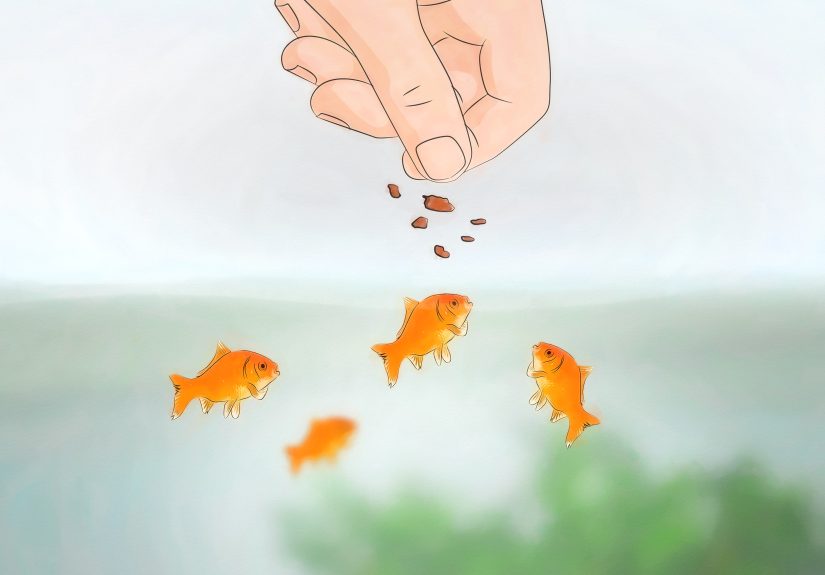
- Feed lightly (overfeeding is the fastest way to grow algae and stress water quality).
- Quick look at livestock behavior (active? breathing normally? hiding constantly?).
Weekly (15–25 minutes)
- Partial water change (often 20–30%adjust based on test results and stocking).
- Light gravel vacuum (especially in unplanted areas where debris collects).
- Wipe glass if needed (a small sponge or algae scraper works great).
- Test water (especially in the first couple of months, or if anything seems “off”).
Monthly
- Rinse filter sponge/media in old tank water (never under hot tap water).
- Trim plants and thin floaters so light can reach below.
- Check for evaporation (top off with conditioned water if needed).
Common Beginner Mistakes (So You Can Skip the Drama)
- Adding fish on day one: Cycling first prevents toxic spikes.
- Overfeeding: Extra food becomes extra ammonia, which becomes extra stress.
- Cleaning filter media too aggressively: That’s where your beneficial bacteria live.
- Chasing “perfect” numbers: Stability beats perfection in a nano tank.
- Too much light: 6–8 hours is a good starting point for many planted nanos.
of Real-World “This Is What It Actually Feels Like” Moments
Setting up a 5-gallon fish tank is weirdly emotional for such a small box of water. The first moment you fill it,
you’ll probably stand there thinking, “That’s it? That’s five gallons?” (Spoiler: yes. The fish world is tiny.
You are now a landlord.)
Then comes the stage where everything looks a little… awkward. Plants float away from where you planted them.
A rock you were sure looked “natural” suddenly looks like it was placed by a toddler with a geology obsession.
This is normal. Aquascaping has a learning curve, and small tanks make every design choice feel like it’s on a
billboard. The good news is that nano tanks are easy to tweak. Move things around. Try again. Your fish are not
judging your interior design. (They’re judging the snack schedule.)
The cycling phase is where patience gets tested. It’s not dramatic like a movie montage. It’s more like checking
test results and muttering, “Come on, nitrite… do your thing.” You might see cloudy water early on. That can
happen as bacteria populations shift. You might also have a moment where your tank looks perfect, and you feel
personally offended that the universe won’t let you add fish immediately. But cycling is the difference between a
tank that survives and a tank that thrives.
Once you add your first inhabitant, you’ll notice how much personality can fit into five gallons. Bettas patrol
like tiny water dragons. Shrimp behave like little janitors with a side hustle in interpretive dance. Snails are
basically Roombas with ambition. And you’ll start spotting small details you didn’t notice before: micro-bubbles
on leaves, tiny new plant growth, the way your filter flow gently moves a floating plant’s roots like underwater
hair.
You’ll also learn the “nano tank truth”: small changes matter. A slightly bigger feeding than usual? The next day,
you may see more debris. A missed water change? Nitrate can climb faster in a small volume. On the flip side,
consistent small care pays off fast. A quick weekly routine can keep a 5-gallon tank looking like a miniature
nature documentary set. And that’s the best partonce it’s stable, it’s not just a fish tank. It’s a living
little world on your desk that runs on your good habits.
Conclusion
A 5-gallon fish tank can be an amazing beginner setup when you plan stocking carefully, prioritize stable water,
and respect the nitrogen cycle. Focus on the essentialsfiltration, heat (if needed), dechlorinated water, and
regular maintenanceand your tiny aquarium can look professional and feel peaceful. Keep it simple, keep it
stable, and remember: in nano tanks, patience is not optionalit’s the most important piece of equipment.