Table of Contents >> Show >> Hide
- What Gestational Diabetes Is (and What It Isn’t)
- Can You Really Prevent It?
- Know Your Risk Factors (So You Can Make a Smart Plan)
- The 6 Pillars of Lowering Your Gestational Diabetes Risk
- 1) If you’re planning a pregnancy, aim for a healthier starting point
- 2) Gain weight gradually and within your provider’s recommended range
- 3) Build a blood-sugar-friendly plate (without banning carbs)
- 4) Get smart about carbs: type, timing, and “pairing”
- 5) Move your bodyespecially in ways that feel doable
- 6) Don’t ignore sleep and stress
- A Sample “GDM-Smart” Day of Eating (Realistic Edition)
- Exercise Ideas That Don’t Feel Like a Punishment
- What to Ask Your Provider (So You Don’t Have to Google at 2 a.m.)
- If You Do “Everything Right” and Still Get GDM
- After Baby Arrives: Don’t Skip the Follow-Up
- Real-World Experiences: What People Say Helped (and What Didn’t) About
- Conclusion
Disclaimer: This article is for general education, not personal medical advice. Pregnancy is wonderfully unique (like snowflakes, but with more snacks). Always check with your OB-GYN, midwife, or a registered dietitian before making big changes to diet or exerciseespecially if you have pregnancy complications or activity restrictions.
Gestational diabetes (GDM) is one of those pregnancy topics that can sound scaryand also weirdly judgy, like your body is getting a surprise pop quiz on “Insulin 101.” The good news: there are evidence-based ways to lower your risk and support steadier blood sugar during pregnancy. The other news (still good, just more realistic): even if you do everything “right,” GDM can still happen, because hormones are powerful and sometimes they simply choose chaos.
In this guide, we’ll break down what actually helpsfood choices that don’t feel like punishment, safe movement that doesn’t require becoming a fitness influencer, and appointment questions that make you sound like you have a clipboard (in a good way).
What Gestational Diabetes Is (and What It Isn’t)
Gestational diabetes is high blood sugar that develops during pregnancy in someone who didn’t have diabetes before pregnancy. It’s largely driven by pregnancy hormones that make your body more insulin-resistantmeaning insulin doesn’t work as efficiently, so glucose can build up in the bloodstream.
Two important truths can exist at the same time:
- GDM is not a character flaw. You didn’t “cause it” by looking at a cupcake too lovingly.
- Lifestyle can still matter. Nutrition, activity, sleep, and weight-gain patterns can influence insulin resistance and blood sugar response.
Can You Really Prevent It?
Not always. Many reputable medical organizations are clear that GDM isn’t fully preventable for everyone. But you can reduce your risksometimes significantlyespecially if you have risk factors like a higher pre-pregnancy weight, a history of GDM, or a family history of diabetes.
Think of prevention like putting traction on a slippery road. You can’t control the weather (hello, hormones), but you can improve your grip.
Know Your Risk Factors (So You Can Make a Smart Plan)
Risk factors you can’t change
- Family history of type 2 diabetes
- Prior gestational diabetes
- Older maternal age (risk rises with age)
- Some racial/ethnic backgrounds have higher population risk
- History of a larger baby in a prior pregnancy
- Conditions tied to insulin resistance (for example, PCOS)
Risk factors you can influence
- Pre-pregnancy weight (if you’re planning a pregnancy)
- How much weight you gain during pregnancy (and how quickly)
- Diet quality and carbohydrate choices
- Physical activity
- Sleep and stress management
If you have multiple risk factors, your provider may screen you earlier than the typical 24–28 weeks. Either way, knowing your baseline risk helps you focus your energy where it counts.
The 6 Pillars of Lowering Your Gestational Diabetes Risk
1) If you’re planning a pregnancy, aim for a healthier starting point
If you’re not pregnant yet and you’re planning ahead, improving fitness and reaching a weight that supports metabolic health can lower GDM risk. This does not mean crash dieting. It means sustainable habitsmore fiber, more movement, fewer ultra-refined carbs and sugary drinks, and routines you can actually keep.
Already pregnant? This is where many people get confused: pregnancy is not the time to try to lose weight on purpose unless your clinician specifically recommends something for a medical reason. Instead, the focus becomes healthy eating, steady activity (if safe), and appropriate weight gain.
2) Gain weight gradually and within your provider’s recommended range
Healthy pregnancy weight gain isn’t about aestheticsit’s about supporting the baby while reducing avoidable metabolic stress. Excessive or rapid weight gain can increase insulin resistance, which can nudge blood sugar upward.
Practical tip: instead of obsessing over the scale, track the inputs you controlmeal balance, snack quality, and movement. The scale is the scoreboard, not the strategy.
3) Build a blood-sugar-friendly plate (without banning carbs)
Your body and baby still need carbohydrates. The trick is choosing carbs that digest more slowly and pairing them with protein, fiber, and healthy fats.
Use this easy plate blueprint:
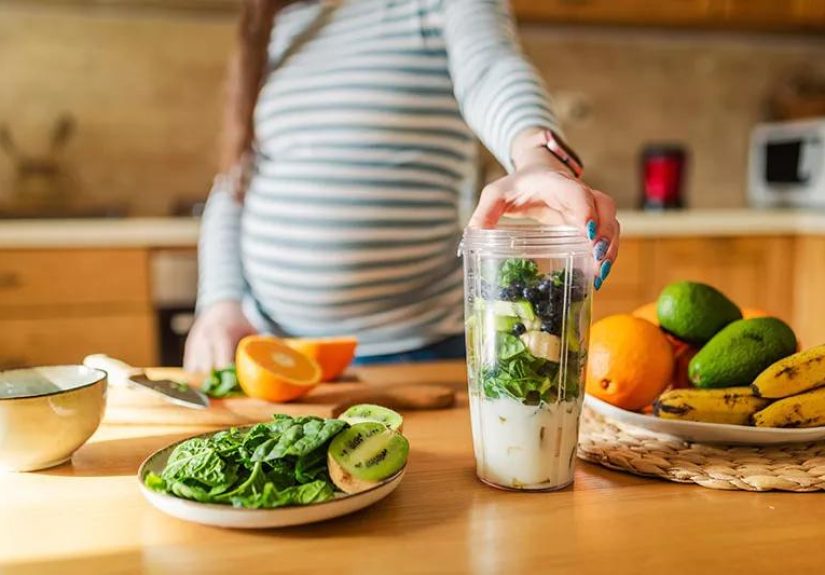
- Half your plate: non-starchy vegetables (spinach, broccoli, peppers, zucchini, salad, green beans)
- One quarter: protein (eggs, chicken, turkey, fish that’s low in mercury, tofu, beans, Greek yogurt)
- One quarter: high-fiber carbs (oats, brown rice, quinoa, whole-wheat pasta, sweet potato, beans, fruit)
- Add: a little healthy fat (avocado, olive oil, nuts, seeds)
What to limit (not “never,” just “not the main character”): sugary drinks, candy, pastries, and refined carbs like white bread, white rice, and giant bowls of plain pastaespecially when eaten alone.
4) Get smart about carbs: type, timing, and “pairing”
Blood sugar tends to spike more when you eat carbohydrates by themselves. Pairing helps.
Easy pairing examples:
- Apple + peanut butter
- Whole-grain toast + eggs
- Greek yogurt + berries + chia seeds
- Brown rice + salmon + roasted veggies
- Hummus + whole-grain crackers + cucumbers
Meal timing matters, too. Many clinicians recommend a pattern like three meals plus 2–3 snacks for steadier glucose. Skipping meals can backfire: you get overly hungry, then your blood sugar has to handle a “surprise party” of carbs.
5) Move your bodyespecially in ways that feel doable
Physical activity improves how your muscles use glucose and can help reduce insulin resistance. For many healthy pregnancies, guidelines commonly recommend about 150 minutes per week of moderate-intensity activity (think brisk walking where you can talk but not sing a full concert).
Some of the most pregnancy-friendly options:
- Brisk walking (bonus points for post-meal strolls)
- Swimming or water aerobics (your joints will send thank-you notes)
- Prenatal yoga
- Light strength training (with guidance and safe form)
Try this “tiny but mighty” habit: a 10–15 minute walk after meals. It’s low-drama, low-equipment, and often more realistic than a full workout when you’re tired.
6) Don’t ignore sleep and stress
Sleep and stress can influence hunger hormones, cravings, and glucose metabolism. If sleep is rough (hello, pregnancy), focus on what helps most people:
- Consistent sleep/wake times when possible
- Limit screens right before bed
- Comfort tweaks: supportive pillow, side-sleeping support, cool room
- Stress relief “micro-breaks”: short breathing exercises, gentle stretching, a quick walk, or a 5-minute “sit and be a human” moment
A Sample “GDM-Smart” Day of Eating (Realistic Edition)
Every pregnancy is different, and nutrition needs vary. But here’s a concrete example of balanced meals that support steadier blood sugarwithout pretending cravings don’t exist.
Breakfast
- Option A: Veggie omelet + whole-grain toast + berries
- Option B: Greek yogurt + chia seeds + walnuts + strawberries
- Swap idea: If you love cereal, try a higher-fiber cereal and pair it with eggs or Greek yogurt.
Morning snack
- Apple slices + peanut butter
- Or: Cottage cheese + pineapple (portion-controlled) + cinnamon
Lunch
- Big salad (greens + veggies) + grilled chicken or chickpeas + quinoa + olive oil-based dressing
- Or: Turkey and avocado wrap on a whole-grain tortilla + side veggies
Afternoon snack
- Hummus + carrots + whole-grain crackers
- Or: Handful of nuts + a piece of fruit
Dinner
- Salmon (or tofu) + roasted broccoli + sweet potato
- Or: Stir-fry with lots of veggies + lean protein + brown rice
Hydration note: Water is your friend. Sugary beverages are one of the fastest ways to spike blood sugar. If plain water is boring, add lemon, cucumber, or sparkling water with a splash of 100% juice.
Exercise Ideas That Don’t Feel Like a Punishment
If “workout” makes you want to lie down (valid), aim for movement snackssmall bursts that add up.
- The 3×10 plan: 10 minutes of walking after each main meal
- The laundry-lap plan: Put clothes away, then do one lap around your home (repeat)
- Chair strength mini-set (with provider OK): sit-to-stands, wall push-ups, light band rows
- Prenatal yoga video: 15–20 minutes, focusing on breathing and mobility
Always stop and call your provider if you have warning signs like dizziness, bleeding, chest pain, or contractions with exercise.
What to Ask Your Provider (So You Don’t Have to Google at 2 a.m.)
Bring these questions to prenatal visits:
- Based on my risk factors, should I be screened earlier than 24–28 weeks?
- What weight-gain range is healthiest for me?
- Are there any activity limits I should follow?
- Can you refer me to a registered dietitian for a pregnancy nutrition plan?
- If my screening is borderline, what’s the next step?
If You Do “Everything Right” and Still Get GDM
This happens. Often. And it does not mean you failed at pregnancy.
Most people manage GDM with a combination of nutrition changes, activity, and monitoring. Some need medication or insulinagain, not a moral grade, just a medical tool. With proper management and prenatal care, many people go on to have healthy pregnancies and healthy babies.
After Baby Arrives: Don’t Skip the Follow-Up
Even if blood sugar returns to normal after delivery (which is common), a history of GDM increases future risk of type 2 diabetes. Many organizations recommend a postpartum glucose test within weeks after delivery and periodic screening afterward. Ask your provider what schedule makes sense for you.
Real-World Experiences: What People Say Helped (and What Didn’t) About
Let’s talk about the part no one puts on the glossy pamphlet: real life. The advice above is solid, but applying it while pregnanttired, busy, nauseated, and emotionally attached to bagelscan feel like trying to fold a fitted sheet in a windstorm. These “experiences” are common themes shared by many pregnant people and clinicians (not one person’s story), and they might help you find your own strategy.
1) “Breakfast was the hardest meal.”
A lot of people notice morning blood sugar can be touchy. Some found that a carb-heavy breakfast (pancakes, sweet pastries, even a big smoothie) made them feel ravenous two hours later. A common win was switching to a protein-forward breakfasteggs, Greek yogurt, or oatmeal paired with nutsand saving sweeter carbs for later in the day when the body sometimes handles them better. The vibe is: eat like you want stable energy, not like you’re trying to win a cereal commercial.
2) “The post-meal walk felt too simple to matter… until it did.”
People often report the biggest payoff from the smallest habit: a 10–15 minute stroll after lunch or dinner. It doesn’t require gym clothes or motivation speeches. Some did it in a mall, some did hallway laps, some did “parking lot cardio” outside the grocery store. The point wasn’t speedit was consistency. Many said it helped digestion, mood, and that heavy “why am I suddenly a sleepy potato?” feeling after meals.
3) “Snacks saved me from carb chaos.”
Skipping snacks worked for a few, but many found the opposite: long gaps led to being overly hungry, then eating fast, then craving quick carbs, then feeling crummy. Keeping planned snacks on handstring cheese, nuts, hummus, fruit paired with proteinmade it easier to avoid “I accidentally ate half a box of crackers” moments. The most repeatable strategy was pairing: carb + protein or carb + fiber + fat.
4) “I needed convenience, not perfection.”
Meal prep doesn’t have to be an all-day event with color-coded containers. Some people had success with “ingredient prepping” instead: wash greens, roast a sheet pan of veggies, cook a pot of quinoa, and keep quick proteins ready (rotisserie chicken, canned beans, hard-boiled eggs). Then meals are just mix-and-match. Pregnancy is not the season for gourmet pressure.
5) “Stress made my cravings louder.”
Stress doesn’t just affect emotions; it can change sleep, hunger, and the urge for quick comfort foods. People often said the best stress tools were small: a short breathing routine, a daily walk, a supportive text thread, or asking for help with shopping/cooking. The most relatable lesson: you don’t need superhuman disciplineyou need a system that makes the healthier choice the easier choice.
If you want, treat this whole process like a gentle experiment: change one habit for a week (like adding a post-dinner walk), notice how you feel, and build from there.
Conclusion
To prevent gestational diabetes (or more accurately, to lower your risk), focus on the big levers: start as healthy as you can before pregnancy, aim for steady weight gain, build balanced meals with fiber and protein, stay active in pregnancy-safe ways, and protect your sleep and stress levels. Most importantly, partner with your prenatal care team earlybecause the best plan is the one tailored to your pregnancy, not a generic checklist.