Table of Contents >> Show >> Hide
- Know Your Delphinium: Types, Lifespan, and What to Expect
- Best Growing Conditions: Give Them What They’re Secretly Demanding
- How to Plant Delphiniums: Step-by-Step
- Growing Delphiniums from Seed (Yes, You Can)
- Delphinium Care: A Practical Seasonal Routine
- Staking Delphiniums: Keep the Drama in the Flowers
- Pruning and Deadheading: How to Get More Blooms
- Common Problems (and How to Fix Them Without Panicking)
- Winter Care and Longevity Tips
- Safety Note: Delphiniums Are Toxic
- Design Ideas: Where Delphiniums Look Like They Belong on a Magazine Cover
- Quick Troubleshooting FAQ
- Conclusion: The Delphinium Deal
- Extra: of Real-World Delphinium Experience (What Gardeners Learn the Fun Way)
Delphiniums are the garden’s version of a mic drop: tall, dramatic flower spikes that make everything else look like it showed up in sweatpants.
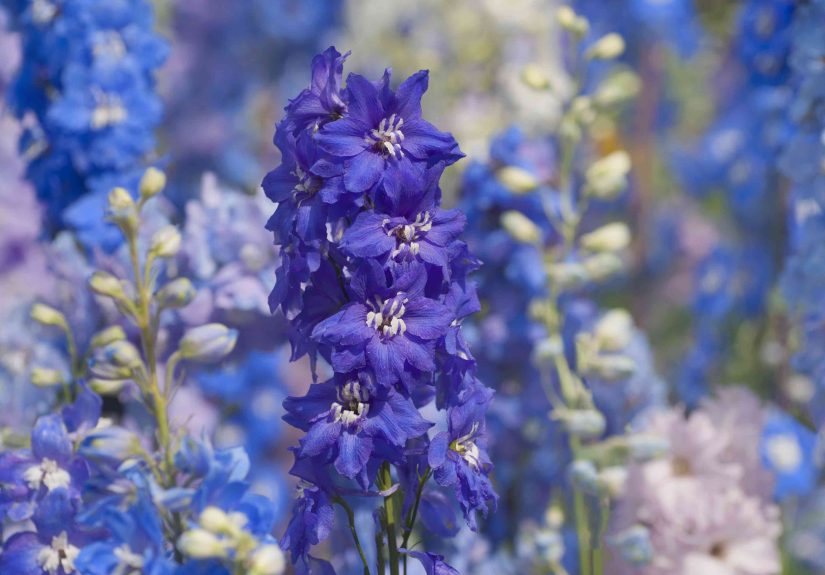
They’re famous for blues so intense they look Photoshopped, but they also come in purple, pink, lavender, and white.
The catch? Delphiniums are not “set it and forget it” plants. They’re more like a talented friend who needs the right lighting, a snack schedule,
and occasional emotional support (a stake) to really shine.
If you can give them cool-ish conditions, rich soil, steady moisture, and a little structure, they’ll reward you with blooms that stop people mid-sentence.
This guide walks you through planting delphiniums, growing them well, and keeping them healthywithout turning your weekends into a full-time job.
Know Your Delphinium: Types, Lifespan, and What to Expect
“Delphinium” can mean a few different things in garden centers. Getting the right type for your climate is half the battle.
Most classic tall border delphiniums are Delphinium elatum hybrids (often sold as Pacific Giants or similar groups).
These are the skyscrapersoften 4 to 6 feet tall in bloomwith the wow-factor spikes.
Common delphinium groups you’ll see
- Tall hybrids (e.g., Pacific Giants): Big height, big blooms, usually need staking.
- Belladonna types: Slightly shorter, airier, often more willing to rebloom.
- Dwarf or compact types: Better for windy yards, containers, or “I refuse to stake anything” gardeners.
- Annual larkspur: Often called larkspur in seed racks; similar look, different life cycle (one season and done).
A truth delivered gently: many delphiniums are short-lived perennials (often 3–5 years in ideal conditions), and in hot, humid summers they can struggle.
In warmer zones, gardeners sometimes treat them as “glorious seasonal guests” rather than permanent residents.
Best Growing Conditions: Give Them What They’re Secretly Demanding
Light
Aim for 6–8 hours of sun. In cooler climates, full sun is usually perfect. In hot-summer regions, give them
morning sun and afternoon shade so they don’t melt into a crispy regret by July.
Soil
Delphiniums want soil that’s fertile, humus-rich, and well-drained. Think “garden loam that looks like chocolate cake crumbs,”
not “brick,” and definitely not “swamp.” If your soil stays wet, roots can rot and the whole plant can collapse like a bad plot twist.
- Texture: Loamy is ideal; amend clay with compost to improve drainage.
- Fertility: They’re heavy feedersplan to enrich the bed.
- Moisture: Even moisture, never waterlogged.
Airflow (the underrated success factor)
Delphiniums are prone to diseases like powdery mildew when crowded or constantly damp.
Give them space and avoid planting in a tight corner where air never moves.
Your delphinium doesn’t need a breeze machinejust room to breathe.
How to Plant Delphiniums: Step-by-Step
When to plant
- Spring: Great for most areas once the soil is workable and hard frosts are fading.
- Early fall: Excellent in regions with mild falls; roots establish while the soil is warm.
Planting steps (transplants or nursery pots)
- Pick the site: Sun, drainage, and wind protection (without blocking airflow).
- Prep the bed: Work in 2–3 inches of compost. If your soil is poor, be generous.
- Dig a wide hole: Wider than deep. Delphiniums like room for roots to spread.
- Set at the right depth: Plant at the same depth it was growing in the pot.
- Water in: Deeply, to settle soil around roots.
- Mulch smart: Mulch helps keep roots cool, but keep mulch pulled back from the crown to reduce rot risk.
- Space them: Typically 18–24 inches apart (more for big varieties) to reduce disease pressure.
Pro tip: if you’re planting tall varieties, plan your staking strategy now. Staking after stems are huge is like trying to put pants on a toddler in motion.
Possible, but emotionally expensive.
Growing Delphiniums from Seed (Yes, You Can)
Starting delphiniums from seed is doable, but it’s not instant gratification.
Many delphinium seeds germinate better with cool conditions and sometimes a period of cold treatment
(a.k.a. the seed’s tiny winter vacation).
Simple seed-starting outline
- Timing: Start indoors about 8–10 weeks before your last expected frost.
- Chill if needed: Some gardeners refrigerate seeded trays or seed packets briefly to improve germination.
- Sow shallow: Lightly cover (check packet specifics), keep evenly moist.
- Keep it cool: Many delphiniums prefer cooler germination temps than tropical houseplants.
- Harden off: Gradually acclimate seedlings outdoors before transplanting.
One more gentle truth: seeds from hybrid delphiniums may not come “true” to the parent’s exact color or form.
If you want a guaranteed look, buy named varieties as plants. If you like surprises, seeds are basically a garden loot box.
Delphinium Care: A Practical Seasonal Routine
Watering
Delphiniums prefer consistent moisture, especially during active growth and flowering. Water deeply at the base
so moisture reaches the root zone. Avoid frequent light sprinklingit encourages shallow roots and wet foliage
(which diseases love).
- Goal: Moist soil, not soggy soil.
- Heat waves: Water early in the day and consider temporary afternoon shade.
Feeding (fertilizer and compost)
These plants are hungry. In spring, top-dress with compost, then consider a balanced fertilizer as growth takes off.
Avoid overdoing nitrogentoo much can encourage leafy growth at the expense of sturdy stems and flowers.
- Spring: Compost + a balanced slow-release fertilizer.
- Pre-bloom: A second light feeding can support flower production.
- After first bloom: A gentle boost may help rebloom on some types.
Mulching and root comfort
Delphiniums like cool roots. A 2-inch mulch layer helps conserve moisture and moderate soil temperature.
Keep mulch a few inches away from the crown so it doesn’t trap moisture right where rot likes to start.
Staking Delphiniums: Keep the Drama in the Flowers
Tall delphiniums have hollow stems and heavy flower spikes. Add wind or rain, and they can flop spectacularly.
Stake earlywhen plants are 12–18 inches tallso supports disappear into the foliage as the plant grows.
Three staking methods that don’t look like scaffolding
- Single stakes: Bamboo or metal stakes placed around the clump; tie loosely with soft plant ties.
- Ring supports: A circular support that holds stems upright as they fill in.
- Grid/mesh support: Pea netting or a discreet grid system over the clump early in spring.
Make stakes slightly shorter than the mature plant height so they’re not the main feature in your border.
The goal is “floating flower spires,” not “yard equipment chic.”
Pruning and Deadheading: How to Get More Blooms
Deadheading delphiniums keeps them tidy and can encourage additional flowering, especially with Belladonna and some hybrids.
After the main bloom, cut the spent flower spike down to a strong set of leaves or a side shoot.
Don’t shave the whole plant down immediately if it’s still green and photosynthesizing like a champion.
End-of-season cutback
After frost blackens the foliage, cut stems down and remove debris. Clean-up reduces overwintering disease issues
and keeps your spring garden from looking like it lost a small battle.
Common Problems (and How to Fix Them Without Panicking)
Pests: the usual suspects
- Slugs and snails: Especially hard on young shoots. Use traps, iron phosphate baits (as directed), and remove hiding spots.
- Aphids: Blast off with water, encourage beneficial insects, or use insecticidal soap if needed.
- Mites and leaf miners: Less common, but possiblemonitor and remove badly affected growth.
Diseases: prevention is your best tool
Delphiniums can deal with powdery mildew, leaf spots, blights, and crown/root rot.
The best strategy is to make your garden a terrible place for diseases to throw a party:
space plants well, water at the base, keep foliage dry when possible, and remove infected material promptly.
Powdery mildew (the white “flour dust” look)
Powdery mildew often shows up as a white or gray powdery coating on leaves and stems.
Improve airflow, avoid overhead watering, and remove heavily infected leaves.
If you routinely see it, consider preventive management early rather than waiting for the plant to look like it fell into a bakery.
Crown rot and “sudden collapse”
If a delphinium suddenly wilts and the base looks soft or rotted, drainage is usually the culprit.
Improve soil structure, avoid burying the crown, and don’t let mulch or soggy soil sit against the stem base.
In severe cases, removing the plant may be the only realistic option.
Winter Care and Longevity Tips
In colder regions, delphiniums generally overwinter well when crowns aren’t waterlogged.
After fall cleanup, add a light winter mulch after the ground freezes (especially in exposed sites),
then pull mulch back in spring as growth resumes.
How to keep plants going for years
- Divide carefully: Every few years in spring (when growth starts) to refresh crowded clumps.
- Try basal cuttings: In spring, some gardeners propagate strong shoots to “clone” a favorite plant.
- Replace strategically: If your climate is tough on delphiniums, plan to replant periodically.
Safety Note: Delphiniums Are Toxic
Delphiniums are beautiful, but they’re not edible and can be poisonous if ingested.
Wear gloves if you have sensitive skin, and keep curious pets and small children from sampling the foliage.
(This is one flower arrangement you don’t want your dog to “help” with.)
Design Ideas: Where Delphiniums Look Like They Belong on a Magazine Cover
Delphiniums are made for the back of borders, cottage gardens, and “English garden” vibes.
They pair beautifully with plants that hide their lower stems and soften the look of supports.
- Classic companions: Peonies, roses, foxgloves, and hardy geraniums.
- For a blue theme: Catmint, salvia, and lavender for a long season of color.
- To hide the ankles: Lady’s mantle, hosta (in part shade), or low mounding perennials.
Quick Troubleshooting FAQ
Why are my delphiniums flopping?
Usually late staking, too much shade (stretchy growth), or heavy rain/wind. Stake early, give adequate sun,
and avoid high-nitrogen fertilizer that makes stems lush but weak.
Why did my delphinium bloom once and quit?
Heat stress, drought, and poor soil are common reasons. Deadhead after bloom, keep moisture steady,
and feed lightly. In hot climates, they may simply not rebloom reliably.
Can I grow delphiniums in containers?
Yeschoose compact varieties, use a large, heavy pot (wind is real), and water consistently.
Container delphiniums dry out faster, so they need more attention than in-ground plants.
Do delphiniums come back every year?
Many are perennials, but they can be short-lived and climate-sensitive. In ideal zones and conditions,
they return and expand. In heat and humidity, they may behave like a brief but unforgettable summer romance.
Conclusion: The Delphinium Deal
If you want height, color, and a little “wow” built right into your garden, delphiniums are worth the effort.
Plant them in rich, well-drained soil with plenty of sun (and some afternoon shade in hot regions),
water consistently, feed moderately, stake early, and keep airflow high.
Do that, and you’ll get flower spikes that look like they were designed by a professional set decorator.
Extra: of Real-World Delphinium Experience (What Gardeners Learn the Fun Way)
Here’s the part most care guides don’t say out loud: delphiniums are a confidence-building plant… right after they humble you.
Gardeners often start out thinking, “It’s just a flower.” Then a thunderstorm hits, and suddenly you’re outside
at 7:12 p.m. holding up a five-foot stalk like it’s a collapsing Jenga tower, whispering, “Stay with me.”
The big lesson: staking isn’t optional for tall typesit’s preventative healthcare.
Put supports in early and you’ll barely notice them later; wait until buds form and it’s like trying to build a chair while someone is sitting in it.
Another common “aha” moment is realizing delphiniums are secretly obsessed with root comfort.
When gardeners say, “Mine did great in May and looked tragic by July,” it often comes down to hot soil and inconsistent moisture.
A light mulch layer can be the difference between steady growth and a plant that pouts through summer.
But mulch has to be used with manners: pulled back from the crown. Many gardeners learn this after one too many plants
develop that unsettling “soft base” situation. Delphiniums like moisture, not a wet collar.
Soil prep is where experienced growers quietly win.
People who succeed long-term tend to treat delphiniums like they’re planting a small fruit tree:
they widen the bed, add compost, and improve drainage before the plant ever touches the ground.
It’s not glamorous work, but it pays off when flower spikes stand tall and full instead of thin and wobbly.
And if you want the flowers to look like the catalog photo, don’t skimp on feeding.
Gardeners who top-dress with compost and use a balanced fertilizer early in the season
often get thicker stems, stronger growth, and better bloom quality.
Then there’s the “slug chapter.” Gardeners in moist climates will tell you that delphinium shoots in spring
are basically a gourmet salad bar for slugs and snails. The trick isn’t one magic productit’s consistency:
check early, use traps or baits responsibly, and remove hiding spots. If you lose the first flush of growth,
the plant may recover, but it will bloom later and less impressively. Catching damage early is the difference
between “Wow!” and “What happened here?”
Finally, experienced gardeners learn to treat delphiniums like valued members of the bordernot immortal statues.
Even with great care, some will fade after a few years. Instead of taking it personally, they plan for it:
they take basal cuttings, divide clumps when healthy, or simply replant a favorite variety every so often.
It’s not failure; it’s garden realism. Delphiniums are a high-reward plant, and the reward is real.
When those spikes open and the blues start glowing in evening light, you’ll forget every tiny annoyance and think,
“Okay, fine. You can stay.”