Table of Contents >> Show >> Hide
- What Bird of Paradise Needs (In Plain English)
- Why This Plant “Acts Weird” Sometimes (And Why That’s Normal)
- The 15-Step Bird of Paradise Grow Plan
- Step 1: Pick the right “Bird” for your space
- Step 2: Choose your growing modeindoor, outdoor, or “summer vacation”
- Step 3: Find the brightest spot you’ve got
- Step 4: Don’t gambleuse a pot with drainage holes
- Step 5: Mix (or buy) soil that drains fast but still feeds the plant
- Step 6: Plant at the right depthdon’t bury the crown
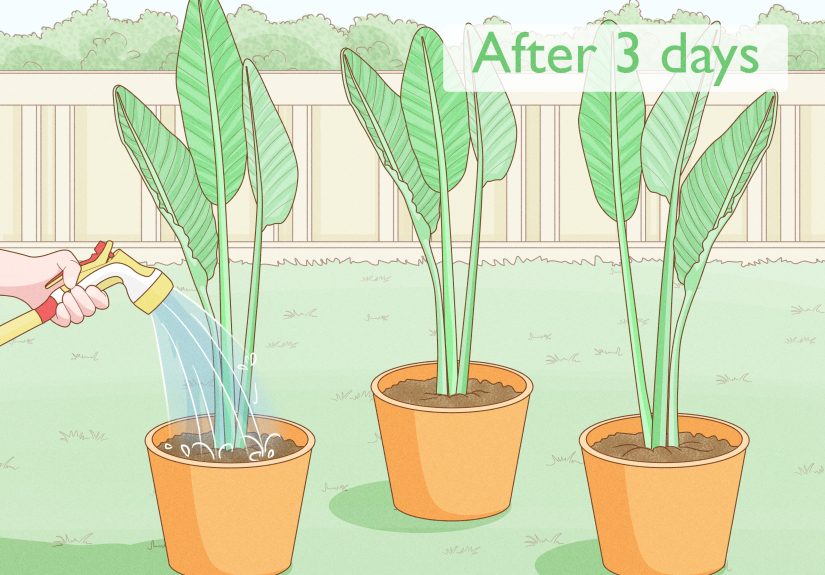
- Step 7: Water deeply, then let it dry slightly
- Step 8: Learn the leaf “language” so you can adjust fast
- Step 9: Keep temperatures warm and avoid cold drafts
- Step 10: Raise humidity the smart way (no constant mist panic)
- Step 11: Feed during growthdon’t overfeed into a leaf-only lifestyle
- Step 12: If moving outdoors, acclimate slowly to prevent sunburn
- Step 13: Repot only when neededand size up modestly
- Step 14: Prune and clean for health (and aesthetics)
- Step 15: Propagate with division (or seeds, if you enjoy epic timelines)
- How to Get Blooms (The Honest Truth)
- Common Problems and Fast Fixes
- Safety Note for Pets and Kids
- Conclusion
- Real-World Experiences: What Growers Learn the Hard Way (About )
If you want a plant that looks like it belongs on a tropical movie setwithout actually requiring you to move to a beachBird of Paradise is your show-off.
With the right setup, this Strelitzia can reward you with towering, banana-like leaves and (eventually) those iconic “bird head” blooms.
Quick heads-up before we dive in: this guide is about Bird of Paradise in the Strelitzia genus (like Strelitzia reginae and S. nicolai),
not “Mexican bird of paradise” (a different plant entirely that gets called the same thing in casual conversation). Plant names are messy. Your living room doesn’t have to be.
What Bird of Paradise Needs (In Plain English)
- Light: very bright light; some direct sun is great outdoors, but harsh midday indoor sun can scorch leaves.
- Water: thorough watering, then let the mix dry slightlynever swampy, never bone-dry for weeks.
- Soil: rich, airy, well-draining (roots hate sitting in wet soup).
- Warmth + humidity: it’s tropical. It likes cozy temps and moderate humidity.
- Patience: blooms are a “long game” reward, especially indoors.
Why This Plant “Acts Weird” Sometimes (And Why That’s Normal)
Bird of Paradise has a few quirks that freak people out the first time:
leaves can split, edges can brown, and growth can slow in winter.
Leaf splitting often happens with wind, bumps, or low humidityit’s not automatically a crisis.
Browning edges usually point to inconsistent watering, dry air, or mineral buildup.
The trick is to diagnose calmly instead of panic-repotting like you’re on a reality TV show.
The 15-Step Bird of Paradise Grow Plan
-
Step 1: Pick the right “Bird” for your space
For most homes, Strelitzia reginae (orange blooms) is the classic choice and tends to be more practical indoors.
Strelitzia nicolai (white blooms) is the “giant” typegorgeous, but it can become a small indoor tree with very large leaves.
If your ceiling fan is already nervous, go smaller. -
Step 2: Choose your growing modeindoor, outdoor, or “summer vacation”
Outdoors year-round works best in very warm climates; elsewhere, it’s commonly grown as a houseplant that can spend warm months outside.
If you plan to move it outdoors seasonally, you’ll get faster growthjust remember plants sunburn too (more on that in Step 12). -
Step 3: Find the brightest spot you’ve got
Bird of Paradise thrives with very bright light. Indoors, place it near your sunniest window.
East and south exposures are often winners; a dim corner will keep it alive, but it won’t look thrilled about it.
If your winters are dark or your windows are limited, a grow light can be the difference between “surviving” and “thriving.” -
Step 4: Don’t gambleuse a pot with drainage holes
A drainage hole is not optional; it’s the escape hatch for excess water.
Use a sturdy container (this plant gets top-heavy) and a saucer you’ll actually empty.
Decorative cachepots are fine only if the inner pot drains and you never let it sit in runoff. -
Step 5: Mix (or buy) soil that drains fast but still feeds the plant
Aim for a rich, loamy, well-draining mix. A simple approach:
quality potting mix + extra perlite/pumice + a little compost or bark for structure.
You want moisture retention without “mud.” If water puddles on top or the pot stays heavy for days, your mix is too dense. -
Step 6: Plant at the right depthdon’t bury the crown
Keep the base of the plant (where stems emerge) at the same level it was previously growing.
Planting too deep can slow growth and flowering.
Firm the mix gentlyroots like contact, not compaction. -
Step 7: Water deeply, then let it dry slightly
When you water, soak the mix until water runs out the bottom. Then pause.
Let the top couple inches dry before watering again (faster in summer, slower in winter).
Consistently soggy soil is how you invite root rot to move in and refuse to pay rent. -
Step 8: Learn the leaf “language” so you can adjust fast
Use symptoms as clues:
- Yellowing leaves: often overwatering, poor drainage, or seasonal slowdown.
- Crispy brown edges: low humidity, inconsistent watering, or mineral/salt buildup.
- Droopy leaves: thirsty plant (or a root problem if soil is already wet).
The goal is not perfection; it’s responding before minor stress becomes a full-blown soap opera.
-
Step 9: Keep temperatures warm and avoid cold drafts
Bird of Paradise prefers moderate-to-warm indoor temps and hates chilly surprises.
Keep it away from drafty doors, blasting AC vents, and cold window glass at night in winter.
If you summer it outdoors, bring it inside when nights start getting cool. -
Step 10: Raise humidity the smart way (no constant mist panic)
Moderate humidity helps leaves stay lush.
Instead of spraying daily like you’re watering a tiny rainforest by hand, try:
a humidifier, a pebble tray, grouping plants, and keeping it away from drying heat vents.
If leaf tips keep browning despite good watering, humidity is a prime suspect. -
Step 11: Feed during growthdon’t overfeed into a leaf-only lifestyle
In spring and summer, fertilize lightly and consistently (for example, every 2–4 weeks with a balanced fertilizer at label rates).
Back off in fall and winter when growth slows.
Too much fertilizer can push lots of foliage with little flowering, and salt buildup can crisp leaf edges.
When in doubt: less, not more. -
Step 12: If moving outdoors, acclimate slowly to prevent sunburn
Outdoor light is way stronger than indoor light.
Start in bright shade for a week, then gradually introduce morning sun, then more sun as tolerated.
Sudden full sun can scorch leaves, especially after a winter indoors. Your plant doesn’t need “tough love.” It needs a transition plan. -
Step 13: Repot only when neededand size up modestly
Bird of Paradise often prefers being a little snug in its pot.
Repot when roots circle aggressively, the plant dries out unusually fast, or growth stalls despite good care.
Move up just 1–2 inches in diameterjumping to a giant pot can keep soil wet too long and stress roots. -
Step 14: Prune and clean for health (and aesthetics)
Remove fully dead or badly damaged leaves at the base with clean pruners.
Wipe dust off leaves with a damp cloth so the plant can photosynthesize like it means it.
Avoid ultra-shiny leaf productsclean leaves are better than “plastic-looking” leaves. -
Step 15: Propagate with division (or seeds, if you enjoy epic timelines)
Division is the most reliable method: separate rhizomes so each division has roots and a fan of leaves.
Keep divisions warm with bright, indirect light while they recover, then increase light later.Seeds work too, but they can take weeks to germinate and many years to bloom.
If you go the seed route, use fresh seed, scarify lightly, keep warm, and commit to the long haul.
How to Get Blooms (The Honest Truth)
Blooms require a combination of high light, a mature plant, and steady care.
Indoors, flowering is harderthink “possible,” not “guaranteed.” If your plant is healthy but not blooming, troubleshoot in this order:
- Light: is it truly bright enough for most of the day?
- Maturity: young plants focus on leaves first.
- Overfeeding: heavy fertilizer can encourage leaves instead of flowers.
- Pot size: slightly snug roots can help; oversized pots can delay flowering.
- Season: many plants slow down in winter and ramp up in spring.
Common Problems and Fast Fixes
Root rot
Usually caused by poor drainage or too-frequent watering. Fix it by improving the mix, reducing watering frequency,
and never letting the plant sit in water.
Spider mites, scale, mealybugs
These pests show up more indoors. Inspect leaf undersides and stems.
For light infestations, wipe pests off with a cotton pad and alcohol or rinse leaves in the shower.
For heavier issues, consider insecticidal soap or horticultural oil and repeat treatments as directed.
Leaf splitting
Often normalespecially with wind or repeated brushing in high-traffic areas.
You can’t “unsplit” a leaf, but you can reduce new splitting with better placement, protection from strong drafts,
and improved humidity.
Safety Note for Pets and Kids
Bird of Paradise (Strelitzia) is commonly listed as toxic to pets, with seeds and fruit most often associated with stomach irritation.
If you have curious chewers, place the plant out of reach and contact a professional if ingestion happens.
Conclusion
Growing Bird of Paradise is mostly about nailing the basics: bright light, warm temps, well-draining soil, and a watering rhythm that
respects the plant’s tropical roots without drowning them. Follow the 15 steps above, and you’ll get a plant that looks like it’s on vacation all year
even if you’re not. And when blooms finally show up, you’ll feel like you won a small, leafy lottery.
Real-World Experiences: What Growers Learn the Hard Way (About )
If you talk to enough Bird of Paradise owners, you’ll notice a pattern: everyone starts confident (“I have a window!”),
then gets humbled by a leaf edge turning brown like toast. The good news is most “problems” are really the plant giving feedback,
not the plant giving up.
One of the most common moments of panic is the first split leaf. People assume pests, disease, heartbreaksomething dramatic.
In reality, splits can happen simply because the leaf got bumped, the air is dry, or the plant spent time in a breezy area.
Many tropical plants have leaves that tear in wind to reduce resistance (nature’s version of aerodynamic design).
The leaf won’t “heal,” but if new leaves keep emerging strong, you’re fine. Consider moving it away from a door that slams,
a hallway where backpacks whack it daily, or a vent that blasts it like a tiny hurricane.
Another classic: overwatering out of love. Bird of Paradise likes moisture during active growthbut it also needs oxygen in the root zone.
A potting mix that stays wet too long is a silent troublemaker. A simple habit that many successful growers adopt is the “lift test”:
after watering, feel how heavy the pot is. When it becomes noticeably lighter, check the top couple inches of mix. If it’s dry, water.
If it’s still damp, wait. This keeps you from watering on a calendar and accidentally turning the root zone into a swamp.
Then there’s the repotting regret. It’s tempting to jump straight into a massive pot because you want “room to grow.”
But a giant pot holds more wet soil, and wet soil that roots haven’t colonized yet stays wet even longer. That’s why experienced growers
usually size up gradually. When people do upgrade in smaller increments, they often see steadier growth and fewer mystery yellow leaves.
The biggest “aha” moment for many owners is light math. Bright indoor light is not the same as outdoor light.
A plant can look healthy and still be underlit for blooming. Growers who finally get flowers indoors often report one of three changes:
they moved it closer to the brightest window, they added a grow light, or they started giving it a true outdoor summer (with a careful acclimation period).
The plant doesn’t need luxuryjust intensity.
Finally: patience pays. Bird of Paradise is not a fast-flowering annual that rewards you by next Tuesday.
It’s more like a long-term relationship: steady care builds momentum. When you keep conditions consistentespecially light and wateringthe plant becomes
more predictable, new leaves unfurl cleaner, and setbacks become rare. And when that first bloom arrives, you’ll understand why so many people keep one
even when it occasionally behaves like a diva. It’s an excellent diva. Worth the ticket price.