Table of Contents >> Show >> Hide
If you are looking to add an elegant and easy-to-care-for perennial to your garden, the wild ginger plant (Asarum canadense) is a fantastic choice. Known for its heart-shaped leaves, low-growing nature, and subtle yet charming flowers, wild ginger can thrive in various environments with minimal maintenance. This article will guide you through everything you need to know about growing and caring for wild ginger, ensuring it becomes a beautiful addition to your landscape.
What is Wild Ginger?
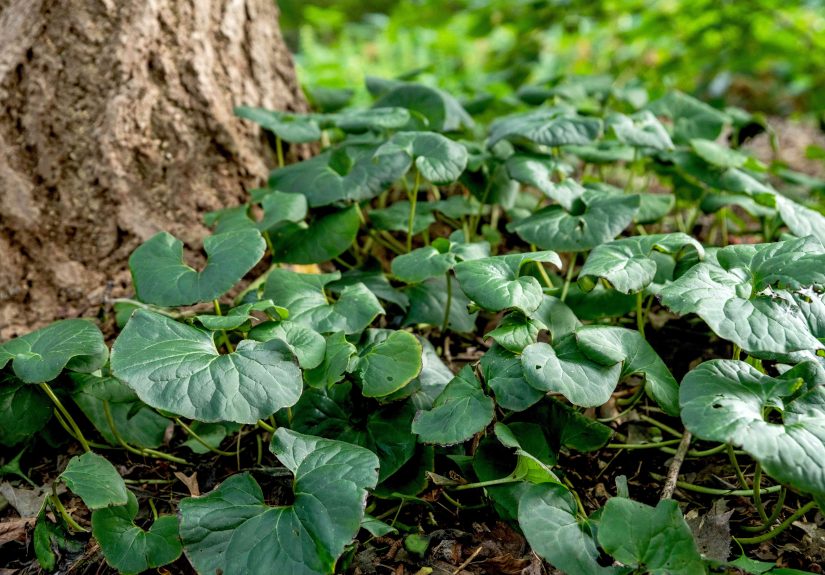
Wild ginger, or Asarum canadense, is a native plant found throughout North America. Despite its name, it is not related to the culinary ginger we use in cooking. Instead, its rhizomes emit a ginger-like fragrance when crushed, which is why it earned the name “wild ginger.” It’s an herbaceous perennial that grows low to the ground, often forming dense mats of foliage that can serve as excellent ground cover. The plant produces unique, burgundy-colored flowers that bloom in early spring, although they are often hidden beneath the leaves, making them a little tricky to spot.
Ideal Growing Conditions for Wild Ginger
Wild ginger thrives in shaded or partially shaded areas, making it a perfect choice for woodland gardens or areas with dappled sunlight. The plant is often found in the wild under trees and in the moist, rich soils of forests, so replicating these conditions in your garden is key to success.
Light Requirements
Wild ginger prefers shade but can tolerate a bit of morning sun. Full sun is not recommended, as it can scorch the leaves and hinder growth. Planting it beneath trees or shrubs that provide natural shade works well, or you can plant it in the north or east-facing parts of your garden where sunlight is limited.
Soil and Drainage
For optimal growth, wild ginger needs rich, moist, and well-drained soil. The plant prefers slightly acidic to neutral soil (pH 6-7). You can enrich the soil by adding organic compost, which will help retain moisture and provide the nutrients the plant needs. Good drainage is important to prevent the roots from becoming waterlogged, which can lead to root rot. Mulching around the base of the plant will also help maintain moisture levels while suppressing weeds.
Temperature and Humidity
Wild ginger is hardy in USDA zones 4 through 8, meaning it can tolerate a range of temperatures, from cold winters to warm summers. However, it thrives in cool, humid environments. In dry climates, you may need to water more frequently to ensure it gets enough moisture.
Planting Wild Ginger
Planting wild ginger is relatively straightforward. Here’s a step-by-step guide to ensure a successful planting:
- Prepare the Soil: As mentioned, wild ginger thrives in rich, well-drained soil. Add organic matter to the planting site to improve soil texture and fertility.
- Dig a Hole: Dig a hole large enough to accommodate the rhizomes, which are usually planted about 2-3 inches deep.
- Spacing: Wild ginger can spread through its rhizomes, so it is essential to plant it about 8-12 inches apart. This spacing will allow the plant to grow without becoming overcrowded.
- Plant the Rhizomes: Place the rhizomes horizontally in the hole and cover them lightly with soil. Be sure the eyes of the rhizomes are facing up.
- Watering: Water the area thoroughly after planting to help settle the soil and ensure good root-to-soil contact.
Care and Maintenance for Wild Ginger
Wild ginger is an excellent low-maintenance plant once established. However, like any garden plant, it requires some attention to ensure it stays healthy and grows well.
Watering
Wild ginger likes consistent moisture but is sensitive to waterlogging. Water the plant regularly during dry spells but ensure that the soil drains well to prevent standing water. After the plant is established, you may reduce watering, especially if you live in an area with adequate rainfall.
Fertilization
Fertilizing wild ginger is generally not necessary. However, you can apply a slow-release, balanced fertilizer in early spring to give it a little extra boost if the soil is poor. Avoid over-fertilizing, as it can lead to lush foliage with fewer flowers.
Mulching
Mulching around wild ginger plants is beneficial, as it helps retain moisture, suppresses weeds, and provides a slow release of nutrients into the soil. A layer of 2-3 inches of organic mulch such as shredded leaves, bark, or wood chips works well.
Pruning
Wild ginger generally doesn’t require much pruning. However, you can remove any dead or damaged leaves in the spring to keep the plant looking tidy. If the plant starts to spread too much, you can dig up the rhizomes and divide them to control its growth.
Common Pests and Problems
Wild ginger is relatively pest-resistant, but it can occasionally attract slugs or snails. If you notice damage to the leaves, check for these pests and remove them manually or with organic treatments such as diatomaceous earth. The plant is also susceptible to root rot if the soil is too wet, so ensure proper drainage to avoid this issue.
Companion Plants for Wild Ginger
Wild ginger works wonderfully as ground cover in shaded garden beds or woodland gardens. It pairs well with other shade-loving plants such as ferns, hostas, astilbes, and Solomon’s seal. You can also plant it alongside spring-blooming bulbs like daffodils or crocuses, which will bloom before the wild ginger’s foliage fully emerges, creating a dynamic and colorful garden.
How to Propagate Wild Ginger
Wild ginger can be propagated by dividing its rhizomes or by seed. The most common method is dividing the rhizomes in early spring before new growth begins. Simply dig up the plant, cut the rhizomes into sections, and replant them as described earlier. Seeds can also be collected from the flower heads in late spring or early summer, though this method is less reliable and can take longer to establish new plants.
Conclusion
Growing wild ginger is a rewarding experience for gardeners seeking a low-maintenance, attractive ground cover that thrives in shaded areas. With its lush foliage, easy-to-care-for nature, and ability to adapt to various soil types, wild ginger is an excellent addition to any garden. By following the simple steps for planting, caring for, and propagating this lovely perennial, you’ll be well on your way to creating a beautiful, vibrant garden space.
One of the most pleasant surprises was how little maintenance the plants required. I watered them regularly during dry spells, but they seemed to do just fine even with minimal attention. The wild ginger’s ability to thrive in such low-light conditions made it an invaluable addition to my garden.
Over time, I have noticed how well wild ginger pairs with other shade-loving plants, creating a cohesive look in the garden. It’s also become a haven for local wildlife, providing shelter for various small creatures. If you’re looking for a plant that requires little care but rewards you with beautiful foliage and subtle flowers, I highly recommend giving wild ginger a try!