Table of Contents >> Show >> Hide
- First, the Golden Rules (Do These Before Any Method)
- What You’ll Need (Simple, Normal-House Stuff)
- Before You Clean: Figure Out “Fresh” vs. “Set-In”
- Method 1: Dish Soap + Vinegar + Cool Water (The Gentle Starter)
- Method 2: Rubbing Alcohol Blotting (The “Dye Dissolver” Move)
- Method 3: Oxygen Power (3% Hydrogen Peroxide or Oxygen Bleach)
- Troubleshooting: Common “Why Is It Doing That?” Moments
- Preventing Hair Dye Accidents (Because You Will Dye Your Hair Again)
- Real-Life Experiences (About ): What Usually Happens in Actual Homes
- Conclusion
Hair dye on carpet is the kind of surprise that makes you consider renting an apartment with no floorsjust trampolines.
But don’t panic. You can often remove (or dramatically fade) hair dye stains with the same calm, steady approach you’d use
when opening a group chat that says, “We need to talk.” The key is speed, gentle technique, and using the right cleaner in the right order.
This guide condenses common best practices from carpet-care organizations, consumer testing outlets, and major U.S. home-care publications
into three methods that work for most carpets. You’ll also get troubleshooting tips, “please don’t do that” warnings,
and a real-life-style experience section at the end (because yes, hair dye always lands on the one spot you can’t hide with a chair).
First, the Golden Rules (Do These Before Any Method)
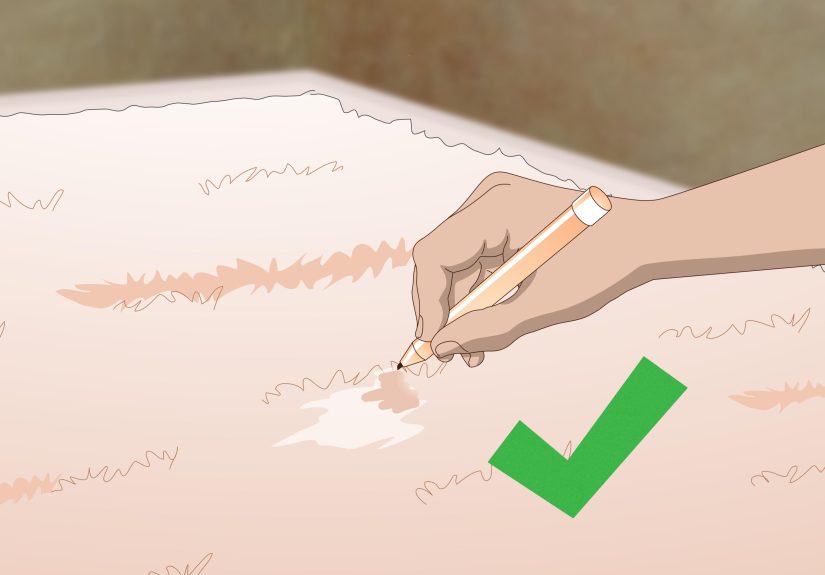
- Blotdon’t rub. Rubbing spreads dye and grinds it deeper into the fibers. Blot like you’re trying to hush a secret.
- Work from the outside in. Prevents a tiny dot from becoming a watercolor mural.
- Use cool water. Heat can set stains and make your life harder.
- Test first. Dab your cleaner on a hidden spot (inside a closet corner) to check for color loss or fiber weirdness.
- Don’t over-wet. Soaking the pad can cause lingering odor, wicking (stain comes back), or discoloration as it dries.
- Ventilate + protect your hands. Open a window and wear gloves, especially with alcohol or peroxide.
What You’ll Need (Simple, Normal-House Stuff)
- White paper towels or clean white cloths (white = no color transfer)
- Cool water
- Mild dish soap
- White vinegar
- Rubbing alcohol (isopropyl alcohol, 70% is a good starting point)
- 3% hydrogen peroxide (the standard pharmacy kind)
- Optional: baking soda, a spray bottle, a spoon, a small fan
Before You Clean: Figure Out “Fresh” vs. “Set-In”
Fresh stains (still damp) are easier because the dye hasn’t bonded fully with the fibers.
Set-in stains (dry or hours-old) may require more repetition, a stronger step (like peroxide),
and patience. Either way, start by removing as much as possible without spreading it.
Quick Prep
- If there’s a blob of dye, gently lift it with a spoon (don’t smear).
- Blot with a dry white towel to absorb excess liquid.
- Switch to a fresh towel as it picks up colordon’t keep “repainting” the carpet.
Method 1: Dish Soap + Vinegar + Cool Water (The Gentle Starter)
This is your “start here” methodespecially for fresh dye or when you’re not sure how colorfast your carpet is.
Dish soap helps lift oils and pigments, while vinegar can help loosen dye residue and reduce stickiness so you can blot it away.
Mixing Recipe
- 2 cups cool water
- 1 teaspoon mild dish soap
- 1 tablespoon white vinegar
Step-by-Step
- Apply to the cloth, not the carpet. Dip a white cloth into the solution and wring it out so it’s damp, not dripping.
- Dab from outside to center. Blot gently, lifting color as you go. Don’t scrub.
- Pause, then blot again. Let the solution sit for 2–3 minutes, then blot with a dry towel.
- Repeat. Alternate damp solution-blot and dry-blot until you see less transfer.
- Rinse. Dampen a clean cloth with cool water and blot to remove soap/vinegar residue.
- Dry. Press a stack of paper towels on the spot, then place a heavy (non-dye) object on top for 10–20 minutes.
When Method 1 Works Best
- Fresh spills
- Light dye transfer (a “smudge” rather than a “crime scene”)
- Carpets where you want to avoid oxidizers until you’ve tested a gentler option
If You See a Faint Shadow Left Behind
That lingering “ghost stain” is common with hair dye. Don’t declare defeatmove to Method 2 or 3.
Many dye formulas are designed to stay (rude), so it may take a second technique to break the color.
Method 2: Rubbing Alcohol Blotting (The “Dye Dissolver” Move)
Rubbing alcohol can help dissolve and lift dye pigments, especially when the stain is fresh-ish.
It’s also useful after Method 1 if the stain has stopped transferring with soap/water but still looks tinted.
Step-by-Step
- Spot test first. Alcohol can affect some dyes or finishesbetter safe than “why is that patch lighter now?”
- Put alcohol on the cloth. Dampen a white cloth with rubbing alcohol (don’t pour directly onto carpet).
- Blot gently. Press and lift. You’re coaxing the dye out, not power-washing it in.
- Switch cloth sections. Use a clean area of the cloth frequently to avoid re-depositing dye.
- Rinse. Blot with a cloth dampened with cool water to remove alcohol and loosened residue.
- Dry thoroughly. Paper towels + weight, then fan-dry.
Pro Tips
- Less liquid, more patience. Over-wetting can cause the stain to spread or wick up later.
- Keep it ventilated. Alcohol smell travels like gossip.
- Don’t mix chemicals in the moment. If you used Method 1, rinse well before trying alcohol.
Method 3: Oxygen Power (3% Hydrogen Peroxide or Oxygen Bleach)
If hair dye is still visible after Methods 1 and 2, you may need an oxidizing step.
3% hydrogen peroxide can help break down remaining color molecules.
This can be extremely effective on some stainsbut it can also lighten certain carpets, so testing is non-negotiable.
Important Warnings (Read This, Future You Will Thank You)
- Test for colorfastness. Peroxide can lighten carpet dye, especially on darker carpets.
- Avoid wool/silk and delicate natural fibers unless the manufacturer explicitly allows it.
- Don’t rush. Oxidizers often work gradually; repeated gentle applications beat one aggressive soak.
Option A: Straight 3% Hydrogen Peroxide (Targeted “Color Lifter”)
- Test in a hidden spot. Wait a few minutes and check for lightening.
- Blot the stain with cool water first (lightly damp cloth) to prep the fibers.
- Apply peroxide sparingly. Dampen a cloth with 3% peroxide and blot the stain.
- Let it sit. Allow 5–10 minutes, then blot with a dry towel.
- Repeat if needed. Some stains take multiple rounds. Don’t flood the carpet.
- Rinse and blot dry. Use a cool-water-damp cloth, then towel dry and fan-dry.
Option B: Peroxide + Baking Soda Paste (For Stubborn “Shadow Stains”)
If the stain is faint but persistent, a gentle paste can help. This approach is best on many synthetic carpets
after a successful test patch.
- Mix baking soda with just enough 3% peroxide to make a spreadable paste (think toothpaste texture).
- Apply a thin layer to the stain.
- Let sit 10–20 minutes.
- Blot with a damp cloth, then rinse-blot with cool water.
- Dry thoroughly (paper towels + weight helps prevent rings).
When to Stop DIY and Call a Pro
- The carpet is wool, antique, or specialty dyed
- The stain is large, deep, or soaked into the pad
- You’ve tried multiple gentle rounds and it’s not improving
- You see browning, a spreading ring, or recurring “wicking”
Professional carpet cleaners (especially those trained in spot and dye treatment) have specialized reducers/oxidizers,
controlled rinse extraction, and the experience to avoid permanent discoloration.
Troubleshooting: Common “Why Is It Doing That?” Moments
1) The stain disappeared… then came back
That’s often wicking: dye left in the pad migrates upward as the carpet dries.
Re-treat using the same method that worked, then dry the area aggressively:
paper towels + weight for 20–30 minutes, then a fan.
2) There’s a ring around the cleaned spot
Rings can happen when residue spreads outward or when the outer edge dries faster than the center.
Lightly dampen the surrounding area with cool water and blot outward-to-dry to feather the transition,
then dry with towels and airflow.
3) The carpet feels crunchy or attracts dirt later
That’s usually leftover soap/cleaner residue. Rinse the area with cool water (lightly damp cloth),
blot repeatedly, and dry well. Residue is basically a “dirt magnet subscription service.”
4) You’re seeing yellow/brown discoloration after over-wetting
Over-wetting can trigger discoloration from backing, old spills, or residues. The best fix is often controlled rinsing and extraction,
plus thorough drying. If it persists, bring in a professional cleaner to prevent fiber damage.
Preventing Hair Dye Accidents (Because You Will Dye Your Hair Again)
- Make a “drop zone.” Put down a plastic sheet, then an old towel on top (the towel catches drips; plastic stops seepage).
- Keep a damp cloth ready. The first 60 seconds matter.
- Dye in a hard-floor area when possible (bathroom/kitchen), not next to your carpet’s hopes and dreams.
- Use a cape and clips. Hair dye runs downhill; your carpet is the valley.
Real-Life Experiences (About ): What Usually Happens in Actual Homes
In real life, hair dye stains don’t arrive politely. They show up during the exact moment you think,
“Wow, I’m being so careful.” Then the bottle burps, your glove slips, or a tiny drip lands on the carpet
and suddenly you’re standing there like a detective who forgot their magnifying glass.
Here’s the most common pattern: people try to wipe fast (understandable!), but wiping turns a dot into a smudge
because hair dye is designed to spread and stick. That’s why blotting feels almost too gentlelike it can’t possibly work
but it’s the move that keeps your stain from evolving into a full-size abstract painting.
Another real-home moment: the panic-cleaner cocktail. You grab whatever is closestmaybe a multipurpose spray, maybe a “miracle”
cleaner from under the sinkand you layer products without rinsing in between. The result is often a sticky patch that looks clean
for a day, then grabs dirt like it’s auditioning to be a lint roller. In practice, the best results usually come from doing one method
at a time, rinsing, and drying well. It’s less dramatic, but it actually works.
People also tend to underestimate drying. A damp spot can look fine immediately after cleaning and then dry into a halo.
That’s why the “paper towels + weight” trick matters. In everyday homes, this is the step that separates
“I fixed it!” from “Why is there a circle… and why does it look like the carpet is judging me?”
A small fan pointed at the area for a couple of hours can make a surprising difference too.
If you’ve ever dealt with bright colorsreds, purples, bluesyou’ve probably noticed they can leave a faint tint even after the stain lifts.
That’s where Method 3 becomes the hero of the story. Peroxide (used carefully and tested first) is often what turns “noticeable stain”
into “you’d only see it if I told you.” But in real homes, it’s also where people can accidentally lighten the carpet,
especially on darker shades. The experience lesson here is simple: test first, go slowly, and treat the stain like you’re editing a photo
small adjustments, check the result, adjust again.
Finally, there’s the emotional arc: relief, optimism, and then the next morning when you walk by in daylight.
Daylight is honest. Sometimes you’ll see a faint shadow that wasn’t obvious at night.
Don’t take it personallyhair dye is literally manufactured to resist fading. Instead, treat it like a two-day project:
gentle cleaning today, reassess tomorrow, and repeat if needed. Most people who get great results aren’t “lucky.”
They’re just patient enough to do a couple of careful rounds and dry properly each time.
Conclusion
To get hair dye out of carpet, start gentle (dish soap + vinegar), escalate smartly (rubbing alcohol),
and use oxygen power carefully (3% hydrogen peroxide or an oxygen-based approach) when residual color hangs on.
Blot, don’t rub; rinse to prevent residue; and dry thoroughly to stop rings and wicking.
When the carpet is delicate, the stain is huge, or you’re seeing discoloration, it’s completely reasonable to call a pro.
Your carpet doesn’t need perfectionjust a solid recovery plan.