Table of Contents >> Show >> Hide
- What Exactly Was Periscope?
- The Mobile-First Live Streaming Revolution
- Signature Periscope Features That Set the Template
- How Periscope Changed What Audiences Expect From Live Content
- Periscope’s Influence on Today’s Big Live Streaming Platforms
- Why Periscope Shut DownAnd Why That Doesn’t Mean It Failed
- Periscope’s Lasting Legacy in Live Streaming
- Experiences and Lessons From the Periscope Era (500+ Words)
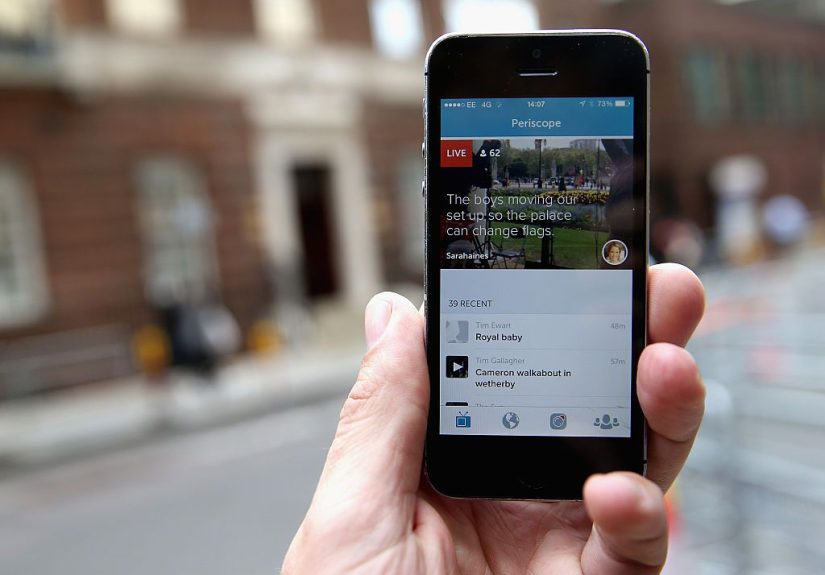
If you were hanging out on Twitter in 2015, you probably remember the moment your feed suddenly filled with tiny links that said someone was “LIVE on Periscope.” One tap and boomyou were dropped into a stranger’s world in real time: concerts, protests, backstage hangouts, or just someone making coffee and oversharing. It felt raw, chaotic, and a little magical.
Periscope didn’t invent live streaming, but it did something more important: it made live video mobile, social, and addictive. In the process, it quietly taught the entire internet how live content should workyears before Facebook Live, Instagram Live, TikTok Live, and even Twitter/X’s current livestreams turned it into a default feature.
What Exactly Was Periscope?
Periscope was a live video streaming app for iOS and Android that let users broadcast directly from their phones to a global audience. Created by founders Kayvon Beykpour and Joe Bernstein, it was acquired by Twitter in early 2015before it even launched publicly. The app officially went live in March 2015 and was shut down on March 31, 2021, after a slow decline in usage and rising competition from larger platforms.
From day one, Periscope was tightly integrated with Twitter. Go live in Periscope, and a link could instantly be blasted to your followers on Twitter, pulling them into your stream with a single tap. This tight social tie-in was part of what made it feel so new: it wasn’t just videoit was video attached to your existing social graph.
The Mobile-First Live Streaming Revolution
Periscope arrived at a very specific moment in tech evolution. Smartphones had good enough cameras, 3G and 4G networks were finally fast enough, and people were already used to sharing their lives in photos and tweets. Live streaming had existed before (think Ustream or early YouTube live tests), but those tools were mostly desktop-based and fiddly.
In 2015, Meerkat briefly exploded as the first big mobile live streaming app. It went viral at SXSW, then quickly ran into trouble when Twitter cut off its access to the social graph and promoted Periscope instead. Periscope, with the backing of Twitter and a slightly more polished experience, took the lead and became the mainstream face of mobile live video.
That same year, live streaming went from niche to mainstream. Media outlets, brands, and influencers started experimenting with real-time Q&As, behind-the-scenes content, and live major events. Commentators at the time called 2015not 2016the true “year of live streaming,” with Periscope front and center in that shift.
Signature Periscope Features That Set the Template
Most of the things we now take for granted in live streams were either popularized or normalized by Periscope. Its core features essentially formed the blueprint that later platforms copied, refined, or expanded.
1. Tap Hearts and Floating Reactions
On Periscope, viewers could tap the screen to send “hearts” that floated up over the video. It sounds simple, but it was a huge UX breakthrough. Broadcasters got instant feedback, viewers felt involved, and the screen turned into a visual shower of appreciation. Later, Periscope added “Super Hearts” as a virtual gift monetization feature, letting fans pay to send premium reactionsanother concept that platforms like TikTok and Twitch now heavily rely on.
2. Real-Time Chat Overlaid on the Video
Periscope overlaid a live chat directly on the video feed so viewers could comment and broadcasters could respond in the moment. This made streams feel more like a conversation than a broadcast. Today, it’s nearly impossible to imagine a live stream without chatwhether you’re on Facebook Live, Instagram Live, Twitch, YouTube Live, or TikTok.
3. Location-Based Discovery and the Global Map
One of Periscope’s coolest features was its interactive world map. You could zoom into any region and see active streams represented by dotsred for live, blue for replays. It turned the idea of “what’s happening right now” into something visual and global, and helped users discover content beyond their own social bubble.
4. Replays and 24-Hour Availability
Periscope struck a smart balance between “blink and you miss it” and “permanent archive.” For most of its life, streams were available as replays for 24 hours. That kept content feeling fresh and urgent without completely punishing anyone who happened to be asleep or at work when the broadcast went live. Other platforms later adopted a similar “temporary replay” logicInstagram Stories and Live replays are obvious descendants.
5. Seamless Social Sharing
Because Periscope was owned by Twitter, broadcasting and promoting a stream was frictionless. Start a stream, and your followers could be notified immediately through a tweet. That real-time amplification is the same logic we now see when Facebook or Instagram send push notifications that “So-and-so is live right now,” or when YouTube sends alerts to channel subscribers.
How Periscope Changed What Audiences Expect From Live Content
Periscope didn’t just change the tech; it reshaped viewer expectations about what live content should feel like. Marketers, newsrooms, and everyday users quickly learned that polished wasn’t always better.
Authenticity Over Production Value
Periscope streams were famously imperfectshaky phones, bad lighting, noisy streets, random cameos. Oddly, that became part of the charm. The lack of polish made streams feel real and unscripted, and that authenticity turned out to be a powerful engagement driver. Later studies on live social media content show that audiences respond strongly to this unfiltered, in-the-moment vibe; it builds trust and deeper emotional connection with brands and creators.
Interactive, Not Passive
With hearts and chat, Periscope proved that viewers don’t want to just watchthey want to participate. That interactivity is now baked into every major live streaming platform. Research on Facebook and Instagram Live, for example, highlights interactivity and real-time feedback as key drivers of engagement and satisfaction.
“Right Now” as a Feature, Not a Bug
Periscope emphasized immediacy: the whole point was “see the world through someone else’s eyes as it happens.” That mindset helped shift social media from static posts to real-time experiencessomething that now feels obvious when you think about live sports streams, product drops, breaking news, and influencer events.
Periscope’s Influence on Today’s Big Live Streaming Platforms
Periscope didn’t survive as a standalone app, but its impact shows up everywhere. Live streaming is now a standard feature, not a quirky add-on, and that normalization was accelerated by Periscope’s early success.
Facebook Live and Instagram Live
Facebook launched Facebook Live broadly in 2016, while Instagram added live video soon after as part of its Stories ecosystem. These platforms took Periscope’s formulanotifications, live chat, reactions, and replaysand layered it on top of their massive existing user bases. The result: live video went from “early adopter toy” to “mainstream staple” almost overnight.
Today, brands use Facebook and Instagram Live for product launches, interviews, virtual events, and Q&A sessions, building on practices that were prototyped on Periscope: informal conversations, audience questions in real time, and a strong emphasis on engagement over slick production.
Twitch, YouTube Live, and the Rise of Creator Economies
Twitch technically predates Periscope, but the explosion of mobile live streaming helped push live formats further into the mainstream. The concept of real-time chat, on-screen reactions, and monetized virtual gifts or subscriptions can all be traced back through a live streaming lineage where Periscope played a highly visible role, especially for non-gaming content.
On YouTube Live and Twitch, you can still see Periscope’s DNA: chat-driven communities, reactive emotes, and real-time call-and-response between streamer and audience.
TikTok Live and the New Wave
TikTok Live combines the short-form video craze with live broadcasting and heavily leans into features like gifts, stickers, and live shopping. Many of these monetization and engagement mechanics look like evolved versions of what Periscope started with hearts and Super Heartsonly now scaled to hundreds of millions of users.
Why Periscope Shut DownAnd Why That Doesn’t Mean It Failed
For all its influence, Periscope didn’t last as an independent app. In December 2020, Twitter announced that it would wind down the service, citing declining usage and the high cost of maintaining a separate product. The app was officially removed from app stores and shut down at the end of March 2021.
By then, live streaming features had been absorbed into almost every major social network. Twitter itself added native live video, making a separate Periscope app feel redundant. From a business standpoint, it made more sense to integrate and consolidate than to keep two overlapping products afloat.
But “shut down” doesn’t equal “irrelevant.” In fact, Periscope’s story is a classic example of a product whose ideas survived even after the brand name faded. Twitter/X still uses technology descended from the original Periscope codebase for live video, and the broader social ecosystem continues to refine patterns that Periscope helped establish.
Periscope’s Lasting Legacy in Live Streaming
Looking back, Periscope’s legacy can be summed up in a few key shifts it helped drive:
- Live video became “normal.” Before Periscope, live streaming felt niche. After Periscope, it was something anyone with a smartphone could do on a Tuesday afternoon.
- Real-time engagement became the gold standard. Hearts, chat, and live reactions redefined how audiences expected to interact with content.
- Brands learned to embrace “messy” authenticity. The rough edges of Periscope streams paved the way for today’s casual Q&As, “day in the life” live sessions, and behind-the-scenes tours.
- Monetization models evolved. Virtual gifts, Super Hearts, and fan support laid conceptual groundwork for today’s live gifting and creator economy features across multiple platforms.
- Discovery became global and real time. The world map and location-based browsing showed what was happening right now, anywhere on earthan idea that still underpins trending tabs and live discovery feeds today.
So even though you can’t fire up the Periscope app anymore, you’re still living in the world it helped create every time you watch or host a live stream.
Experiences and Lessons From the Periscope Era (500+ Words)
For many early adopters, Periscope wasn’t just another appit was a crash course in what it means to perform, connect, and build community in real time.
Brands Discover the Powerand Riskof Being Live
Marketers were among the first to see Periscope’s potential. Agencies and social media teams experimented with live product launches, behind-the-scenes tours, and live Q&A sessions. A small clothing brand might bring viewers “backstage” to a photoshoot, while a software company could live-stream a conference keynote or hands-on demo.
These experiments taught brands a few hard-earned lessons:
- Preparation matters, but over-scripting kills the vibe. The most successful Periscope streams had a clear purpose and talking points, but left room for spontaneity and audience questions.
- Tech fails are part of the show. Dropped connections, bad audio, and awkward angles were frequent. Viewers, however, often reacted with empathy rather than angeras long as the host stayed transparent and kept their sense of humor.
- Moderation is crucial. Live chat attracts both enthusiastic fans and trolls. Early Periscope users realized quickly that having someone dedicated to watching comments and blocking bad actors made a huge difference.
If you’ve ever watched a modern brand handle a glitch gracefully on Instagram Live (“Okay, our Wi-Fi hates us today, but we’re rolling with it!”), you’re seeing behaviors refined during the Periscope days.
Journalists and Activists Go Where the Cameras Aren’t
Periscope also became a powerful tool for citizen journalism. People used it to stream protests, natural disasters, and breaking news from their phoneswell before news outlets fully adapted their own live social strategies.
That had two big consequences:
- News became more decentralized. You didn’t have to wait for a TV crew to arrive to see what was happening. Anyone with a phone could broadcast events in real time, forcing traditional media to respond faster and validate on-the-ground footage.
- Ethical and safety questions became urgent. Streaming sensitive situations raised questions about privacy, security, and verification that platforms are still grappling with today.
Modern live coverage on Twitter/X, Facebook, and YouTubewhether it’s from professional journalists or eyewitnessesowes a lot to those early Periscope streams that showed audiences what raw, real-time coverage could look like.
Creators Find Their Voice in Real Time
For solo creators, Periscope offered something incredibly intoxicating: instant audience feedback. Streamers could experiment with content formats on the flytalk shows, tutorials, casual hangouts, live drawing sessions, music performancesand get real-time reactions through chat and hearts.
Many of the creator habits you see today started on Periscope:
- Greeting newcomers by name as they join the stream.
- Doing quick recaps every few minutes for latecomers (“If you’re just joining, here’s what we’re talking about…”).
- Prompting engagement with questions (“Where are you watching from?”) or mini-challenges.
- Testing ideas live before turning them into polished YouTube videos, podcasts, or blog posts.
These patterns are now standard on TikTok Live, Instagram Live, and Twitchand they started, in part, with creators figuring things out in front of a live Periscope audience.
Everyday Users Learn the Limits of “Always On”
Periscope was also one of the first apps that made people confront the reality of “Do I really want to be live right now?” Streaming your commute, your dinner, or your night out could be fun, but it also raised questions about boundaries, oversharing, and safety.
People learnedsometimes the hard waythat:
- Sharing your exact location publicly isn’t always a good idea.
- Not everyone around you wants to be on camera.
- Even a small live audience can capture and redistribute your stream beyond your original circle.
Those early experiences helped shape today’s norms around live streaming: clearer consent expectations, location controls, and more thoughtful decisions about when to go live and when to keep things offline.
What Today’s Creators and Brands Can Learn From Periscope
Even though Periscope is gone, the lessons from that era still apply:
- Focus on connection, not perfection. People forgive rough edges if they feel genuinely seen and heard.
- Design for interaction. Ask questions, react to comments, and use live features to make viewers feel like collaborators.
- Respect your audience’s time. Have a clear purpose for going live, and deliver valueentertainment, insight, or accessthey can’t get from a static post.
- Think cross-platform. Periscope thrived because of Twitter integration. Today, the smartest creators repurpose live content into clips, posts, and stories across multiple platforms.
In short, Periscope was more than an app; it was a rehearsal for the live, interactive internet we all use today. Every “We’re live!” notification on your phone is a tiny echo of that original “LIVE on Periscope” buzz.