Table of Contents >> Show >> Hide
- The Real Answer: Sodium Can Raise the Scale, But It Usually Isn’t Fat Gain
- Sodium 101: Why Your Body Needs It (Yes, Needs It)
- Water Weight vs. Fat Gain: How to Tell What’s Happening
- So Why Do People Associate Salty Foods With Real Weight Gain?
- Signs Your Scale Jump Is Probably Sodium (Not Fat)
- How Much Sodium Is “Too Much”?
- Where Sodium Really Comes From (Spoiler: Not Just Your Salt Shaker)
- Practical Ways to Cut Sodium Without Making Food Sad
- Specific Examples: How Sodium Can “Fake” Weight Gain
- Who Should Pay Extra Attention to Sodium?
- Experiences People Commonly Have With Sodium and “Weight Gain” (Real-World Scenarios)
- Conclusion: Sodium Doesn’t “Make You Fat,” But It Can Make the Scale Lie for a Minute
You eat a salty dinner, wake up the next morning, step on the scale… and the number has jumped like it just saw a spider.
Before you start negotiating with your bathroom scale (“Listen, we can talk about this”), let’s clear up what sodium can
actually do to your weightand what it can’t.
Sodium (often shorthand for “salt,” even though salt is sodium chloride) has a complicated relationship with your body.
It’s essential for things like nerve signals, muscle contractions, and fluid balance. But when you get a lot of it at once,
your body may hold onto extra water. That can show up fast as “weight gain,” even though it’s not the same thing as gaining body fat.
The Real Answer: Sodium Can Raise the Scale, But It Usually Isn’t Fat Gain
Sodium doesn’t magically turn into body fat. Body fat increases when, over time, you take in more energy (calories) than your body uses.
Sodium itself has zero calories. So if you see a sudden bump in weight after a salty meal, it’s typically water weight
(temporary fluid retention), not a permanent change in body composition.
That said, sodium can still be connected to long-term weight gainbut indirectly. Many high-sodium foods are also highly processed,
calorie-dense, and easy to overeat (looking at you, chips that vanish “somehow” while you’re watching TV). So sodium isn’t the direct villain,
but it often travels with the usual suspects.
Sodium 101: Why Your Body Needs It (Yes, Needs It)
Sodium helps your body maintain the right balance of fluids inside and outside your cells. It’s also involved in:
- Nerve function (sending signals from your brain to the rest of you)
- Muscle contractions (including your heart, which is not a “take a day off” kind of muscle)
- Blood volume regulation (which links sodium to blood pressure)
The issue isn’t that sodium is “bad.” The issue is how much sodium many people regularly getespecially from packaged,
prepared, and restaurant foodscompared with recommended limits.
Water Weight vs. Fat Gain: How to Tell What’s Happening
If your weight changes quicklyovernight or within a day or twoit’s usually not fat. Fat gain is slower. Water shifts can be fast
because your body moves fluid around all the time.
How sodium can cause water retention
When you eat a lot of sodium, your body works to keep sodium levels in your blood within a narrow range. One way it does this is by
holding onto more water. Your kidneys also manage sodium and water together, and hormones help regulate that balance.
The result? You may retain extra fluid for a short time, which can show up as:
- A higher scale reading
- A puffy face or “why are my cheeks doing this?” moment
- Tight rings or socks leaving deeper marks than usual
- Bloating or a swollen feeling
How long does sodium “weight gain” last?
For most generally healthy people, sodium-related water retention is temporary. Once your body restores balanceoften by shifting fluid
and excreting more sodiumthe scale usually drifts back toward normal over the next day or two.
A helpful mindset: Fast up, fast down usually means water. Slow up over weeks and months is more likely to reflect changes
in body fat or muscle.
So Why Do People Associate Salty Foods With Real Weight Gain?
Because salty foods often come with extra calories, not because salt has secret fat-making powers.
Many high-sodium foods are also:
- Ultra-processed (engineered to be easy to eat and hard to stop eating)
- High in fat and refined carbs (which increases calorie density)
- Large portion sizes (restaurant “one serving” can be two or three)
Sodium + “hyper-palatable” foods
Salt makes food taste better. That’s not a moral failingit’s food science. When salt boosts flavor, it can also boost how much you want to eat.
Add in crunch, sugar, fat, and convenience, and it’s easy to end up eating more calories than you planned.
The thirst trap (sometimes literally)
Salty meals can make you thirsty. If thirst turns into sugary drinks, extra snacks, or “I deserve dessert because sodium made me do it,”
the calorie total climbs quickly. Again, it’s not the sodium itselfit’s the ripple effect.
Signs Your Scale Jump Is Probably Sodium (Not Fat)
If you’re trying to figure out what’s behind a sudden weight increase, look for clues like:
- Timing: You notice it within 12–36 hours after a salty meal or restaurant day.
- How you feel: You feel puffy, bloated, or “tight” in your clothes.
- Thirst: You’re unusually thirsty or waking up thirsty.
- Pattern: The number drops again after a day or two of more typical eating.
One important note: if swelling is significant, persistent, painful, or comes with symptoms like shortness of breath, talk with a healthcare professional.
Fluid retention can sometimes be related to medical conditions or medicationsnot just a salty dinner.
How Much Sodium Is “Too Much”?
There’s no single perfect number for everyone, but U.S. health authorities commonly point to these benchmarks:
- General limit: Many guidelines advise staying under 2,300 mg of sodium per day for most adults.
- Lower targets: Some organizations suggest an ideal goal around 1,500 mg/day for many adults, especially those with high blood pressure.
If those numbers feel abstract, here’s a grounding fact: about 1 teaspoon of table salt contains roughly 2,300 mg of sodium.
And sodium doesn’t just come from the salt shakerit’s built into many packaged foods and restaurant meals.
Where Sodium Really Comes From (Spoiler: Not Just Your Salt Shaker)
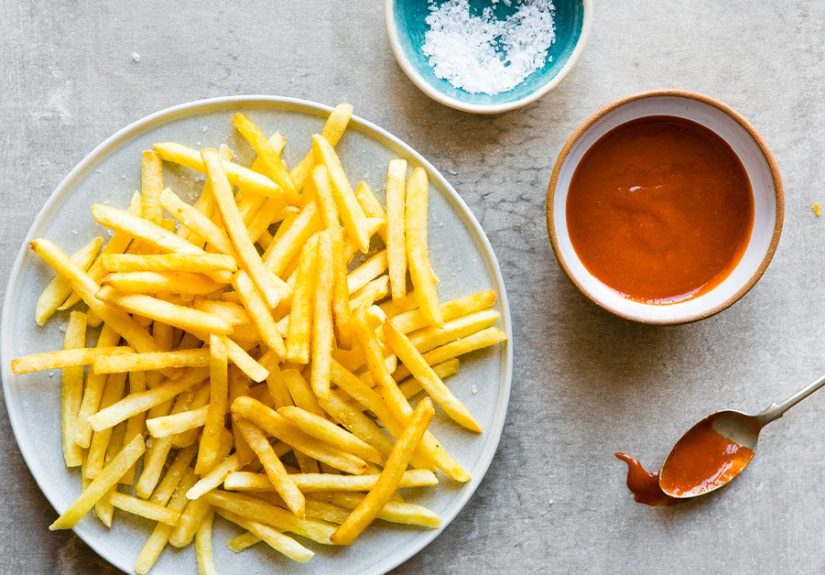
A lot of people assume the main sodium problem is sprinkling salt on fries. In reality, most sodium in typical U.S. diets comes from
packaged, prepared, and restaurant foods. Common heavy-hitters include:
- Pizza and fast food meals
- Deli meats and bacon
- Canned soups and instant noodles
- Cheese and sauces (including salad dressings)
- Frozen dinners
- Breads and buns (quietly sodium-rich over multiple servings)
The sneaky part: foods don’t have to taste extremely salty to be high in sodium. Sodium can be doing behind-the-scenes work as a preservative,
texture booster, or flavor enhancer.
Practical Ways to Cut Sodium Without Making Food Sad
Lowering sodium doesn’t mean eating bland food and pretending you’re happy about it. The goal is to be strategicespecially if you notice
frequent bloating or if a clinician has recommended limiting sodium for blood pressure or heart/kidney reasons.
Use the Nutrition Facts label like a detective
Check sodium in milligrams (mg) per serving and look at the % Daily Value (%DV). As a rule of thumb, lower %DV is better if you’re trying to reduce sodium.
Also remember: some packages contain multiple servings, even when your stomach strongly believes it was “one.”
Compare brands (it’s wild out there)
Two similar products can have very different sodium levels. Bread, soup, broth, marinara sauce, and frozen meals are classic places where a quick comparison
can cut hundreds of milligrams per day without changing what you eatjust which version you buy.
Rinse canned foods
If you use canned beans or vegetables, rinsing can reduce sodium. (Yes, it’s annoying. Yes, it can help.)
Flavor with acids, herbs, and spices
Lemon, lime, vinegar, garlic, onion, pepper, chili flakes, cumin, smoked paprikathese add “pop” so you rely less on salt for flavor.
Your taste buds adapt over time, so gradual changes often feel easier than a sudden salt-free shock.
Restaurant strategy
Restaurant meals can be sodium-heavy because salt helps food taste great at scale. Helpful moves include:
- Ordering sauces/dressings on the side
- Choosing grilled/roasted options over heavily sauced or breaded items
- Splitting large entrées or saving half for later
None of this has to be “all or nothing.” Even small swaps can reduce sodium meaningfully over time.
Specific Examples: How Sodium Can “Fake” Weight Gain
Example 1: The “It was just sushi” surprise
Sushi can be a great meal, but soy sauce, miso soup, and pickled sides can push sodium up quickly. The next morning, you might feel puffy
and see a higher scale reading. That doesn’t mean you gained fat overnightit’s more likely water retention from a saltier-than-usual day.
Example 2: The canned soup + sandwich combo
Canned soup + deli meat + cheese + bread can stack sodium from multiple directions. None of those items has to taste like a salt lick to add up.
If you feel bloated later or the scale spikes, sodium may be part of the story.
Who Should Pay Extra Attention to Sodium?
Everyone benefits from keeping sodium in a reasonable range, but some people may need to be especially careful, including those who have:
- High blood pressure or a strong family history of it
- Kidney disease or reduced kidney function
- Heart failure or certain heart conditions
- Conditions associated with swelling (edema)
- Medication-related fluid retention (some meds can contribute)
If you have a medical condition or take regular medications and you notice persistent swelling, rapid unexplained weight changes, or shortness of breath,
it’s worth checking in with a clinician. Sodium is part of fluid balance, but it isn’t always the only factor.
Experiences People Commonly Have With Sodium and “Weight Gain” (Real-World Scenarios)
Since sodium-related water weight can be so dramatic, people often describe it like their body is “holding a grudge.” It’s not personalyour kidneys are
just running the world’s most complicated plumbing system. Here are experiences that show up again and again in real life, and what they usually mean.
1) The Takeout Weekend Scale Shock
A common story: someone eats pretty normally during the week, then has a weekend packed with takeoutpizza Friday, ramen Saturday, a big brunch Sunday.
Monday morning, the scale is up a few pounds. Panic follows. But by Wednesday, the scale drifts back down, even though nothing “extreme” happened.
This is one of the clearest patterns of sodium-related water retention. Restaurant meals are often higher in sodium, and when you stack them back-to-back,
your body may hold extra water for a day or two. Once your eating pattern returns to normal and your body rebalances fluids, the number often settles.
The experience can feel like “I gained weight and then lost it,” but it’s typically water shiftingnot fat appearing and disappearing overnight.
2) The “Healthy” Meal That Still Triggers Bloating
People are sometimes confused when a meal that seems healthy still leads to puffiness. For example: a big salad with grilled chicken, but the dressing is
bottled and the chicken is pre-seasoned; or a “light” turkey sandwich with deli meat and cheese. The meal can be nutritious, yet sodium adds up in dressings,
sauces, breads, and processed proteins. The person’s takeaway is often, “My body hates healthy food,” when the more accurate takeaway might be,
“Some healthy meals are still sodium-heavy, depending on ingredients.” This is also why learning label reading (especially for sauces and packaged proteins)
can be more useful than trying to guess based on taste alone.
3) The Travel Effect (Planes, Hotels, and Mystery Puffiness)
Travel is a perfect storm for feeling swollen. Airport food and restaurant meals tend to be salty, hydration routines get weird, and long periods of sitting
can make ankles and feet feel puffy. People often report their face looks fuller in photos or their shoes feel tighter. Sodium can contribute, but so can
changes in activity, sleep, and how long you’ve been sitting. The practical lesson: if you’re traveling and notice temporary “weight gain,” it’s usually
a short-term fluid situationnot a sign that your body is permanently changing from two hotel breakfasts and a bag of pretzels.
4) The Instant Noodle Era (Especially for Busy Students)
Another very real experience: during a busy season (exams, deadlines, long work shifts), someone leans on convenience foodsinstant noodles, packaged snacks,
frozen meals. They notice more bloating, more thirst, and more scale fluctuation. Here, sodium is often part of the pattern because many quick foods are
sodium-dense. The person may also be eating fewer potassium-rich foods like fruits and vegetables, which normally support overall dietary balance.
The key is not shame; it’s awareness. Convenience foods can absolutely fit into life, but if the “puffy and thirsty” feeling becomes frequent, it may help
to swap in a few lower-sodium options (or pair convenience meals with fresh sides) rather than assuming the body is “broken.”
5) The “I Drank More Water and Gained Weight” Confusion
People sometimes notice they drank more water after a salty meal and the scale didn’t immediately improveor even went up. That can feel unfair, but it’s
usually just timing. After high sodium intake, your body may retain fluid while it restores balance; drinking water can help support normal regulation,
but it won’t always create an instant “flush” by the next weigh-in. A more helpful approach is to zoom out: look at how you feel, watch the trend over
several days, and notice whether weight settles once routine eating returns.
These experiences all point to the same big idea: sodium can change how much water your body holds, and water can change the scale quickly.
That’s why one day’s weigh-inespecially after a salty mealdoesn’t tell the whole story.
Conclusion: Sodium Doesn’t “Make You Fat,” But It Can Make the Scale Lie for a Minute
Sodium can make you retain water, which can look like rapid weight gain and feel like bloating. But sodium itself doesn’t cause body fat gain.
The bigger long-term issue is that high-sodium diets often come from foods that are also high in calories and easy to overeat.
If you notice frequent puffiness or big day-to-day scale swings, it may help to look at sodium sourcesespecially packaged and restaurant foodswhile keeping
the bigger picture in mind: health is built from patterns, not from one salty dinner.