Table of Contents >> Show >> Hide
- What is sunburn?
- What people mean by “sun poisoning”
- Sunburn vs. sun poisoning: the main differences
- Symptoms checklist
- Timeline: what to expect over the next few days
- Quick self-test: sunburn, sun poisoning, or heat illness?
- Why sun poisoning can feel like the flu
- Safe treatment at home
- Complications: why severe cases deserve respect
- When to see a doctor or go to urgent care
- Prevention that actually works
- FAQ: quick answers to common questions
- Conclusion
- Experiences related to the topic: real-life scenarios people commonly report
- SEO Tags
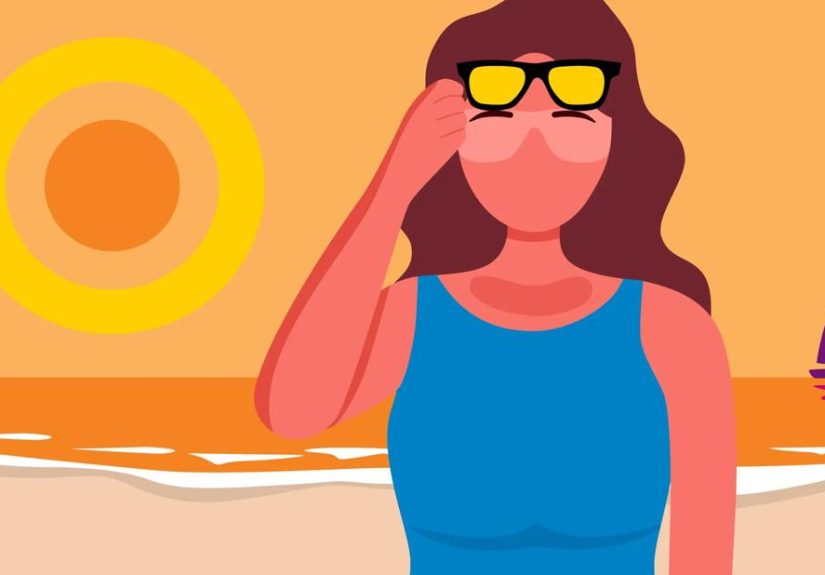
Sunburn is the classic souvenir nobody asked for: hot, sore skin after too much UV. “Sun poisoning” is the phrase people use when the situation escalatesthink severe burn, blistering, rash, and flu-like symptoms that make you feel sick, not just uncomfortable.
Let’s compare them clearly, with practical treatment steps and specific red flags. (Because “walk it off” is not a medical plan.)
What is sunburn?
Sunburn is an inflammatory reaction after ultraviolet (UV) radiation damages skin cells. It often appears within hours of exposure and can worsen over the next 24 hours. Mild burns cause tenderness and redness or discoloration. More severe burns can swell and blister, and they may be accompanied by headache or nauseaespecially if you were also overheated.
What’s happening under the surface
UV exposure injures skin cells and triggers inflammation. That inflammation is why the skin feels hot and painful. The peeling that shows up later is your body shedding damaged surface cells. It’s not “the burn leaving your body”; it’s your skin doing cleanup.
What people mean by “sun poisoning”
“Sun poisoning” isn’t a formal diagnosis. Most commonly, it means a severe sunburn with whole-body symptoms such as fever, chills, nausea, dizziness, dehydration, or faintness. Sometimes it’s used to describe a sun-triggered rash, such as polymorphous light eruption (PMLE), which tends to itch more than it hurts and can appear as bumps, patches, or small blisters after sun exposure.
Because the term is fuzzy, the safest approach is symptom-based: treat the skin injury, support hydration and cooling, and escalate care if systemic symptoms are significant.
Sunburn vs. sun poisoning: the main differences
| Category | Sunburn | “Sun Poisoning” (common use) |
|---|---|---|
| Skin symptoms | Heat, pain/tenderness, redness/discoloration, later peeling | More intense redness/swelling, blistering, and sometimes an itchy rash |
| Whole-body symptoms | Usually none (mild/moderate) | More likely: fever/chills, nausea/vomiting, dizziness, dehydration, faintness/confusion |
| How it feels | Mainly localized skin pain | Skin pain plus “I feel sick” symptoms |
| Level of concern | Depends on severity and body area affected | Often higher; consider medical advice if symptoms are significant |
Symptoms checklist
Typical sunburn signs
- Warm/hot skin and tenderness
- Redness or discoloration (on deeper skin tones, it may look darker, purplish, or gray-brown)
- Mild swelling
- Itching and peeling after a few days
Signs people often call “sun poisoning”
- Widespread or very painful blistering
- Fever and/or chills
- Nausea or vomiting
- Dizziness, faintness, or confusion
- Severe headache
- Dehydration clues: extreme thirst, very dark urine, little or no urination
- Rash: itchy bumps or hives after sun exposure (possible PMLE or irritation)
Timeline: what to expect over the next few days
First 6–12 hours: You may feel warmth and tenderness, but the full intensity often hasn’t peaked yet. If you got burned midday, don’t let an “I’m fine” afternoon trick you into staying out longer.
About 12–24 hours: Many sunburns reach their worst pointmore redness/discoloration, more pain, and sometimes swelling. This is also when dehydration-related symptoms (headache, lightheadedness) can show up if you didn’t replace fluids.
Days 2–4: Pain and heat usually start easing. Itching may increase as skin begins to dry and peel. Keep moisturizing and avoid picking or scrubbing.
Days 4–7+: Peeling continues and new skin is extra sensitive. Blistering burns can take longer, and sun rashes may come and go with additional exposure. If symptoms are worsening rather than improving, or if you develop fever, spreading redness, or pus, get medical care.
Quick self-test: sunburn, sun poisoning, or heat illness?
If you’re trying to decide what you’re dealing with, use this simple checklist:
- Mostly skin pain, no systemic symptoms: likely straightforward sunburn.
- Skin pain + nausea, chills, dizziness, dehydration, or widespread blisters: often labeled “sun poisoning,” and you should monitor closely and consider medical advice.
- Confusion, fainting, very rapid breathing, seizures, or extreme overheating: possible heatstrokeseek emergency care.
Why the overlap? Because prolonged sun exposure can injure skin and stress the body through dehydration and overheating. You don’t have to pick a single label to choose safe care.
Why sun poisoning can feel like the flu
A severe burn triggers a stronger inflammatory response, which can make you feel feverish or achy. Meanwhile, long sun exposure often comes with dehydration (sweat + not drinking enough + alcohol or caffeine). Dehydration can cause headaches, dizziness, nausea, and weakness. Put those together and you get the “flu without the flu” feeling people describe as sun poisoning.
Safe treatment at home
For mild to moderate sunburn
- Get out of the sun immediately and stay out until healed.
- Cool the skin with a cool (not icy) shower or cool compresses.
- Moisturize after cooling; aloe gel can feel soothing.
- Drink extra fluids. If you’re sweaty or nauseated, consider electrolytes.
- If safe for you, an anti-inflammatory pain reliever (like ibuprofen) may help pain and swelling.
For blistering burns
- Do not pop blisters. They protect the healing skin underneath.
- Keep the area clean; cover with a nonstick dressing.
- If a blister breaks, gently wash with mild soap and water, then protect it with a nonstick bandage.
For suspected sun poisoning symptoms
- Rest in a cool place and avoid additional heat exposure.
- Hydrate steadily (small sips if nauseated); consider electrolyte solutions.
- Monitor for worsening symptoms over the next several hours.
- Seek medical care if you can’t keep fluids down, feel faint/confused, develop high fever/chills, or have extensive blistering.
What to avoid
- Scrubbing or force-peeling skin
- Ice directly on the burn
- Topical numbing products if they irritate your skin or cause a rash
- More sun exposure “to even it out” (your skin is not a toaster)
Complications: why severe cases deserve respect
Severe blistering burns can raise infection risk and may take longer to heal. Dehydration can worsen symptoms and, in serious cases, require IV fluids. If you have eye pain or vision changes, that can signal significant sun injury around the eyes. And repeated UV injury contributes to long-term skin damage, including increased skin cancer risk. Even if you “bounce back,” it’s a sign to upgrade your prevention plan.
Pro tip: If you have a chronic skin condition, immune suppression, or you’re unsure whether a rash is from sun, sunscreen, or a medication reaction, a quick call to a clinician can prevent days of guesswork and worsening symptoms.
When to see a doctor or go to urgent care
Get medical advice promptly if you have:
- Large or widespread blisters, or blisters on the face, hands, or genitals
- Fever, chills, worsening headache, confusion, or fainting
- Vomiting or inability to keep fluids down
- Signs of dehydration: very dark urine, little/no urine, rapid pulse, dizziness
- Signs of infection: pus, spreading redness, red streaks, or worsening pain
- Eye pain, severe light sensitivity, or vision changes
If symptoms suggest heatstroke (confusion, collapse, seizures, very hot skin), treat it as an emergency.
Prevention that actually works
The best strategy is layered protection: sunscreen plus clothing plus smart timing. Sunscreen helps, but it isn’t a “stay outside all day” permit.
- Use broad-spectrum sunscreen and apply it generously to exposed skin.
- Reapply at least every two hours, and more often after swimming, sweating, or toweling off.
- Use protective clothing (UPF shirt, hat, sunglasses) and seek shade when UV is high.
- Don’t forget easy-to-miss spots: ears, scalp part, back of neck, tops of feet, and lips (use SPF lip balm).
- Remember reflection: water, sand, and snow can bounce UV back at you.
Two myths worth retiring
- Myth: “A base tan prevents burns.” Reality: a tan is still UV damage, and it’s not reliable protection.
- Myth: “Higher SPF means I can reapply less often.” Reality: reapplication is still important because sunscreen wears off with time, sweat, and water.
FAQ: quick answers to common questions
Can you have “sun poisoning” without a sunburn?
If someone is using “sun poisoning” to mean a sun rash (like PMLE), then yesan itchy eruption can appear after sun exposure without a dramatic, uniform burn. If they mean severe systemic symptoms (fever, vomiting, fainting), that usually involves significant sun/heat stress and deserves medical evaluation.
How long will it last?
Mild sunburn often peaks within about a day and improves over several days, with peeling later. Blistering burns can take a week or more to settle. Sun rashes like PMLE may calm down within days to a couple of weeks, especially with strict sun avoidance. If symptoms are worsening after 24–48 hours instead of improving, get checked.
Is a burn worse on the face?
Facial skin is sensitive, and burns around the eyes can cause significant discomfort. If you have eye pain, severe light sensitivity, or vision changes, don’t wait it outseek medical care.
What about kids?
Children can dehydrate faster and may not communicate symptoms clearly. If a child has widespread blistering, fever, lethargy, vomiting, or seems unusually sleepy or confused after sun exposure, contact a clinician promptly.
Conclusion
Sunburn is mainly a skin problem; “sun poisoning” is the phrase people use when the burn is severe and/or comes with body symptoms like fever, nausea, dizziness, dehydration, or an itchy rash. If you have red flagswidespread blistering, confusion, fainting, dehydration, or vomitingget medical help. Otherwise, cool the skin, hydrate, and give your body time to recover. Then take prevention seriously, because your future self would like fewer “crispy shoulder” memories.
Experiences related to the topic: real-life scenarios people commonly report
1) “It wasn’t even that hot.” People often say their worst sunburn happened on a breezy day at the beach or an outdoor event. The wind kept them comfortable, so they skipped shade breaks and forgot reapplication. By night, their skin felt tight and hot; by the next day, even a light shirt hurt. The most common lesson: temperature and UV aren’t the same thing. If you’re outside for hours, treat sunscreen like a schedule, not a suggestion.
2) The “flu” morning after. Many “sun poisoning” stories start with a deep burn plus whole-body symptoms the next day: chills, nausea, dizziness, and a headache that feels like a marching band. When people retrace their steps, dehydration is usually in the plot: lots of sun, sweating, maybe alcohol, and not enough water. What tends to help most is basic but effectivecool showers, electrolyte fluids, rest in air conditioning, and small bland meals. If vomiting or confusion shows up, people learn quickly that urgent care beats toughing it out.
3) The blister debate. Sunburn blisters look poppable, and that’s exactly why they cause problems. People who pop them often report more pain, raw skin, and slower healing (plus the worry of infection). People who leave blisters intact and cover them with a nonstick dressing usually describe smoother recovery. If a blister breaks on its own, gentle washing and keeping it covered is the “I wish I’d done this sooner” move.
4) The itchy rash that wasn’t a classic burn. Some people use “sun poisoning” to describe an itchy eruption after the first sunny weekend of the yearbumps on the chest, arms, or legs that appear a day or two after exposure. The experience is more itch than pain, and it often improves with sun avoidance, topical anti-itch care, and time. Many people notice it becomes less likely later in summer, which fits the pattern of sun-triggered rashes like polymorphous light eruption (PMLE).
5) The medication surprise. Another common story: “I never burn, so what happened?” Someone starts a new medication or skincare active and suddenly burns faster or breaks out after normal sun time. After a pharmacist visit, they learn some products and meds can increase sun sensitivity. Their practical takeaway: when anything new enters your routine, assume the sun is extra spicy for a couple weeksmore coverage, more reapplication, and more shade.
6) The snow-day sunburn (yes, that’s a thing). Skiers and snowboarders often learn this one the hard way. Cold air feels safe, so sunscreen feels optional. But UV is stronger at higher altitudes, and snow reflects sunlight upwardright into the underside of your chin and nose. People describe a very specific look: “goggle face” with a burned strip across the cheeks and a nose that’s angry for days. The lesson: protect in winter too, especially on the face, lips, and any area that’s not covered by gear.
7) The comeback plan. After one bad episode, people often become impressively organized: phone alarms for reapplication, a hat in every bag, SPF lip balm, and electrolyte packets for long days outside. The vibe is simple: summer should end with photos, not prescriptions. The most realistic habit people stick with is pairing sunscreen with something they already dolike brushing teeth or grabbing keysso “I forgot” stops being the plot twist.