Table of Contents >> Show >> Hide
- What Exactly Is Chronic Idiopathic (Spontaneous) Urticaria?
- How Doctors Diagnose Chronic Idiopathic Urticaria
- When Do We Officially Call It “Chronic Idiopathic Urticaria”?
- Red Flags That Need Extra Attention
- Living With the Label “Idiopathic”
- Real-World Experiences With Chronic Idiopathic Urticaria Diagnosis
- Conclusion
Few diagnoses sound as mysterious (and frankly, a little rude) as
chronic idiopathic urticaria. “Chronic” means it has overstayed its
welcome, “urticaria” means hives, and “idiopathic” basically means “we don’t yet
know why.” It’s the medical equivalent of your skin throwing a months-long house
party and not telling you who invited everyone.
In medical guidelines, this condition is usually called
chronic spontaneous urticaria (CSU), but many people and even older
articles still use the term chronic idiopathic urticaria. Both refer to
itchy wheals (hives), with or without angioedema (deeper swelling), that keep
coming back for more than six weeks, without an obvious trigger like a specific
food or medication.
The good news: diagnosing chronic idiopathic urticaria is usually
straightforward, doesn’t require endless lab work, and can often be done based
mainly on your history and a physical exam. The tricky part is accepting that
“idiopathic” doesn’t mean “no answers at all” it just means the cause isn’t
something simple like “you’re allergic to strawberries.” This article walks you
through how doctors diagnose chronic idiopathic urticaria, what tests are (and are
not) useful, and how to survive the process with your sanity and skin intact.
What Exactly Is Chronic Idiopathic (Spontaneous) Urticaria?
Let’s start with the formal definition used in international guidelines. Chronic
spontaneous urticaria is:
-
The spontaneous appearance of hives, angioedema, or both
(meaning it happens without a consistent external trigger), - Occurring on most days of the week,
- For more than six weeks.
“Idiopathic” just means that after a reasonable evaluation, no single, clear cause
is identified. That might sound unsatisfying, but it’s actually common: in many
people, chronic urticaria is thought to be driven by autoimmune mechanisms or
complex immune pathways rather than one obvious allergen.
Symptoms usually include:
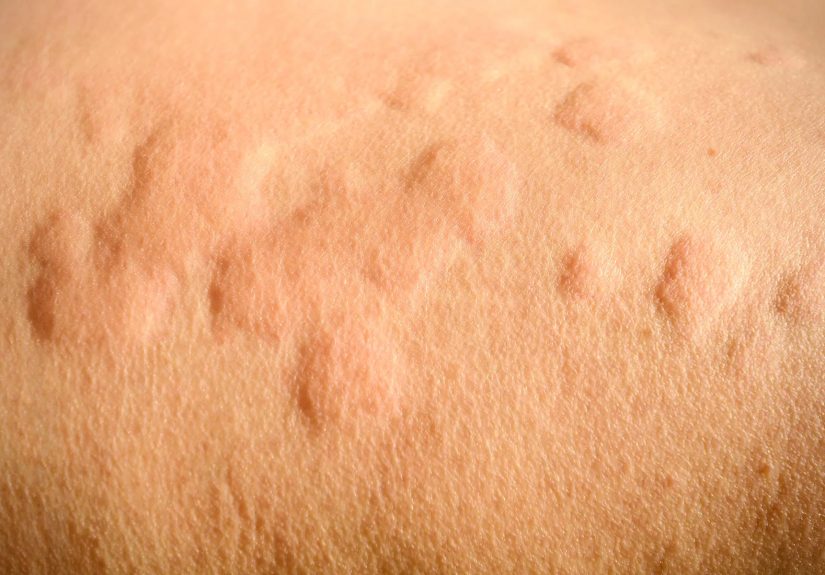
- Itchy, raised wheals that can move around the body.
- Each individual hive lasts less than 24 hours in the same spot.
-
Swelling of lips, eyelids, hands, feet, or genitals (angioedema) in some
patients. -
No consistent, obvious trigger, even after careful questioning (no “it happens
every single time I eat shrimp” pattern).
Chronic idiopathic urticaria is not contagious, not a sign of poor hygiene, and
not “all in your head.” It is a genuine, mast-cell–driven inflammatory skin
disorder that can seriously disrupt sleep, work, and quality of life.
How Doctors Diagnose Chronic Idiopathic Urticaria
Here’s a big surprise for many patients: the
diagnosis is primarily clinical. That means your doctor usually doesn’t need
a huge panel of blood tests, CT scans, and ten vials of blood to figure it out.
Modern guidelines from allergy and dermatology societies emphasize:
listen carefully, examine thoroughly, test selectively.
Step 1: A Detailed Medical History
The story you tell is the single most important “test.” Expect your clinician to
ask questions like:
-
Timing: When did the hives start? Do they appear daily, a few times a
week, or randomly? -
Duration: How long does each individual hive stay in one spot? Less than
24 hours suggests classic urticaria; longer may point toward other conditions
like urticarial vasculitis. -
Appearance and symptoms: Are they itchy? Painful? Burning? Do you get
deeper swelling (angioedema) as well? -
Triggers and patterns: Heat, cold, pressure, exercise, water, vibration,
NSAIDs (like ibuprofen), infections, stress, or hormonal changes can all play a
role. -
Medicines and supplements: New prescriptions, over-the-counter pain
relievers, herbal products, or recent vaccines. -
Associated symptoms: Fever, weight loss, joint pain, abdominal pain,
breathing problems, or fainting spells can suggest something more serious than
“just hives.” -
Personal and family history: Autoimmune diseases (like thyroid disease),
allergies, asthma, or previous episodes of urticaria.
This history helps your doctor decide whether your hives truly fit the pattern of
chronic idiopathic urticaria or whether they might be due to something else like
physical urticarias (triggered by cold, heat, or pressure), drug reactions,
chronic infections, or systemic autoimmune conditions.
Step 2: Physical Examination
Next comes the physical exam. This is your doctor’s chance to:
-
Confirm that what you’re describing really looks like urticaria wheals
that are pale in the center, red around the edges, and often fleeting. -
Look for angioedema (deeper swelling) and check whether it’s isolated or
associated with hives. -
Test for dermographism (hives that appear when the skin is stroked or
scratched). -
Check for signs of systemic illness: fever, joint swelling, unusual bruising,
enlarged lymph nodes, or other rash types.
If your doctor is really thorough, they might gently press on your skin, draw a
little line with a tongue depressor, or ask you to do things like exercise (if
they suspect cholinergic urticaria). These small “bedside tests” help distinguish
chronic idiopathic urticaria from chronic inducible urticarias (CIndU), which have
specific physical triggers.
Step 3: Basic Laboratory Tests – Limited but Important
High-quality guidelines consistently agree: for most people with suspected chronic
idiopathic urticaria, the routine lab workup should be minimal. Common baseline
tests include:
-
Complete blood count (CBC) – to look for anemia, high white cell counts,
or other clues to infection or systemic disease. -
Inflammatory markers – erythrocyte sedimentation rate (ESR) and/or
C-reactive protein (CRP) to check for underlying inflammation. -
Basic metabolic or liver tests – in some cases, depending on your
history and medications. -
Thyroid function and thyroid antibodies – often considered when there
are risk factors or symptoms suggesting autoimmune thyroid disease, which can
be associated with chronic urticaria.
These tests are not looking for a “urticaria number” (if only!) but for signs that
something else might be driving or mimicking your hives.
Step 4: Additional Tests Guided by History – Not by Panic
This is where many patients and sometimes doctors can get carried away. It’s
tempting to do every test in the book, but major allergy and immunology groups
recommend a targeted approach:
-
Allergy testing: Skin testing or blood IgE tests are useful if your
history strongly suggests an allergen (for example, consistent reactions after
eating a specific food). In chronic idiopathic urticaria, allergy tests are
often negative and rarely reveal a single culprit. -
Infection workup: Tests for Helicobacter pylori, parasites, or chronic
viral infections might be considered when your symptoms or location make them
likely not simply “just in case.” -
Autoimmune screening: If your doctor suspects systemic autoimmune
disease (like lupus or vasculitis), they may order ANA, complement levels, or
other specific markers. -
Skin biopsy: If your hives are painful, last longer than 24–48 hours,
leave bruises or discoloration, or come with systemic symptoms, a small skin
sample may be taken to rule out urticarial vasculitis or other inflammatory
conditions.
In other words, your doctor should order more tests only when your story or exam
genuinely point in a specific direction. This approach helps avoid cost, anxiety,
and unnecessary false alarms.
Tests That Are Usually Not Helpful
Modern “Choosing Wisely” recommendations from the American Academy of Allergy,
Asthma & Immunology strongly advise against routinely ordering:
- Broad, non-targeted food or environmental allergy panels.
- Extensive imaging with no specific indication.
- Large autoantibody panels in patients with no systemic symptoms.
- Unnecessary repeat testing “just to see if anything changed.”
Those massive lab printouts may look impressive, but they rarely change management
in chronic idiopathic urticaria and they can generate more confusion than
answers.
When Do We Officially Call It “Chronic Idiopathic Urticaria”?
After your doctor has walked through your history, examined you, and done minimal,
targeted testing, the diagnosis of chronic idiopathic (spontaneous) urticaria
is usually made when:
- You’ve had hives and/or angioedema on most days for more than six weeks.
-
The hives are typical of urticaria (itchy, transient wheals, usually lasting less
than 24 hours in a spot). -
No clear, reproducible external trigger (like a specific food or drug) can be
identified. - Basic lab tests do not point strongly toward another specific diagnosis.
-
Other conditions such as urticarial vasculitis, hereditary angioedema, or
systemic autoimmune disease have been reasonably excluded based on symptoms,
exam, and selective testing.
To monitor how active your hives are over time, many specialists use tools like
the Urticaria Activity Score over 7 days (UAS7), which asks you to score your
itch and hive count each day. This is more about tracking severity and treatment
response than making the initial diagnosis, but it’s a valuable part of long-term
care.
Red Flags That Need Extra Attention
Most cases of chronic idiopathic urticaria are annoying and exhausting but not
dangerous. However, you and your doctor should be on the lookout for warning
signs that demand a more aggressive workup or urgent care:
-
Breathing or swallowing problems, chest tightness, or dizziness/fainting –
these can signal anaphylaxis and are a medical emergency. -
Hives that last in the same spot for >24–48 hours, are painful (not just
itchy), or leave bruises or dark marks – this can suggest urticarial vasculitis. -
Persistent fever, weight loss, night sweats, or joint swelling – these may
point toward systemic autoimmune, infectious, or malignant conditions. -
Angioedema without hives, especially with a family history of such
swelling – this may raise suspicion for hereditary angioedema.
If you notice any of these, don’t just moisturize and hope for the best. Prompt
evaluation can be lifesaving or at least diagnosis-changing.
Living With the Label “Idiopathic”
Saying “we don’t know the exact cause” can feel like the medical system is giving
up. In chronic idiopathic urticaria, though, “idiopathic” usually means:
- You don’t have a simple, avoidable trigger like a single food allergy, and
- You don’t have a scary underlying disease that’s obvious on basic evaluation.
Many patients find relief in knowing that extensive testing for cancers, severe
infections, or connective tissue diseases isn’t typically needed or helpful unless
something in their story suggests it. That’s a good thing.
The focus after diagnosis shifts from “find the one cause” to “control symptoms,
protect quality of life, and reduce disease activity over time” with guidelines-
based treatments such as second-generation antihistamines, dose adjustments, and
advanced therapies like omalizumab when needed.
Real-World Experiences With Chronic Idiopathic Urticaria Diagnosis
Medical guidelines are neat and tidy. Real life… not so much. Many people with
chronic urticaria describe a long and sometimes frustrating journey before finally
getting a clear diagnosis. Let’s walk through what that can look like and how to
make it easier on yourself.
The “Is It Something I Ate?” Phase
A classic story goes like this: Maria starts waking up with hives on her arms and
legs. They itch, disappear by the afternoon, and then pop up in new places the next
day. Step one in her mind? Cut out foods. First dairy, then gluten, then sugar,
then joy in general.
Weeks later, the hives are still there, and now she’s surviving on rice, lettuce,
and anxiety. Her first urgent-care visit ends with a short steroid burst and a
shrug. No one says the words “chronic spontaneous urticaria.” She goes home
confused and still itchy.
This experience is extremely common. Food can certainly trigger immediate hives in
classic allergy, but chronic idiopathic urticaria is rarely driven by
single-ingredient food allergies. Without a strong, repeatable pattern (“hives
every time I eat X within an hour”), strict elimination diets often cause more
stress than benefit.
Collecting Photos, Not Just Symptoms
One practical tip: become your own skin paparazzi. Snap clear photos of your hives
when they’re at their worst, especially if they tend to fade before you can see a
clinician. Bring those photos to your appointment.
Pictures help your doctor:
- Confirm that the rash really looks like urticaria.
-
See whether the wheals are all the same or vary in shape and size (which can
matter diagnostically). -
Check for bruising, discoloration, or other features that might suggest
something beyond simple hives.
Combined with your history, photos can speed up the “Is this urticaria or
something else?” question dramatically.
Preparing for Your Specialist Visit
If your primary-care clinician refers you to an allergist or dermatologist, a
little prep work can make that visit far more productive. Before you go, try to:
-
Keep a symptom diary for at least 1–2 weeks: note days with hives,
severity (for example, a 0–3 scale), and angioedema episodes. -
Write down all medications and supplements, including over-the-counter
products and NSAIDs. -
Note any pattern you’ve noticed: flares with exercise, heat, stress,
menstrual cycles, infections, or specific foods or drinks. -
List your other medical conditions, especially autoimmune thyroid
disease, lupus, or other immune-related issues.
Bringing this information saves time and helps your specialist decide what
additional tests (if any) are truly worth doing instead of just ordering
everything because there’s no data to go on.
The Emotional Side of “We Don’t Know the Exact Cause”
It’s completely normal to feel frustrated when your doctor says, “We don’t know
exactly why your immune system is doing this.” That doesn’t mean nothing can be
done. Chronic idiopathic urticaria is one of those conditions where:
- The cause may be murky, but the treatment algorithms are clear.
-
You can go from miserable to well-controlled with the right combination of
therapies even if you never find a single “trigger.” -
Many people eventually experience spontaneous remission, especially over
several years. You won’t necessarily have hives forever.
It can help to reframe the diagnosis: instead of “Nobody knows what’s wrong with
me,” think “My doctors checked for the scary stuff, followed evidence-based
guidelines, and concluded that my condition fits a well-studied pattern with good
treatment options.”
Advocating for Yourself (Without Fighting Your Doctor)
If you’re living with chronic urticaria, you’re allowed to ask questions lots of
them. Some useful ones include:
- “What conditions did you rule out when you made this diagnosis?”
- “Which tests did you decide were not necessary and why?”
- “How will we track whether my urticaria is improving over time?”
- “When should I seek urgent care instead of waiting for an appointment?”
A good clinician will welcome these questions and explain their reasoning. If you
feel rushed or dismissed repeatedly, it’s reasonable to seek a second opinion
especially from an allergist or dermatologist familiar with the latest chronic
urticaria guidelines.
Bottom line: the diagnosis of chronic idiopathic urticaria is less about finding
one perfect test and more about putting pieces together. When history, exam, and
selective labs all point toward the same conclusion, you’re not being “labeled”
for convenience; you’re being placed into a category that has clear, evidence-
based treatments and realistic hope for improvement.
Conclusion
Chronic idiopathic urticaria may sound mysterious, but the diagnostic approach
doesn’t have to be. By focusing on a thorough history, careful physical exam, and
limited, targeted testing, clinicians can confidently diagnose this condition
without drowning patients in unnecessary investigations.
If you’ve been dealing with chronic hives, remember: you’re not alone, you’re not
“imagining it,” and “idiopathic” does not mean “untreatable.” With the right
specialist, smart use of tests, and a little patience, you can get a clear
diagnosis and a practical plan to calm your skin and get your life back.