Table of Contents >> Show >> Hide
- What Exactly Is a Micro Apartment?
- Why Everyone’s Suddenly Obsessed
- The U.S. Micro Apartment Moment: Real-World Examples
- The Secret Sauce: Design Principles That Make Micro Apartments Livable
- Micro Apartment Kitchens: Small, Mighty, and Occasionally Sneaky
- Bathrooms in Micro Units: The Pocket Door Appreciation Society
- The Economics: Why Micro Apartments Can Be Cheaper (and Why They’re Not Always)
- Regulations and Reality: Why Micro Apartments Exist in Some Cities and Not Others
- Is Micro Living a Dream… or a Developer Trap?
- How to Choose a Micro Apartment Without Regretting Everything
- How to Live Large in a Small Space
- Micro Apartment Experiences: What It Feels Like When “Home” Is Brilliantly Small (Extra )
- Conclusion: Small Space, Big Idea
- SEO Tags
There are trends that whisper, and then there are trends that walk into the room, politely move your coffee table into a vertical position, and say,
“Congratsyou now own a dining room.” The micro apartment is that kind of trend: compact, clever, and somehow always photogenic.
It’s the living-space equivalent of a Swiss Army knifetiny, slightly intimidating at first, and unexpectedly useful once you stop trying to use it like a sword.
Micro apartments (also called micro-units) are small, self-contained homesusually a single main room with a kitchenette and a bathroomdesigned to make
city living possible (or at least less financially terrifying) when square footage is priced like rare truffles. In many U.S. markets, the micro apartment
obsession is fueled by a simple math problem: housing costs keep rising, households keep getting smaller, and the average budget is not keeping up.
The result? A new kind of “small-space living” that’s part minimalism, part engineering, and part “where do I put the vacuum?”
What Exactly Is a Micro Apartment?
A micro apartment is typically smaller than a conventional studio. Think roughly the size of a generous hotel roomexcept you live there, your plants live there,
and your laundry basket has a permanent residency permit. Micro units often range around the mid-200s to mid-300s square feet in many U.S. examples,
though they can be smaller in some models (especially those with shared kitchens or other communal amenities).
The defining feature isn’t only the sizeit’s the intent. Micro apartments are purpose-designed to fit daily life into fewer square feet without feeling
like you’re living inside a suitcase. Done well, they rely on high ceilings, smart layouts, built-in storage, and multi-functional furniture to create
distinct “zones” for sleeping, working, cooking, and relaxingoften in the same 10-foot radius.
Why Everyone’s Suddenly Obsessed
1) The affordability pressure is real
Across the U.S., renters are feeling the squeeze, and many households are cost-burdenedmeaning a significant share of income goes to housing.
When rent behaves like it’s competing in an Olympic sprint, smaller units become one of the few levers that can lower monthly costs (even if the
rent per square foot is higher).
2) Households are smaller, lifestyles are more mobile
More people live alone or with one other person, especially in major metro areas. A micro apartment fits the reality of a one-person household better than
a two-bedroom “just in case my cousin visits for three weeks and starts a sourdough starter.”
3) Design culture made small spaces cool
Small space living used to be framed as a compromise. Now it’s a flex: curated, efficient, and (with the right lighting) borderline cinematic.
Micro apartments invite the kind of design creativity that makes people want to share floor plans the way others share vacation photos.
The U.S. Micro Apartment Moment: Real-World Examples
Carmel Place (New York City): the famous “micro-unit” proof-of-concept
If micro apartments had a celebrity spokesperson, Carmel Place would be signing autographs. This NYC projectoriginally known as My Micro NYbecame
a widely cited example of city-sanctioned micro living: a building with 55 micro-unit apartments built using modular construction.
Units were designed in the neighborhood of roughly the high-200s to mid-300s square feet, and the building emphasized shared amenities
(like community spaces and storage) to make small living feel bigger.
What made it work wasn’t magicit was design choices that are now basically micro-apartment gospel: higher ceilings, great natural light,
thoughtful layouts, and the idea that your “apartment” can be both your private retreat and a gateway to shared space in the building.
In other words: your living room can be the lounge downstairs when you want it to be.
Seattle “aPodments” and microhousing: small private rooms + shared community
Seattle became an early U.S. hotspot for microhousing models that look a bit like modern boarding houses: very small private units
(often with a bathroom and a small kitchenette or kitchenette-like setup) paired with shared kitchens and common areas.
These models illustrate a key micro-living truth: sometimes the “missing” square footage shows up as shared space.
You’re not just renting four wallsyou’re renting access to a lifestyle footprint that extends beyond your unit.
The Secret Sauce: Design Principles That Make Micro Apartments Livable
The difference between “micro apartment chic” and “I can’t find my phone because it’s under the only chair” is design strategy.
Here are the principles that show up again and again in successful micro units.
Design principle #1: Think in zones, not rooms
In a micro apartment, you rarely have separate rooms for each activity. Instead, you create zones:
a sleeping zone, a work zone, a cooking zone, a relaxing zone. The trick is to define them visually without building walls.
Area rugs, lighting, curtains, and furniture placement do the heavy lifting.
Design principle #2: Go vertical like your rent depends on it
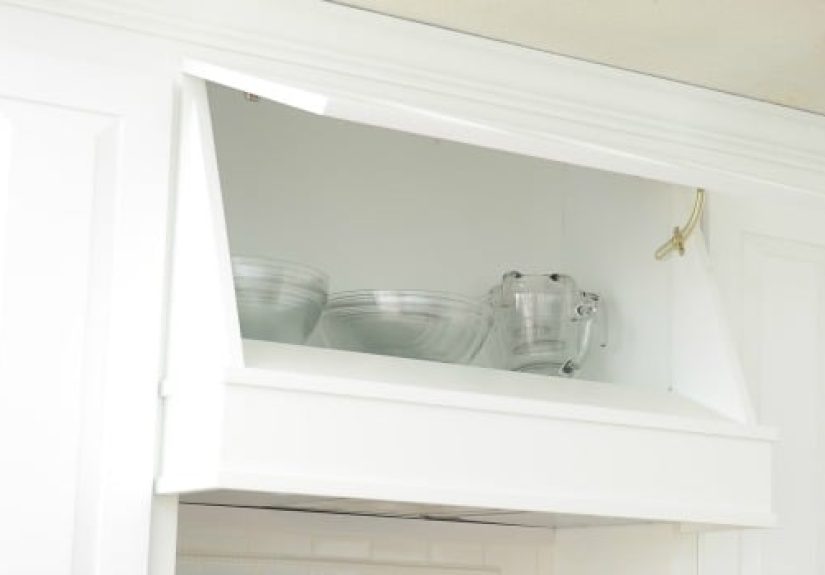
Walls aren’t just boundariesthey’re storage. Tall shelving, wall hooks, pegboards, and overhead cabinets can store a surprising amount,
as long as you keep frequently used items within reach. Even better: use vertical space to reduce “counter clutter,” which is the sworn enemy
of small space living.
Design principle #3: Multi-functional furniture is non-negotiable
Your furniture should have side hustles. Consider:
- Murphy beds or wall beds that fold up to reclaim floor space
- Sofa beds (modern ones can actually be comfortablescience has advanced)
- Storage ottomans that hide linens, chargers, or the emotional baggage of owning too many throw blankets
- Nesting tables or drop-leaf tables for flexible dining/work space
- Benches with storage near entryways to control shoe chaos
Design principle #4: Light, mirrors, and sightlines matter
Natural light makes small spaces feel bigger. If you can choose a unit, prioritize windows and an open view.
Mirrors help, but not because they “double” spaceit’s because they bounce light and extend sightlines.
The goal is to prevent the space from feeling visually chopped up.
Micro Apartment Kitchens: Small, Mighty, and Occasionally Sneaky
Micro kitchens often rely on compact appliances and smart storage:
under-cabinet lighting, pull-out pantries, slim trash bins, magnetic knife strips, and stackable cookware.
Induction cooktops, combo microwave-convection ovens, and apartment-sized refrigerators can cover the basics without hogging the room.
The best micro kitchens embrace a simple reality: you don’t need five mixing bowls if you only cook for one (and if you do, it’s okayjust admit
you’re emotionally attached to them and store them vertically).
Bathrooms in Micro Units: The Pocket Door Appreciation Society
In small bathrooms, every inch counts. Common micro-bathroom upgrades include:
wall-mounted vanities, corner sinks, recessed shelves, mirrored medicine cabinets, and glass shower doors (or well-fitted curtains)
to keep sightlines open. Pocket doors and sliding doors are especially valuable because they eliminate the door-swing footprint.
The Economics: Why Micro Apartments Can Be Cheaper (and Why They’re Not Always)
Micro apartments often rent for less per month than larger units in the same neighborhood simply because there’s less space.
Some market research and industry analyses have found that micro units may lease for noticeably lower monthly rents than conventional apartments,
while still commanding a higher rent per square footbecause location and demand do not shrink with the floor plan.
That’s why micro living is frequently positioned as an “attainable city access” option: you’re buying proximity (to jobs, transit, entertainment)
more than square footage. But the economics can get complicated:
- Monthly rent may be lower, but it’s not automatically “affordable” in the income-qualified sense.
- Fees and add-ons (storage, parking, amenity packages) can nibble away at the savings.
- Shared amenities can add valueif you actually use them.
Regulations and Reality: Why Micro Apartments Exist in Some Cities and Not Others
Micro housing is shaped by two big rulebooks: building codes (health and safety standards, including minimum room sizes in some cases)
and zoning (how many units can be built, parking requirements, density rules, and more).
Cities can encourage or discourage micro units through minimum unit size rules, density limits, and design standards.
For example, New York City historically had rules that effectively set minimum apartment sizes in many contextscreating barriers for buildings
composed mostly of very small unitsthough pilot projects and policy changes have created exceptions and workarounds.
Other jurisdictions address “efficiency dwelling units” in building codes with specific minimums that can change as codes update.
The takeaway: micro apartments aren’t just a design trend; they’re a policy and planning story, too.
Is Micro Living a Dream… or a Developer Trap?
Let’s be honest: micro apartments inspire both devotion and suspicion. The truth is somewhere in the middle.
When micro apartments are great
- You want city access and would rather pay for location than extra rooms you don’t use.
- You like a tidy baselinesmall spaces “force” organization (gently, like a personal trainer who lives in your closet).
- You’re out and aboutworking, studying, exploringso home is a comfortable landing pad.
- You value lower environmental footprintless space can mean less energy use and less stuff.
When micro apartments can feel rough
- If the design is lazy: poor storage, bad light, awkward layouts, noisy walls.
- If you work from home full-time without access to a shared lounge or coworking space.
- If you need accessibility features that don’t fit easily into tiny footprints.
- If the building “sells” community but doesn’t maintain it: underwhelming amenities, cramped common areas, or unclear rules.
How to Choose a Micro Apartment Without Regretting Everything
Micro apartment success is all about choosing the right unit and building. Here’s a practical checklist that saves future-you from becoming
a human pretzel:
Layout and livability
- Can you walk around the bed (even partially), or does the bed function as a wall?
- Is there a true “work spot”a desk nook, table space, or built-in ledge?
- Do you have closed storage (closet, cabinets), not just open shelves that visually clutter fast?
Light, air, and noise
- Window size and placement: one good window can outperform three tiny ones.
- Ventilation: kitchens and bathrooms need proper exhaust.
- Sound: ask about wall construction, floors, and whether the unit faces a busy street.
Amenities that actually matter
- Laundry: in-unit is rare; shared laundry should be plentiful and clean.
- Package management: important if you order anything ever.
- Bike storage and transit access: micro living often pairs best with car-light life.
- Shared lounge/coworking: huge quality-of-life upgrade if you need “extra space” sometimes.
How to Live Large in a Small Space
Micro apartment living rewards a few habits. You don’t need to be a minimalist monkjust someone who doesn’t treat every free surface
like a landing strip for random objects.
Make storage frictionless
If putting something away is annoying, you won’t do it. Use bins, hooks, and drawers where your hands naturally go.
Entryway hooks prevent the “chair pile” from becoming your home’s main interior design feature.
Adopt a “one in, one out” rhythm
Micro apartments don’t tolerate endless accumulation. The easiest rule: when something new comes in, something old leaves.
It’s not deprivationit’s square-footage diplomacy.
Use your neighborhood like an extension of home
A micro apartment pairs beautifully with “third places”: parks, libraries, gyms, cafés, community centers.
When your home is compact, the city becomes your living roomespecially if your building has shared spaces that feel welcoming.
Micro Apartment Experiences: What It Feels Like When “Home” Is Brilliantly Small (Extra )
Picture this: you step into a micro apartment and your brain performs a rapid scan like a robot vacuum. Where’s the bed? Where’s the couch?
Where do you put your shoes? And why does the space look bigger in photosdid the camera pay rent?
Then you notice the first micro-apartment magic trick: nothing is “missing,” it’s just hiding in plain sight. The bed is a wall bed.
The table is a drop-leaf. The bench eats clutter for breakfast. Your brain stops panicking and starts playing Tetrisin a fun way.
After a few days, people often describe a surprising shift: micro living teaches you what you actually use. You stop shopping for “someday” and start
choosing for “every day.” That extra set of serving platters? Retires gracefully. The novelty mug collection? Gets promoted to “two favorites.”
It’s not that you can’t have nice thingsyou just develop a talent for nice things that earn their spot.
The morning routine becomes a choreography. You learn the sequence:
coffee first, because no one makes good decisions without it; laptop second, because the desk ledge doubles as command center;
bed third, because if it folds up, it instantly turns your apartment from “sleep mode” into “living mode.”
This tiny daily reset is weirdly satisfyinglike closing all your browser tabs, but in real life.
Cooking in a micro kitchen can feel like hosting a cooking show where the counter space is the special guest star.
You start doing mise en place without calling it mise en place. One cutting board, one pan, one bowleverything gets washed as you go because
leaving dishes out is basically an act of interior sabotage. And somehow, that constraint makes meals feel more intentional.
You learn simple recipes, smarter grocery habits, and the sacred power of a magnetic knife strip.
Social life changes, too. People in micro apartments often become experts at “meet elsewhere” planscoffee dates, park hangs, shared-building lounges,
rooftop sunsets. If friends come over, it’s a deliberate event, not a random sprawl. You plan seating. You pick snacks that don’t require three serving
bowls. You discover the joy of a folding chair that lives behind the door like a polite secret.
The upside? Hanging out feels curated, cozy, and focused. The downside? If someone stays too long, you will know. Deeply.
And then there’s the emotional part that surprises people most: the calm.
A well-designed micro apartment can feel like a little capsule of control in a loud, expensive world.
Less stuff means less visual noise. Fewer rooms means fewer places for clutter to hide and silently judge you.
You end up spending energy on experiences, community, and the city around youbecause your home is efficient, not demanding.
Micro living won’t be everyone’s dream, but for the right person, it’s not a downgrade at all. It’s a lifestyle edittight, smart, and kind of addicting.
Conclusion: Small Space, Big Idea
The micro apartment isn’t just a design fadit’s a response to real urban pressures and changing lifestyles. At its best, it offers a thoughtfully
engineered way to live in high-opportunity neighborhoods without paying for unused square footage. At its worst, it can be a tiny box with a shiny
brochure and nowhere to put your groceries.
The obsession makes sense because it’s not really about living with lessit’s about living with better. Better layouts. Better storage.
Better shared amenities. Better use of the city itself. If you choose a micro apartment with great light, smart design, and a building that supports
real livability, you may find that the only thing you truly miss is the idea that you needed more space in the first place.