Table of Contents >> Show >> Hide
- What is a coronary artery spasm?
- How coronary artery spasm differs from other heart problems
- Symptoms of coronary artery spasm
- What causes coronary artery spasm?
- Who is at risk for coronary artery spasm?
- How doctors diagnose coronary artery spasm
- Treatment overview: How coronary artery spasm is managed
- Living with coronary artery spasm
- Experiences and real-world lessons with coronary artery spasm
Picture this: You’re sound asleep or just sitting quietly, and suddenly it feels like an elephant has decided to park on your chest. The pain is intense, you’re short of breath, and you have no idea what just happened. Many people immediately think “heart attack” and that’s absolutely the right level of concern but in some cases, the culprit is something a bit different: a coronary artery spasm.
Coronary artery spasms are sneaky, dramatic, and often underdiagnosed. They can cause serious chest pain and, in some cases, dangerous heart rhythm problems. The good news? With the right diagnosis and treatment plan, many people live full, active lives. Let’s break down what coronary artery spasm is, how it feels, what causes it, and why it deserves your attention.
What is a coronary artery spasm?
A coronary artery spasm is a sudden, temporary tightening (spasm) of one or more of the arteries that supply blood to your heart muscle. During a spasm, the artery narrows significantly, which reduces or briefly cuts off blood flow to part of the heart. This lack of blood flow is called ischemia, and it’s what causes that classic crushing or squeezing chest pain.
This condition goes by a few different names that you might see in articles or hear from your cardiologist:
- Coronary artery spasm (CAS)
- Vasospastic angina
- Variant angina
- Prinzmetal angina (a common clinical term)
Unlike the more familiar coronary artery disease, where arteries are narrowed by plaque over time, a spasm is more like a sudden “cramp” in the artery’s muscular wall. It may happen in an artery that already has plaque, or in one that appears otherwise normal on imaging. In most cases, the spasm lasts a few minutes, then relaxes, and blood flow returns.
Coronary artery spasm can cause:
- Chest pain (angina), often at rest
- Transient changes on an electrocardiogram (ECG)
- Heart rhythm disturbances (arrhythmias)
- In rare cases, heart attack or even sudden cardiac arrest
Important note: Coronary artery spasm is a serious condition. Any new, severe, or unexplained chest pain is an emergency. Always seek immediate medical care.
How coronary artery spasm differs from other heart problems
To understand coronary artery spasm, it helps to see how it compares with more common heart issues:
Coronary artery spasm vs. “typical” coronary artery disease
In classic coronary artery disease (CAD), fatty deposits called plaque build up gradually inside the artery walls. Over time, this narrows the vessels and restricts blood flow, especially during exertion. Symptoms often show up when you’re active walking up stairs, exercising, or rushing to catch a bus.
With coronary artery spasm:
- The narrowing is sudden and temporary, not slowly progressive.
- It often happens at rest, especially at night or early morning.
- Arteries may look “clean” or only mildly diseased on angiography.
Coronary artery spasm vs. heart attack
A heart attack (myocardial infarction) usually happens when a blood clot suddenly blocks a coronary artery that is already narrowed by plaque. The blockage lasts long enough to permanently damage the heart muscle.
A coronary artery spasm can cause heart attack–like symptoms and ECG changes. In some cases, if the spasm is intense and prolonged, it can actually trigger a heart attack. The difference is that with a “pure” spasm, the vessel often returns to normal once the spasm relaxes, and no permanent blockage is present.
Clinically, though, doctors treat sudden severe chest pain as a possible heart attack until they prove otherwise and that’s exactly what you should do, too.
Symptoms of coronary artery spasm
The main symptom of coronary artery spasm is angina chest pain or discomfort caused by reduced blood flow to the heart muscle. But the details of how it feels can provide clues.
Classic chest pain symptoms
People with vasospastic or variant angina often describe symptoms such as:
- A squeezing, crushing, or pressure-like pain in the center or left side of the chest
- Pain that may radiate to the shoulders, arms, neck, jaw, or back
- Pain that tends to occur at rest, often in the early morning hours
- Episodes that come in clusters multiple attacks over a short period
- Chest discomfort that improves with nitroglycerin or certain heart medications
The episodes can be brief (a few minutes) or longer. Some people report their chest pain wakes them from sleep or happens during periods of emotional stress, exposure to cold, or after using certain substances.
Other possible symptoms
During a coronary artery spasm, you might also experience:
- Shortness of breath
- Rapid heartbeat or palpitations
- Nausea or lightheadedness
- Profuse sweating
- Feeling faint or actually passing out
These symptoms can overlap with those of a heart attack. That’s why it’s never safe to assume it’s “just a spasm” or “probably anxiety.”
Warning signs that require immediate help
Call emergency services right away if you notice:
- New chest pain, especially if severe or accompanied by shortness of breath, sweating, or nausea
- Chest pain that lasts more than a few minutes or comes back repeatedly
- Chest pain plus fainting, confusion, or trouble breathing
It’s always better to be safe and get checked. Doctors would rather tell you “your heart is OK” than see you arrive too late.
What causes coronary artery spasm?
The exact cause of coronary artery spasm isn’t fully understood, but it appears to involve
hyperreactivity of the smooth muscle in the artery wall and endothelial dysfunction meaning the inner lining of the blood vessel doesn’t respond normally.
Think of a coronary artery as a flexible tube that can tighten or relax depending on your body’s needs. In coronary artery spasm, that “tightening” reflex is exaggerated or misdirected, so the artery suddenly clamps down when it shouldn’t.
Known triggers and risk factors
Several factors are known to increase the risk of a coronary artery spasm or provoke an episode:
- Smoking: One of the strongest and most consistent risk factors. Cigarette smoking irritates blood vessels and makes spasms more likely.
- Cold exposure: Sudden exposure to cold air can cause blood vessels to constrict, including coronary arteries.
- Emotional stress: Intense stress releases hormones that affect vascular tone and heart rate.
- Certain medications: Drugs that tighten blood vessels (such as some migraine medications or decongestants) can sometimes trigger spasm.
- Stimulant or recreational drugs: Cocaine and other stimulants dramatically increase the risk of coronary artery spasm and serious arrhythmias.
- Alcohol use: Heavy drinking or withdrawal can be associated with episodes in some people.
- Electrolyte or metabolic imbalances: Low magnesium or other abnormalities may contribute in some cases.
Spasm can occur in arteries that already have plaque from atherosclerosis, but it’s also documented in arteries that look almost completely normal on angiography. In other words, you don’t need “classic” clogged arteries to have a coronary artery spasm.
Underlying vessel problems
Research suggests that people with coronary artery spasm often have:
- Endothelial dysfunction: The inner lining of the artery doesn’t release enough relaxing substances (like nitric oxide), making constriction more likely.
- Heightened smooth muscle sensitivity: The muscular layer in the artery wall overreacts to certain signals, clamping down too strongly.
- Autonomic nervous system imbalance: The nerves that regulate heart rate and vessel tone may swing the vessels toward spasm, particularly at night.
None of this is your fault, but some risk factors like smoking or stimulant use are absolutely within your power to change, and doing so can dramatically reduce episodes.
Who is at risk for coronary artery spasm?
Coronary artery spasm can affect both men and women and tends to show up in middle adulthood, although it can appear earlier or later. Some patterns seen in studies include:
- People who smoke, especially long-term smokers
- Those with other vascular conditions or high blood pressure
- Individuals with a history of migraines or Raynaud’s phenomenon (conditions that also involve vessel spasms)
- People using certain medications or recreational drugs that narrow blood vessels
However, risk profiles can vary by population, and some people have coronary artery spasm with no obvious risk factors. That’s one more reason why getting evaluated for chest pain is so important not everything fits the classic “heart-attack-in-a-60-year-old-man” stereotype.
How doctors diagnose coronary artery spasm
Diagnosing coronary artery spasm takes some detective work. Because symptoms can mimic a heart attack, the first job in the emergency department is to rule out immediately life-threatening causes.
Initial evaluation
If you show up with chest pain, your healthcare team typically starts with:
- Electrocardiogram (ECG): Looks for changes suggesting reduced blood flow or abnormal rhythms.
- Blood tests: Cardiac enzymes (like troponin) help assess whether heart muscle damage has occurred.
- Imaging: Tests like echocardiography may evaluate heart function.
If you’re in the middle of a spasm, the ECG may show specific changes, such as ST-segment elevation or depression. These changes may disappear once the spasm resolves, which can make diagnosis tricky if the episode is brief.
Coronary angiography and provocation tests
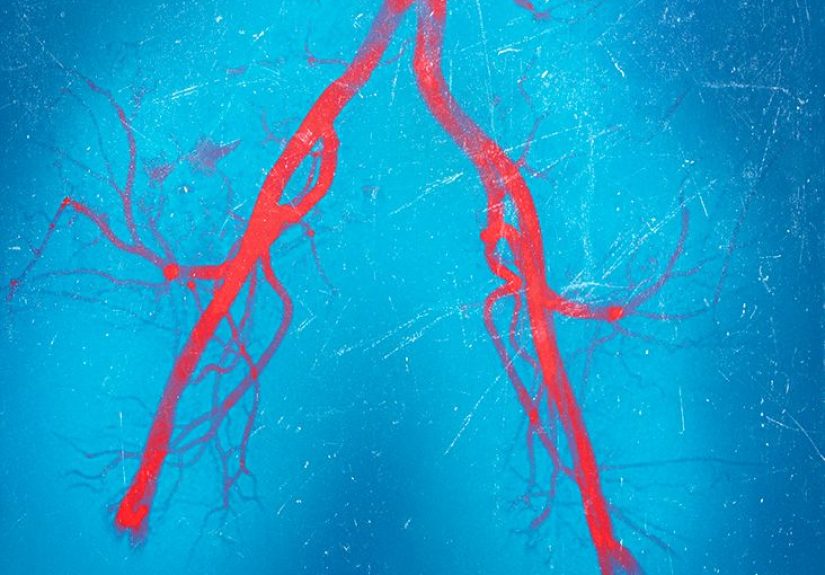
To really understand what’s happening in your coronary arteries, cardiologists may perform a coronary angiogram. This test uses dye and X-ray imaging to visualize the arteries in real time.
In some centers, if the diagnosis isn’t clear and you’re stable, doctors may perform a provocation test during angiography. Medications such as acetylcholine or ergonovine are carefully administered to see whether the artery goes into spasm under controlled conditions. If it does, this helps confirm the diagnosis.
Provocation testing is only done in specialized settings with experienced teams because it can temporarily provoke serious ischemia or arrhythmias so it’s not something done casually or in every patient.
Treatment overview: How coronary artery spasm is managed
Even though this article focuses on definition, symptoms, and causes, most readers reasonably want to know: “Okay, but what do we do about it?” Here’s a brief, high-level look. (For specific treatment decisions, always follow your cardiologist’s guidance.)
Medications
Common treatments for coronary artery spasm include:
- Calcium channel blockers: Often the cornerstone therapy. These help relax the smooth muscle in coronary arteries and prevent spasm.
- Nitrates: Short-acting (like nitroglycerin tablets or spray) can relieve acute attacks; long-acting forms may help prevent episodes.
- Additional agents: In some cases, other drugs may be added depending on coexisting conditions (like high blood pressure or high cholesterol).
Some medications commonly used in other heart conditions may be used cautiously or avoided in vasospastic angina, depending on the situation, so personalized care is key.
Lifestyle and risk-factor changes
Non-drug strategies are just as important:
- Quit smoking: This is huge. Stopping smoking can significantly reduce episodes and improve overall heart health.
- Avoid triggers: Work with your healthcare team to identify your personal triggers (e.g., cold exposure, specific medications, stress, or certain substances).
- Manage underlying conditions: Treating high blood pressure, high cholesterol, and diabetes can protect your heart.
- Heart-healthy habits: Balanced nutrition, regular physical activity within your doctor’s recommendations, and good sleep support vascular health.
Living with coronary artery spasm
Being told you have a coronary artery spasm can be both relieving (“So it’s not always a heart attack?”) and unnerving (“But my artery can suddenly clamp shut?”). It’s normal to feel anxious after a dramatic chest pain episode.
Many people find it helpful to:
- Learn the difference between their “usual” angina pattern and new or changing symptoms
- Carry prescribed medications (such as nitroglycerin) and know exactly how and when to use them
- Have an emergency plan: who to call, where to go, and when not to wait
- Involve close family or friends so they know what to do if an episode occurs
With good communication, regular follow-up, and consistent treatment, many people with vasospastic angina lead active, satisfying lives.
Experiences and real-world lessons with coronary artery spasm
While every person’s journey with coronary artery spasm is unique, there are some themes that show up again and again when people describe their experiences. Understanding these patterns can help you feel less alone and more prepared to partner with your healthcare team.
“I thought it was anxiety until it wasn’t”
Many people with coronary artery spasm describe their first episodes as confusing. The chest tightness may come at rest, sometimes during emotional stress, and can be accompanied by palpitations and shortness of breath. It’s easy to label this as “just a panic attack,” especially if you’re younger or don’t fit the stereotypical “heart disease” profile.
Over time, though, some notice patterns that don’t quite match anxiety alone. For example, the pain might reliably wake them around the same time at night, or occur in clusters over several days. Nitroglycerin may bring relief in minutes, which is more characteristic of angina than of anxiety. People often describe a turning point where they finally seek a more complete cardiac evaluation and, after a series of tests, are told, “Your coronary arteries are spasming.”
Living with a condition that comes and goes
One of the more frustrating aspects of coronary artery spasm is its unpredictability. You can have completely normal days, weeks, or even months and then experience a sudden flare with multiple episodes over a short time. Some people liken it to living with an unpredictable houseguest who shows up unannounced at 3 a.m. and refuses to knock.
People often learn to track their own early warning signs. Maybe chest pressure subtly increases when they’re under heavy emotional stress, or they notice episodes are more common during particularly cold winter mornings. Others recognize that certain behaviors like smoking, heavy drinking, or using stimulants nearly guarantee that trouble will follow. Over time, staying organized with symptom logs and reviewing them with a cardiologist can help fine-tune treatment.
The emotional side: fear, relief, and everything in between
Emotionally, coronary artery spasm can feel like a roller coaster. On one hand, knowing that your arteries are not severely clogged can be a huge relief. On the other hand, realizing that a normal-looking artery can suddenly clamp down hard enough to cause chest pain or abnormal heart rhythms can be unnerving.
Many people describe the first months after diagnosis as a time of hyper-awareness: every twinge in the chest is suspicious, and every fast heartbeat feels like a potential emergency. With support, education, and time, that hyper-awareness usually softens into a healthy respect for the condition rather than constant fear. Learning clear rules such as when to use nitroglycerin and when to call emergency services builds confidence.
Practical strategies people often find helpful
While specific medical treatments must come from your healthcare provider, people living with coronary artery spasm frequently mention some practical, everyday strategies that support their well-being:
- Always having medication handy: Keeping nitroglycerin accessible (in a pocket, bag, or bedside drawer) can be reassuring and help treat symptoms quickly if your doctor has prescribed it.
- Layering up in cold weather: Because cold can be a trigger, dressing warmly and avoiding sudden exposure to very cold air may reduce episodes for some individuals.
- Planning around extremes: Avoiding all-nighters, heavy alcohol use, or intense unaccustomed exertion (unless your cardiologist has cleared and guided you) can be helpful.
- Stress management: Techniques like deep breathing, gentle movement, meditation, or counseling may not eliminate spasms, but they can lower overall stress and improve quality of life.
- Support networks: Connecting with others who have vasospastic angina, whether through support groups or online communities, often helps people feel understood and less isolated.
Another common lesson is that communication with the healthcare team matters. Because coronary artery spasm can be under-recognized, some people report needing to advocate for themselves bringing symptom logs, asking specific questions about vasospastic angina, and making sure their full story is heard. Building a relationship with a cardiologist who is familiar with coronary spasm and takes symptoms seriously can be life-changing.
Over time, many people discover that they can return to work, enjoy family activities, and even exercise (within medical guidance) while living with coronary artery spasm. The condition requires respect, medication adherence, and lifestyle attention but it doesn’t erase the possibility of a rich and meaningful life. The key is not to ignore symptoms, not to self-diagnose, and not to go it alone. With appropriate care and support, coronary artery spasm becomes something you manage, not something that manages you.
As always, this information is for educational purposes and is not a substitute for professional medical advice. If you have chest pain, new symptoms, or concerns about your heart, seek immediate medical evaluation.