Table of Contents >> Show >> Hide
- The Cookie “Control Panel”: What Actually Changes Texture
- A Foolproof Master Dough (Then 7 Variations)
- Variation 1: Classic Chocolate Chip (Chewy + Buttery)
- Variation 2: Oatmeal Raisin (Not Boring, Actually Great)
- Variation 3: Peanut Butter “Criss-Cross” Cookies
- Variation 4: Sugar Cookies (Soft, Not Crumbly)
- Variation 5: Snickerdoodles (Cinnamon + Tangy Kick)
- Variation 6: Shortbread (Buttery, Crisp, Elegant)
- Variation 7: “Pantry-Safe” Cookie Dough You Can Freeze
- Cookie Troubleshooting: Fixes That Actually Work
- Small “Pro” Moves That Make Cookies Taste Bakery-Level
- Flavor Ideas That Feel Fresh (Without Getting Weird)
- Storing Cookies: Keep Them Fresh (and Worth Sneaking)
- My Cookie-Baking Field Notes ( of Real-Life Experience)
- Conclusion
Cookies are the unofficial emotional support snack of America: they show up to cheer you on, comfort you after a long day, and mysteriously disappear when you “just need one.” The best part? Great cookies aren’t about culinary wizardrythey’re about a few reliable techniques, a flexible formula, and knowing which tiny choices create chewy centers, crisp edges, or that bakery-style thickness that makes people ask, “Wait… you made these?”
This guide gives you a smart, mix-and-match approach to cookie recipes, plus multiple crowd-pleasing variations, troubleshooting fixes, storage tips, and a final section of real-world cookie-baking lessons (a.k.a. how to stop making hockey pucks).
The Cookie “Control Panel”: What Actually Changes Texture
Most cookie doughs are built from the same core pieces. Think of your ingredients like knobs you can turneach one shifts the final texture and flavor in a predictable way.
Butter (and its temperature) decides spread and flavor
- Softened butter + creaming = more lift, lighter texture, more even spread.
- Melted or browned butter = deeper toasty flavor, typically more spread and chew.
- Cold dough = less spread, thicker cookies, better shape.
Sugar is not just sweetnessit’s structure
- Brown sugar adds moisture and chew (thanks, molasses).
- White sugar encourages crispness and spread.
- More sugar overall usually means more spread; too little can taste bready.
Flour is the “brake pedal”
- More flour = thicker, cakier cookies (and potential dryness).
- Less flour = thinner cookies, more spread, potentially greasy edges.
- Weighing flour prevents accidental over-flouring (the #1 stealth cookie sabotage).
Eggs bind, lift, and set the crumb
- More yolk = richer, chewier cookies.
- More white = more structure and a slightly drier set.
Leaveners are small but loud
- Baking soda helps spread and browning (great for chewy, crinkly edges).
- Baking powder lifts more (great for thicker, cakier cookies).
- Old leaveners = cookies that bake up flatter and paler than your expectations.
A Foolproof Master Dough (Then 7 Variations)
Here’s a reliable “base” cookie dough you can customize. It’s designed to be friendly, flexible, and forgivinglike the friend who brings snacks and doesn’t judge your third rewatch of the same comfort show.
Master Cookie Dough (Drop Cookie Base)
Makes: about 18–22 medium cookies
Ingredients
- 170 g (3/4 cup) unsalted butter, softened (or browned and cooled until thick)
- 150 g (3/4 cup) packed light brown sugar
- 70 g (1/3 cup) granulated sugar
- 1 large egg + 1 extra yolk
- 2 tsp vanilla extract
- 240 g (2 cups) all-purpose flour
- 1/2 tsp baking soda
- 1/2 tsp baking powder
- 3/4 tsp kosher salt
Method
- Heat oven to 350°F. Line sheets with parchment.
- Cream butter and both sugars until fluffy (2–4 minutes). Add egg, yolk, and vanilla.
- Whisk flour, leaveners, and salt in a separate bowl. Mix into wet ingredients just until no dry flour remains.
- Chill dough 30–60 minutes for thicker cookies (optional but highly effective).
- Scoop dough (about 2 Tbsp each), space well, and bake 10–12 minutes. Pull when edges look set and centers look slightly underdone.
- Cool 10 minutes on the pan, then move to a rack.
Pro move: If you want round, bakery-style cookies, “swirl” a warm cookie with a round cutter or glass slightly larger than the cookie. It’s like giving your cookies a gentle spa treatment.
Variation 1: Classic Chocolate Chip (Chewy + Buttery)
Add to the Master Dough:
- 225 g (about 1 1/4 cups) chopped semisweet chocolate or quality chips
- Optional: 1 tsp espresso powder for deeper chocolate flavor
- Optional: flaky salt on top right before baking
Texture tweak: Want thicker cookies? Chill 2 hours. Want more spread? Bake right away and use fully softened butter (not melted).
Variation 2: Oatmeal Raisin (Not Boring, Actually Great)
Adjust the dry mix:
- Replace 40 g (1/3 cup) flour with 60 g (2/3 cup) old-fashioned oats
- Add 1 1/2 tsp cinnamon
- Add 120–150 g raisins (or half raisins, half dried cranberries)
- Optional: 60 g toasted walnuts or pecans
Tip: Soak raisins in hot water for 10 minutes, then drain and pat dry. Plumper raisins = better texture and fewer “tiny grape jerky” moments.
Variation 3: Peanut Butter “Criss-Cross” Cookies
Adjust the fat and flour slightly:
- Use 113 g butter (1/2 cup) + 140 g (about 1/2 cup) creamy peanut butter
- Reduce flour to 220 g (about 1 3/4 cups)
Roll dough balls in granulated sugar, press with a fork in a crosshatch pattern, and bake 9–11 minutes. These are especially good as ice cream sandwich cookiesjust saying.
Variation 4: Sugar Cookies (Soft, Not Crumbly)
For a soft drop-style sugar cookie, skip mix-ins and add: 1/4 tsp almond extract (optional) and 2 Tbsp cream cheese (adds tenderness).
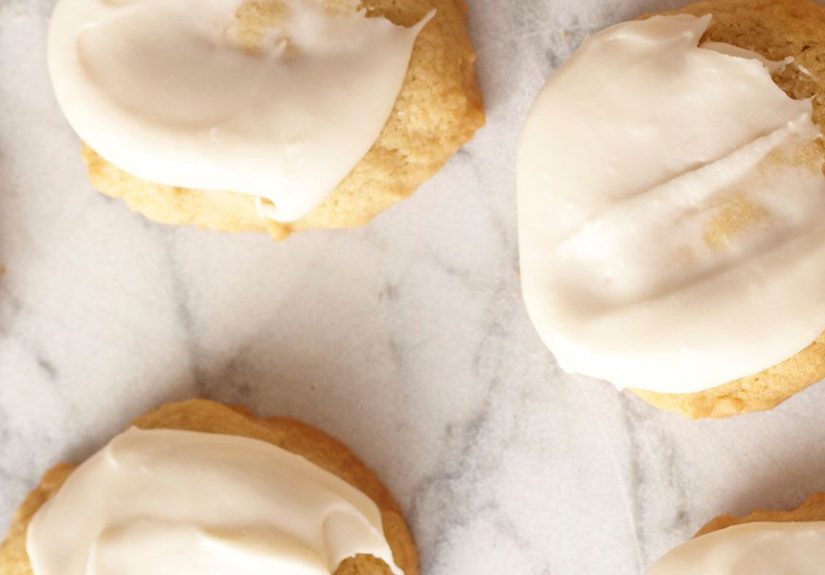
Roll dough balls in sugar, bake until edges set, then cool. If you frost them, let the cookies cool completely first, unless you enjoy abstract art made of melted buttercream.
Variation 5: Snickerdoodles (Cinnamon + Tangy Kick)
Swap your leavener balance:
- Use 1 tsp cream of tartar + 1/2 tsp baking soda (skip baking powder)
- Roll dough balls in: 1/3 cup sugar + 1 Tbsp cinnamon
Bake 9–11 minutes. Pull them while they still look slightly puffy in the middlethey finish setting as they cool.
Variation 6: Shortbread (Buttery, Crisp, Elegant)
Shortbread is the “less is more” cookiesimple ingredients, high payoff.
Shortbread Ratio
- 225 g (1 cup) butter, softened
- 100 g (1/2 cup) sugar
- 300 g (2 1/2 cups) flour
- 1/2 tsp salt
Mix gently (don’t whip), press into a pan or shape into a log, chill until firm, slice, and bake at 325°F until pale golden. Shortbread should look shy, not tan.
Variation 7: “Pantry-Safe” Cookie Dough You Can Freeze
Make any of the drop-cookie variations, scoop into dough balls, freeze on a tray, then store in freezer bags. Bake straight from frozenjust add 1–2 minutes to the bake time. Future-you will feel wildly cared for.
Cookie Troubleshooting: Fixes That Actually Work
| Problem | Likely Cause | Fast Fix |
|---|---|---|
| Cookies spread into thin puddles | Dough too warm, butter too soft/melted, pan too hot, oven too hot | Chill dough 30–60 min; cool baking sheet between batches; verify oven temp; add 1–2 Tbsp flour if needed |
| Dry, crumbly cookies | Too much flour, overbaked, overmixed | Weigh flour; pull earlier; mix just until combined; add 1 extra yolk next time |
| Burnt bottoms | Dark pans, too close to heating element, hot spots | Double-sheet your pans; use parchment; move rack to center; rotate halfway through |
| Cookies taste bland | Not enough salt/vanilla, cheap chocolate, rushed dough | Use kosher salt; better vanilla; chopped chocolate; rest dough 12–36 hours for deeper flavor |
| Uneven baking | Oven hot spots, inconsistent scoops | Rotate pans; use a cookie scoop; bake one sheet at a time for best consistency |
Small “Pro” Moves That Make Cookies Taste Bakery-Level
1) Chill or rest the dough (even briefly)
Chilling does two big things: it firms the fat so cookies hold their shape, and it gives flour time to hydrate. Resting longer (even overnight) can deepen flavor and improve browning. If you’re short on time, a quick chill works: flatten dough in a zip-top bag and chill faster in an ice bath.
2) Underbake on purpose
If you wait until cookies look fully done in the oven, you’re usually late. Carryover heat finishes the centers. Pull when edges are set and centers look a touch softyour reward is chew.
3) Use parchment (and don’t grease the sheet unless told)
Greasing can create an overly slick surface that encourages spreading. Parchment helps consistent browning and easy release, plus it saves you from scraping caramelized sugar off your pan like you’re excavating an ancient ruin.
4) Measure like you mean it
Baking is delicious chemistry. A kitchen scale gives you repeatable resultsespecially for flour, which is easy to pack too densely in a cup. Consistency is how you go from “these are good” to “I need this recipe immediately.”
Flavor Ideas That Feel Fresh (Without Getting Weird)
- Chocolate + orange zest for a bright, grown-up twist.
- Brown butter + toffee bits for deep caramel notes.
- White chocolate + macadamia + a pinch of salt for sweet-salty balance.
- Oatmeal + dark chocolate + dried cherries for a bakery vibe.
- Shortbread + lemon zest for a crisp, tea-friendly cookie.
Storing Cookies: Keep Them Fresh (and Worth Sneaking)
Room temperature
- Crisp cookies (shortbread, biscotti-style): store airtight, and avoid adding moisture.
- Chewy cookies: airtight container for 2–3 days. If they dry out, a quick 5–8 seconds in the microwave can revive softness.
Freezing (the real MVP)
- Freeze baked cookies for best long-term texture retention.
- Freeze scooped dough balls for fresh cookies on demand.
Note: The “slice of bread in the container” trick can soften cookies, but it may also add unwanted flavors. Freezing is the most consistent method.
My Cookie-Baking Field Notes ( of Real-Life Experience)
I used to think “cookie recipes” were basically a formalitylike speed limits or the “serving size” label on a bag of chocolate chips. Then I met my first truly chaotic batch: cookies that spread into one giant cookie continent. Not a cute, rustic “skillet cookie.” More like “cookie lava flow,” complete with crispy edges and a center that never really decided what it wanted to be. That day taught me the single most important cookie lesson: dough temperature is not a suggestion.
The second lesson arrived disguised as confidence. I was in a hurry, so I scooped flour straight from the bag with a measuring cup, packed it like I was building a sandcastle, and called it “close enough.” The cookies baked up tall, pale, and oddly firmlike they’d been training for a marathon instead of a bake sale. Once I started weighing flour, my results instantly got more consistent. It felt unfair, like discovering a cheat code I could’ve been using for years.
Then there was The Great Butter Incident. Some recipes say “softened butter,” and I interpreted that as “butter that’s basically a liquid with good intentions.” The dough looked perfectglossy, scoopable, dangerously snackable. But in the oven, it spread fast and hard, like it had a plane to catch. Now I aim for butter that yields when pressed but still holds its shape. If it looks shiny or greasy, it’s too warm. If it fights the mixer like it’s personally offended, it’s too cold. Cookies thrive in the butter Goldilocks zone.
My favorite upgrade, though, is resting dough. The first time I chilled dough overnight, I expected a minor improvementlike switching from a regular pencil to a slightly nicer pencil. What I got was noticeably better flavor and browning. The cookies tasted rounder, deeper, more “bakery.” It wasn’t magic, exactly. It was time. Time for the flour to hydrate, for the sugars to settle in, for the dough to behave like a team instead of a crowd.
I’ve also learned not to bully cookies into doneness. If I wait until they look finished in the oven, I’ve usually overbaked them. The sweet spot is when the edges are set and the centers still look a little softlike they’re playing it cool. Ten minutes later on the pan, they’re perfect: crisp-edged, chewy-centered, and dangerously easy to “taste test” three more times.
Finally, a confession: the cookies I’m proudest of aren’t the fanciest. They’re the ones that show up reliablyweeknight chocolate chip, oatmeal with dark chocolate, shortbread when I want something calm and buttery. Because the best cookie isn’t the most complicated cookie. It’s the cookie you can make again, on purpose, without praying to the oven gods.
Conclusion
Cookie recipes don’t have to be stressful. Start with a dependable base, decide what texture you want, and use the “control panel” tweaks: chill for thickness, underbake for chew, weigh flour for consistency, and treat butter temperature like the main character it is. With a freezer stash of dough balls and a few go-to variations, you can produce cookies that taste intentionalbecause they are.