Table of Contents >> Show >> Hide
- What Is a Doberge Cake, Exactly?
- A Quick Slice of History (Because Cake Should Come With Lore)
- Classic Doberge Cake Recipe: Overview
- Ingredients
- Tools You’ll Want (So You Don’t Cry Into the Batter)
- Step-by-Step: How to Make a Classic Doberge Cake
- Classic Flavor Options (Including the Famous “Half-and-Half”)
- Pro Tips for a Bakery-Looking Doberge
- Troubleshooting (Because Cakes Have Opinions)
- How to Serve and Store Doberge Cake
- of Real-World Doberge Experiences (Without the Fairy Tale Filter)
- Final Thoughts
If layer cakes had a Mardi Gras parade, the Doberge cake would be the float with glitter cannons, a brass band, and a grand marshal waving from the top tier. It’s a New Orleans icon: multiple thin cake layers, rich custard in between, a smooth buttercream coat, and a glossy chocolate finish that makes you whisper, “Okay… just one more slice,” like you’re negotiating with a very persuasive dessert.
This guide walks you through a classic Doberge cake recipe at homewithout needing a commercial bakery, a second refrigerator, or a pep talk from your therapist. We’ll keep it traditional, practical, and a little funny (because if you can’t laugh while slicing six layers evenly, the cake wins).
What Is a Doberge Cake, Exactly?
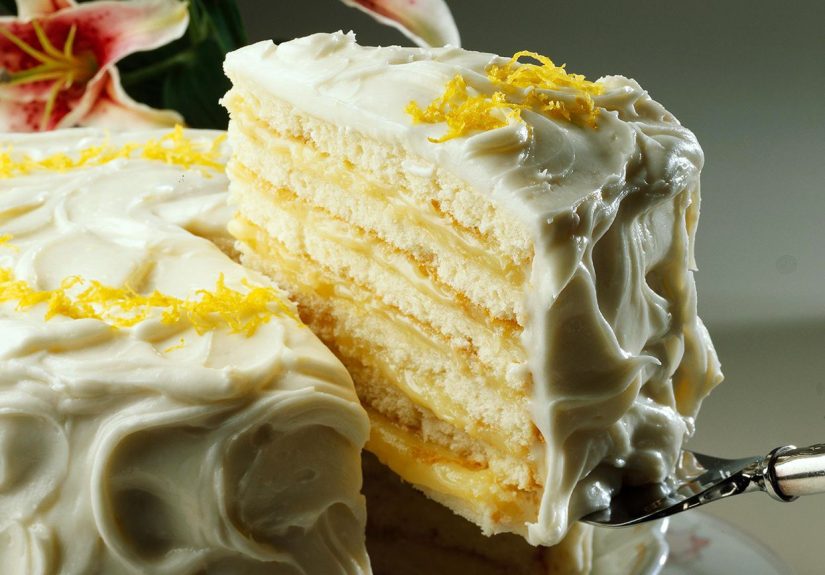
A New Orleans Doberge cake is a layered celebration cake built from six (or more) thin layers of cake with custard or pudding-style filling between each layer. The outside is typically finished with a thin coat of buttercream and either a poured chocolate glaze (ganache) or a fondant-style coating. The most classic flavors are chocolate and lemon, and a beloved local option is the “half-and-half” version (half chocolate, half lemon).
A Quick Slice of History (Because Cake Should Come With Lore)
Doberge is New Orleans’ answer to the Hungarian Dobos torteadapted for local tastes and climate. The name sounds French (because New Orleans), and the texture is designed to be lighter and more custard-forward than the original inspiration. Over time, it became a birthday and celebration staple across the regionone of those “if you know, you know” desserts that instantly signals home.
Classic Doberge Cake Recipe: Overview
This recipe creates a 9-inch, 6-layer chocolate Doberge using three cake rounds that you slice into six thin layers. It’s the most approachable way for home bakers to get that signature stacked look without baking six separate pans.
Timeline (Realistic, Not Instagram-Optimistic)
- Day-of option: 4–6 hours total (including chilling)
- Best option: Bake + make custard ahead, assemble the next day
- Skill level: Intermediate (but you don’t need wizard robes)
Ingredients
For the Cake Layers (3 rounds, later split into 6)
- 2 3/4 cups cake flour (or all-purpose flour sifted well)
- 2 1/2 tsp baking powder
- 1/2 tsp baking soda
- 1 tsp fine salt
- 1 cup (2 sticks) unsalted butter, softened
- 2 cups granulated sugar
- 4 large eggs, room temperature
- 1 tbsp vanilla extract
- 1 1/2 cups buttermilk, room temperature
For the Chocolate Custard Filling (Pastry-Cream Style)
- 3 cups whole milk
- 3/4 cup granulated sugar
- 1/3 cup cornstarch
- 1/2 tsp fine salt
- 6 large egg yolks
- 1/2 cup unsweetened cocoa powder
- 6 oz semi-sweet chocolate, chopped
- 2 tbsp unsalted butter
- 2 tsp vanilla extract
Optional: Simple Syrup (For Extra Moist Layers)
- 1/2 cup water
- 1/2 cup sugar
- 1 tsp vanilla (or a splash of coffee for chocolate)
For the Buttercream Coat
- 1 cup (2 sticks) unsalted butter, softened
- 4 cups powdered sugar
- 1/3 cup cocoa powder (optional, for chocolate buttercream)
- 2–4 tbsp milk or cream (as needed)
- 2 tsp vanilla extract
- Pinch of salt
For the Chocolate Ganache Glaze
- 8 oz semi-sweet chocolate, finely chopped
- 1 cup heavy cream
- 1 tbsp corn syrup or honey (optional, for extra shine)
Tools You’ll Want (So You Don’t Cry Into the Batter)
- Three 9-inch round cake pans
- Parchment paper rounds
- Offset spatula
- Long serrated knife (or cake leveler)
- Instant-read thermometer (helpful for custard, optional)
- Wire rack + sheet pan (for glazing)
Step-by-Step: How to Make a Classic Doberge Cake
1) Bake the Cake Rounds
- Heat oven to 350°F. Grease three 9-inch pans, line bottoms with parchment, and lightly flour the sides.
- Whisk together flour, baking powder, baking soda, and salt. Set aside.
- Beat butter and sugar until light and fluffy, about 3–4 minutes.
- Add eggs one at a time, mixing well after each. Mix in vanilla.
- Alternate adding dry ingredients and buttermilk: dry → buttermilk → dry → buttermilk → dry. Mix just until combined.
- Divide batter evenly among pans. Bake 18–22 minutes, until a toothpick comes out clean.
- Cool 10 minutes in pans, then turn out onto racks. Cool completely.
2) Make the Chocolate Custard Filling
- In a saucepan, whisk sugar, cornstarch, cocoa, and salt. Slowly whisk in milk until smooth.
- Add egg yolks and whisk thoroughly.
- Cook over medium heat, whisking constantly, until thickened and bubbling gently. (You want it thick enough to hold a layer.)
- Remove from heat; stir in chopped chocolate until melted, then butter and vanilla.
- Press plastic wrap directly on the surface (to prevent a skin). Chill until cold and firm, at least 2 hours.
3) Optional: Make Simple Syrup
- Bring sugar and water to a simmer until dissolved. Cool, then stir in vanilla.
4) Slice into 6 Thin Layers
- Level each cake round if domed.
- Slice each round horizontally into two even layers, giving you 6 layers total.
- Chill the layers 20–30 minutes if they feel soft. Cold cake slices cleaner and behaves better (like a well-rested toddler).
5) Assemble the Layers
- Place the first layer on a cake board or serving plate.
- If using syrup, brush a light, even layer over the cake.
- Spread a thin, even layer of chocolate custard (about 1/3 to 1/2 cup) to within 1/4 inch of the edge.
- Top with the next cake layer and repeat until all layers are stacked.
- Chill the stacked cake for 30–45 minutes to firm up before frosting.
6) Buttercream “Seal Coat” (Crumb Coat)
- Beat butter until smooth. Gradually add powdered sugar (and cocoa if using), then vanilla and salt.
- Add milk/cream a tablespoon at a time until spreadablesmooth, not soupy.
- Apply a thin coat over the top and sides (this traps crumbs and makes the glaze look cleaner).
- Chill for 20–30 minutes until firm.
7) Pour the Chocolate Ganache Glaze
- Heat cream just until steaming (not a rolling boil). Pour over chopped chocolate in a bowl.
- Let sit 2 minutes, then stir gently from the center outward until glossy. Stir in corn syrup/honey if using.
- Cool ganache 5–10 minutes so it thickens slightly (too hot and it runs off like it has places to be).
- Place cake on a wire rack over a sheet pan. Pour ganache over the top, nudging it to the edges so it drips down the sides.
- Let set at room temp or chill briefly to firm.
Classic Flavor Options (Including the Famous “Half-and-Half”)
Half Chocolate, Half Lemon Doberge
Want to go full New Orleans birthday mode? Make a lemon custard for half the cake: divide the chilled cake stack visually into two halves while assembling, and use chocolate custard for three layers of filling and lemon custard for the other three. You can keep the outside chocolate, or split the finishing style if you’re feeling brave.
Quick Lemon Custard Notes
- Skip cocoa and chocolate.
- Add 1–2 tbsp lemon zest and 1/3 cup fresh lemon juice off heat.
- Stir in 2 tbsp butter for silkiness.
Pro Tips for a Bakery-Looking Doberge
Thin Layers Are the Point
Doberge isn’t about towering sponge slabsit’s about a rhythm: cake, custard, cake, custard… like edible jazz. Thin layers keep each bite balanced and help the custard stay center stage.
Custard Thickness = Structural Integrity
If the filling is loose, your cake may slide. Cook the custard until it’s properly thick, then chill it until it spreads like a sturdy pudding. This is not the time for “it’ll probably set later” optimism.
Chill Between Steps
The secret weapon is cold. Chill after stacking, chill after crumb coating, and chill briefly after glazing. Doberge is basically a dessert that enjoys naps.
Make-Ahead Strategy
- Day 1: Bake cakes, make custard, chill both.
- Day 2: Slice, assemble, coat, glaze.
- Result: Less stress, cleaner layers, fewer “why did I start this?” thoughts.
Troubleshooting (Because Cakes Have Opinions)
My Layers Tore When I Sliced Them
Chill the cake rounds before slicing and use a long serrated knife. Gentle sawing motion, no pressure. If a layer cracks, don’t paniccustard is basically edible spackle.
My Custard Got Lumpy
Whisk constantly and keep heat moderate. If lumps happen anyway, strain the custard while warm. It’s still delicious; it just needs a little smoothing outlike most of us.
My Ganache Looks Dull or Grainy
Use finely chopped chocolate, avoid overheating the cream, and stir gently. If it breaks, a teaspoon of warm cream whisked in can bring it back.
How to Serve and Store Doberge Cake
For the cleanest slices, chill the cake until firm, then cut with a warm knife (run under hot water and wipe dry). Serve slightly cool or let slices sit 10–15 minutes for a softer texture.
- Fridge: Covered, 3–4 days.
- Freezer: Wrapped slices, up to 2 months (thaw overnight in fridge).
of Real-World Doberge Experiences (Without the Fairy Tale Filter)
Ask someone from south Louisiana about birthday cake and you’ll often get a very specific answersometimes before you even finish the question. That’s the Doberge effect. It’s not just dessert; it’s a social signal. It says: “We celebrate properly here,” which usually means “We brought enough cake to feed a marching band.”
The first thing people notice at a Doberge-centered gathering is the slice. Not the decorations. Not the candles. The slice. A true Doberge slice has those neat, repeated stripescake and custard alternating like a dessert barcode. Someone inevitably leans in and counts the layers out loud, as if the cake might be trying to sneak by with only five. (“Is that… six? I think that’s six. Okay, we’re good.”)
Then there’s the moment of truth: the first bite. Doberge is a balancing actsoft cake, creamy custard, sweet buttercream, and that chocolate finish that makes the whole thing feel dressed for a formal event. People react in a way that’s surprisingly emotional for a baked good. There’s a pause. A nod. Maybe a quiet “mm-hmm” that sounds like agreement in a serious meeting. It’s the dessert version of a handshake deal.
Home bakers quickly learn that Doberge has two personalities. The first is “I am a beautiful cultural tradition.” The second is “I am an engineering project.” Thin layers are flattering on a plate, but they demand patience. You discover that chilling is not optionalit’s a lifestyle. You also learn the magic of the crumb coat: one thin, messy-looking frosting layer that somehow prevents your final finish from turning into chocolate confetti.
There’s also a special kind of pride in pulling it off. Even if your layers are a little wavy. Even if the ganache dripped in one spot like it got excited. Even if you had to patch a corner with buttercream and whisper, “No one will ever know.” (They won’t. They’ll be too busy asking for seconds.)
And once you’ve made it, you start noticing Doberge logic everywhere. You start thinking in layers: bake, chill, fill, chill, coat, chill, glaze, chill. Suddenly, you understand why Doberge shows up at big momentsbirthdays, graduations, family visitsbecause it’s a dessert that takes time, and time is the real gift. Plus, it photographs like a dream and tastes like a victory lap. Not a bad combo for something that begins with flour and ends with, “Hide a slice for later.”
Final Thoughts
A classic Doberge cake is part recipe, part tradition, and part “look what I did!” moment. With thin, tender layers and a custard filling that feels nostalgic even the first time you taste it, this New Orleans favorite is absolutely worth the effort. Take your time, chill often, and remember: if your layers aren’t perfectly even, you’ve simply made a Doberge with personality.