Table of Contents >> Show >> Hide
- What Is a Canvas Brush Organizer?
- Why a Brush Organizer Matters More Than You Think
- Types of Canvas Brush Organizers
- How to Choose the Best Canvas Brush Organizer
- How to Set Up a Smarter Brush Organization System
- DIY Canvas Brush Organizer Ideas
- Common Mistakes to Avoid
- Who Should Buy a Canvas Brush Organizer?
- Experiences With a Canvas Brush Organizer: What It Feels Like in Real Life
If your paintbrushes currently live in a coffee mug, a random zip bag, or what can only be described as “the drawer of artistic regret,” it may be time for an upgrade. A canvas brush organizer sounds simple, but it can completely change the way you paint. It keeps brushes sorted, protected, easy to grab, and far less likely to die a tragic death under a palette knife, a glue stick, and three mystery pencils.
For acrylic painters, oil painters, watercolor artists, hobby crafters, and students, organizing brushes is not just about looking tidy on Instagram. It affects workflow, brush life, cleanup time, and even the quality of your finished work. When your favorite filbert is bent, your detail brush is crusty, and your wash brush is lost in the wilderness of your supply bin, creating art starts to feel like a scavenger hunt. That is not a vibe. A well-chosen canvas brush organizer solves that problem with a little structure and a lot less chaos.
This guide breaks down what a canvas brush organizer is, why it matters, the best styles for different artists, how to choose the right one, smart setup ideas, DIY options, and common mistakes to avoid. By the end, you will know exactly how to create a brush storage system that works whether you paint in a full studio, at the kitchen table, or while pretending your tiny apartment corner is an “urban atelier.”
What Is a Canvas Brush Organizer?
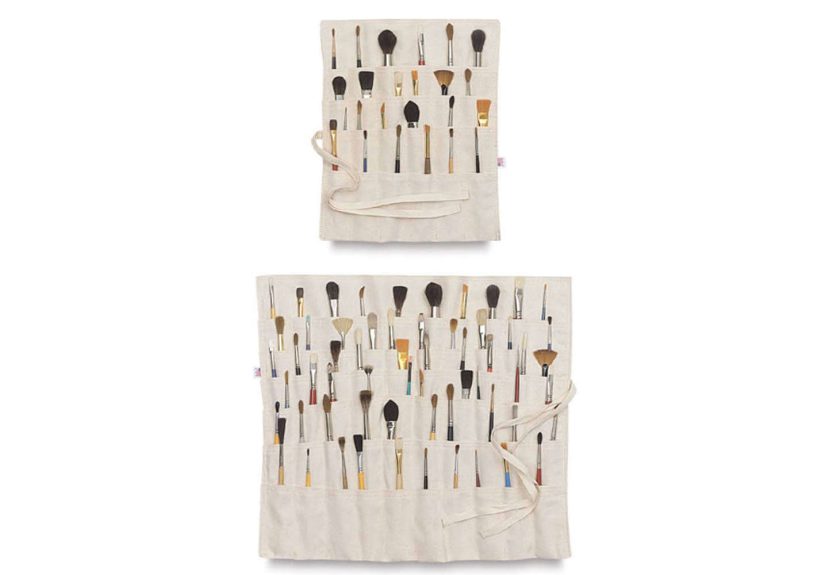
A canvas brush organizer is a storage solution made from canvas or designed for canvas-painting tools. In most cases, it is a roll-up pouch, brush wallet, hanging organizer, or portable case with individual slots that separate brushes by size and shape. Some versions are soft and flexible for travel. Others are structured enough to stand on a table or hang on a wall. The purpose is the same: keep your brushes protected, visible, and ready to use.
The word canvas matters here in two ways. First, many organizers are literally made of canvas, which is durable, washable, and art-studio friendly. Second, the people most likely to search for a canvas brush organizer are painters working on stretched canvas, canvas panels, or primed art surfaces who want a practical way to manage their brushes before, during, and after a painting session.
In plain English, it is the home your brushes deserve after all the hard work they do.
Why a Brush Organizer Matters More Than You Think
Let’s give your paintbrushes the respect usually reserved for expensive headphones and emotionally fragile houseplants. Good brushes are tools, not disposable party favors. When they are tossed loosely into drawers or cups while still damp, the bristles can bend, split, fray, or trap dried paint near the ferrule. Once that happens, brush performance drops fast. Suddenly your crisp edge looks fuzzy, your fine line becomes a chunky noodle, and your blending brush feels like it is fighting you on purpose.
A canvas brush organizer helps in four big ways. First, it protects shape. Individual slots reduce friction and keep bristles from rubbing against each other. Second, it speeds up workflow. You can organize by brush family, medium, or size and grab what you need without rummaging. Third, it makes cleanup easier because every brush has a return address. Fourth, it extends brush life, which saves money over time.
It also makes you more likely to paint. That sounds dramatic, but it is true. A messy setup creates friction. A clean, portable, ready-to-go brush system lowers the barrier to starting. When your materials are organized, the brain gets one less excuse to say, “Maybe tomorrow.”
Types of Canvas Brush Organizers
1. Roll-Up Canvas Brush Organizer
This is the classic option and a favorite for good reason. A roll-up organizer lays flat when open, shows every brush at once, and rolls into a compact bundle for storage or travel. It is ideal for artists who want something flexible, lightweight, and easy to carry to class, plein air sessions, workshops, or a friend’s house where you have promised to “just paint casually” and then unpack half a studio.
Roll-up organizers work especially well for medium-to-large brush collections. If the slots are stitched well and spaced generously, they can hold flats, filberts, rounds, detail brushes, and even a few pencils or blending tools. Many artists love canvas versions because they are durable and forgiving. A little paint stain does not ruin the aesthetic; it just makes the organizer look like it has a résumé.
2. Brush Wallet or Stand-Up Pouch
A brush wallet gives you the portability of a roll with the convenience of a desk organizer. Some open into a stand-up shape so you can place them next to your palette and pull brushes as you work. This is a smart choice for artists who want both travel function and easy table access.
If you switch brushes often while painting, a stand-up pouch can be a small miracle. It reduces the time spent digging around and keeps handles visible. Think of it as the “business casual” version of brush storage: organized, useful, and surprisingly polished.
3. Drying Rack or Hanging Holder
Some organizers are designed specifically for drying or temporary holding. These are excellent after washing brushes because they help prevent wet bristles from getting crushed in a cup or pressed against a tabletop. They are not always the prettiest option, but they are incredibly practical.
This style is great if you work with lots of acrylic paint, which dries fast and punishes procrastination. Wash the brush, reshape it, let it dry safely, and then move it to your long-term organizer once it is completely dry.
4. Rotating Desktop Holder
If you have a dedicated art desk, a rotating brush organizer can make your setup feel deliciously efficient. These holders keep brushes upright and sortable by size or type. Spin, grab, paint, repeat. They are better for dry brushes than freshly washed ones, but for daily studio use, they are wonderfully convenient.
This option suits artists who work at one station most of the time and want speed more than portability. It is also ideal if you use many brushes in a single session and like having them all visible without unrolling anything.
5. Clear or Hard-Shell Travel Case
For students, commuters, and traveling artists, a rigid case adds extra protection. It prevents handles from snapping and bristles from getting smashed in backpacks or tote bags. If you paint on the go, this can be a smarter choice than a soft organizer alone.
Some artists combine systems: a canvas roll for everyday organization and a hard case for transport. That is not overkill. That is brush parenting.
How to Choose the Best Canvas Brush Organizer
The best organizer depends on how you paint, where you paint, and how many brushes you actually own. Not how many you tell yourself you own. The real number. The one hidden in jars, drawers, and old pencil cases.
Match the organizer to your painting style
If you paint with acrylics, you probably move fast and switch brushes often. Look for easy access and room for multiple medium sizes. If you paint oils, you may want sturdier separation between tools because brush condition matters deeply over longer sessions. Watercolor artists often prefer lighter, softer, travel-friendly organizers that can hold rounds, mops, and detail brushes without crowding delicate points.
Count your brushes honestly
Buying a 12-slot organizer for a 27-brush collection is how clutter wins. Leave room for growth. A slightly larger organizer is usually smarter than one that is already full on day one.
Check slot width and length
Long-handled oil and acrylic brushes need more vertical space. Short-handled watercolor brushes need secure pockets so they do not slide around. Mixed-media artists should look for variable slot sizes or a combination of slots and accessory pockets.
Think about cleaning and material
Canvas is appealing because it is durable, flexible, and easier to live with in a messy studio. If your organizer is likely to get paint on it, washable material is a blessing, not a luxury.
Consider portability
If you paint at home only, desktop access may matter most. If you travel, roll-up or hard-case protection becomes more important. If you teach or take classes, portability and quick setup should jump to the top of your list.
How to Set Up a Smarter Brush Organization System
A brush organizer works best as part of a system, not as a lonely hero trying to save an entire craft room by itself. Here is a simple way to build a setup that actually works.
Sort by category
Group brushes by function: flats, rounds, filberts, liners, wash brushes, fan brushes, and specialty tools. Then sort by size within each group. This makes brush choice faster and reduces wear from constantly pulling out the wrong one.
Create a wet zone and a dry zone
Keep freshly used or freshly washed brushes separate from fully dry brushes. That means one place for active session brushes and another for clean storage. This tiny habit prevents you from shoving damp brushes into a closed case where mildew, odor, or misshapen bristles can party in the dark.
Use vertical storage where possible
If you are short on space, go upward. Pegboards, hanging organizers, shelf cups, and wall-mounted storage keep tools visible and easy to reach. Vertical storage is especially helpful in apartments, shared rooms, or multipurpose spaces where the art zone disappears as soon as dinner happens.
Make it portable if your space changes
If you paint wherever life allows, use a portable brush kit. A rolling cart, handled basket, or grab-and-go tote paired with a canvas brush organizer can make setup and cleanup dramatically easier.
DIY Canvas Brush Organizer Ideas
You do not have to buy a fancy solution to get organized. A DIY canvas brush organizer can be practical, affordable, and charmingly personal.
Sewn canvas roll
Use heavy canvas fabric, stitch vertical channels for brush slots, fold over the top edge as a flap, and add ribbon ties or elastic closure. This is one of the best homemade options because it mimics professional brush rolls and is easy to customize.
Canvas placemat hack
A sturdy canvas placemat or table runner can become a quick organizer with a few stitched lines and a tie. It is budget-friendly and beginner sewing approved.
Clipboard and elastic bands
For a temporary studio solution, stretch elastic bands across a canvas-covered board or clipboard. Slide brushes under the bands by size. It is simple, functional, and surprisingly satisfying.
Mason jars plus labeled canvas tray
Use jars for fully dry brushes and place them in a portable canvas caddy. Label each jar by brush type. It looks neat, works well, and gives off “I absolutely have my life together” energy, even when you do not.
Common Mistakes to Avoid
Storing brushes while dirty: Dried paint near the ferrule is a fast track to ruined bristles.
Packing brushes before they are dry: Moisture trapped inside a closed organizer is bad news for both brushes and fabric.
Overstuffing slots: Cramming too many tools into one pocket can bend heads and wear the organizer prematurely.
Mixing clean and messy tools: Keep painty scrapers, knives, and wet brushes from rubbing against clean, delicate brush tips.
Ignoring your workflow: The prettiest organizer is useless if it makes painting slower or more annoying.
Who Should Buy a Canvas Brush Organizer?
Almost anyone who paints on canvas can benefit from one, but it is especially useful for art students, hobby painters, professional artists, mural painters, traveling creatives, teachers, and parents who share supplies with kids. If you own more than a handful of brushes and care whether they stay usable, you are the target audience.
It is also a smart gift. Few artists get excited about “organization” in theory. In practice, though, a good brush organizer is the kind of present people keep using long after novelty gifts have wandered off to the donation pile.
Experiences With a Canvas Brush Organizer: What It Feels Like in Real Life
The biggest surprise about using a canvas brush organizer is not that it saves space. It is that it changes the mood of painting. Before I started organizing brushes properly, every session began with a miniature comedy of errors. I would reach for a small round brush and somehow pull out a giant flat. I would discover a detail brush with a bent tip that looked like it had survived a minor storm. I would find one brush still slightly sticky from the last acrylic session and immediately regret every life choice that led to that moment. Painting was still fun, but the start of each session felt unnecessarily clumsy.
Once the brushes had a real system, the whole process became smoother. Unrolling a canvas organizer on the table felt like opening a tool kit instead of unpacking a junk drawer. I could see what I had, notice what needed cleaning, and spot gaps in my collection without digging around like a raccoon in a recycling bin. That visibility mattered more than I expected. It made me use better tools more often because they were not lost under random supplies.
There is also a weirdly satisfying psychological effect. Organized brushes make you want to keep them organized. After a session, it becomes easier to rinse, reshape, dry, and return each brush because there is an obvious place for it to go. The cleanup stops feeling like punishment and starts feeling like closing a loop. Even a ten-minute sketch feels more manageable when you know cleanup will not turn into a 30-minute archaeological dig.
For small-space artists, the experience is even more dramatic. When your art area is also your dining table, work desk, or the one clear surface left in your apartment, portability is everything. A canvas brush organizer makes it possible to set up quickly and pack down without forgetting tools in five different corners of the room. You can finish painting, roll the organizer closed, and reclaim your table before the rest of life barges back in.
Traveling with brushes also becomes less stressful. Tossing loose brushes into a tote bag is basically asking for heartbreak. A proper organizer means you arrive with usable tools instead of abstract sculpture. That is especially helpful for students, workshop attendees, and anyone who likes plein air painting. You spend less time protecting your materials and more time actually making art, which is sort of the point.
What I appreciate most, though, is how a brush organizer supports consistency. Art does not only happen when inspiration crashes through the window wearing a dramatic scarf. Often it happens because the setup is simple enough to start. When brushes are clean, visible, and ready, sitting down to paint feels easy. And easy beginnings lead to more finished canvases.
So yes, a canvas brush organizer is technically just a storage item. But in practice, it is a tiny studio upgrade with outsized impact. It saves time, protects your tools, improves your flow, and makes your painting routine feel more professional. That is a pretty good return for a humble roll of fabric and a few well-placed pockets.