Table of Contents >> Show >> Hide
Buckwheat is one of those foods that sounds like it belongs in a medieval pantry but somehow fits perfectly in a modern kitchen. It’s hearty, affordable, naturally gluten-free, and surprisingly versatile. And despite the name, it is not wheat. That means it can be a smart pick for people who want more whole-grain-style foods without actually eating wheat.
If you’ve only met buckwheat as a sad pancake mix ingredient, it’s time for a reintroduction. Buckwheat can be cooked like rice, turned into porridge, blended into baking flour, and used in noodles. It also brings a strong nutrition profile to the table, including fiber, protein, magnesium, copper, and manganese, plus plant compounds like rutin and quercetin that researchers continue to study for their potential health benefits.
In this guide, we’ll break down what buckwheat is, what’s actually in it, what the research says about buckwheat and health, who should be cautious, and how to eat it without making your kitchen look like a flour crime scene.
What Buckwheat Actually Is
Buckwheat is a pseudograin (also called a pseudocereal), which means it is used like a grain but botanically isn’t one. It comes from a flowering plant related to rhubarb, and the edible part is the seed. That’s why buckwheat behaves like a grain in cooking but doesn’t contain gluten.
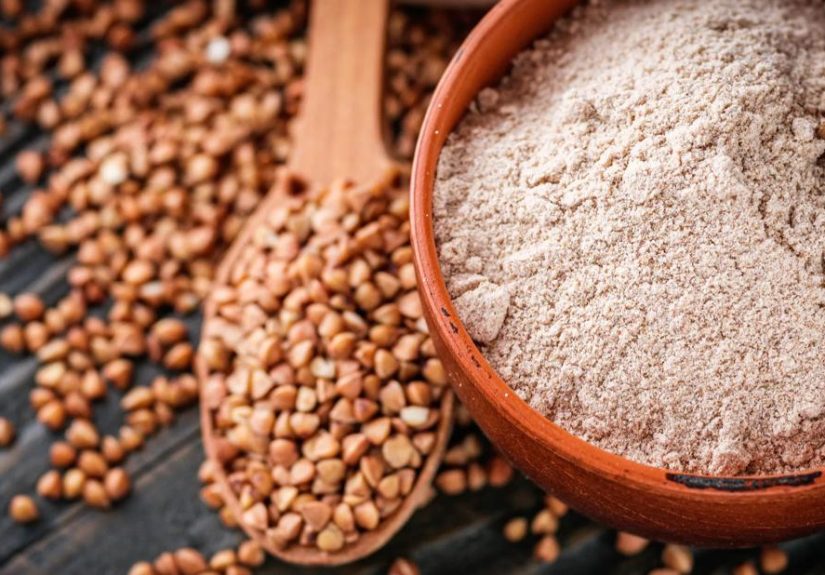
You’ll usually see buckwheat sold in a few forms:
- Groats (whole hulled seeds), which can be raw or roasted
- Kasha, a common term for roasted buckwheat groats
- Buckwheat flour, often used in pancakes, crepes, and baked goods
- Soba noodles, which may be made with buckwheat flour (but often include wheat too)
There are also two main types of buckwheat commonly discussed in food and agriculture: common buckwheat and Tartary buckwheat. Tartary buckwheat is often noted for growing well in colder climates and for having a particularly strong flavor and high levels of certain plant compounds.
Buckwheat Nutrition at a Glance
What’s in a cup of cooked buckwheat?
One cup of cooked buckwheat groats (about 170 grams) provides roughly:
- 156 calories
- 33.8 grams carbohydrates
- 4.59 grams fiber
- 5.73 grams protein
- Magnesium, copper, and niacin in useful amounts
In plain English: buckwheat is not a “protein food” like eggs or chicken, but it does provide a meaningful amount of protein for a grain-like food, and it pairs well with beans, yogurt, eggs, or fish in a balanced meal.
Standout nutrients and compounds
Buckwheat’s nutrition story gets more interesting when you zoom in:
- Fiber: Buckwheat contains fiber that supports digestion and helps with fullness. Whole-grain buckwheat is also associated with a lower glycemic response than many refined grains.
- Minerals: It’s especially known for magnesium, copper, and manganese. These minerals help with energy metabolism, nerve and muscle function, and antioxidant defense.
- Protein quality: Buckwheat contains all essential amino acids, which is one reason it’s often praised in plant-forward diets.
- Bioactive compounds: Buckwheat contains compounds such as rutin and quercetin, both studied for antioxidant and anti-inflammatory potential.
- D-chiro-inositol: Buckwheat also contains D-chiro-inositol, a plant compound researchers have studied in relation to insulin signaling and metabolic health.
One note for food nerds (said lovingly): processing matters. Some research suggests that rutin levels can decrease during baking, while quercetin may rise as rutin breaks down. So yes, your buckwheat muffin is doing chemistry while you’re busy calling it breakfast.
Health Benefits of Buckwheat
Buckwheat isn’t a magic cure, and nobody should expect one food to carry their entire health plan on its back. But when buckwheat is used regularly as part of an overall healthy eating pattern, it can support several areas of health.
1) Supports Digestive Health
Buckwheat provides both soluble and insoluble fiber, which is useful for digestion in different ways. Insoluble fiber helps move food through the digestive tract, while soluble fiber helps feed beneficial gut bacteria. That combination can support regularity and overall gut health.
If you’re trying to improve digestion, swapping a refined grain side dish (like white rice or white pasta) for buckwheat a few times a week is a practical move. It’s not dramatic. It’s just effective. The nutrition equivalent of finally buying a decent storage container and wondering why you waited so long.
2) May Help With Blood Sugar Management
Buckwheat is often discussed in the context of blood sugar because it contains fiber, resistant starch, and a carbohydrate structure that tends to produce a more moderate glycemic response than many refined grain foods. Some studies also suggest buckwheat compounds may help support insulin function.
That does not mean buckwheat is “free food” for diabetes or that portion size stops mattering. It means buckwheat can be a smarter carb choice in many meals, especially when paired with protein and healthy fat. Think: buckwheat bowl with salmon and vegetables, or buckwheat porridge with Greek yogurt and nuts.
3) Supports Heart Health
Heart health is one of the most common reasons people start paying attention to whole grains, and buckwheat fits well here. It provides fiber and magnesium, and it contains rutin, which has been studied for vascular effects. Some studies suggest buckwheat intake may help support healthy cholesterol levels and blood vessel function.
It’s also useful to remember the bigger picture: dietary guidance consistently recommends making at least half your grains whole grains, and research on whole-grain-rich eating patterns links them with lower risk of cardiovascular disease. Buckwheat gives you another tool in that toolbox, especially if you want a wheat-free option.
4) Adds Antioxidants to Your Diet
Buckwheat contains antioxidant compounds, especially rutin and other flavonoids. Antioxidants help protect cells from oxidative stress, which is a normal part of metabolism but can become harmful when it builds up over time.
Scientists are actively studying buckwheat’s antioxidant compounds for broader health effects. That research is promising, but it’s still not a reason to crown buckwheat the emperor of all foods. It’s better to think of buckwheat as part of a healthy pattern that also includes fruits, vegetables, legumes, nuts, and other minimally processed foods.
5) Naturally Gluten-Free (With an Important Catch)
Buckwheat is naturally gluten-free, which makes it useful for people with celiac disease or non-celiac gluten sensitivity. It appears on many trusted gluten-free grain lists right alongside rice, quinoa, millet, and corn.
Here’s the catch: naturally gluten-free does not always mean safely gluten-free in real life. Cross-contact can happen during processing, packaging, or storage. That’s why people with celiac disease should look for products labeled gluten-free and be careful with bulk bins.
Also, soba noodles can be tricky. Some soba is made with a mix of buckwheat and wheat flour. If you need strict gluten-free eating, read labels carefully and look for gluten-free certification or clear gluten-free labeling.
6) Helps With Fullness and Meal Satisfaction
Buckwheat is the kind of food that can make a meal feel substantial without being heavy in a fast-food way. Its combination of fiber, protein, and chewy texture helps many people feel fuller longer compared with refined carbs.
This matters for day-to-day eating. A lunch built around buckwheat, vegetables, and protein is more likely to keep you steady through the afternoon than a quick white-bread sandwich that disappears from your stomach and your memory within 45 minutes.
7) Gives You More Variety in a Healthy Diet
Variety is underrated. Nutritionally, rotating foods helps you get a wider range of nutrients and plant compounds. Practically, it keeps healthy eating from becoming a boring loop of oatmeal, brown rice, and “another salad.”
Buckwheat brings a nutty, earthy flavor and a texture that works in sweet and savory dishes. That makes it easier to stick to a nutrient-dense eating pattern over time, which is the real goal.
How to Eat Buckwheat (Without Overthinking It)
Easy ways to use buckwheat groats
- Breakfast porridge: Cook groats with milk or water, then top with berries, cinnamon, and nuts.
- Grain bowls: Use cooked buckwheat instead of rice as a base for roasted vegetables and protein.
- Soup add-in: Stir a small amount into vegetable or chicken soup for texture and fiber.
- Salad booster: Use cooked and cooled buckwheat in grain salads with herbs and lemon.
- Crunch topping: Toasted buckwheat can be used like a crunchy topper on salads or yogurt.
Baking and noodles
Buckwheat flour is great in pancakes, waffles, crepes, muffins, and rustic breads. It has a stronger flavor than all-purpose flour, so many recipes combine it with another flour for better texture.
If you buy soba noodles, check the label. Some are nearly all buckwheat, while others are wheat-heavy with just enough buckwheat to justify the name. Food labeling can be a little theatrical sometimes.
Portion guidance that’s actually useful
A practical serving is 1/2 cup cooked buckwheat, which the USDA MyPlate guidance counts as one ounce-equivalent of grains. That makes it easy to fit into your day without guessing portions.
For most adults, a meal portion of 1/2 to 1 cup cooked buckwheat works well depending on your calorie needs, activity level, and what else is on the plate.
Who Should Be Careful With Buckwheat?
1) People with buckwheat allergy
Buckwheat allergy is uncommon, but it does exist, and medical literature shows it can sometimes cause serious reactions. If you’ve had reactions to buckwheat, buckwheat flour, or soba noodles, talk with a healthcare professional or allergist before trying it again.
2) People with celiac disease or strict gluten-free needs
Again, buckwheat itself is naturally gluten-free, but cross-contact is the real issue. Choose packaged products with clear gluten-free labeling, and be cautious with restaurant noodles, bulk bins, and shared cooking equipment.
3) Anyone making a major diet change for a medical condition
If you’re changing your diet to help manage diabetes, high cholesterol, digestive disease, or another health concern, buckwheat can be part of the plan, but it shouldn’t replace medical care. Think of it as a useful ingredient, not a prescription.
Experience-Based Guide: What People Commonly Notice When They Start Eating Buckwheat (500+ Words)
One of the most common experiences people report with buckwheat is simple surprise: “Why did nobody tell me this was this filling?” Buckwheat tends to feel more satisfying than many refined grain sides, especially when eaten as whole groats. People who switch from white rice or instant noodles to buckwheat bowls often notice they stay full longer and snack less impulsively in the next few hours. That doesn’t happen because buckwheat is magic; it happens because the fiber, texture, and protein make meals more balanced and slower to digest.
Another frequent experience is a short adjustment period with the flavor. Buckwheat has a nutty, earthy taste that’s stronger than plain rice. Some people love it immediately. Others need a few tries. A smart way to ease in is to mix buckwheat with familiar foods at first: half buckwheat and half brown rice, or a spoonful of toasted buckwheat on top of yogurt or soup. Once people learn how to season it well (olive oil, lemon, garlic, herbs, mushrooms, roasted vegetables), the flavor usually becomes a strength instead of a barrier.
In home kitchens, breakfast is where buckwheat often wins people over. Buckwheat porridge feels cozy like oatmeal but has more chew and a slightly richer taste. A lot of people who get bored with oats find buckwheat to be a nice reset. It works especially well with fruit, cinnamon, chia seeds, and a spoonful of peanut butter. On the savory side, it pairs well with eggs and spinach, which is great for anyone trying to build more protein into breakfast without reaching for ultra-processed foods.
For gluten-free eaters, the experience is usually a mix of relief and caution. Relief, because buckwheat adds variety to a gluten-free diet that can otherwise become too dependent on rice and corn. Caution, because buckwheat products are not automatically safe unless the label is clear. Many people learn this the hard way with soba noodles, which may contain wheat. Once they start checking labels for gluten-free claims and choosing trusted brands, buckwheat becomes a dependable staple.
People who cook for families often mention that buckwheat works best when introduced in familiar formats first. Pancakes are an easy entry point. So are muffins, crepes, or a warm grain bowl with ingredients everyone already likes. Going from “never tried it” to “plain buckwheat porridge with no seasoning” is a bold move, but not always a successful one. Buckwheat rewards good pairing. Add texture, acid, herbs, and a little fat, and suddenly it tastes intentional.
Another real-world pattern is that buckwheat helps people build better lunch habits. Meal-preppers like it because cooked groats hold up well in the fridge and don’t get mushy as quickly as some grains. A batch of cooked buckwheat can be turned into three different lunches: a salad with chickpeas and cucumbers, a warm bowl with chicken and roasted carrots, or a soup add-in. That flexibility makes it easier to eat well during busy weeks.
Finally, people interested in heart health or blood sugar support often describe buckwheat as a “quiet upgrade.” It doesn’t require a full diet overhaul. It just replaces one part of a meal with something more nutrient-dense. Over time, those swaps matter. A few buckwheat meals each week won’t solve everything, but they can make healthy eating more varied, more satisfying, and easier to stick withwhich is exactly what most nutrition goals need.
Conclusion
Buckwheat is a nutrient-dense, gluten-free pseudograin that deserves more attention than it usually gets. It provides fiber, protein, magnesium, copper, and antioxidant compounds like rutin, and it fits beautifully into heart-smart, digestion-friendly, and balanced blood sugar meal patterns.
The best part? It’s practical. You can cook it like rice, turn it into porridge, bake with it, or use it in noodles and grain bowls. If you need gluten-free options, just pay close attention to labels and cross-contact. If you’re simply trying to eat better, buckwheat is one of the easiest “healthy upgrades” to add to your weekly routine.
In other words, buckwheat is not a trend food. It’s a useful food. And those tend to stick around.