Table of Contents >> Show >> Hide
- What Is Brain Aneurysm Clipping Surgery?
- What Is the Purpose of Brain Aneurysm Clipping Surgery?
- When Is Clipping Chosen Instead of Coiling or Flow Diversion?
- How the Procedure Usually Works
- Common Side Effects After Brain Aneurysm Clipping Surgery
- Serious Risks and Potential Complications
- Recovery Timeline: What to Expect
- When to Call the Doctor Right Away
- Long-Term Outlook After Aneurysm Clipping
- Experiences Related to Brain Aneurysm Clipping Surgery Purpose and Side Effects
- Final Thoughts
A brain aneurysm diagnosis has a special talent for turning an ordinary Tuesday into a full-blown existential plot twist. One minute you are living your life, and the next you are hearing words like craniotomy, microsurgery, and aneurysm neck. None of them sound like they belong in a relaxing conversation.
Brain aneurysm clipping surgery is one of the longest-standing and most reliable treatments for certain cerebral aneurysms. Its purpose is simple but extremely important: stop blood from entering the weakened bulge in the artery so the aneurysm cannot rupture, leak, or bleed again. In plain English, the clip acts like a tiny, highly trained gatekeeper. It closes off the dangerous outpouching while preserving blood flow through the normal artery.
Because clipping is an open brain surgery, patients and families naturally want the full story: why it is done, when it is chosen over less invasive treatments, what side effects are common, what risks are serious, and what recovery really feels like once the hospital gown loses its charm. Here is the in-depth, practical guide.
What Is Brain Aneurysm Clipping Surgery?
Brain aneurysm clipping surgery is a microsurgical procedure used to treat a cerebral aneurysm, which is a weak, bulging area in a blood vessel in the brain. During the procedure, a neurosurgeon makes an opening in the skull, carefully reaches the aneurysm, and places a small metal clip across its neck, or base. That clip blocks blood from flowing into the aneurysm sac.
The idea is beautifully mechanical for something happening inside a very non-mechanical organ. Blood keeps moving through the healthy artery, but the aneurysm itself is shut off from circulation. Once it is excluded from blood flow, the danger of future rupture drops dramatically, and in many cases the repair is considered highly durable.
Clipping is different from endovascular treatments such as coiling, stent-assisted procedures, or flow diversion. Those techniques are performed from inside the blood vessel using catheters. Clipping, by contrast, is open surgery. That makes it more invasive, but it can also offer a more permanent solution for the right aneurysm in the right patient.
What Is the Purpose of Brain Aneurysm Clipping Surgery?
1. To Prevent a Rupture Before It Happens
Some aneurysms are discovered before they bleed. That is the best kind of surprise nobody asked for. If an aneurysm is considered high risk because of its size, shape, location, growth pattern, or the patient’s risk factors, clipping may be recommended to prevent a future hemorrhage. In this setting, the goal is prevention: stop a life-threatening event before it starts.
2. To Stop Rebleeding After a Rupture
If an aneurysm has already ruptured, clipping can be used to secure it quickly and prevent another bleed. This is critical because rebleeding can be catastrophic. In ruptured aneurysm cases, the surgery does not erase damage already caused by hemorrhage, but it can prevent additional injury and create a path toward recovery.
3. To Provide a Durable Repair
One major reason surgeons still choose clipping is durability. Compared with some endovascular approaches, clipping is less likely to leave behind a residual weak spot that may need another procedure later. For patients with aneurysms that are especially suitable for open repair, that long-term durability is a major advantage.
4. To Treat Aneurysms With Challenging Anatomy
Not every aneurysm is built in a way that makes catheter-based treatment ideal. Wide-neck aneurysms, aneurysms with important branch vessels, and many middle cerebral artery aneurysms may be better candidates for microsurgical clipping. In those situations, the purpose of clipping is not just to treat the aneurysm, but to treat it in a way that preserves nearby normal blood flow as safely as possible.
When Is Clipping Chosen Instead of Coiling or Flow Diversion?
This is where treatment gets personal fast. There is no one-size-fits-all brain aneurysm plan, because aneurysms do not politely read the same manual. The decision usually depends on several factors:
- Location: Some aneurysms are easier and safer to clip than others.
- Shape and neck size: Wide-neck aneurysms may be harder to treat with coils alone.
- Whether the aneurysm has ruptured: Emergency treatment decisions can differ from planned treatment of an unruptured aneurysm.
- Age and overall health: Surgeons weigh the risks of open surgery against the benefits of a durable repair.
- Need for long-term durability: Clipping can be appealing when the goal is a more permanent exclusion of the aneurysm.
- Center and surgeon expertise: The best approach is often chosen by a multidisciplinary cerebrovascular team.
In general, endovascular treatment may offer shorter recovery and less immediate surgical stress, while clipping may offer a stronger long-term seal for selected aneurysms. That is why expert centers often present clipping and endovascular therapy as complementary tools rather than rival sports teams.
How the Procedure Usually Works
Before surgery, patients usually undergo detailed brain imaging such as CT angiography, MR angiography, or catheter angiography so the surgical team can map the aneurysm and surrounding vessels. Neurological exams and routine pre-op testing help create a baseline for comparison after surgery.
On the day of the procedure, the patient receives anesthesia. The neurosurgeon makes an incision in the scalp and performs a craniotomy, which means temporarily removing a small section of skull to access the brain. Using a microscope and delicate instruments, the surgeon carefully follows the blood vessel to the aneurysm, then places a tiny clip across the aneurysm neck. The clip stays in place permanently.
Once the clip is positioned, the team confirms that the aneurysm is sealed and that normal blood flow through nearby arteries is preserved. The bone flap is then secured back into place, and the incision is closed. Some aneurysm surgeries use smaller or “keyhole” approaches when the anatomy allows, but the exact technique depends on the aneurysm’s location and complexity.
Common Side Effects After Brain Aneurysm Clipping Surgery
Let’s separate common side effects from major complications. After clipping, many patients experience symptoms that are unpleasant but expected during recovery. These side effects do not automatically mean something is wrong.
Headache and Incision Discomfort
Headaches are common after craniotomy and aneurysm clipping. Some people describe pressure, tightness, or soreness around the incision. Others notice a strange “helmet too small” feeling around the surgical site. This may improve over days to weeks, though some patients have lingering sensitivity for longer.
Fatigue
Fatigue is one of the most common complaints after brain surgery. Not glamorous, not dramatic, but very real. Even when the surgery goes well, the brain and body both need time to recover. Many patients can do more physically before they can do more mentally, or vice versa. Energy often returns gradually rather than in one triumphant movie montage.
Numbness or Tingling Around the Incision
Numbness near the forehead, temple, scalp, or behind the ear is common after craniotomy. This usually happens because small sensory nerves are irritated during surgery. In many people it fades with time, but it can linger or feel odd when touched.
Pain While Chewing or Jaw Tightness
If the surgical approach involves the temple area, chewing can feel sore or awkward for a while. Some patients notice jaw tightness or tenderness because the muscles and tissues in that region were moved during surgery. Soft foods may become unexpectedly popular for a bit.
Brain Fog or Slower Thinking
Some patients report slower thinking, trouble focusing, mood changes, or mild memory lapses during recovery. This can happen after brain surgery even when there is no major complication. Sleep disruption, medication effects, stress, and the healing process all contribute. In patients recovering from a ruptured aneurysm, these changes may be more pronounced.
Balance Problems or Weakness
Depending on the aneurysm location and the effects of surgery, some people feel unsteady, weak, or less coordinated in the early recovery period. That can improve with time, rehabilitation, or both.
Serious Risks and Potential Complications
Because aneurysm clipping is open brain surgery, it carries real risks. These are not the most cheerful topics on earth, but they are important.
- Bleeding: Bleeding in or around the brain can occur during or after surgery.
- Reduced blood flow or stroke: If normal circulation is affected, brain tissue can be injured.
- Seizures: Brain irritation after surgery may trigger seizures in some patients.
- Infection: This can involve the incision, the skull, or more rarely the tissues surrounding the brain.
- Cerebrospinal fluid leak: A leak of the fluid around the brain can happen after craniotomy.
- Brain swelling: Postoperative swelling may require close monitoring and treatment.
- Speech, vision, movement, or memory changes: Risk depends heavily on the aneurysm’s location and the structures nearby.
- Blood clots, pneumonia, or anesthesia-related problems: These are broader surgical risks that still matter.
For patients treated after a ruptured aneurysm, the overall medical course can be even more complex. Vasospasm, hydrocephalus, delayed stroke, and the effects of the initial bleed may shape recovery as much as the clipping itself. That is why ruptured aneurysm patients often require ICU care, close neurological monitoring, and rehabilitation.
Recovery Timeline: What to Expect
The First Few Days
After surgery, patients are monitored closely in the hospital. Neurological checks, pain control, imaging, and blood pressure management are common parts of care. Some people with unruptured aneurysms go home surprisingly quickly, while others stay several days. Patients whose aneurysms ruptured usually stay much longer and may need ICU-level care.
The First Few Weeks
At home, recovery often revolves around rest, walking, medication schedules, hydration, and avoiding heavy lifting. It is common to feel tired, emotionally flat, irritable, or impatient with the pace of healing. Unfortunately, the brain has never once responded to “come on, hurry up” as a useful treatment strategy.
Many patients are told not to drive right away and not to lift heavy objects for a period of time. Incision care matters. Follow-up visits help the team check healing, review imaging if needed, and adjust medications.
Four to Six Weeks and Beyond
For uncomplicated unruptured aneurysm clipping, many people start feeling substantially better within about four to six weeks, though full recovery may take longer. Some return to work in that window; others need additional time. If the aneurysm ruptured before treatment, recovery can stretch into months and may involve physical therapy, occupational therapy, speech therapy, or neurorehabilitation.
When to Call the Doctor Right Away
After discharge, patients should seek urgent medical attention for warning signs such as severe worsening headache, fever, increasing redness or drainage from the incision, seizures, new weakness, confusion, speech trouble, vision loss, or loss of consciousness. In short: if recovery suddenly starts acting dramatic in a new way, do not negotiate with it.
Long-Term Outlook After Aneurysm Clipping
The long-term outlook after clipping depends on whether the aneurysm was ruptured or unruptured, where it was located, how complex the surgery was, and whether any brain injury occurred before treatment. For many unruptured aneurysms, clipping offers a durable result with a low chance of the treated aneurysm coming back. That durability is one reason the procedure remains a cornerstone of cerebrovascular surgery.
For ruptured aneurysms, the picture is more variable. Some patients make an excellent recovery, while others live with lasting neurological effects from the hemorrhage. In these cases, the clip may successfully solve the aneurysm problem, but rehabilitation may still be needed for the brain injury left behind by the bleed.
Patients may also need follow-up imaging depending on the aneurysm type, the clip placement, and their overall cerebrovascular history. Long-term care usually includes blood pressure control, smoking cessation, and management of other vascular risk factors.
Experiences Related to Brain Aneurysm Clipping Surgery Purpose and Side Effects
One of the most important things to understand about brain aneurysm clipping is that the medical goal and the human experience are not always the same thing. Medically, the purpose may be clear: stop a rupture, prevent rebleeding, preserve blood flow, reduce long-term risk. Emotionally, however, the experience can feel messy, surreal, and wildly unglamorous.
Many patients describe the diagnosis itself as the hardest part at first. People with an unruptured aneurysm often say they felt perfectly normal before learning they had a dangerous weak spot in a brain artery. That creates a strange kind of fear. You may look fine, sound fine, and still walk around thinking, “So my blood vessel has trust issues now?” The decision to have surgery can bring relief, but also intense anxiety, especially when the word brain appears in every sentence.
Patients who undergo clipping for an unruptured aneurysm often talk about the mental whiplash of feeling grateful and exhausted at the same time. They may be discharged relatively quickly, yet still feel wiped out, sore, foggy, or emotionally fragile once they get home. Several patient stories from major academic centers echo the same themes: lifting restrictions are frustrating, energy takes time to return, and recovery at home is not always linear. One good day may be followed by a “why do I suddenly need a nap after brushing my teeth?” day. That can be normal.
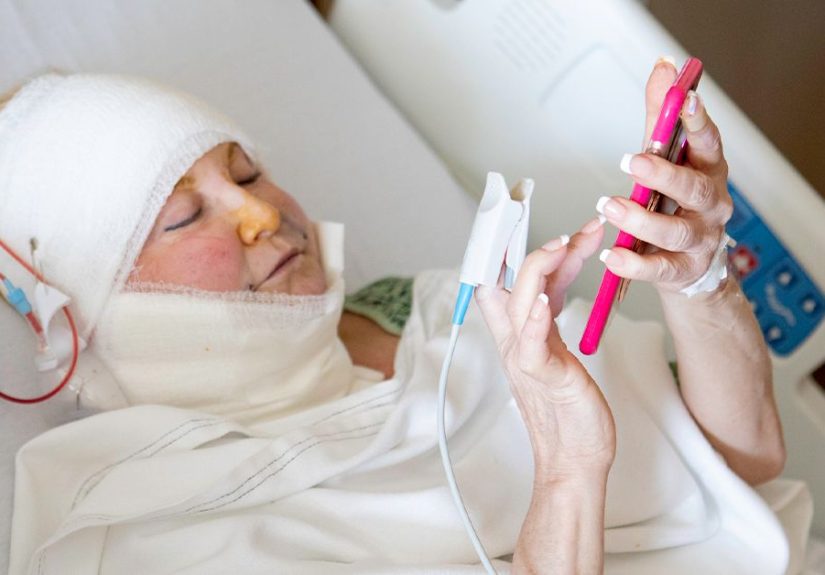
People recovering from a ruptured aneurysm often describe a very different experience. For them, clipping may come after a thunderclap headache, emergency hospitalization, ICU care, and a terrifying loss of control. In those cases, surgery is not just a treatment option; it is part of a rescue mission. Recovery may include weakness, speech trouble, sensory changes, mood swings, or memory gaps. Families often say they are grateful simply to have their loved one alive, but they also discover that healing from a hemorrhage is a marathon, not a quick sequel.
There are also practical, oddly specific experiences that do not make the top of most medical brochures. Scalp numbness can feel weird for weeks or months. Chewing may be sore. Sleep can be off. The incision may itch or feel tight. Some patients feel self-conscious about the scar at first; others are thrilled just to be here and decide the scar has earned honorary status. Fatigue is probably the most universal theme. People often expect pain to be the main issue, then discover that tiredness and brain fog are the real scene-stealers.
Still, a common thread runs through many recovery stories: once the aneurysm is securely clipped, patients often feel a deep sense of relief. The danger that brought them to surgery has been physically shut off. That does not make recovery effortless, but it gives the healing process a strong foundation. For many patients, the journey eventually shifts from fear of rupture to rebuilding confidence, stamina, and normal routines. And that is a pretty remarkable trade: a tiny clip, a major surgery, and a second chance at ordinary life.
Final Thoughts
Brain aneurysm clipping surgery is performed for one big reason: to protect the brain from the consequences of a leaking or ruptured aneurysm, or from the future risk of rupture. It remains one of the most durable treatment options for selected aneurysms and can be lifesaving in both planned and emergency settings.
The trade-off is that clipping is open surgery, so side effects such as headache, fatigue, scalp numbness, jaw pain, and temporary cognitive fog are common during recovery, while more serious complications like bleeding, stroke, infection, seizures, or CSF leak must be watched for carefully. The best outcomes usually come from individualized treatment decisions, experienced cerebrovascular teams, and realistic expectations about recovery.
In other words, aneurysm clipping is not casual. But in the right situation, it can be a powerful, precise, and highly effective operation with lasting benefits.