Table of Contents >> Show >> Hide
- What Is a Pimple?
- What Is a Boil?
- Boil vs. Pimple: The Fastest Ways to Tell Them Apart
- When a “Pimple” Is Not Really a Pimple
- How to Treat a Pimple
- How to Treat a Boil
- When to See a Doctor
- Common Mistakes People Make
- Prevention Tips
- The Bottom Line on Boil vs. Pimple
- Common Real-World Experiences: What People Often Notice Before They Know Whether It’s a Boil or a Pimple
- Conclusion
At first glance, a boil and a pimple can look like cousins at a family reunion: both are red, raised, annoying, and seem to appear right when you have plans. But they are not the same thing. A pimple is usually part of acne, which happens when a pore gets clogged with oil, dead skin cells, and inflammation. A boil, on the other hand, is usually a deeper skin infection involving a hair follicle and the surrounding tissue. One is a classic skin drama. The other is more like a bacterial mutiny.
If you have ever stared in the mirror thinking, “Is this just a bad breakout, or is my skin trying to start a war?” you are not alone. Knowing the difference matters because treatment is not identical, and what helps a pimple may do very little for a boil. In some cases, mistaking a boil for a pimple can delay care and turn a painful bump into a much bigger headache.
This guide breaks down the difference between a boil and a pimple, how to identify each one, when a bump might be something else entirely, and what to do next without launching an ill-advised squeezing campaign.
What Is a Pimple?
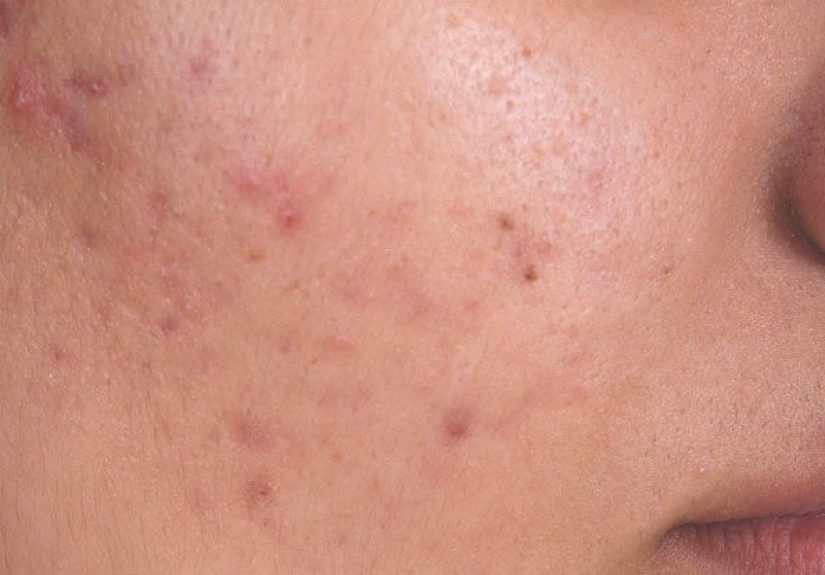
A pimple is a type of acne lesion that forms when a hair follicle or pore becomes clogged. Oil, dead skin cells, and bacteria can all contribute. Pimples range from tiny whiteheads and blackheads to angry red papules, pus-filled pustules, and deeper nodules or cysts.
Most pimples show up where oil glands are more active, especially on the face, chest, shoulders, and back. They can be tender, but many are more annoying than truly painful. In mild acne, you may have several bumps at once, often in different stages. One might be a whitehead, another a red bump, and another just sitting there plotting its next move.
Common signs of a pimple
- Usually small and fairly superficial
- May have a white or yellow center if it is a pustule
- Often appears with other acne lesions nearby
- Common on the face, chest, upper back, and shoulders
- Can be caused by clogged pores, excess oil, hormones, friction, or acne-prone skin
What Is a Boil?
A boil, also called a furuncle, is a deeper infection of a hair follicle and surrounding skin. It often starts as a tender red bump and then becomes more swollen, more painful, and more filled with pus over time. Boils are commonly linked to bacteria, especially Staphylococcus aureus. They tend to form in areas where skin rubs, sweats, or experiences friction, such as the armpits, thighs, buttocks, groin, neck, and sometimes the face.
Unlike a regular pimple, a boil often feels deeper and hotter. It can throb. It can become large. It can also make you suddenly very respectful of the simple act of sitting down. Some boils drain on their own, but others grow, cluster together, or need medical treatment.
Common signs of a boil
- Usually larger, deeper, and more painful than a typical pimple
- Starts as a firm, red, tender bump and becomes softer as pus collects
- May feel warm to the touch
- Often appears alone at first, though clusters can happen
- Common in the armpits, groin, thighs, buttocks, back of the neck, and face
- May eventually rupture and drain pus
Boil vs. Pimple: The Fastest Ways to Tell Them Apart
If you are trying to identify a suspicious bump, the main clues are depth, pain, size, location, and how the bump behaves over time.
1. A boil is usually deeper
Pimples often sit closer to the surface of the skin. Even when they are inflamed, they usually involve a clogged pore. A boil tends to develop deeper under the skin because it is an infection that extends into surrounding tissue.
2. A boil usually hurts more
Yes, pimples can hurt. But boils often bring a different level of pain. They may feel throbbing, tight, or sharply tender. If a bump is making you wince when clothing brushes against it, a boil becomes more likely.
3. Pimples often travel in groups
Acne tends to appear in clusters or patterns. You may see blackheads, whiteheads, red bumps, and pustules all in the same general area. A boil is more likely to appear as one standout, angry bump, at least in the beginning.
4. Location matters
Pimples love oily areas like the forehead, nose, chin, chest, and upper back. Boils prefer friction-prone, sweaty zones such as the groin, underarms, buttocks, inner thighs, and back of the neck. A painful lump in the armpit is less likely to be a basic pimple and more likely to deserve a closer look.
5. Boils often get progressively worse before they get better
A small pimple might peak and calm down. A boil often enlarges, becomes more painful, and develops a central pocket of pus before draining. Rapid worsening is an important clue.
Quick comparison table
| Feature | Pimple | Boil |
|---|---|---|
| Cause | Clogged pore and acne inflammation | Bacterial infection of a hair follicle and nearby tissue |
| Depth | Usually superficial | Usually deeper under the skin |
| Pain | Mild to moderate | Moderate to severe, often throbbing |
| Size | Usually small | Can become large and swollen |
| Location | Face, chest, shoulders, back | Armpits, groin, buttocks, thighs, neck, face |
| Number | Often several at once | Often starts as one, but may cluster |
| Drainage | Possible in pustules | Often drains pus when mature |
When a “Pimple” Is Not Really a Pimple
Skin loves to blur categories. Some conditions look like pimples or boils but are actually something else.
Cystic or nodular acne
Deep, painful acne nodules and cysts can mimic boils because they sit under the skin and hurt more than ordinary pimples. These lesions are part of acne, not a classic boil infection. They often occur on the face, jawline, chest, shoulders, and back and may leave scars.
Folliculitis
Folliculitis is inflammation or infection of hair follicles. It can look like a sudden crop of tiny acne-like bumps, sometimes with a small amount of pus. If it becomes deeper, it can progress into a boil. Think of folliculitis as the opening act and a boil as the headliner nobody wanted.
Hidradenitis suppurativa
This chronic inflammatory condition can cause painful boil-like lumps, especially in the armpits, groin, buttocks, and inner thighs. If you keep getting “boils” in the same areas, especially with drainage, scarring, or tunnels under the skin, it may be more than a random infection.
MRSA skin infection
Some staph infections, including MRSA, can begin as a bump that looks like a pimple or spider bite but then quickly turns into a painful abscess or boil. If the area becomes hot, swollen, drains pus, spreads, or comes with fever, do not shrug it off as stubborn acne.
How to Treat a Pimple
If the bump is clearly a pimple, home care may help.
Basic pimple care
- Wash gently with a mild cleanser twice daily
- Use over-the-counter acne products with benzoyl peroxide, salicylic acid, or adapalene if appropriate for your skin
- Avoid scrubbing, picking, and squeezing
- Use non-comedogenic skin care and makeup products
- Be patient; acne treatment usually takes time, not magic
For a deep, painful pimple, a warm compress can help it come closer to the surface. But if you keep getting large, painful breakouts or notice scarring, it is smart to see a dermatologist rather than conducting your own skin experiment in the bathroom mirror.
How to Treat a Boil
If the bump seems more like a boil, the goal is to reduce irritation, encourage safe drainage, and avoid spreading infection.
Basic boil care
- Apply a warm, clean compress several times a day
- Do not squeeze, lance, or pop it yourself
- Keep the area clean
- If it drains, cover it with a clean bandage
- Wash your hands after touching the area or changing dressings
- Do not share towels, razors, clothing, or washcloths
Big warning here: a boil is not a do-it-yourself excavation project. Trying to pop it can push infection deeper, spread bacteria, and make the situation worse. If a boil is large, very painful, recurring, or not improving, medical drainage and sometimes antibiotics may be needed.
When to See a Doctor
Whether it is a boil, a severe pimple, or something in between, some signs mean it is time to stop guessing and get professional help.
Get medical care if you have:
- Fever or chills
- Rapidly worsening pain, redness, or swelling
- Red streaks spreading from the bump
- A lesion on the face, especially near the nose or eye
- A bump that is very large or keeps coming back
- Multiple boils or a cluster of connected lesions
- No improvement after about 2 weeks
- Drainage plus severe tenderness, warmth, or signs of infection
- Diabetes, a weakened immune system, or other conditions that raise infection risk
- Acne that causes scars, deep nodules, or emotional distress
Recurring “boils” in the armpits, groin, or under the breasts especially deserve attention because they may point to hidradenitis suppurativa rather than random bad luck.
Common Mistakes People Make
Mistake #1: Treating every red bump like acne
Not every bump with attitude is a pimple. If it is deep, hot, swollen, unusually painful, or in a friction-heavy area, pause before reaching for your usual acne spot treatment.
Mistake #2: Popping first, thinking later
Squeezing pimples can worsen inflammation and increase the risk of scarring. Squeezing boils can spread infection. Your fingers are not board-certified dermatologists.
Mistake #3: Ignoring repeat episodes
If similar bumps keep returning, it may signal uncontrolled acne, recurring staph colonization, folliculitis, or a chronic inflammatory condition. Patterns matter.
Mistake #4: Using harsh products on a boil
Acne washes and drying spot treatments can help some pimples, but they will not fix a true boil. In fact, harsh treatments may irritate already inflamed skin and distract you from the real issue.
Prevention Tips
To help prevent pimples:
- Cleanse gently and consistently
- Use non-comedogenic products
- Shower after sweating
- Avoid picking and pore-clogging hair or skin products
- Treat acne early before it becomes deep or scarring
To help prevent boils:
- Keep skin clean, especially after sweating
- Avoid sharing razors, towels, or personal items
- Cover cuts and scrapes until healed
- Reduce friction in prone areas when possible
- Get recurring boils evaluated instead of playing skin roulette
The Bottom Line on Boil vs. Pimple
Here is the simplest rule: a pimple is usually a clogged and inflamed pore, while a boil is usually a deeper infection. Pimples are more common, more superficial, and often show up in groups. Boils tend to be larger, deeper, hotter, and more painful, especially in places where skin rubs together.
If a bump behaves like ordinary acne, basic acne care may help. If it acts like an infection, gets worse quickly, or keeps coming back, do not treat it like a moody zit with a flair for drama. Get it checked out. Your skin is giving you information, not trying out for a reality show.
Common Real-World Experiences: What People Often Notice Before They Know Whether It’s a Boil or a Pimple
One of the most common experiences people describe is starting with denial. A bump appears, and the first thought is usually, “It’s just a pimple.” That is especially true if it begins as a red spot with a tender center. But over the next day or two, the experience can shift. A regular pimple might stay small, form a whitehead, and slowly calm down. A boil often does the opposite. It becomes more swollen, more painful, and harder to ignore. People often say it feels deeper than a pimple, almost like pressure building under the skin.
Another common experience is confusion about location. A person may get acne on the face all the time, so they assume a painful bump in the same area is also acne. But when the bump shows up in the armpit, groin, inner thigh, or buttock, the story changes. Those areas are more prone to friction, sweat, and hair follicle irritation, which makes boils more likely. Many people only realize this after the lesion becomes too painful to sit on comfortably or starts rubbing against clothing like it has a personal grudge.
People also often report that a boil affects daily life faster than a pimple does. A pimple can be annoying or embarrassing, but a boil can interfere with walking, sitting, shaving, sleeping, or even wearing regular clothes. That is one of the most useful real-life clues. If the bump is not just visible but actively disrupting normal movement or causing sharp tenderness, it deserves more respect than a standard breakout.
There is also the classic mistake of trying to pop it. With pimples, many people are tempted to squeeze, even though that can worsen inflammation and cause scarring. With boils, this urge can backfire even more dramatically. A lot of people realize too late that pressure does not solve the problem. Instead, it may increase pain, irritate the skin, and sometimes spread drainage or bacteria. The safer experience is usually warm compresses, gentle skin care, and medical attention if the bump keeps enlarging or becomes intensely painful.
Some people have another experience entirely: the “this keeps happening” pattern. They notice repeated boil-like bumps in the same body areas, especially the underarms or groin, and initially think they are getting random pimples or ingrown hairs. Over time, they realize the bumps recur, drain, scar, or come back in waves. That pattern matters because recurring lesions can point to chronic follicle-related or inflammatory conditions that need proper evaluation, not just another over-the-counter acne product.
In everyday life, the biggest lesson is simple. If a bump is small, superficial, and acting like your usual acne, it may well be a pimple. If it is deep, hot, painful, rapidly enlarging, or changing how you move through the day, it may be a boil or another condition that deserves medical attention. Your skin may not send emails, but it does send signals. Reading them early can save you pain, time, and a truly regrettable encounter with your bathroom mirror.
Conclusion
Knowing the difference between a boil and a pimple can help you choose the right next step instead of guessing your way through skin trouble. Pimples are usually tied to acne and clogged pores. Boils are more often deeper infections that can worsen without proper care. When in doubt, pay attention to pain, size, depth, location, and speed of change. Those clues tell the story.