Table of Contents >> Show >> Hide
- Meet the Culprit: What Body Lice Actually Are
- How People Get Body Lice (And Why It’s Not a Moral Failing)
- Body Lice Symptoms: What You’ll Notice First
- Complications: When It’s More Than an Itch
- How to Check for Body Lice (Without Losing Your Mind)
- Body Lice Treatment: The Plan That Actually Works
- Preventing Reinfestation: Keep the Tiny Roommates Out
- Special Situations (Because Real Life Isn’t a Perfect Checklist)
- Myths That Make Body Lice Harder to Beat
- When to See a Healthcare Professional
- Quick FAQ
- Real-World Experiences: What People Say It’s Like (and What Helps)
- Final Takeaway
Let’s talk about an uninvited guest that doesn’t pay rent, doesn’t help with chores, and somehow still feels entitled to your blood: body lice.
If the phrase makes you itch immediately, congratulationsyou’re human. The good news is that a body lice infestation is highly treatable.
The even better news? The main “weapon” is not exotic medicine or a dramatic fumigation scene. It’s heat, hygiene, and a little laundry vengeance.
In this guide, you’ll learn how to spot body lice symptoms, how body lice differ from head lice and bed bugs, what actually works for
body lice treatment, and how to prevent reinfestationwithout turning your home into a science experiment.
Meet the Culprit: What Body Lice Actually Are
Body lice (scientific name: Pediculus humanus corporis) are tiny, wingless insects that feed on human blood. Here’s the plot twist:
they don’t “live” on your body the way head lice live in hair. Body lice mostly hang out in clothing seams, bedding, and fabric folds,
then travel to your skin to feed several times a day. That’s why outbreaks often connect to limited access to clean clothes and laundry facilitiesnot
because someone is inherently “gross.”
When people say “I feel dirty,” what they often mean is “I feel miserable.” Totally fair. But medically speaking, body lice are opportunists.
Give them fabric, warmth, and repeated wear without hot washing, and they’ll move in like they found a rent-controlled apartment.
How People Get Body Lice (And Why It’s Not a Moral Failing)
Body lice spread through close contact with infested clothing, bedding, towels, or shared fabric items. Crowded settings can make
transmission easierthink shelters, refugee/disaster settings, or any situation where people can’t regularly shower and launder clothes with heat.
It’s also possible to pick up body lice when clothing or blankets are shared or stored together (for example, communal sleeping areas, donated clothing
that hasn’t been heat-treated, or frequent close contact with infested textiles). The common denominator isn’t “bad hygiene” as a personality traitit’s
lack of consistent access to hot water, clean clothing, and high-heat drying.
Body Lice Symptoms: What You’ll Notice First
1) Itching that loves your waistband
The most common body lice symptom is intense itching, especially where clothing seams press against skin:
waistline, groin, armpits, shoulders, and sometimes the neck. If your itch seems to have a favorite outfit (or a favorite seam),
that’s a clue.
2) Red bumps, rash, and “scratch art”
Bites can cause small red bumps or a patchy rash. Scratching can lead to excoriations (tiny skin breaks) and crusting.
If you see lines of irritated skin where fabric rubs, it can look like your clothes are tattling on you. (They are.)
3) Thickened or darkened skin over time
With long-term infestation, skin may become thickened, rough, or darker in areas repeatedly bitten and scratcheda change sometimes described in older
medical writing as “vagabond’s disease.” Not a charming nickname, but it’s a real skin response to chronic irritation.
4) The “evidence” is usually in the clothes, not the hair
Unlike head lice, body lice and their eggs (nits) are most often found in clothing seamsespecially around the waist, underarms, and cuffs.
You might notice tiny moving specks or little whitish eggs glued to fabric fibers. It’s not the kind of scavenger hunt anyone wants,
but it’s the one that ends the mystery fast.
Complications: When It’s More Than an Itch
Many cases are “just” uncomfortable. But scratching can break the skin and invite secondary bacterial infectionsthink impetigo,
cellulitis, or painful, oozy lesions. If you see spreading redness, warmth, pus, fever, or red streaks, it’s time for medical care.
The bigger concern is that body lice can transmit certain infections. Historically, they’ve been linked to serious diseases like
epidemic typhus, louse-borne relapsing fever, and trench fever (caused by
Bartonella quintana). In modern U.S. settings, these illnesses are uncommon, but public health reports have noted ongoing risk where
body lice infestations occurparticularly among people experiencing homelessness and in crowded, resource-limited environments.
Translation: body lice aren’t just annoying; they’re a reason to take symptoms seriouslyespecially if someone with possible exposure develops fever,
severe headache, body aches, or persistent illness.
How to Check for Body Lice (Without Losing Your Mind)
If you suspect pediculosis corporis, the fastest confirmation usually comes from checking clothing:
- Inspect seams of shirts, underwear, waistbands, socks, cuffs, and bedding folds.
- Look for moving lice (tan/grayish) or nits (tiny white/yellowish ovals attached to fabric).
- Focus on items worn repeatedly without hot washing.
Not sure if it’s lice, bed bugs, or scabies? Here’s a quick reality check:
- Bed bugs tend to bite exposed skin at night and hide in mattresses/furniture cracks; you may see tiny blood spots on sheets.
- Scabies often causes intense nighttime itching with small burrows, especially between fingers, wrists, waistline, and genitals.
- Body lice strongly correlate with clothing wear and bites near seams; lice/nits are typically in the clothes.
A clinician can confirm the diagnosis quicklyoften by identifying lice or nits. If symptoms persist despite proper laundering, get checked.
Misdiagnosis wastes time, and your skin deserves better.
Body Lice Treatment: The Plan That Actually Works
If you’re searching “how to get rid of body lice,” here’s the most important concept: for body lice, the battlefield is fabric.
Yes, you matter too. But your wardrobe is where the drama lives.
Step 1: Shower and change into truly clean clothes
Start with a thorough shower using soap and water. Then put on clean clothing that has been hot-washed and hot-dried (or new clothing).
Regular bathing and changing clothes at least weekly is a cornerstone of clearing infestation.
Step 2: Laundry with heat (a.k.a. the Louse Sauna)
Wash clothing, bedding, and towels used by the infested person using hot water and then machine-dry on high heat.
Heat is the part lice can’t negotiate with. For many people, this stepdone correctlysolves the problem without prescription treatment.
- Wash hot (aim for at least 130°F / 54°C when possible).
- Dry hot (high-heat dryer cycle; sustained heat matters).
- Repeat laundering as needed over the next 1–2 weeks, especially if items were missed.
Step 3: Non-washable items: bag, dry clean, or vacuum
For items that can’t be washed (delicates, some outerwear, certain blankets), consider:
- Dry cleaning (effective for killing lice and eggs).
- Sealing in a plastic bag for an extended period (commonly recommended around two weeks) to starve any remaining lice.
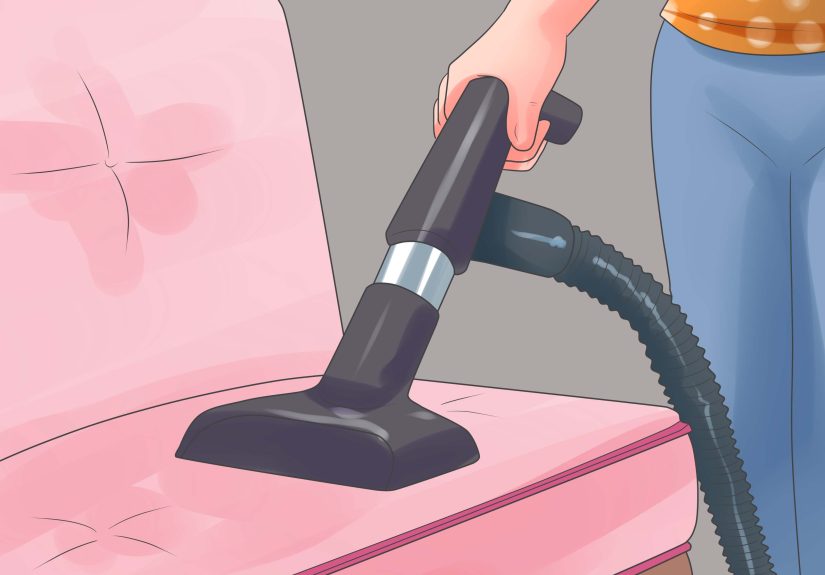
- Vacuuming floors and furniture to remove lice/eggs that may have fallen off fabrics.
You do not need to “bomb” your home with insecticide in typical cases. Save the drama for reality TV.
Step 4: Symptom relief (because itching is a full-time job)
Even after lice are gone, the skin can stay irritated for days. Helpful options include:
- Cool compresses or oatmeal baths for soothing.
- Over-the-counter anti-itch lotions (like calamine) or low-strength hydrocortisone (as directed).
- Oral antihistamines at night for itch-related sleep sabotage (check labels and medical advice).
If skin looks infectedspreading redness, warmth, tenderness, crusting, or drainagesee a clinician. You may need treatment for bacterial infection,
not just lice.
Step 5: When lice-killing medication is needed
Many body lice infestations resolve with hygiene and laundering alone. But sometimes medications are used, especially if infestation is heavy,
persistent, or hygiene/laundry access is limited. Clinicians may recommend topical treatments such as permethrin or pyrethrin-based products,
and in select stubborn cases, other prescription options may be considered under medical supervision.
If you’re tempted to use multiple products at once: don’t. Overuse can irritate skin and doesn’t guarantee better results. The most common failure is
missing the laundry/heat partnot “insufficient chemicals.”
Preventing Reinfestation: Keep the Tiny Roommates Out
Once you’ve won the battle, prevention is mostly about consistent access to clean clothes and heat-treated laundry:
- Avoid sharing clothing, towels, or bedding with someone who may be infested.
- Launder and high-heat dry worn clothes regularlyespecially undergarments and bedding.
- In communal living settings, prioritize access to showers and laundry services where possible.
- If there’s an outbreak in a shared environment, coordinated cleaning and clothing changes matter more than individual blame.
Special Situations (Because Real Life Isn’t a Perfect Checklist)
If someone can’t reliably access laundry or showers
This is where body lice become a community health issue, not just an individual problem. The most effective interventions often involve:
access to showers, clean clothing changes, consistent laundry services, and supportive housing resources. If you work in outreach, shelters, or community
clinics, protocols that combine hygiene support with textile decontamination are usually the biggest needle-movers.
Kids and families
Children more commonly get head lice than body lice, but body lice can occur when clothing and bedding are involved. If multiple household members itch,
focus on shared laundry and bedding. If a child develops fever or looks ill, don’t assume it’s “just lice”get evaluated.
Pregnancy, sensitive skin, older adults
For anyone pregnant, very young, immunocompromised, or prone to skin reactions, it’s smart to talk with a healthcare professional before using
medicated lice treatments. The good news: the laundering-and-hygiene approach is often enough and avoids unnecessary exposure.
Myths That Make Body Lice Harder to Beat
- Myth: “Only dirty people get body lice.” Reality: Body lice track access to laundry and clean clothing, not worthiness.
- Myth: “Shaving fixes it.” Reality: Body lice live in clothes; shaving doesn’t evict them.
- Myth: “One quick rinse is enough.” Reality: Heat-treated laundry and clean clothing changes are the core treatment.
- Myth: “I need to fumigate everything.” Reality: Targeted laundry/heat and basic vacuuming are usually sufficient.
When to See a Healthcare Professional
Seek medical care if:
- Itching and rash persist despite correct laundering and clean clothing changes.
- You can’t confirm lice but symptoms are severe (diagnosis matters).
- There are signs of infection: swelling, pus, spreading redness, fever, or significant pain.
- You develop systemic symptoms (fever, severe headache, body aches), especially with known body lice exposure.
A clinician can confirm whether this is truly body lice, and rule out scabies, allergic dermatitis, bed bugs, or other skin conditions that can look
annoyingly similar.
Quick FAQ
Do body lice live in hair?
Not usually. Body lice primarily live in clothing and bedding and move to skin to feed. If you’re finding lice in hair, head lice may be the issue.
How long does it take to get rid of body lice?
With consistent showering, clean clothing changes, and hot wash/high-heat drying, many cases improve quicklyoften within daysthough skin irritation
can linger a bit longer.
Can body lice spread disease in the U.S.?
It’s uncommon, but possibleespecially where infestations persist. If fever or systemic illness appears, medical evaluation is important.
Real-World Experiences: What People Say It’s Like (and What Helps)
A lot of people with body lice describe the same emotional roller coaster: first confusion (“Why am I itching like this?”), then suspicion (“Is it
laundry detergent?”), then the moment of truth (“Okay, something is definitely biting me”), and finally the late-night spiral of Googling with one hand
while scratching with the other.
The itching often feels different from a typical rash. People commonly say it’s worse under snug clothingwaistbands, bra lines, sock topsbecause
that’s exactly where seams and fabric contact are strongest. The bites can be subtle at first, then become more dramatic after repeated exposure.
Some describe waking up with new itchy bumps after wearing the same outfit multiple days in a row, or after using a blanket repeatedly without washing.
One of the most consistent “aha” moments is when someone checks the inside seams of clothing and realizes the problem isn’t their skin
aloneit’s the textiles. That’s also why the most effective “treatment stories” often begin with access to laundry and clean clothing. When people can
do a hot wash and a high-heat dry, then immediately switch into heat-treated clothes and fresh bedding, the relief can feel almost unfairly fast.
The phrase you’ll hear in many accounts is basically: “I did the laundry correctly and it finally stopped.”
Another common experience: lingering itch after the lice are gone. This can mess with confidencepeople worry the infestation is still active.
In many cases, the skin is simply recovering from inflammation and scratches. What helps here is a simple routine: gentle cleansing, moisturizing
irritated areas, and using a basic anti-itch option as directed. People also mention that trimming fingernails (yes, really) reduces skin damage during
sleep-scratchingbecause your hands apparently don’t respect bedtime boundaries.
In shared living environments, people often report that individual treatment isn’t enough unless the environment participates. If one person hot-washes
everything but shared bedding or clothing swaps continue, lice can boomerang back. The most successful experiences tend to involve coordinated changes:
clean clothing distribution, scheduled laundry access, and repeat checks. It’s not glamorous, but it works.
Finally, the most important “experience” theme is psychological: body lice can cause shame. But shame doesn’t kill liceheat does. Once people treat it
as a practical problem with a practical solution, the process becomes less overwhelming. The goal isn’t perfection; it’s breaking the cycle:
shower, clean clothes, heat-treated laundry, repeat.
Final Takeaway
A body lice infestation is unpleasantbut it’s not mysterious, and it’s not a character judgment. The hallmark is itching and bites
concentrated where clothes touch skin, with lice and nits usually hiding in clothing seams. The foundation of body lice treatment is
straightforward: shower, switch into truly clean clothes, and use hot wash/high-heat drying for clothing, bedding, and towels. Medications can help in
persistent cases, but most “failures” happen because the fabric side of the plan wasn’t fully completed.
If symptoms persist, if you see infection, or if fever and systemic illness appearespecially with known exposureget medical care. Your skin can heal,
and your laundry can absolutely win this fight.