Table of Contents >> Show >> Hide
- What Is a Binchotan Charcoal Pumice Stone?
- How Binchotan Charcoal Works on Skin
- Key Benefits of a Binchotan Charcoal Pumice Stone
- How to Use a Binchotan Charcoal Pumice Stone Safely
- Binchotan Pumice vs. Regular Pumice and Other Tools
- Care, Cleaning, and When to Replace
- Turning It into a Mini Spa Ritual
- Who Will Love a Binchotan Charcoal Pumice Stone?
- Real-Life Experiences with Binchotan Charcoal Pumice Stones
- Conclusion: Is a Binchotan Charcoal Pumice Stone Worth It?
If your heels could talk, there’s a good chance they’d be begging for a vacation and a serious exfoliating session. Enter the Binchotan charcoal pumice stone – a clever mash-up of volcanic pumice and legendary Japanese charcoal that promises smoother feet, fresher skin, and a tiny spa moment every time you shower.
This isn’t just another rough rock for your heels. Binchotan charcoal has been used in Japan for centuries as a premium “white” activated charcoal, prized for purifying water, absorbing odors, and supporting healthier skin. When it’s combined with a modern, soft pumice block, you get a tool that exfoliates and helps draw out impurities at the same time.
In this guide, we’ll break down what a Binchotan charcoal pumice stone is, how it works, the benefits, how to use it safely, plus real-life tips and experiences to help you decide if it deserves a permanent spot in your shower caddy.
What Is a Binchotan Charcoal Pumice Stone?
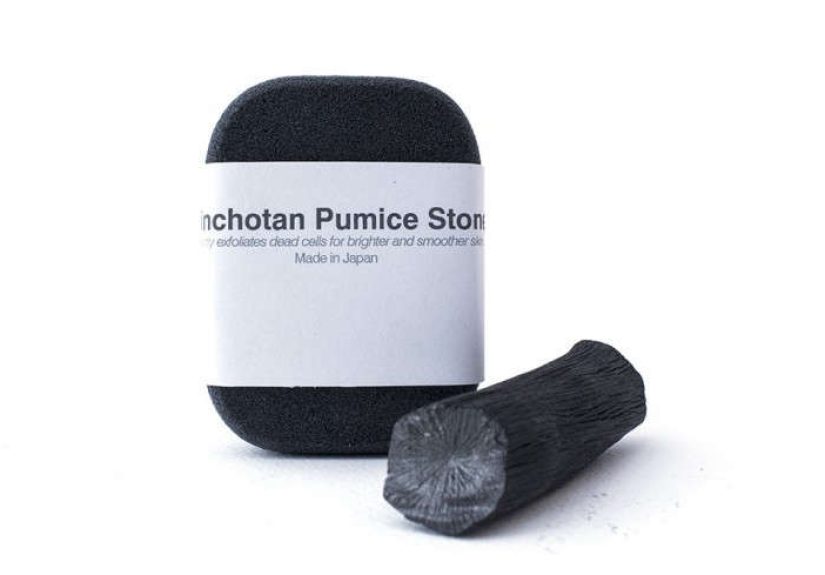
A classic pumice stone is formed when hot volcanic lava rapidly cools and traps gas bubbles, creating a light, porous rock that’s perfect for filing away tough, dry skin. A Binchotan charcoal pumice stone takes that exfoliating concept and upgrades it with Japanese Binchotan charcoal.
Binchotan charcoal is a high-quality activated charcoal made from oak (often Ubame oak) in the Kishu region of Japan. It’s created by firing wood at extremely high temperatures and then rapidly cooling it, resulting in a dense charcoal with a smooth, almost glassy finish and powerful adsorption properties.
Many modern Binchotan pumice stones are made from a soft synthetic or urethane foam infused with Binchotan charcoal powder. This design gives you a lightweight, cushiony block with thousands of micro-pores that:
- Gently remove dead skin cells from heels, elbows, and knees
- Help absorb oil, impurities, and odor-causing buildup on the skin
- Provide a smoother, more even exfoliation than very rough natural stones
The result: a callus-removing tool that feels kinder to your feet while still being tough on rough patches.
How Binchotan Charcoal Works on Skin
Charcoal in skincare isn’t just a TikTok trend. Activated charcoals like Binchotan are known for their ability to bind to impurities, excess oil, and certain toxins on the skin’s surface, helping lift them away when you rinse.
Binchotan charcoal in particular is valued for several skin-related benefits:
- Deep cleansing: Its porous structure helps absorb impurities, sweat, and surface pollutants from pores, leaving skin feeling cleaner and less congested.
- Deodorizing effect: Binchotan is used in body towels and foot-care products because it naturally helps neutralize odors.
- Antibacterial support: Studies and product data suggest Binchotan has antibacterial properties that may reduce odor-causing bacteria on the skin’s surface.
When you pack those benefits into a pumice stone, every gentle scrub does double duty: it physically buffs away dead skin and simultaneously supports cleaner, fresher-feeling feet.
Key Benefits of a Binchotan Charcoal Pumice Stone
1. Gentle but Effective Exfoliation
Pumice stones are a go-to tool for removing hard, dry skin and calluses on the feet, especially on the heels and balls of the feet. The Binchotan-infused versions are often softer and more uniform than jagged natural stones, which makes them easier to control and less likely to hurt when used correctly.
Many Japanese-style Binchotan pumice stones are designed from soft urethane with embedded charcoal powder, providing a cushioned feel that still scrubs effectively. This is especially nice if you’ve had bad experiences with overly rough, scratchy stones.
2. Cleaner, Fresher-Feeling Feet
If your feet spend all day in socks and shoes, odor happens. Regular exfoliation with a pumice stone helps remove dead skin that can trap sweat and bacteria. Health and dermatology sources note that routine pumice use contributes to better foot hygiene and lower risk of odor and certain infections when combined with good cleansing and moisturization.
When you add Binchotan’s deodorizing and purifying properties, you essentially get a scrub that not only smooths but also helps your feet feel genuinely fresher. Think of it as a tiny charcoal filter… for your heels.
3. Improved Product Absorption
Thick, dry calluses act like a barrier that blocks your fancy foot creams from sinking in. By gently thinning the dead skin layer, you allow moisturizers, balms, and repair creams to absorb more effectively. Foot-care brands highlight that exfoliating first with a pumice stone boosts the performance of follow-up products like foot creams and masks.
4. A Simple At-Home Self-Care Ritual
There’s something weirdly satisfying about watching dry, white skin slough off and reveal smoother, pinker skin underneath. Using a Binchotan charcoal pumice stone turns a basic shower into a mini spa moment – especially if you pair it with a warm foot soak and a good foot cream.
How to Use a Binchotan Charcoal Pumice Stone Safely
Used correctly, a pumice stone is a safe, effective way to manage rough feet at home. Used aggressively, it can cause redness, soreness, or even tiny cuts. Here’s how to do it the right way, based on dermatology and podiatry guidance.
Step-by-Step Guide
- Soak first. Soak your feet in warm (not hot) water for 5–10 minutes to soften the skin. You can add a bit of mild soap, Epsom salts, or a charcoal foot soak if you like.
- Wet the stone. Always use the Binchotan pumice stone on wet skin and keep the stone itself wet. This reduces friction and makes it glide more easily.
- Use gentle pressure. Rub the stone over callused areas in small circles or short strokes. Stay on thicker skin like heels and sides of toes, not on thin, sensitive areas.
- Check your progress often. After 20–30 seconds, rinse the area and feel your skin. Repeat small passes instead of trying to remove everything at once.
- Rinse and moisturize. Rinse your feet thoroughly to remove loosened skin and charcoal residue. Pat dry and follow with a rich foot cream or balm to lock in moisture.
- Limit frequency. For most people, 1–2 times per week is enough. Overdoing it can leave skin sore or more prone to cracking.
Safety Tips and Who Should Be Cautious
- Do not use on broken, irritated, or infected skin.
- Stop immediately if you see redness, bleeding, or feel pain – you’ve gone too far.
- People with diabetes, poor circulation, neuropathy, or certain autoimmune conditions should talk with a podiatrist or healthcare provider before using any at-home callus tools.
- Never share your pumice stone – it’s a personal-care tool, not a family heirloom.
Binchotan Pumice vs. Regular Pumice and Other Tools
So, is a Binchotan charcoal pumice stone just fancy marketing, or does it actually offer something different?
Vs. Regular Natural Pumice Stone
- Texture: Natural pumice can have sharp edges and inconsistent rough spots. Binchotan-infused urethane stones tend to have a smoother, more uniform texture that’s kinder on skin.
- Extra benefits: Charcoal adds odor-fighting and impurity-absorbing benefits you won’t get from plain stone.
- Weight & feel: Many charcoal stones are lighter and easier to grip, especially when wet.
Vs. Metal Foot Files or Razors
- Pumice is generally gentler and less likely to cause cuts than blades or sharp files.
- Dermatologists and podiatrists frequently caution against using sharp tools at home on calluses, especially if you’re not trained.
Vs. Chemical Exfoliants (Acids, Peels)
- Acid peels and foot masks can be effective but may irritate sensitive skin if overused.
- A Binchotan pumice stone gives you more control: you see and feel results in real time and can stop instantly if skin feels tender.
Care, Cleaning, and When to Replace
To keep your Binchotan charcoal pumice stone fresh (and not creepy), treat it like a loofah with higher standards.
- Rinse after each use: Hold it under warm running water, squeeze or rub the surface to dislodge trapped skin flakes and soap.
- Clean with mild soap weekly: Lather with a gentle soap, rinse thoroughly, and let it dry.
- Dry it completely: Let it air-dry in a well-ventilated spot. Avoid leaving it in a puddle at the bottom of the shower.
- Don’t share: Each person in the household should have their own stone for hygiene reasons.
- Replace when it wears down: When your stone becomes too smooth, starts crumbling, or develops a persistent odor, it’s time for a new one.
Turning It into a Mini Spa Ritual
Sure, you could just scrub your heels and move on. Or you can make it a tiny ritual that your future self thanks you for:
- Start with a warm foot soak with sea salt, Epsom salt, or a charcoal-based soak to soften skin.
- Exfoliate with your Binchotan pumice stone using gentle, mindful strokes – no speed-scrubbing.
- Follow with a thick, occlusive foot cream, shea butter, or balm, and then slip on cotton socks to lock it in.
- Do this 1–2 evenings per week while watching TV, scrolling, or sipping tea, and your feet will slowly transition from “hobbit” to “barefoot commercial.”
Who Will Love a Binchotan Charcoal Pumice Stone?
A Binchotan charcoal pumice stone is especially helpful if you:
- Have rough, cracked heels or thick calluses from standing, walking, or running a lot
- Wear tight or hard shoes that rub and create hard skin over time
- Deal with foot odor and want an exfoliating tool that also supports deodorizing
- Like Japanese-inspired, minimalist, multi-tasking skincare tools
If you have chronic foot issues, numbness, diabetes, or wounds, you should always check with a healthcare professional before using any at-home tools on your feet.
Real-Life Experiences with Binchotan Charcoal Pumice Stones
To give you a better feel for what living with a Binchotan charcoal pumice stone is actually like, let’s walk through some common experiences and scenarios people report once they add this tool into their routine.
The “Sneaker All-Day” Worker
Imagine someone who’s on their feet all day: a nurse, a barista, a retail worker, or a teacher. After a long shift, their heels feel like they’re made of cement. They start using a Binchotan charcoal pumice stone twice a week after a warm shower.
During the first couple of uses, they notice only a slight difference: the skin feels a bit smoother but still thick. By week two or three, after consistent, gentle exfoliation and nightly moisturizer, the hard, grayish patches begin to soften. The stone helps thin the calluses layer by layer instead of trying to remove everything in a single, risky session. They also notice their socks don’t smell as strong at the end of the day, which makes sense given Binchotan’s deodorizing and impurity-absorbing properties.
The Runner with Tough Heels
Distance runners often develop thick calluses that protect their feet but can crack or hurt if they get too extreme. A Binchotan pumice stone lets a runner “manage” calluses rather than trying to eliminate them completely. They might lightly buff the edges of thick skin after their long-run shower once a week, keeping everything smooth but still resilient.
This is a good example of using the stone strategically: the goal isn’t perfectly baby-soft feet (which can actually be more prone to blistering in active people), but healthy, flexible skin that doesn’t split or snag on socks.
The “Spa Night” Enthusiast
For skincare lovers who already enjoy sheet masks and bath-time rituals, a Binchotan charcoal pumice stone fits right in. They might pair it with a Binchotan body towel or charcoal facial soap for a full charcoal-themed spa night.
They soak their feet with a charcoal-infused foot soak, exfoliate with the pumice stone, then follow with a thick cream and cotton socks. Over a few weeks, their heels look less yellow, feel smoother, and their pedicures last longer because there’s less rough skin for polish to chip against.
Learning Curve Moments
Of course, not every experience is perfect on day one. Common “oops” moments include:
- Scrubbing too hard the first time and ending up with tender spots
- Using it on dry skin (bad idea – always soak first)
- Trying to completely erase a thick callus in one session and getting sore feet the next day
The fix is usually simple: lighten up on pressure, shorten each session, and spread the work over several days. When used as a gradual tool instead of a “magic eraser,” most people find the Binchotan pumice stone more comfortable and forgiving than harsher methods.
Long-Term Takeaways
Over the long term, people who stick with a gentle routine tend to notice:
- Smoother heels with fewer cracks
- Less snagging on bedsheets and socks
- Better absorption of creams and oils
- Generally fresher-smelling feet – especially if their shoes work hard all day
The main “secret” is consistency: a few minutes once or twice a week, plus moisturizer, beats occasional aggressive scrubbing every time.
Conclusion: Is a Binchotan Charcoal Pumice Stone Worth It?
If your feet are doing the hard work of carrying you around all day, a Binchotan charcoal pumice stone is a small, budget-friendly upgrade that can make a big difference. You get the classic callus-removing power of a pumice stone, plus the purifying, deodorizing, and skin-supporting extras of Binchotan charcoal.
Used gently and consistently, it can turn rough, tired heels into smoother, healthier-looking skin while making your foot-care routine feel just a bit more luxurious. Add a good foot cream and a pair of cozy socks, and you’ve basically created a micro spa at home.
SEO Summary
meta_title: Binchotan Charcoal Pumice Stone for Smooth Feet
meta_description: Discover how a Binchotan charcoal pumice stone exfoliates, detoxifies, and softens rough feet while keeping skin fresh and healthy.
sapo: A Binchotan charcoal pumice stone combines traditional Japanese white charcoal with modern pumice design to tackle rough, cracked heels and stubborn calluses in a gentle, spa-worthy way. Its porous surface buffs away dead skin while the charcoal helps absorb impurities and odor-causing buildup, leaving feet smoother, fresher, and better prepared to soak up hydrating creams. Learn what makes Binchotan special, how to use this pumice stone safely, who it’s best for, and how to turn a quick scrub into a relaxing weekly ritual that your feet will absolutely love.
keywords: Binchotan charcoal pumice stone, charcoal pumice stone for feet, Japanese pumice stone, exfoliating stone for calluses, foot care callus remover, Binchotan charcoal benefits, pumice stone for cracked heels