Table of Contents >> Show >> Hide
- The Winter Health Problem in One Sentence: Less Sun, More Germs, More Cravings
- A Quick (Non-Magical) Reality Check About “Boosting Immunity”
- The Winter Wellness Plate: What to Aim For at Every Meal
- Best Winter Foods That Earn a Spot on Your Fork
- 1) Citrus and Kiwi: Vitamin C Without the Hype
- 2) Berries (Fresh or Frozen): Small Fruit, Big Payoff
- 3) Dark Leafy Greens: Kale, Spinach, Swiss Chard, Collards
- 4) Cruciferous Vegetables: Broccoli, Brussels Sprouts, Cabbage, Cauliflower
- 5) Orange Veggies and Roots: Sweet Potatoes, Carrots, Winter Squash
- 6) Mushrooms: A Winter-Friendly Vitamin D Helper
- 7) Fatty Fish: Salmon, Sardines, Trout, Herring
- 8) Fortified Foods: Milk, Yogurt, Plant Milks, Some Cereals
- 9) Yogurt and Fermented Foods: Kefir, Sauerkraut, Kimchi, Miso
- 10) Beans and Lentils: Cheap, Cozy, and Seriously Useful
- 11) Whole Grains: Oats, Barley, Brown Rice, Quinoa
- 12) Nuts and Seeds: Tiny Packages of Zinc, Vitamin E, and Healthy Fats
- 13) Garlic, Onions, Ginger: The Flavor Trio That Also Pulls Its Weight
- 14) Soups and Broths: Hydration You Can Eat With a Spoon
- Winter Meal Ideas That Don’t Taste Like Punishment
- Smart Winter Grocery Strategies (Because Life Is Busy)
- Common Winter “Healthy Eating” Traps (And Better Swaps)
- 500-Word Winter Food Experience: What Winter-Healthy Eating Actually Feels Like
- Conclusion: Your Winter “Stay-Healthy” Game Plan
Winter has a way of making even the most responsible adults forget what a vegetable is. It’s cold, it’s dark at 5 p.m.,
and suddenly your “balanced dinner” is whatever can be eaten directly from the pantry while wearing a hoodie like a blanket.
No judgment. But if you want to stay healthy through winter (and not feel like a sleepy snow globe), food can genuinely help.
Not in a “one superfood will turn you into an immune-system superhero” way. More like: a steady, sensible pattern of
nutrient-dense foods supports your body’s normal defenses, energy, gut health, and recoveryespecially when cold-and-flu
season, holiday stress, and low sunlight all show up uninvited.
The Winter Health Problem in One Sentence: Less Sun, More Germs, More Cravings
In winter, people spend more time indoors (hello, shared air), many regions get less sunlight (which matters for vitamin D),
and comfort foods start calling your name like a dramatic ex. Meanwhile, dry indoor air can leave you feeling parched,
and busy schedules can push you toward convenience foods that are heavy on refined carbs, sodium, and added sugar.
The goal isn’t to “eat perfectly.” It’s to stack small wins: more whole foods, enough protein, plenty of fiber, and the
key nutrients your body uses every dayvitamins A, C, D, E, zinc, and omega-3splus hydration and sleep.
A Quick (Non-Magical) Reality Check About “Boosting Immunity”
Your immune system isn’t a light switch you flip with a single smoothie. It’s a complex network that needs consistent
fuelmacros (protein, healthy fats, carbs), micronutrients (vitamins/minerals), and the basics: sleep, movement, stress
management, and not living exclusively on peppermint mochas.
Think of winter eating like building a sturdier house before the storm hits. You can’t install the roof during the
thunderclap and call it a plan. But you can eat in a way that supports your body’s normal immune function and
helps you bounce back faster when you do catch something.
The Winter Wellness Plate: What to Aim For at Every Meal
If you want a simple blueprint, use the “plate method.” It’s not trendy, it’s not flashy, and that’s exactly why it works.
Most meals should include:
- Half a plate of fruits and vegetables (fresh, frozen, or canned)
- Protein (fish, poultry, beans, lentils, tofu, eggs, yogurt, lean meats)
- Whole grains or starchy veggies (oats, brown rice, quinoa, barley, potatoes, sweet potatoes)
- Healthy fats (olive oil, avocado, nuts, seeds)
Winter bonus points: choose foods that are naturally rich in vitamin C, vitamin D sources (or fortified foods), zinc,
and omega-3s. You’ll also want fiber (for gut health and steadier energy) because winter tends to be the season of
“Why am I hungry again?” two hours after eating.
Best Winter Foods That Earn a Spot on Your Fork
Below are winter-friendly foods that are easy to find in U.S. grocery stores, work well in warm meals, and deliver the
nutrients your body leans on during colder months.
1) Citrus and Kiwi: Vitamin C Without the Hype
Oranges, mandarins, grapefruit, lemons, limes, and kiwifruit are winter MVPs. Vitamin C supports immune function and
helps your body make collagen (useful for skin and tissues). Citrus is also hydrating and snackableno cooking required,
unless you want to get fancy and roast orange slices to make your kitchen smell like a holiday movie.
How to eat it: Toss orange segments into salads, squeeze lemon over roasted veggies, add grapefruit to a
yogurt bowl, or blend kiwi into a smoothie. If you take medications, check first before going big on grapefruitit can
interact with certain drugs.
2) Berries (Fresh or Frozen): Small Fruit, Big Payoff
Blueberries, strawberries, raspberries, and blackberries bring vitamin C and antioxidant compounds (like polyphenols).
Winter tip: frozen berries are often picked at peak ripeness and are easy to keep on hand for oatmeal, smoothies, or
“I need dessert but I also need to pretend I’m responsible.”
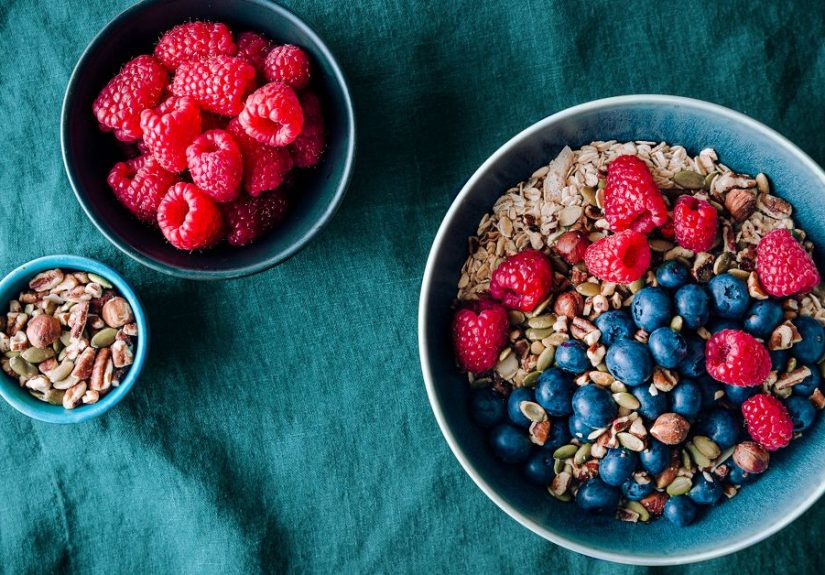
How to eat it: Stir frozen berries into hot oats, microwave them for a quick “compote,” or add them to
plain yogurt with chopped nuts for a snack that actually sticks with you.
3) Dark Leafy Greens: Kale, Spinach, Swiss Chard, Collards
Leafy greens deliver vitamins A, C, and K, plus folate and fiber. If salads feel like punishment in winter, cook them.
Sautéed greens become tender, less bitter, and way more compatible with cozy food.
How to eat it: Add spinach to soups, stir kale into pasta at the end, or sauté greens with garlic and
olive oil as a side dish.
4) Cruciferous Vegetables: Broccoli, Brussels Sprouts, Cabbage, Cauliflower
These veggies are fiber-rich and provide vitamin C and other plant compounds. They also hold up well in winter cooking:
roasting, stir-frying, and soup-making. Brussels sprouts have a redemption arc once you roast them properly (high heat,
enough oil, and don’t overcrowd the pan).
How to eat it: Roast broccoli and Brussels sprouts, shred cabbage for crunchy slaw, or use cauliflower
in curries and soups.
5) Orange Veggies and Roots: Sweet Potatoes, Carrots, Winter Squash
Sweet potatoes, carrots, pumpkin, and butternut squash are rich in beta-carotene (which your body can convert to vitamin A).
Vitamin A supports the health of your skin and mucous membranesyour body’s front-line “barrier” systems.
How to eat it: Roast cubes of squash, mash sweet potatoes with cinnamon, or blend carrots into soup for
creamy texture without needing heavy cream.
6) Mushrooms: A Winter-Friendly Vitamin D Helper
Vitamin D is tricky because few foods naturally contain much of it. Mushrooms can contribute (especially those exposed
to UV light), and they’re easy to toss into everything from omelets to stir-fries. They also add that savory “umami”
flavor that makes healthy meals feel less like a chore.
How to eat it: Sauté mushrooms for tacos, add to soups, or roast them on a sheet pan with onions and
herbs for a simple side.
7) Fatty Fish: Salmon, Sardines, Trout, Herring
Fatty fish is the celebrity of “eat this in winter” lists for good reason: it provides omega-3 fatty acids (linked to
healthy inflammatory responses) and is among the best natural food sources of vitamin D. If fish isn’t your thing, don’t
force it dailyaim for a couple times a week and use other options on the remaining days.
How to eat it: Sheet-pan salmon with roasted broccoli, canned sardines on whole-grain toast with lemon,
or tuna mixed with Greek yogurt and herbs.
8) Fortified Foods: Milk, Yogurt, Plant Milks, Some Cereals
Because vitamin D is limited in natural foods, fortified foods can be helpfulespecially in winter. Fortified milk,
yogurt, some plant-based milks, and certain cereals can contribute vitamin D (and calcium, depending on the product).
How to eat it: Use milk or fortified soy milk in oatmeal, choose yogurt with live cultures, or pair a
fortified cereal with fruit and nuts (watch added sugar).
9) Yogurt and Fermented Foods: Kefir, Sauerkraut, Kimchi, Miso
Your gut and immune system communicate constantly. Probiotic foods (those containing beneficial live microbes) and
prebiotic foods (fibers that help feed those microbes) can support a healthier gut environment. Not every fermented food
automatically contains live cultures (some are heat-treated), but many doespecially yogurt with live active cultures and kefir.
How to eat it: Add kimchi to grain bowls, whisk miso into soups, top tacos with sauerkraut, or snack on
yogurt with berries and seeds.
10) Beans and Lentils: Cheap, Cozy, and Seriously Useful
Legumes bring protein, iron, zinc (in smaller amounts than meat but still meaningful), and a lot of fiber. They’re also
perfect in winter meals: chili, lentil soup, bean stews, and hearty grain bowls.
How to eat it: Make lentil soup, add white beans to pasta, blend chickpeas into hummus, or build a quick
chili using canned beans and canned tomatoes.
11) Whole Grains: Oats, Barley, Brown Rice, Quinoa
Whole grains provide steady energy and fiber, which can help regulate appetite and support gut health. In winter, they
also make meals feel comforting without relying on refined flour every time.
How to eat it: Overnight oats (or hot oats), barley soup, brown rice bowls, or quinoa mixed with roasted
veggies and a lemony dressing.
12) Nuts and Seeds: Tiny Packages of Zinc, Vitamin E, and Healthy Fats
Almonds, walnuts, pistachios, pumpkin seeds, sunflower seeds, chia seeds, and flaxseed can help you add protein, healthy
fats, and key micronutrients like vitamin E and zinc. They also make “I’m hungry” moments easier to handle without
defaulting to candy.
How to eat it: Add chia or ground flax to oatmeal, sprinkle pumpkin seeds on salads and soups, or keep a
small bag of mixed nuts for travel days.
13) Garlic, Onions, Ginger: The Flavor Trio That Also Pulls Its Weight
Garlic and onions are classic prebiotic foods (they help feed beneficial gut microbes). Ginger can be soothing in warm
drinks or soups and adds bright flavor to winter cooking. Are these “cure-alls”? No. But they’re easy to use and make
healthy meals taste like real food instead of a nutrition lecture.
How to eat it: Start soups with onion and garlic, add ginger to stir-fries, or steep ginger slices with
lemon in hot water for a simple warm drink.
14) Soups and Broths: Hydration You Can Eat With a Spoon
Winter dehydration is sneaky because you don’t feel as thirsty when it’s cold. Soup helps: it’s warm, comforting, and a
great vehicle for vegetables, beans, lean proteins, and whole grains. Chicken soup has legendary status for a reasonit’s
easy to digest and helps you get fluids and electrolytes when you’re under the weather.
Winter Meal Ideas That Don’t Taste Like Punishment
Breakfast
- Hot oats with frozen berries, walnuts, and cinnamon
- Greek yogurt with kiwi, pumpkin seeds, and a drizzle of honey
- Egg scramble with spinach, mushrooms, and whole-grain toast
Lunch
- Lentil soup + side salad (or sautéed greens if you’re not in a salad mood)
- Grain bowl with brown rice, roasted squash, chickpeas, and tahini-lemon sauce
- Tuna + white bean salad with olive oil, lemon, and herbs
Dinner
- Sheet-pan salmon with broccoli and sweet potatoes
- Turkey or bean chili with cabbage slaw on the side
- Stir-fry with tofu or chicken, mixed frozen veggies, ginger, and garlic over quinoa
Snacks
- Orange + handful of almonds
- Yogurt with berries
- Apple slices with peanut butter
- Roasted chickpeas or pumpkin seeds
Smart Winter Grocery Strategies (Because Life Is Busy)
Winter is not the time to make eating well harder than it needs to be. A few practical strategies make a big difference:
- Lean on frozen produce: Keep frozen berries, spinach, broccoli, and mixed vegetables. They’re convenient,
reduce waste, and make “no fresh veggies left” a non-issue. - Choose low-sodium canned basics: Beans, lentils, tomatoes, and broth make quick soups and stews.
Rinse canned beans to reduce sodium. - Batch-cook one cozy base: Make a pot of soup, chili, or cooked grains once, then remix it all week with
different toppings (greens, yogurt, citrus, seeds, hot sauce). - Build a winter snack drawer: Nuts, seeds, fruit, shelf-stable tuna, whole-grain crackersso your snack
choices don’t come down to “cookies or more cookies.”
Common Winter “Healthy Eating” Traps (And Better Swaps)
- Trap: Juice as your main fruit.
Swap: Whole fruit (fiber matters). If you drink juice, keep portions modest and pair with protein. - Trap: Skipping protein at breakfast.
Swap: Add yogurt, eggs, nut butter, or chia/flax to keep energy steadier. - Trap: “I’ll just take a megadose supplement.”
Swap: Food-first when possible, and talk to a clinician if you suspect a deficiency (especially vitamin D). - Trap: Turning every beverage into dessert.
Swap: Try hot tea with lemon, warm milk, or coffee with cinnamon and a splash of milk instead of
a sugar-heavy drink every day.
500-Word Winter Food Experience: What Winter-Healthy Eating Actually Feels Like
If you’ve ever tried to “eat healthier” in January, you know the vibe: the weather is rude, the sun clocks out early, and
your body wants warm, salty, comforting food on repeat. The good news is that winter-healthy eating doesn’t need to feel
like you’re chewing on sadness. It can feel like building a personal cozy survival kitone you actually enjoy opening.
For many people, the first win is swapping “random snacks” for “planned snacks.” It sounds boring, but it’s life-changing.
When a bowl of citrus is sitting on the counter, or a container of yogurt is ready in the fridge, you’re less likely to
tumble into the pantry like a confused raccoon at 9 p.m. And the funny thing is, once you start eating more fiber and
protein during the dayoats at breakfast, beans in a soup, nuts with fruityour cravings tend to get less dramatic. You
still want something sweet sometimes, but it stops feeling like an emergency.
Then there’s the “warmth factor.” Winter meals that keep you consistent are usually hot meals: soups, stews, roasted
vegetables, oatmeal, and stir-fries. A pot of lentil soup can feel like a cheat code: it’s filling, affordable, and it
makes your kitchen smell like you have your life together (even if your laundry situation says otherwise). Plus, soup is
forgiving. You can toss in frozen spinach, canned beans, leftover chicken, random carrotswhatever you haveand it still
comes out tasting like you planned it.
People also notice that winter eating gets easier when they stop chasing “perfect” produce. Fresh berries may be pricey,
but frozen berries are reliable. Fresh greens might wilt, but frozen spinach shows up ready to work. And if you keep
basics like canned tomatoes, low-sodium broth, and a bag of mixed vegetables, you can make a decent meal even when your
brain is operating at 12% battery.
Another common experience: vitamin D becomes the quiet background character in winter. You might not “feel” vitamin D,
but people often notice their energy and mood dip when sunlight disappears for weeks. That’s why winter-friendly sources
like fatty fish, fortified milk or plant milks, eggs, and mushrooms can be helpful to include regularly. Not as a magic
mood potionjust as part of a steady routine that supports overall wellness.
Finally, winter eating feels most sustainable when it keeps comfort in the picture. Roasted sweet potatoes with cinnamon,
yogurt with warm berries, salmon with garlicky greens, a mug of miso soupthese foods are both nourishing and cozy. The
real “secret” isn’t restriction; it’s making healthy foods taste good enough that you genuinely want them again tomorrow.
Conclusion: Your Winter “Stay-Healthy” Game Plan
The best winter foods aren’t exotic powders or complicated plans. They’re the reliable, everyday staples that deliver
vitamin C (citrus, kiwi, berries), vitamin D support (fatty fish and fortified foods), zinc (seafood, meat, beans, seeds),
omega-3s (fatty fish, flax, chia, walnuts), and plenty of fiber (vegetables, legumes, whole grains). Add fermented foods
and warm soups for gut support and hydration, and you’ve got a winter routine that’s realistic and effective.
Start with one or two upgradeslike oats + berries for breakfast, soup for lunch, or salmon once a weekand let consistency
do the heavy lifting. Your immune system doesn’t need a dramatic makeover. It needs steady support… and maybe fewer days
where dinner is “chips, but emotionally.”