Table of Contents >> Show >> Hide
- What Is a “Basic Tray,” Exactly?
- Why a Tray Works: The “Contained Clutter” Effect
- How to Choose the Right Basic Tray
- 10 Smart Ways to Use a Basic Tray at Home
- 1) Coffee table “control center”
- 2) Entryway catchall (the key to not losing keys)
- 3) Bathroom countertop tidy-up
- 4) Kitchen island station
- 5) Bar cart or drink corner
- 6) Snack night, upgraded
- 7) Bedside “nightstand sanity”
- 8) Desk and homework zone
- 9) Outdoor entertaining, less breakage
- 10) Buffet and holiday helper
- How to Style a Basic Tray Without Overthinking It
- Care and Cleaning: Keep Your Tray Looking Good
- DIY Basic Tray: A Simple Weekend Project
- A Quick Buying Checklist (So You Don’t End Up With a Tray You Hate)
- Real-Life Experiences With a Basic Tray (The Relatable Part)
- Conclusion: Start With One Tray and One Job
A basic tray is one of those humble household items that quietly does the most. It carries coffee. It
turns a messy counter into a “styled moment.” It keeps your keys from vanishing into the mysterious dimension where
single socks and lip balms go to retire. And when guests come over? A tray is the difference between “I’m hosting”
and “Please ignore the chaos; it lives here now.”
The best part: you don’t need a designer budget or a twelve-step “tray philosophy.” You just need one solid tray and
a clear job for it to do. This guide breaks down what a basic tray is, how to pick the right one, how to style it
without turning your coffee table into a museum exhibit, and how to use trays for real-life organization (the kind
that survives weekdays).
What Is a “Basic Tray,” Exactly?
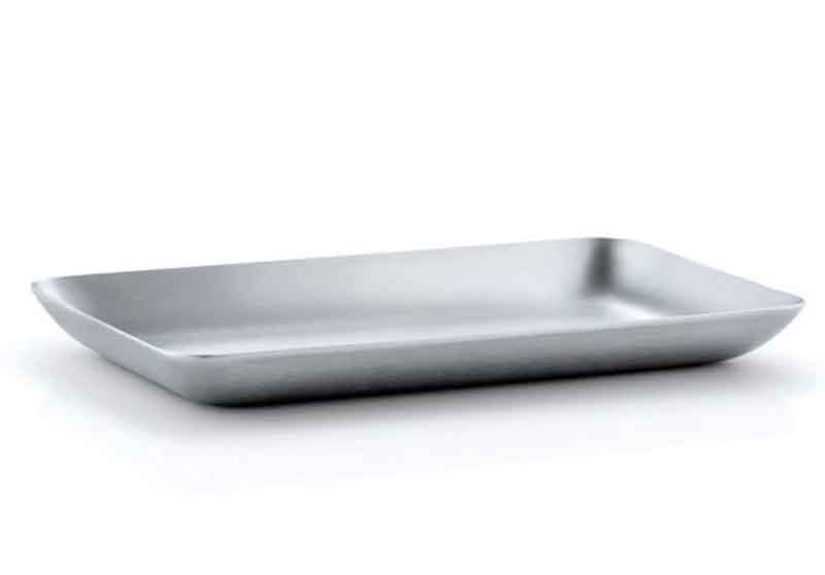
“Basic” doesn’t mean boring. It means reliable, versatile, and simple enough to work anywhere. A basic tray is
typically a flat surface with a raised edge (or lip) that helps contain items. Some have handles. Some are decorative.
Some are purely practical. The best ones can do both.
The three most common “basic tray” types
- Serving tray: Built to carry food and drinks from kitchen to table (or couch to happy place).
- Catchall tray: A small tray that corrals daily essentialskeys, sunglasses, earbuds, loose change.
- Display tray: A slightly larger tray used for styling surfacescoffee table, ottoman, dresser, kitchen island.
Why a Tray Works: The “Contained Clutter” Effect
Trays are organization’s easiest cheat code because they create boundaries. Instead of dozens of items
floating around a surface, a tray says: “Everything in here is intentional.” Even if what’s inside is… a TV remote,
three hair ties, and a mysterious Lego you’ve stepped on twice.
There’s also a practical advantage: a tray turns lots of tiny clean-up moves into one big one. Wipe the surface? Lift
the tray. Reset the room? Pick up the tray and relocate it. Hosting? Put snacks on a tray and suddenly it looks like
you planned your life.
How to Choose the Right Basic Tray
1) Size and shape: match the job
Think about where the tray will live and what it needs to hold. A tray for an entryway console can be small and
compact. A tray for a coffee table should be large enough to anchor a few items but not so large that it eats the
whole table like a hungry Roomba.
- Small (6–10 inches): catchall for keys, rings, earbuds.
- Medium (12–16 inches): bathroom or kitchen counter station.
- Large (18+ inches): coffee table styling, party serving, bar setup.
Shape matters, too. Rectangular trays feel structured and classic. Round trays soften a boxy room and work especially
well on square or rectangular tables.
2) Material: choose your “maintenance personality”
Your tray should fit your real life, not your fantasy life. Here are the common materials and what they’re best for:
-
Wood (bamboo, acacia, oak): warm, timeless, great for decor and serving dry snacks. Usually hand-wash
only; occasional oiling helps keep it looking good. -
Metal (stainless steel, aluminum, powder-coated): durable, modern, easy to wipe; great for bar trays
and busy kitchens. -
Melamine: lightweight and outdoor-friendly; often dishwasher-safe, but typically not microwave- or
oven-safe. - Acrylic: sleek, visually “light,” and great for small spaces; can scratch if cleaned with abrasive tools.
-
Ceramic/stone: heavier and more “special,” great for servingware and centerpieces; check heat ratings
if you want oven-to-table use.
3) Edges and handles: the unsung heroes
A slightly raised edge keeps items from sliding and helps contain spills. Handles make the tray easier to carry,
especially if you’ll use it for drinks. If your tray’s main job is styling (not transport), you can skip handles for a
cleaner look.
4) Food-safe and heat-safe: don’t guess
If you plan to use a basic tray for food, make sure the finish is food-safe. And if you want “oven-to-table” serving,
look for items explicitly rated for oven temperatures. (Some ceramic servingware is designed for this; many trays are
decorative only.) When in doubt, use parchment paper or a liner for food, especially on decorative trays.
10 Smart Ways to Use a Basic Tray at Home
1) Coffee table “control center”
A tray is the easiest way to keep a coffee table functional without looking cluttered. Add coasters, a candle, and one
“soft” element (a small plant or a small bowl). Keep enough open space to actually set down a drinkbecause the whole
point is living, not staging.
2) Entryway catchall (the key to not losing keys)
Put a small tray near the door for keys, sunglasses, and whatever you need every day. The tray becomes a “landing
pad,” which is a fancy way of saying it stops your stuff from migrating across the house like it pays rent.
3) Bathroom countertop tidy-up
A tray on the bathroom counter can hold soap, lotion, a small towel, and one extra item (like a candle) for a clean,
hotel-ish look. It also makes wiping the counter faster: lift tray, wipe, done.
4) Kitchen island station
Use a tray to group the things you reach for dailyolive oil, salt, pepper, and a small utensil crock. It keeps the
island from looking like a cooking show exploded, while still being practical.
5) Bar cart or drink corner
Trays are perfect for gathering glassware, cocktail napkins, and tools in one place. If you don’t have a bar cart, a
tray on a small table can create a “mini bar” instantly. Bonus: you can carry the whole setup to the patio in one trip.
6) Snack night, upgraded
For casual entertaining, a basic tray makes snacks feel intentional: chips and salsa, cookies, fruit, or a quick
cheese-and-cracker situation. If you’re short on serving platters, a lined sheet pan can also work in a pinch (and it
holds a lotlike, “neighbors showed up too” a lot).
7) Bedside “nightstand sanity”
A small tray on a nightstand keeps essentials from scattering: reading glasses, hand cream, lip balm, and a charger.
It also prevents the dreaded middle-of-the-night floor fumble when you knock something off the edge.
8) Desk and homework zone
A tray can hold pens, sticky notes, and chargers so your desk doesn’t turn into a cable jungle. If you work at the
kitchen table, a tray makes it easy to “pack up” and reclaim the space for meals.
9) Outdoor entertaining, less breakage
For patios and pool days, melamine and sturdy plastic trays shine. They’re lightweight, less likely to shatter, and
easy to clean. It’s a small switch that makes outdoor hosting feel calmer.
10) Buffet and holiday helper
Use a tray to group serving utensils, napkins, or condiments. It keeps a buffet line looking organized and reduces the
“Where’s the spoon?” moment that happens approximately every 2.7 minutes at any gathering.
How to Style a Basic Tray Without Overthinking It
Styling a tray isn’t about filling every inch. It’s about creating a simple, balanced grouping that feels useful.
Here are a few low-stress rules that work in real homes:
Start with a “hero” item
Pick one main piece: a vase, a small plant, a stack of books, or a bowl. This anchors the tray. Everything else is
supporting cast, not competing lead actor.
Mix heights and textures
Combine something tall (vase), something medium (candle), and something low (coasters or a small dish). Mixing
materialswood, glass, ceramic, metaladds visual interest without needing more stuff.
Leave landing space
If your tray lives on a coffee table, leave room for a drink. If it lives on a kitchen counter, make sure you can
still set down a cutting board. A tray should make life easier, not create a “do not touch” zone.
Rotate seasonally, not constantly
Swap one or two elements with the season: a pine sprig in winter, a small bunch of tulips in spring, citrus in summer,
or a mini pumpkin in fall. Keep the tray itself consistent so it still feels “basic” and useful.
Care and Cleaning: Keep Your Tray Looking Good
Wood trays
- Hand-wash quickly with mild soap; don’t soak.
- Dry immediately to prevent warping.
- Refresh occasionally with a food-safe oil (like mineral oil) if the wood looks dry or dull.
Metal trays
- Wipe with warm, soapy water; dry to prevent spots.
- Check whether it’s dishwasher-safesome finishes prefer hand-washing.
Melamine and acrylic trays
- Often easy to clean; many are dishwasher-safe (top rack is common).
- Avoid harsh abrasives to prevent scratches, especially on acrylic.
- Don’t use melamine in the microwave or oven unless explicitly labeled safe.
Ceramic/stone trays
- Great for serving and centerpieces; heavier but stable.
- If you want heat use, confirm oven-safe ratings before you treat it like a baking dish.
DIY Basic Tray: A Simple Weekend Project
If you can measure, sand, and resist the urge to “just eyeball it,” you can make a basic tray that looks custom.
Here’s a simple approach that works for most homes:
What you’ll need
- A flat board (pine, plywood, or hardwood), cut to size
- Trim pieces for the raised edge (thin wood strips)
- Wood glue and small nails (or a brad nailer)
- Sandpaper (medium and fine grit)
- Handles (optional) and screws
- Finish: food-safe oil for a natural look, or a durable clear coat for heavier use
Simple build steps
- Pick the job: coffee table tray (bigger) or catchall tray (smaller).
- Sand first: smooth the board edges so it feels finished.
- Add the lip: glue and nail trim around the edges to create a raised border.
- Attach handles (optional): place them where your hands naturally grip.
- Finish: apply oil or a clear coat; let it cure fully before using for food.
Want a quick “fancy” moment without fancy skills? Add a removable liner: parchment for food, a piece of washable
fabric for decor, or a thin mat for bar tools. The tray stays basic, but it adapts.
A Quick Buying Checklist (So You Don’t End Up With a Tray You Hate)
- Does it fit the surface? Measure the table or counter first.
- Will you carry it? If yes, prioritize handles and a grippy edge.
- How will you clean it? Choose a material that matches your tolerance for maintenance.
- Indoor or outdoor? If it’s for the patio, go lighter and more durable.
- Do you want it to disappear or stand out? Neutral blends; bold turns the tray into decor.
Real-Life Experiences With a Basic Tray (The Relatable Part)
People don’t usually buy a tray thinking it will change their daily routine. Then the tray shows up and suddenly
surfaces behave. Here are a few common experiences that tend to happen when a basic tray gets a real job:
1) The entryway “where are my keys?” saga ends
One of the most common tray victories is the key problem. The tray goes by the door, and at first,
it feels almost too simple to work. Then you notice something: mornings get faster. You’re not doing the frantic
pocket-patting dance, checking the couch cushions like they owe you money, or accusing the universe of petty theft.
A catchall tray becomes a habit-builder because it’s frictionless. Drop items in. Pick items up. Repeat. The tray
doesn’t judge. It just holds the proof that you’re trying.
2) The coffee table becomes usable again (and still looks good)
A lot of people discover that a coffee table tray is basically a peace treaty between “I want it pretty” and “I live
here.” Remotes stop wandering. Coasters stop getting lost. A candle and a small plant add the vibe without demanding
constant upkeep. The surprising part is how the tray makes the whole room feel calmer, even though the objects didn’t
disappearthey simply joined the same group chat. And when you need space for pizza night? The tray lifts and moves in
one go. Convenience, but make it decorative.
3) Hosting feels less chaotic because everything has a “station”
When people start using trays for hosting, they often realize the secret is not more stuffit’s grouping.
Napkins and utensils in one tray. Drinks in another. Condiments in a third. Suddenly guests can find what they need
without asking, and you’re not running back and forth like a very polite, slightly sweaty squirrel. Trays also help
with the “I ran out of counter space” reality. A tray creates a portable surface: carry snacks to the living room,
set it down, and your spread looks intentional (even if it was assembled at the speed of panic).
4) The bathroom gets the “hotel counter” upgrade
People often try a bathroom tray because they’re tired of little bottles and tubes lining up like they’re waiting for
a concert. The tray instantly makes the counter easier to clean, but it also makes the space feel more put together.
Soap, lotion, maybe a folded hand towel: simple, tidy, done. The tray becomes a boundary that prevents “counter creep,”
where every new product slowly colonizes available space. And if you share a bathroom, trays can quietly reduce
arguments because everyone knows where things belong (or at least, where things should belong).
5) The “I need a drop zone” moment happens everywhere
Once someone gets one tray working, they start seeing tray opportunities everywhere: a bedside tray for glasses and a
charger, a desk tray for pens and cables, a kitchen tray for oils and spices, even a tray near the door for mail.
The experience is usually the same: fewer loose items, faster resets, and less visual noise. The tray doesn’t solve
everythinglaundry still exists, sadlybut it makes daily clutter less slippery. And that’s the magic of a basic tray:
it’s not trying to be the star. It’s trying to make the rest of your life easier to manage.
Conclusion: Start With One Tray and One Job
A basic tray is a simple tool with outsized impact. It organizes without demanding perfection, styles
without screaming for attention, and helps you host without turning into a full-time event planner. If you’re not sure
where to begin, pick one tray and assign it one job: entryway catchall, coffee table control center, bathroom tidy-up,
or kitchen station. When that tray starts earning its keep, adding a second one won’t feel like “more stuff.” It’ll
feel like a smart upgrade.