Table of Contents >> Show >> Hide
- Why This Basic Meatballs Recipe Works
- Ingredients for Basic Meatballs
- Step-by-Step: How to Make Basic Meatballs
- How to Cook Meatballs (Choose Your Adventure)
- Quick Tomato Sauce (Optional, But Highly Encouraged)
- Serving Ideas That Don’t Feel Like an Afterthought
- Troubleshooting: Common Meatball Problems (And Fixes)
- Make-Ahead, Storage, and Freezing
- Easy Variations (Without Losing the “Basic” Soul)
- Frequently Asked Questions
- Real-Life Meatball Experiences (The 500-Word Part You’ll Recognize)
- Conclusion
Meatballs are the culinary equivalent of a good pair of sneakers: dependable, comfortable, and somehow appropriate for everything from weeknight spaghetti to party appetizers. A basic meatballs recipe doesn’t need fancy tricksjust a few smart choices that keep the texture tender, the flavor bold, and the process blissfully low-drama.
This guide gives you a classic, American-Italian–style homemade meatballs base with clear options: bake them, broil them, or sear and simmer them in sauce. You’ll also get the “why it works” breakdown (so you can improvise with confidence), troubleshooting tips, storage guidance, and a longer end section of real-life kitchen experiences you’ll absolutely recognize.
Why This Basic Meatballs Recipe Works
Great meatballs are less about secret ingredients and more about texture management. Here’s what matters:
- A panade (bread + milk) keeps meatballs moist and tender. Instead of dry crumbs stealing moisture from the meat, the bread hydrates first and melts into the mixture.
- Gentle mixing prevents toughness. The more you knead, the more you build a springy, bouncy texture (fine for a bouncy ball; less adorable in dinner).
- A blend of meats gives better flavor and juiciness than ultra-lean single-meat mixtures. Beef brings beefy backbone; pork contributes richness.
- High heat browning adds depth. Whether you broil, bake on a rack, or sear in a skillet, browning is where the “why does this taste restaurant-y?” magic happens.
Ingredients for Basic Meatballs
This list is intentionally simple. You can make it tonight without visiting three specialty stores and a fourth store that sells “hand-harvested artisanal oregano” for $12.
Meat
- 1 pound ground beef (80/20 is ideal)
- 1/2 pound ground pork (or mild Italian sausage, casings removed, for extra seasoning)
Panade (the tenderness MVP)
- 3/4 cup fresh breadcrumbs (or soft bread torn into small pieces)
- 1/3 cup milk (whole milk is best; any milk works)
Flavor + binding
- 1 large egg
- 1/2 cup finely grated Parmesan (plus more for serving)
- 1/3 cup finely chopped parsley (or 2 tablespoons dried parsley)
- 2 cloves garlic, minced (or 1 teaspoon garlic powder)
- 1/2 small onion, finely grated or minced (optional but recommended)
- 1 1/4 teaspoons kosher salt
- 1/2 teaspoon black pepper
- Optional: 1/4 teaspoon dried oregano, pinch of red pepper flakes, tiny pinch of nutmeg
For cooking
- Olive oil (if pan-searing)
- Marinara or tomato sauce (if simmering in sauce)
Step-by-Step: How to Make Basic Meatballs
Step 1: Make the panade (5 minutes, big payoff)
In a large bowl, combine the breadcrumbs and milk. Stir and let it sit for 5 minutes until the bread is fully moistened. It should look like soft, shaggy porridge. If it looks dry, add another splash of milk.
Step 2: Add everything elsethen mix like you’re handling a baby bird
To the same bowl, add the beef, pork, egg, Parmesan, parsley, garlic, onion (if using), salt, pepper, and any optional seasonings.
Mix with your hands just until combined. Stop when the mixture holds together and looks evenly distributed. If you keep going, the meatballs will keep that information and report it to your teeth later.
Step 3: Shape evenly (because “one is raw, one is dry” is not a fun dinner game)
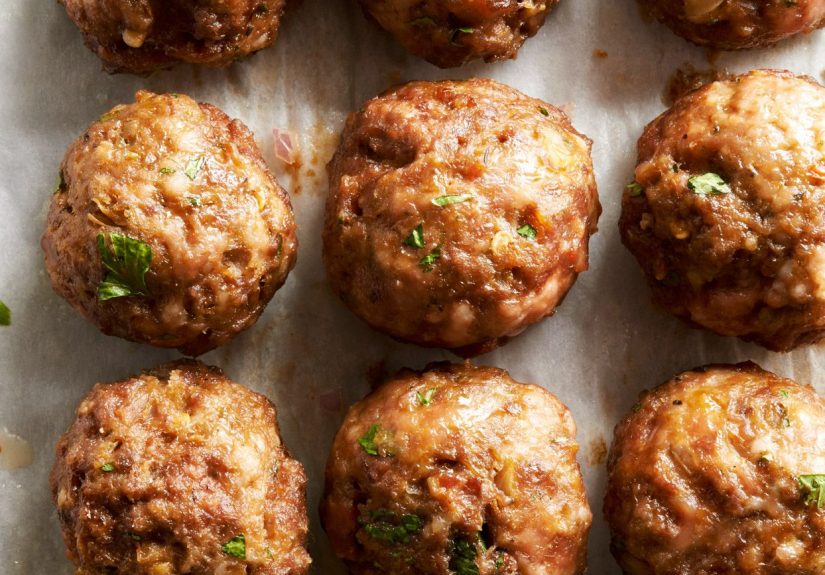
With damp hands, roll into 1 1/2-inch meatballs (about 2 tablespoons each). You should get 20–24 meatballs depending on size.
Optional Step 4: Chill for better shape
If you have time, refrigerate the shaped meatballs for 15–30 minutes. This firms them up and makes them less likely to flatten or crack while cooking. If you don’t have time, you can cook immediatelylife is busy and meatballs are forgiving.
How to Cook Meatballs (Choose Your Adventure)
All three methods work. Your decision depends on how much you care about cleanup, browning, and whether you feel like standing next to a stove like a proud meatball lifeguard.
Option A: Bake (easiest, minimal babysitting)
- Heat oven to 400°F.
- Place meatballs on a rimmed baking sheet. For best browning, set them on a wire rack over the sheet (airflow = better color).
- Bake 18–22 minutes for 1 1/2-inch meatballs, until browned and cooked through.
- Check doneness with a thermometer. For safety, ground meat should reach 160°F; ground poultry should reach 165°F. If you want one easy rule for mixed-meat meatballs, aim for 165°F.
Baking is the best choice when you’re making a double batch for freezer meatballs or feeding a crowd without turning the kitchen into an oil-splatter crime scene.
Option B: Broil (fast browning, big flavor)
- Set oven to broil and position rack about 6 inches from the heat.
- Arrange meatballs on a foil-lined sheet (or rack-over-sheet).
- Broil 6–10 minutes, turning once, until deeply browned. If finishing in sauce, broil until nicely colored but not fully cooked through.
Broiling gives you that savory, caramelized surface quicklyperfect when you want sauce-ready meatballs with a bold “Sunday dinner” vibe on a Tuesday.
Option C: Pan-sear, then simmer in sauce (classic and cozy)
- Heat a thin layer of olive oil in a large skillet over medium-high heat.
- Brown meatballs in batches, turning carefully, until they develop a golden crust (about 2–3 minutes per side).
- Transfer to a pot of gently simmering tomato sauce and cook 20–30 minutes, stirring occasionally, until cooked through and tender.
This method gives you the best of both worlds: browned flavor from the skillet and tender, saucy comfort from the simmer. Plus, simmering helps the meatballs and sauce taste like they’ve been friends for years.
Quick Tomato Sauce (Optional, But Highly Encouraged)
If you already have a favorite marinara, use it. If not, here’s a simple version that’s weeknight-friendly:
- 2 tablespoons olive oil
- 3 cloves garlic, sliced
- 1 (28-ounce) can crushed tomatoes
- Salt and pepper
- Optional: pinch of sugar, red pepper flakes, basil
Warm olive oil in a pot, briefly cook garlic until fragrant, add tomatoes, season, and simmer 15–20 minutes. Add browned meatballs and continue simmering until fully cooked and tender.
Serving Ideas That Don’t Feel Like an Afterthought
- Spaghetti and meatballs: Toss pasta with a bit of sauce first, then top with meatballs and more sauce.
- Meatball subs: Toast rolls, add meatballs + sauce, cover with mozzarella, broil until bubbly.
- Appetizer style: Make smaller meatballs, glaze or sauce them, and serve with toothpicks.
- Bowls: Meatballs over polenta, mashed potatoes, rice, or even a big salad.
Troubleshooting: Common Meatball Problems (And Fixes)
“My meatballs are tough.”
Usually from overmixing or using very lean meat. Next time, mix gently and consider a fattier blend. The panade helps, but it can’t undo a 90-second full-body workout on the mixture.
“They’re falling apart.”
You may need a bit more binder. Make sure the egg is well distributed, and don’t skip the panade. Chilling the shaped meatballs also helps them hold their shape.
“They’re dry.”
Lean meat + overcooking is the classic combo. Use beef with some fat, avoid baking too long, and confirm doneness with a thermometer instead of vibes.
“They taste bland.”
Increase salt slightly, add Parmesan, use fresh herbs, and don’t underestimate grated onion/garlic. Browning also boosts flavorpale meatballs are sad meatballs.
Make-Ahead, Storage, and Freezing
Meatballs are meal-prep superheroes. Here’s how to keep them safe and tasty:
Refrigerator
- Store cooked meatballs (with or without sauce) in a sealed container in the refrigerator for 3–4 days.
- Cool leftovers quickly: get them into the fridge within about 2 hours of cooking.
Freezer
- For easiest future dinners, freeze cooked meatballs on a sheet pan until firm, then transfer to a bag or container (this prevents one giant meatball iceberg).
- Frozen food kept at 0°F stays safe indefinitely, but for best quality, aim to use frozen meatballs within 2–4 months.
- Reheat in sauce at a gentle simmer or warm in a 325°F oven until hot throughout. If reheating leftovers, many food safety guidelines recommend reheating to 165°F.
Easy Variations (Without Losing the “Basic” Soul)
All-beef meatballs
Use 1 1/2 pounds ground beef. Choose a fattier grind and don’t overbake. Consider adding a tablespoon of olive oil to the mix for extra richness.
Turkey meatballs
Turkey can be lean, so keep the panade, consider adding a spoonful of ricotta, and cook to 165°F.
Extra-herby “garden” meatballs
Add chopped basil, a little lemon zest, and swap half the parsley for fresh mint. (Suddenly it’s “elevated.”)
Frequently Asked Questions
Do I have to use fresh breadcrumbs?
No. Fresh breadcrumbs (or soft bread) often give a lighter texture, but dry breadcrumbs work too. If using dry crumbs, be sure they’re fully moistened by the milk before adding meat.
Can I skip the cheese?
You can, but Parmesan adds both flavor and savory depth. If skipping, add a bit more salt and consider extra herbs or a pinch of garlic powder.
How do I keep the mixture from sticking to my hands?
Damp hands. A small bowl of water nearby is the simplest fix. Also: don’t panic if the mixture feels softsoft mixtures often bake up tender.
Real-Life Meatball Experiences (The 500-Word Part You’ll Recognize)
The first time you make a basic meatballs recipe, the bowl will look suspiciously like “not enough stuff to become dinner,” and thenfive minutes lateryou’ll be rolling perfect little orbs like you’ve joined a delicious craft club. That’s the meatball glow-up. The not-so-glamorous part is that your hands will become lightly coated in a paste that feels like it wants to move into your fingerprints permanently. This is normal. Keep a small bowl of water nearby, dampen your hands between rolls, and accept that you will briefly live the life of a very seasoned sculptor.
You’ll also notice there’s a moment where the mixture feels too soft and you’ll be tempted to “fix it” by mixing more. That’s the classic meatball trap. The mixture should be softsoft is how you get tender. Overmixing is how you get “surprisingly bouncy.” If you’re worried, do the easiest confidence hack: pinch off a teaspoon of the mixture, flatten it into a tiny patty, and cook it in a skillet. Taste it. Adjust salt and pepper. Congratulations, you just turned a potential dinner regret into a controlled experiment.
Cooking is where your kitchen personality shows up. Baking feels like a calm, organized person’s method: everything on a tray, timer set, minimal chaos. Pan-searing is for the “I want that crust” crowdmore hands-on, more payoff, and yes, more tiny oil freckles on your stove that you’ll pretend you don’t see until tomorrow. Broiling is the wild card: fast browning, dramatic heat, and a strong reminder that food can go from “not brown enough” to “we need a new sheet pan” in about sixty seconds. If you broil, stay close. Meatballs are low-maintenance, not no-maintenance.
If you simmer meatballs in sauce, you’ll learn a sneaky truth: the sauce gets better because of the meatballs, and the meatballs get better because of the sauce. It’s a mutually beneficial relationship more stable than most group chats. You may also find that the next day’s leftovers taste even betterflavors settle, the sauce thickens slightly, and suddenly your lunch feels like you planned your life. (You did. You planned it with meatballs.)
Serving can be an experience too. Spaghetti and meatballs is the classic, but don’t underestimate the meatball sub. A toasted roll, warm meatballs, sauce that threatens to drip down your wrist, melted cheese stretching like it’s auditioning for a commercialthat’s not just food; that’s a small event. And if you’re feeding people, meatballs are secretly brilliant because they scale up easily. Double the batch, bake them all, freeze half, and you’ve essentially gifted your future self a weeknight rescue plan. Future you will be very grateful and may even do the dishes. (No promises.)
Finally, the most relatable meatball experience: the “where did they all go?” phenomenon. You make 24, you swear you made 24, and somehow the serving platter looks like it started with 12. That’s not a math problem. That’s a meatball success metric.
Conclusion
A reliable basic meatballs recipe is one of those kitchen skills that pays rent forever. Use the panade, mix gently, cook with confidence, and pick your preferred methodbaked meatballs for ease, seared-and-simmered meatballs for classic comfort, or broiled for fast browning. Once you’ve nailed the base, you can riff endlessly: swap meats, tweak herbs, change sauces, or freeze a batch for future-you emergencies. Meatballs aren’t just dinnerthey’re a plan.