Table of Contents >> Show >> Hide
- How to Choose the Best Patio Material (Without Overthinking It)
- Patio Materials, Explained (Pros, Cons, Costs, and “Gotchas”)
- 1) Poured Concrete (Broom Finish, Stained, or Stamped)
- 2) Concrete Pavers and Patio Stones
- 3) Brick Pavers (Classic, Charming, and Surprisingly Tough)
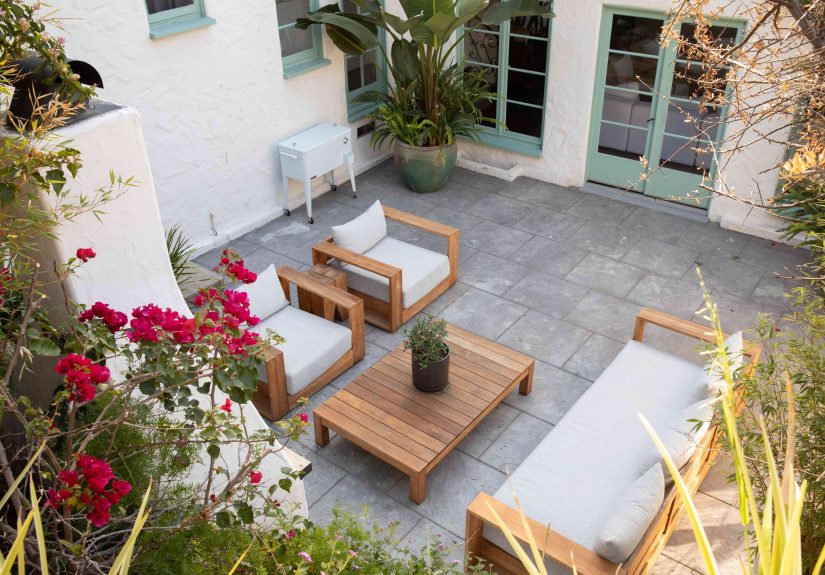
- 4) Natural Stone (Flagstone, Bluestone, Granite, Limestone, Travertine)
- 5) Porcelain Pavers and Outdoor Tile (Modern, Crisp, and Weather-Smart)
- 6) Gravel and Pea Gravel (Budget-Friendly, Fast, and Great for Drainage)
- 7) Decomposed Granite (DG): The “Gravel That Tries Harder” Option
- 8) Wood Decking vs. Composite Decking (Yes, It Can Be Your “Patio” Surface)
- 9) Permeable Pavers and “Rain-Friendly” Patio Systems
- Cost Comparison (Typical Installed Ranges)
- Maintenance: What You’re Actually Signing Up For
- Climate and Site Conditions: Match Material to Reality
- Design Ideas That Make Any Patio Look More Expensive
- Longevity Tips: How to Make Any Patio Material Last
- Conclusion: So, What’s the Best Patio Material?
- Real-World Experience: Lessons Homeowners Learn the Hard (and Funny) Way
- 1) The base is not the “boring part”it’s the whole game
- 2) “Perfectly flat” is a myth, and it’s not even desirable
- 3) If you grill a lot, plan for stains like an adult
- 4) Gravel is charming… until you meet your first windy day
- 5) Shade is a “material choice,” even if it’s not sold by the pallet
- 6) Mixed materials look custom when they’re intentional
- 7) The best patios are designed around how you move
Choosing a patio material is a lot like choosing a streaming service: there are too many options, each one swears it’s “low maintenance,”
and somehow the final bill is always higher than you expected. The good news? If you match the right surface to your climate, budget, and
how you actually live outdoors (not how you think you’ll live outdoors), you’ll get a patio that looks great and doesn’t punish you every spring.
This guide breaks down the best patio materialsconcrete, pavers, natural stone, brick, porcelain, gravel, decomposed granite, and even
decking alternativesso you can pick confidently and avoid classic mistakes like “I chose white stone under a maple tree” (leaf stains say hi).
How to Choose the Best Patio Material (Without Overthinking It)
Before you fall in love with a photo online, run every option through these real-world filters:
- Climate: Freeze-thaw cycles, heavy rain, extreme heat, and coastal salt all change the best choice.
- Drainage: If your yard turns into a small lake, porous and well-draining systems matter more than aesthetics.
- Maintenance tolerance: Be honest. Are you a “hose it off” person or a “reseal every two years” person?
- DIY vs. pro install: Some materials reward weekend warriors. Others reward calling someone with a plate compactor.
- Foot traffic and furniture: Dining chairs need stable, mostly level surfaces; loose gravel and wobbly tables are enemies.
- Budget (upfront and long-term): The cheapest install isn’t always the cheapest patio after 10 years.
A quick cheat code
- Best “set it and forget it”: concrete pavers, porcelain pavers
- Best premium look: natural stone (flagstone, bluestone, granite), quality brick
- Best budget: gravel, decomposed granite (DG), basic poured concrete
- Best drainage-friendly: permeable pavers, gravel, DG, permeable systems
Patio Materials, Explained (Pros, Cons, Costs, and “Gotchas”)
1) Poured Concrete (Broom Finish, Stained, or Stamped)
Concrete is the reliable sedan of patios: not always glamorous, usually practical, and it’s everywhere for a reason. A basic slab can be affordable,
durable, and easy to clean. Decorative upgradesstaining, scoring, stampingcan mimic stone or brick patterns without the individual-unit install time.
Why people love it:
- Cost-effective for large areas and simple shapes
- Easy cleaning (sweep, hose, occasional mild detergent)
- Design flexibility with color, texture, and stamped patterns
- Smooth transitions for rolling furniture (and generally better for accessibility than loose materials)
Watch-outs:
- Cracking happens. Good base prep, reinforcement, control joints, and drainage reduce itbut don’t promise “zero cracks.”
- Repairs are obvious, especially on stamped concrete where matching color and pattern is tough.
- Heat: dark-stained slabs can get hot in full sun.
- Sealing: stamped or decorative concrete often needs periodic resealing to protect color and resist stains.
Best for: big patios, modern looks, minimal weed worries, people who want a simple cleaning routine.
Pro tip: If slip resistance matters, ask for a broom finish or an appropriate textured finish (especially near pools or steps).
2) Concrete Pavers and Patio Stones
Concrete pavers are the crowd favorite for good reason: they balance cost, style, and repairability. Instead of one giant slab,
you’re building a “flexible” surfaceindividual units over a compacted base. That flexibility helps in freeze-thaw climates because
the patio can shift slightly without cracking like a single slab might.
Why people love them:
- Huge style range: colors, sizes, textures, patterns (herringbone, running bond, basket weave)
- Easier repairs: replace a few pavers instead of patching a whole surface
- DIY-friendly (with effort): the work is mostly excavation, leveling, and compaction
- Great for edges and curves with the right cuts and restraints
Watch-outs:
- Base prep is everything. Skimp here and you’ll get dips, wobble, and “why is my chair doing that?”
- Weeds: they can show up in joints if you ignore joint sand and maintenance.
- Stains: sealing can help, especially in outdoor dining zones.
Best for: most homes, most climates, people who want long-term flexibility and a high-end look without natural stone pricing.
3) Brick Pavers (Classic, Charming, and Surprisingly Tough)
Brick patios are the “always-in-style” option. Real clay brick tends to hold color well, feels warm and traditional, and fits everything
from colonial homes to modern gardensespecially when paired with clean landscaping lines.
Why people love it:
- Timeless look and a natural, warm color palette
- Durability when installed correctly
- Good traction thanks to texture and joint patterns
Watch-outs:
- Cost: brick can be pricier than basic concrete pavers.
- Edges and patterns require skill for a crisp finish.
- Weeds in joints are possible without proper joint sand and edging.
Best for: classic architecture, fire pit patios, and anyone who wants “cozy courtyard energy” on demand.
4) Natural Stone (Flagstone, Bluestone, Granite, Limestone, Travertine)
Natural stone is the patio equivalent of real hardwood floors: it’s gorgeous, it’s expensive, and it makes people say “wow” without trying.
Stone can be cut into uniform pavers or laid as irregular flagstone for a more organic look.
Popular stone choices:
- Flagstone: irregular shapes, natural texture, rustic to elegant depending on layout
- Bluestone / granite: dense, durable, great for harsher weather (often higher cost)
- Limestone: softer look, can be more sensitive to acids and staining
- Travertine: popular near pools because it can be comfortable underfoot and offers a naturally textured surface in many finishes
Why people love it:
- Unique variation: no two patios look exactly the same
- Premium curb appeal and strong resale “wow factor”
- Texture options for slip resistance and a natural feel
Watch-outs:
- Price: material and labor can jump fast, especially with thick stone, complex cuts, and mortar setting.
- Installation skill: a bad stone install is painfully obvious (lippage, rocking stones, poor drainage).
- Maintenance varies: sealing needs depend on stone type and exposure (food, oil, pool chemicals, freeze-thaw).
Best for: homeowners who prioritize aesthetics, longevity, and a high-end outdoor living space.
5) Porcelain Pavers and Outdoor Tile (Modern, Crisp, and Weather-Smart)
Porcelain pavers (often 2 cm thick) have become a favorite for modern patios because they can look like stone or concrete while offering
very low water absorption. That matters in freeze-thaw climates, where trapped moisture is the enemy of long-term durability.
Why people love them:
- Very low absorption helps with freeze-thaw performance
- Color consistency and clean, contemporary lines
- Stain resistance compared to many natural stones
- Versatile installation: can be set on a proper base, mortar bed, or pedestal systems (great for rooftop-style looks)
Watch-outs:
- Quality matters: look for outdoor-rated specs and finishes suitable for wet traction.
- Base prep still matters: porcelain is tough, but a bad base can lead to rocking and edge stress.
- Grout/joint choices affect maintenance and long-term appearance.
Best for: modern designs, freeze-thaw regions, and anyone who wants “stone look” with easier upkeep.
6) Gravel and Pea Gravel (Budget-Friendly, Fast, and Great for Drainage)
Gravel patios are the minimalist’s best friend and the landscaper’s “we can finish this quickly” secret weapon. They’re affordable,
drain well, and feel casual and charmingespecially with the right edging and a few stepping stones or a border.
Why people love them:
- Excellent drainage and fewer puddles
- Low upfront cost and quick installation
- Easy to refresh: add gravel instead of rebuilding everything
Watch-outs:
- Migration: gravel moves (shoes, pets, kids, wind, your own impatience).
- Furniture wobble without a stable base layer and the right gravel size.
- Accessibility: not ideal for wheels (strollers, wheelchairs) unless carefully designed.
- Weeds: landscape fabric helps, but weeds can still appear over time.
Best for: informal patios, fire pit zones, side yards, and homeowners who want a stylish patio on a realistic budget.
7) Decomposed Granite (DG): The “Gravel That Tries Harder” Option
Decomposed granite is finely crushed stone that can compact into a firmer surface than loose gravel. It’s popular in xeriscaping,
modern desert landscapes, and anywhere you want a natural look with better walkability than chunky rock.
Why people love it:
- Compacts well for a more stable walking surface
- Natural, soft color palette that blends with planting beds
- Permeable and generally drainage-friendly
Watch-outs:
- Dust and tracking: can be an issue in very dry weather or if not stabilized.
- Maintenance: may need occasional raking, top-ups, and edge management.
- Heavy rains: poor edging or slope can lead to washouts.
Best for: naturalistic designs, drought-tolerant yards, and people who want permeable performance without a fully engineered paver system.
8) Wood Decking vs. Composite Decking (Yes, It Can Be Your “Patio” Surface)
Not every outdoor living space needs to be at ground level. If your yard slopes, drains poorly, or you want a raised entertaining area,
a deck can function like a patio (and sometimes solve problems that pavers can’t).
Wood decking highlights:
- Lower upfront cost than many composites
- Natural look that’s hard to fake
- But: requires regular cleaning and periodic sealing/staining, especially in wet climates
Composite decking highlights:
- Lower routine maintenance (less sealing, less splinter drama)
- Moisture resistance and durability are big selling points
- But: typically higher upfront cost; heat and texture vary by product and color
Best for: sloped yards, elevated outdoor rooms, and homeowners who want patio vibes with deck engineering.
9) Permeable Pavers and “Rain-Friendly” Patio Systems
If you’ve ever watched water rush off your patio like it’s late for an appointment, permeable systems are worth a serious look.
Permeable pavements (including permeable interlocking pavers, pervious concrete, and grid systems) let water move through the surface
into a layered base, helping reduce runoff and filter pollutants.
Why people love them:
- Stormwater management: supports infiltration and reduces runoff
- Fewer puddles and improved drainage performance
- Can complement sustainable landscaping goals without sacrificing looks
Watch-outs:
- Design matters: soil type, base depth, and maintenance affect performance.
- Maintenance is different, not zero: you may need occasional vacuuming or cleaning to prevent clogging in joints.
Best for: rainy regions, runoff problems, eco-conscious projects, and homes with drainage constraints.
Cost Comparison (Typical Installed Ranges)
Patio pricing varies by region, site access, demolition needs, drainage work, and design complexity. Still, these ballpark ranges help you
compare materials without needing a spreadsheet (unless you enjoy that sort of thing).
| Material | Typical Installed Cost Range (per sq. ft.) | Best For |
|---|---|---|
| Gravel / Pea Gravel | $3–$7 | Budget + drainage |
| Basic Poured Concrete | $5–$12 | Simple, large areas |
| Stamped / Decorative Concrete | $10–$25+ | High style, single slab |
| Concrete Pavers | $10–$30 | Most homes, flexible repair |
| Brick Pavers | $15–$30+ | Classic look |
| Natural Stone (Flagstone/Stone Pavers) | $15–$35+ | Premium aesthetics |
| Porcelain Pavers | $12–$30+ | Modern + low absorption |
| Decking (Wood/Composite) | Varies widely | Elevated or sloped sites |
Budget reality check: The “patio you saw online” often includes hidden line items: excavation, base material, compaction,
edging, drainage, demolition, disposal, and sometimes permits. The surface is only part of the story.
Maintenance: What You’re Actually Signing Up For
Low maintenance (generally)
- Porcelain pavers (cleaning is straightforward; joints still matter)
- Concrete pavers (especially with good joint sand and edging)
- Composite decking (product-dependent, but typically less ongoing upkeep than wood)
Medium maintenance
- Basic poured concrete (periodic cleaning; watch for stains and cracks)
- Brick pavers (joint management; occasional cleaning)
- Gravel patios (rake, top up, edge maintenance)
Higher maintenance (or higher attention to detail)
- Stamped concrete (resealing schedule; repairs can be noticeable)
- Certain natural stones (sealing needs vary; watch stains and weathering)
- Wood decking (cleaning + sealing/staining cycle)
Simple rule: If you cook, spill, grill, and host outside, prioritize stain resistance and easy cleaning. If your patio is mostly for
morning coffee, you can get away with more “romantic but needy” materials.
Climate and Site Conditions: Match Material to Reality
Freeze-thaw climates
- Great picks: concrete pavers (flexible systems), dense natural stone, outdoor-rated porcelain pavers
- Be careful with: poorly sealed decorative concrete and porous stone without a plan for moisture management
Hot, sunny climates
- Great picks: lighter colored pavers or stone, textured finishes for traction, shaded layouts
- Be careful with: dark surfaces that turn into a skillet at 2 p.m.
Rainy yards and drainage problems
- Great picks: permeable pavers, gravel, DG, well-designed paver bases with correct slope
- Be careful with: any patio installed flat or without a drainage plan (water will always win)
Design Ideas That Make Any Patio Look More Expensive
- Mix materials on purpose: use a paver border around gravel, or stone accents in a concrete field. Planned contrast looks custom.
- Add a “rug” pattern: frame a dining zone with a different paver layout or color.
- Edge it like you mean it: crisp edging is the difference between “professionally done” and “my cousin helped.”
- Light it: low-voltage path lights or step lights instantly upgrade the vibe and safety.
- Think furniture first: your layout should fit your table, chairs, and traffic flownot the other way around.
Longevity Tips: How to Make Any Patio Material Last
- Don’t skip the base. Compaction and base depth matter more than brand names.
- Control water. Plan slope (even subtle), drains if needed, and keep downspouts from dumping onto the patio.
- Use edge restraints. They keep pavers tight and prevent the slow “patio drift” over time.
- Pick the right joint strategy. Polymer-modified joint sand (or appropriate jointing methods) can reduce washout and weeds.
- Seal with intention. Sealers aren’t magic, but they help with stains and weathering when used correctly and maintained.
Conclusion: So, What’s the Best Patio Material?
The “best patio material” is the one that fits your life, not just your Pinterest board. If you want durability with easy repairs, concrete pavers
are a safe bet. If you want a premium, one-of-a-kind look, natural stone delivers. If you want clean lines and weather-smart performance, porcelain
pavers are impressive. If you want the lowest upfront cost and great drainage, gravel and decomposed granite can look fantasticespecially with
strong edging and a thoughtful layout. And if your yard’s grade laughs at ground-level patios, decking (wood or composite) might be the smartest move.
Whatever you choose, spend your energy on drainage and base prep. The surface gets the compliments, but the foundation earns your future gratitude.
Real-World Experience: Lessons Homeowners Learn the Hard (and Funny) Way
The internet loves “before-and-after” patio photos, but it rarely shows the in-between moments: the surprise roots, the mystery puddle,
and the emotional roller coaster of choosing a paver color that somehow looks different in every type of sunlight. Here are practical, experience-based
insights people consistently share after living with their patiosso you can steal the wisdom and skip the regret.
1) The base is not the “boring part”it’s the whole game
Homeowners who love their paver patios almost always say the same thing: the installer didn’t rush the base. Excavation was deep enough, the layers
were compacted properly, and the surface stayed level through seasons. Homeowners who dislike their patios also say the same thing: “It looked great
for six months.” A patio that settles unevenly turns into a daily annoyancewobbling chairs, pooled water, and pavers that shift like they’re practicing
for a dance competition.
2) “Perfectly flat” is a myth, and it’s not even desirable
A patio should look flatbut it should shed water. People who insist on a dead-flat surface often end up with puddles that hang around long enough to
develop personality. A subtle slope away from the house is your friend. If you’re doing a DIY paver patio, the “level” tool is important, but so is
thinking like water: where does it go, and how quickly can it leave?
3) If you grill a lot, plan for stains like an adult
Grease splatters, sauce drips, wine spills, and that one friend who always “helps” by carrying a plate over the lightest-colored section of the patio
these are not rare events. People who entertain outdoors tend to be happiest with surfaces that clean easily: sealed pavers, porcelain, or a well-finished
concrete slab. Natural stone can be amazing, but some stones stain more readily, and sealing becomes less “optional upgrade” and more “future sanity.”
4) Gravel is charming… until you meet your first windy day
Gravel patios can look gorgeousespecially paired with a border, stepping stones, and smart furniture choices. But real-life experiences often include
gravel migration. It ends up in shoe treads, in the lawn, and occasionally where it has no business being (like inside the house). The homeowners who
stay happy with gravel are the ones who do three things: install solid edging, choose a gravel size that supports furniture, and accept that occasional
raking is part of the deal.
5) Shade is a “material choice,” even if it’s not sold by the pallet
In hot climates, people quickly realize that the best patio material is sometimes “the one under a pergola.” Surfaces can heat up in full sunespecially
darker tones. A light-colored paver or stone helps, but adding shade changes how the patio feels more than switching from one brand to another. Practical
upgrades people love: shade sails, pergolas, umbrellas with proper bases, and planting that provides afternoon cover.
6) Mixed materials look custom when they’re intentional
One of the most consistent “I wish I’d done this sooner” experiences is mixing materials with a plan: a paver border around gravel, a stone “inlay” zone
for dining, or a contrasting soldier course that frames the patio. The trick is restraint. Two materials, maybe three. Any more and you risk the “patio
sample board” effectlike your yard is auditioning for a home improvement show.
7) The best patios are designed around how you move
People who love their patios talk about flow: pathways that make sense, space behind chairs, a place to set drinks, and lighting that keeps everyone from
tripping after sunset. Material mattersbut layout matters just as much. If your dining table is always shoved too close to the grill, you’ll be annoyed
no matter how premium the travertine is.
If you take one real-world lesson from all of this, make it this: the best patio materials perform when the installation respects water, weight, and time.
Choose the surface you love, then build it like you plan to keep it.