Table of Contents >> Show >> Hide
- Way 1: Do a 60-second “breathing check” and know when it’s an emergency
- Way 2: Clean up the air: reduce smoke, scents, dust, and litter “fumes”
- Way 3: Add moisture the safe way: humidity, “spa steam,” and gentle face care for congestion
- Way 4: Make breathing less work: healthy weight, stress reduction, and comfort-focused routines
- Way 5: Treat the cause (with your vet), not just the sound
- Common questions cat parents ask (and vets hear a lot)
- Real-world experiences cat parents recognize (and what they teach you)
- Wrap-up: a calmer, clearer breathing plan
- SEO Tags
Cats are champions at pretending everything is fine. You could be holding a full-blown soap opera in your living room,
and your cat would still act like you’re merely background noise to their important work (napping). So when a cat’s
breathing looks “off,” it’s worth paying attentionbecause cats don’t do drama for fun. They do it when something
is actually wrong.
The tricky part: “breathing trouble” can mean a bunch of different thingscongestion from an upper respiratory
infection (cat cold), asthma, allergies, heart disease, stress, heat, pain, or even something stuck where it
absolutely shouldn’t be. The good news is there are practical, vet-approved ways to make breathing easier at home
while you figure out what’s going on (and sometimes those steps prevent a small issue from becoming a big one).
Below are five smart, realistic ways to help your cat breathe easierplus how to know when it’s time to stop Googling,
pick up the phone, and let a veterinary team take over.
Way 1: Do a 60-second “breathing check” and know when it’s an emergency
Before you change anything in the house, start with the most important step: decide whether your cat needs immediate
veterinary care. Breathing problems can escalate fast, and cats aren’t built for “wait and see” when oxygen is the issue.
What “normal” looks like (so you can spot “not normal”)
When your cat is resting calmly or asleep, a typical breathing rate is about 15–30 breaths per minute.
To measure it, wait until your cat is relaxed (not purring like a motorcycle), then count each “rise and fall” of the chest
as one breath for 15 seconds, and multiply by four.
Red flags that mean “call a vet now”
- Open-mouth breathing or panting at rest (cats aren’t dogs; this is rarely normal).
- Very fast breathing at rest (especially if it stays high and doesn’t settle).
- Labored breathing: belly pumping, sides heaving, or obvious effort with each breath.
- Noisy breathing that’s new (wheezing, harsh sounds, persistent coughing fits).
- Blue/gray/pale gums, weakness, collapse, or your cat can’t get comfortable.
- Head/neck stretched forward, elbows angled out, or a hunched posture to breathe.
What to do while you’re calling
Keep it simple and calm: reduce your cat’s movement and stress. Don’t chase them. Don’t force them into exercise
(“walk it off,” said no cat ever). Keep the room quiet and cool, and call your veterinarian or an emergency clinic
for instructions. If your cat is struggling to breathe, getting professional help quickly matters more than any home hack.
Helpful habit: write down what you’re seeing (breathing rate, open-mouth breathing yes/no, coughing yes/no,
appetite, energy). Those details help your vet triage faster.
Way 2: Clean up the air: reduce smoke, scents, dust, and litter “fumes”
If your cat has asthma, allergies, or chronic congestion, “air quality” isn’t a fancy wellness trendit’s basically
respiratory therapy. Cats spend most of their lives close to the floor, where dust and irritants collect. If the air
in your home is spicy (smoke, fragrance, aerosols), your cat’s lungs may be filing formal complaints.
Make your home a “no smoke” zone (seriously)
Secondhand smoke can irritate airways and is linked with higher respiratory risks for pets. And it’s not only what’s
floating in the airresidue on fur and surfaces (“thirdhand smoke”) can matter too. The simplest rule is the most effective:
keep your home (and car) smoke-free.
Be cautious with essential oils, diffusers, incense, and heavily scented products
Even if a scent seems mild to you, cats have a much stronger sense of smell, and aerosolized products can irritate sensitive
airways. Essential oils are a special concern: diffusers can spread tiny droplets into the air, and some oils can be harmful
to cats. If your cat has breathing issues, the safest move is to skip diffusers and “air fresheners” entirely.
Lower dust without turning your house into a sterile space station
- Choose low-dust litter and pour gently (a “litter dust cloud” is basically a tiny sandstorm for cat lungs).
- Vacuum and mop regularly, especially near litter areas and favorite nap zones.
- Change HVAC filters on schedule; consider HEPA filtration if your vet suspects allergies/asthma triggers.
- Avoid sprays (cleaners, perfume, hairspray) around your catuse unscented options and good ventilation.
- Keep humidity reasonable (too dry can worsen irritation; too humid can worsen mold). Aim for “comfortable human” levels.
Real-life example: A cat who “only wheezes at night” sometimes isn’t hauntedit’s reacting to dusty bedding,
a scented candle routine, or litter dust after an evening box refresh. If symptoms flare after a predictable household habit,
that’s a clue worth sharing with your vet.
Way 3: Add moisture the safe way: humidity, “spa steam,” and gentle face care for congestion
Many cats breathe noisily because their nose is clogged, not because their lungs are failing. Upper respiratory
infections (URIs) can cause sneezing, discharge, watery eyes, congestion, and reduced appetite (because cats like to smell
their foodif the nose is blocked, the menu becomes emotionally uninteresting).
Use humidification like supportive care, not like a cure
Increasing humidity can help loosen nasal congestion. A cool-mist humidifier in your cat’s “main hangout” room is often
a practical option. Another classic: letting your cat sit in a steamy bathroom for a short period. The goal is moist air,
not a tropical storm.
- Humidifier tip: keep it clean to prevent mold or bacterial buildup (dirty humidifiers can backfire).
- Steam tip: short sessions are usually better than turning your bathroom into a sauna you wouldn’t survive.
Gentle cleanup helps your cat breatheand restbetter
If discharge is crusting around the nose or eyes, a warm, damp cloth can help wipe it away. This is especially useful for
kittens and older cats who get “gunked up” quickly. Be gentle and keep sessions short. If your cat turns it into a UFC match,
stop and try again later.
Support hydration and appetite (because recovery needs calories)
Congested cats may eat less. Encourage fluids and food with vet-friendly strategies:
- Offer wet food (more hydration than kibble).
- Try warming food slightly to increase aroma (lukewarm, not hot).
- Provide multiple water options (fresh bowls, fountains) if your cat prefers “designer” water sources.
Important: Don’t give human decongestants, cold meds, or random supplements without veterinary guidance.
Cats are not small humans. They are, medically speaking, tiny opinionated aliens with different metabolism rules.
Way 4: Make breathing less work: healthy weight, stress reduction, and comfort-focused routines
Sometimes the best way to help a cat breathe easier isn’t about the nose or lungsit’s about reducing the workload on the whole
system. Weight, heat, stress, and activity level can all affect breathing effort, especially if your cat already has asthma,
heart disease, or chronic airway irritation.
Support a healthy weight (without starting a household feud)
Extra weight can make breathing physically harder and can reduce exercise tolerance. If your cat is overweight, ask your vet for
a safe planbecause crash diets are a “no” for cats. Sustainable changes are more effective:
- Measure meals instead of “free-feeding.”
- Use food puzzles or slow feeders to stretch mealtime and reduce scarfing.
- Add short play sessions (5–10 minutes) a couple times a day, adjusted to your cat’s comfort.
Reduce stress triggers that can worsen breathing
Stress can aggravate feline asthma and can make any breathing issue look worse (fast breathing is a common “I’m freaked out”
response). If your cat gets anxious easily, focus on predictable routines:
- Keep feeding and play on a schedule.
- Provide quiet hiding spaces and vertical perches.
- Separate resources in multi-cat homes (multiple litter boxes, feeding stations, and resting spots).
- Minimize sudden changes (loud guests, renovations, strong scents) when your cat is recovering.
Keep the environment cool and breathable
Overheating can increase respiratory rate. Make sure your cat has access to cool areas, shade, and fresh waterespecially in warm climates
or if your cat is brachycephalic (flat-faced breeds can be more prone to breathing difficulty).
Practical win: If your cat’s breathing is worse after zoomies, heat, or household chaos, your vet may want to evaluate for asthma,
heart concerns, or airway irritation. Tracking those patterns can speed diagnosis.
Way 5: Treat the cause (with your vet), not just the sound
“Breathing weird” is a symptom, not a diagnosis. The long-term fix depends on what’s causing itand this is where veterinary partnership matters.
Home care is supportive; it’s not a substitute for diagnosing asthma, heart disease, infection, nasal disease, or other serious issues.
If your cat has asthma or chronic bronchitis
Feline asthma is often managed with anti-inflammatory medication and, when appropriate, bronchodilatorsfrequently delivered by inhaler to reduce
systemic side effects. Many cats use a veterinarian-approved spacer/mask system so the medication reaches the lungs effectively. The big home role:
remove triggers (smoke, dust, scent aerosols), keep stress low, and follow your vet’s plan consistentlyeven when your cat acts “fine” again.
If your cat may have heart disease or fluid-related breathing issues
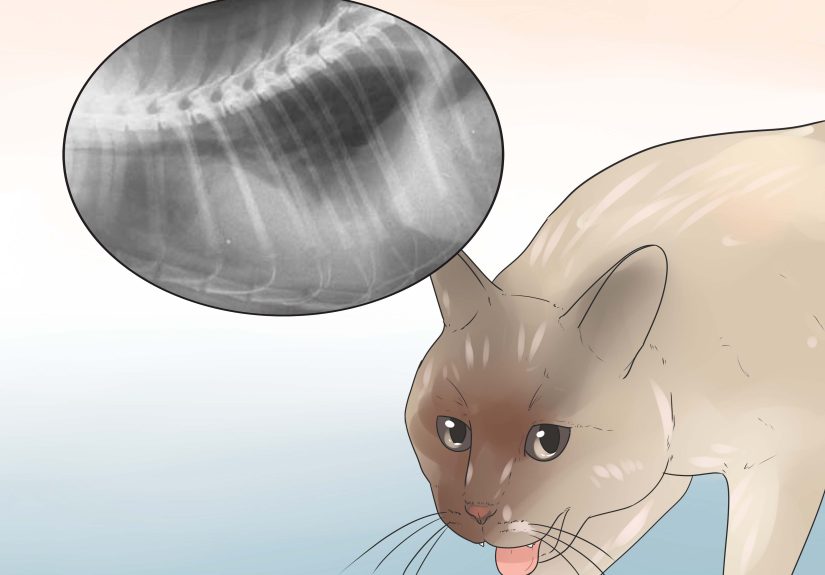
Heart disease can show up as increased respiratory rate or effort. A useful home tool is monitoring your cat’s resting breathing rate over time.
If your cat’s resting rate rises consistently or breathing effort increases, contact your veterinarian promptly. Early intervention can make a major difference.
If your cat gets frequent upper respiratory infections
Some cats are “URI magnets,” especially kittens, shelter/rescue cats, and multi-cat households. Your vet may discuss:
- Vaccination to reduce the severity and spread of common respiratory viruses.
- Supportive care plans for flare-ups (humidification, appetite support, eye/nose care).
- When antibiotics are appropriate (not every sniffle is bacterial).
- Reducing stress and crowding in multi-cat environments (a major factor in outbreaks).
If the problem is “upstream”: dental, nasal, or throat issues
Not all breathing noises are lung problems. Dental disease, nasal inflammation, polyps, foreign material, or structural issues can cause noisy breathing,
snoring, or chronic congestion. If your cat has persistent nasal discharge (especially one-sided), bad breath, pawing at the face, or loud breathing that
doesn’t resolve, your vet may recommend imaging, dental evaluation, or referral.
Bottom line: you can make your home friendlier to your cat’s airways today, but you still want a medical answer if symptoms are new,
severe, or recurring. “It comes and goes” is still a symptom.
Common questions cat parents ask (and vets hear a lot)
Is purring messing up my breath count?
Yes. Purring can make the chest movement harder to interpret and may alter breathing rhythm. Count when your cat is asleep or deeply relaxed and quiet.
My cat snores. Is that always a problem?
Occasional light snoring can happen, especially in some body types. But new snoring, loud snoring, snoring plus congestion, or snoring with effortful
breathing deserves a vet checkespecially if your cat seems less active or stops eating well.
Should I run a fan near my cat?
Gentle airflow can help keep a room cooler, but don’t blast your cat directly (dry air can irritate, and some cats hate it). Cooling the room and improving
ventilation is usually more helpful than “fan to the face.”
Can I give an antihistamine or decongestant?
Only with veterinary direction. Some human medications and doses can be dangerous for cats. If allergies are suspected, your vet can recommend safe options.
How do I know if it’s asthma versus a hairball cough?
It’s not always obvious. Asthma can look like coughing, wheezing, or “trying to hack something up” without producing anything. If your cat has repeated episodes,
your vet may recommend chest imaging and a treatment trial.
Real-world experiences cat parents recognize (and what they teach you)
The internet loves a dramatic story, but most “my cat is breathing weird” situations are more like detective work: small clues, patterns over time,
and one surprising household trigger you never suspected. Here are a few realistic, composite-style experiences that mirror what many cat parents report
not as medical proof, but as practical lessons you can apply in your own home.
1) “It only happens after I clean the litter box…”
A common pattern is a cat who starts sneezing, snorting, or breathing noisily right after the litter box is refreshed. The “aha” moment is often the dust cloud.
Some litters are dustier than they seem, especially when you pour from a height (cat parents: please stop summoning the Sahara Desert in a plastic tray).
Switching to a low-dust litter, pouring more gently, and placing the box in a well-ventilated area can reduce irritation. If the cat already has asthma or
sensitive airways, that one daily dust event can be enough to trigger symptoms.
2) “I thought the diffuser was calming… until my cat started coughing.”
Another frequent story: a household starts using essential oil diffusers or strongly scented “relaxation” products, and a cat with mild respiratory sensitivity
suddenly has more coughing, watery eyes, or noisy breathing. People are often shocked because the scent is subtle to them. But cats experience the world through
their noses, and aerosolized oils can irritate airwayseven when the room smells like a spa to you. The lesson is simple: if your cat has breathing issues,
removing scented aerosols is one of the fastest “environment upgrades” you can try.
3) “The steamy bathroom trick actually helpedkind of.”
Cat colds can create stubborn congestion. Many cat parents notice their cat seems more comfortable after spending a short time in a humid bathroom,
especially when nasal crusting loosens and the cat can breathe through the nose again. The key detail: it’s supportive, not curative. If a cat is sick,
congested, and not eating, humidification can make them feel betterbut it doesn’t replace veterinary care when symptoms are severe, prolonged, or in a kitten.
People also learn the value of gentle face wiping: clearing the nostrils and eyes can improve comfort dramatically, and a more comfortable cat is more likely to
rest, eat, and recover.
4) “Training for an inhaler was… a journey.”
For cats diagnosed with asthma, many families describe a learning curve with inhaler routines. The first week can feel like negotiating a peace treaty:
the mask is suspicious, the cat is offended, and you’re questioning your life choices. But with slow, positive stepsletting the cat sniff the device,
pairing it with treats, practicing short sessionsmany cats adapt surprisingly well. The big takeaway is consistency and calm. Cats read your stress like a
headline. If you approach medication time like a panic event, your cat may react accordingly. If you approach it like “this is just part of the routine,”
it’s more likely to become… well, not fun, but at least tolerable.
If you see yourself in any of these scenarios, you’re not alone. Breathing issues can be scary, but small environmental changesplus prompt veterinary
guidance when neededoften make a meaningful difference. The goal isn’t perfection. It’s giving your cat the easiest, cleanest air and the fastest path to
the right diagnosis and treatment.
Wrap-up: a calmer, clearer breathing plan
Helping your cat breathe easier is about two things: safety (knowing when it’s urgent) and support (making the environment
kinder to sensitive airways). Start by checking resting breathing and watching for red flags. Then clean up the airno smoke, fewer scents, less dust.
Use humidity and gentle face care for congestion, and support overall comfort with healthy weight and low-stress routines. Finally, work with your veterinarian
to treat the underlying causebecause the best breathing support is the right diagnosis.