Table of Contents >> Show >> Hide
- Quick Container Garden Basics (So Your Pots Don’t Stage a Revolt)
- 36 Container Garden Ideas for a Gorgeous Display
- 1) The Classic “Thriller, Filler, Spiller”
- 2) Monochrome Magic
- 3) “Sunset” Color Blend
- 4) A Cool-Tone Calm Pot
- 5) The Moody Foliage Container
- 6) A “Leaf-Only” Texture Party
- 7) The Pollinator Welcome Wagon
- 8) A Hummingbird Hotspot
- 9) A Fragrance-First Container
- 10) The “Night Garden” Pot
- 11) Tropical Vacation in a Pot
- 12) Desert-Chic Succulent Bowl
- 13) Cactus & Gravel Minimalism
- 14) The “Cottage Garden” Pot
- 15) The Modern Architectural Urn
- 16) A Cluster of Three (The Styling Trick)
- 17) “Mini Meadow” in a Trough
- 18) Window Box Herb Bar
- 19) The Pizza Garden Pot
- 20) The Salsa Container Combo
- 21) Salad Bowl Planter
- 22) Strawberry Tower or Stack
- 23) The Blueberry Patio Pot
- 24) Dwarf Citrus on the Porch
- 25) The “Tea Garden” Container
- 26) A Vertical Container Garden Wall
- 27) Railing Planters for Balcony Color
- 28) Hanging Basket “Ceiling Garden”
- 29) The Ladder Shelf Plant Stand
- 30) A Trellis Pot for Vines
- 31) The Shade-Lover’s Dream Container
- 32) “Woodland” Container with Mossy Vibes
- 33) Spring Bulb Lasagna Pot
- 34) Summer Annuals That Don’t Quit
- 35) Fall Container with Texture and Color
- 36) Winter-Evergreen Porch Pots
- How to Keep Your Container Display Looking Gorgeous (Not “Barely Alive”)
- Conclusion
- Extra: Real-World Container Gardening Experiences (The “I Learned This the Hard Way” Edition)
Container gardening is the cheat code of the plant world: you get maximum color, texture, and “wow” for minimum square footage.
It’s landscaping… but portable. Your patio, porch, balcony, or sad little stoop can look like a magazine shootwithout committing
to digging up your yard (or negotiating with that one tree root that refuses to move).
This guide serves up 36 container garden ideas that look intentional (even if you planted them in yesterday’s workout clothes),
plus simple design rules so your pots don’t turn into a chaotic plant traffic jam. Let’s build a gorgeous displayone container at a time.
Quick Container Garden Basics (So Your Pots Don’t Stage a Revolt)
1) Drainage is non-negotiable
If your container doesn’t have drainage holes, it’s not a planterit’s a bathtub. Choose pots with holes, or use the “pot inside a pot” trick:
keep plants in a nursery pot with holes and set it into a decorative cachepot.
2) Use potting mix, not garden soil
Containers need a lightweight, well-aerated mix. Garden soil compacts like a bad mattress and can suffocate roots. A quality potting mix
keeps moisture balanced and roots happier.
3) Pick a pot that matches the plant’s ambition
Big plants need big root space. Tiny pots dry out faster, demand more watering, and generally act like needy pets. When in doubt, size upespecially
for vegetables and thirsty annuals.
4) The design “recipe” that never fails
Remember this trio for show-stopping potted plant arrangements:
thriller (height), filler (body), spiller (cascade).
Even one container can look professionally designed with that structure.
36 Container Garden Ideas for a Gorgeous Display
Mix, match, steal, remixthese ideas work for patio planters, front porches, balconies, and anywhere you can place a pot in sunlight
(or shade). Adjust plant choices for your climate zone and light exposure.
1) The Classic “Thriller, Filler, Spiller”
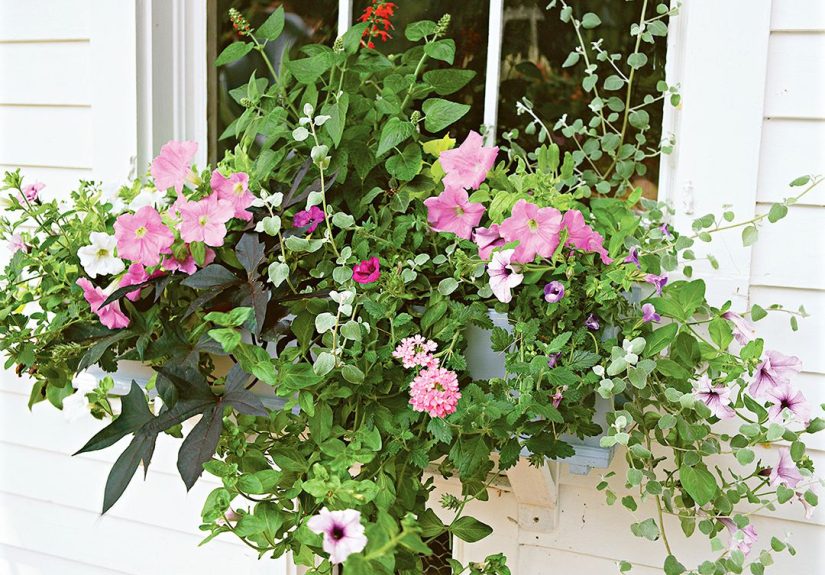
Start with a tall focal plant (ornamental grass, salvia, dracaena), add mounding blooms (petunias, begonias), then finish with a trailing spiller
(sweet potato vine, bacopa, creeping jenny).
2) Monochrome Magic
Choose one colorwhite, purple, or pinkand vary textures instead. It looks designer-level even if you’re winging it at the garden center.
3) “Sunset” Color Blend
Combine warm tonescoral, orange, gold, and burgundyfor a pot that glows at golden hour. Try lantana, coleus, and calibrachoa.
4) A Cool-Tone Calm Pot
Blues and purples feel instantly soothing. Pair salvia with lavender-toned petunias and a silver spiller like dusty miller or licorice plant.
5) The Moody Foliage Container
Skip flowers and go dramatic with dark leaves: burgundy coleus, purple heuchera, deep-leafed begonias, and black mondo grass for contrast.
6) A “Leaf-Only” Texture Party
Build a pot using only foliage: bold (elephant ear), frilly (ferns), spiky (cordyline), and trailing (ivy). It stays gorgeous even between bloom cycles.
7) The Pollinator Welcome Wagon
Plant nectar favorites like zinnias, salvia, lantana, and verbena. Add herbs (thyme, basil) and you’ll attract bees while pretending it’s all for aesthetics.
8) A Hummingbird Hotspot
Go for tubular blooms: salvia, fuchsia (shade), calibrachoa, and cuphea. Place it near seating so you get front-row tickets.
9) A Fragrance-First Container
Put scent at nose level: lavender, jasmine (in warm climates), scented geranium, and sweet alyssum. Your porch becomes aromatherapy with leaves.
10) The “Night Garden” Pot
Use white blooms and silver foliage that pop at duskwhite petunias, nicotiana, dusty millerplus a tiny solar light for drama.
11) Tropical Vacation in a Pot
Mix bold leaves and bright blooms: canna, coleus, elephant ear, and mandevilla on a trellis. It’s a staycation for your deck.
12) Desert-Chic Succulent Bowl
Use a wide, shallow container with fast-draining mix. Combine echeveria, sedum, and trailing burro’s tail. Bonus: low watering drama.
13) Cactus & Gravel Minimalism
For full sun: cactus varieties and drought lovers in a gritty mix, topped with gravel for a clean, modern look.
14) The “Cottage Garden” Pot
Soft, romantic chaos (the good kind): lobelia, snapdragons, daisies, and trailing bacopa. Add a little trellis and act like you planned it.
15) The Modern Architectural Urn
One bold plant can carry the whole look. Try a dwarf conifer, rosemary standard, or ornamental grass in a tall urnsimple and expensive-looking.
16) A Cluster of Three (The Styling Trick)
Group three containers of different heights. Repeat one plant or color in each pot to make the display feel curated instead of random.
17) “Mini Meadow” in a Trough
Use a long trough planter with small grasses, daisies, and low sedums. It reads like a tiny landscape, not just “plants in a box.”
18) Window Box Herb Bar
Plant basil, parsley, thyme, and chives in a sunny window box. Add trailing oregano as your spiller and pretend you’re a TV chef.
19) The Pizza Garden Pot
Grow the flavor squad: basil, oregano, thyme, and compact tomatoes nearby (tomatoes usually deserve their own container).
20) The Salsa Container Combo
One big pot each for: a compact tomato, a pepper plant, and cilantro. Add green onions in a smaller pot and you’ve basically hacked grocery prices.
21) Salad Bowl Planter
Use a wide container for leaf lettuce, arugula, baby kale, and spinach. Harvest “cut-and-come-again” and feel wildly self-sufficient.
22) Strawberry Tower or Stack
Use a tiered planter to maximize a small footprint. Strawberries spill beautifullyand yes, you are allowed to eat your decor.
23) The Blueberry Patio Pot
Pick a variety suited for containers and make sure you provide the right soil acidity. Blueberries look great, bloom nicely, and snack back.
24) Dwarf Citrus on the Porch
In warm regions (or with winter protection), dwarf citrus in a large pot becomes a living centerpiecefragrant blooms plus fruit.
25) The “Tea Garden” Container
Grow mint (alone, because it’s bossy), lemon balm, chamomile, and thyme. Add a cute label and suddenly you’re a person who has it together.
26) A Vertical Container Garden Wall
Use wall pockets or a vertical planter to grow herbs, trailing flowers, or small greens. Great for balconies where floor space is precious.
27) Railing Planters for Balcony Color
Clip-on planters instantly add a lush edge. Choose trailing petunias, nasturtiums, or ivy geraniums for that waterfall effect.
28) Hanging Basket “Ceiling Garden”
Hang baskets at different heights with calibrachoa, fuchsia (shade), or trailing lobelia. You’ll feel like you’re walking under a floral chandelier.
29) The Ladder Shelf Plant Stand
Put smaller pots on each step: herbs up top, flowers in the middle, spillers below. It’s vertical gardening with zero construction skills required.
30) A Trellis Pot for Vines
Add a simple trellis to a deep pot and grow clematis (climate-dependent), mandevilla, or even beans. Instant height, instant drama.
31) The Shade-Lover’s Dream Container
For low light: hostas, ferns, caladiums, and impatiens. Mix leaf shapes and you’ll still get a high-impact display without full sun.
32) “Woodland” Container with Mossy Vibes
Combine small ferns, heuchera, and a piece of decorative bark or stone. It looks like a tiny forest scenewithout the bears.
33) Spring Bulb Lasagna Pot
Layer bulbs by bloom time: tulips, daffodils, crocus. When it wakes up in spring, it’s like the pot is throwing its own parade.
34) Summer Annuals That Don’t Quit
Build around reliable bloomerspetunias, zinnias, begoniasthen refresh midseason with a haircut (yes, plants need trims too).
35) Fall Container with Texture and Color
Mix mums with ornamental cabbage/kale, grasses, and trailing ivy. Add mini pumpkins and you’ve basically won autumn.
36) Winter-Evergreen Porch Pots
Use a sturdy container with evergreen boughs, pinecones, and berry stems for a cold-season display. It’s festive, low-effort, and surprisingly elegant.
How to Keep Your Container Display Looking Gorgeous (Not “Barely Alive”)
Water like you mean it
Containers dry out faster than in-ground beds, especially in heat and wind. Water deeply until it runs out the bottom, then check again later in the day
during peak summer.
Feed regularly (because pots don’t come with unlimited snacks)
Potting mix nutrients get used up. A slow-release fertilizer at planting plus occasional liquid feeding keeps flowers blooming and vegetables producing.
Groom for more blooms
Deadhead spent flowers, pinch leggy stems, and rotate pots for even growth. Your plants will look fuller, and you’ll feel like a gardening wizard.
Match plants by sun and water needs
Mixing a drought-tolerant succulent with a thirsty petunia is like rooming a desert lizard with a goldfish. Choose compatible roommates.
Conclusion
The best container gardens aren’t complicatedthey’re intentional. Pick the right pot, give it drainage, use good potting mix, and build a smart combo
(thriller, filler, spiller). Then have fun: swap plants by season, try an edible arrangement, or go bold with foliage and texture.
Your outdoor space doesn’t need to be huge to look spectacularjust well-styled, well-watered, and slightly smug.
Extra: Real-World Container Gardening Experiences (The “I Learned This the Hard Way” Edition)
If you want your container garden to look like a gorgeous display for more than, say, three optimistic weeks, here are the practical lessons that don’t
always make it into the pretty photos.
First: sun is a moving target. I once placed a “full sun” pot where it got blazing noon sun… and zero morning light. The result was a container that
looked amazing at 10 a.m. and emotionally wilted by 2 p.m. Now I do a simple sunlight check: morning, midday, late afternoon. If it’s a hot patio, I plan for
afternoon shade or choose heat-tough plants (and yes, sometimes the correct plant choice is “a cactus that thrives on neglect”).
Second: big containers are basically self-care. When I downsized a planter because it “matched the vibe,” I accidentally signed up for daily watering
and constant drama. Larger pots hold more soil, buffer temperature swings, and forgive you when life gets busy. If you only upgrade one thing, upgrade the pot size.
Your future self will send you a thank-you card.
Third: watering is not a schedule, it’s a relationship. “Every day at 6” sounds disciplineduntil a cool week makes roots soggy or a heat wave turns
your soil into toasted crumbs. I use the finger test: if the top inch is dry, water. If it’s still moist, wait. Deep watering beats frequent sips because it encourages
roots to grow down, not hover at the surface like they’re afraid of commitment.
Fourth: fertilizer is the difference between ‘cute’ and ‘wow’. Containers can look great at planting time and then fade as nutrients wash out. My “aha”
moment happened when identical pots had wildly different bloom powerone got regular feeding, the other got vibes and encouragement. Spoiler: plants do not photosynthesize
compliments. A simple routine (slow-release plus occasional liquid feed) keeps everything lush.
Fifth: overcrowding is a sneaky villain. It’s tempting to cram in “just one more” plant for an instant full look. But crowded pots can turn into a humidity
trap, inviting mildew and pests, and everyone fights over water. The compromise I like: plant a bit fuller at first, but choose varieties that don’t explode in size,
and be willing to prune. Think of it as giving your plants personal space so they don’t start a roommate feud.
Sixth: containers are movableuse that superpower. If storms, scorching afternoons, or surprise cold nights roll in, shift the pots. That mobility is why
container gardening is perfect for beginners and small spaces. I keep lightweight plant caddies under heavy pots so I can move them without pulling a muscle or
inventing new curse words.
Finally: seasonal swaps are the secret to year-round beauty. When summer annuals start looking tired, I don’t mournI replace. A gorgeous display is often
a relay race: spring bulbs hand off to summer bloomers, which hand off to fall textures, which hand off to winter evergreen arrangements. Once you accept that swapping is
normal (and not a personal failure), your planters stay photogenic for months.